A Culinary Exploration of Gai Lan: The Versatile Chinese Broccoli

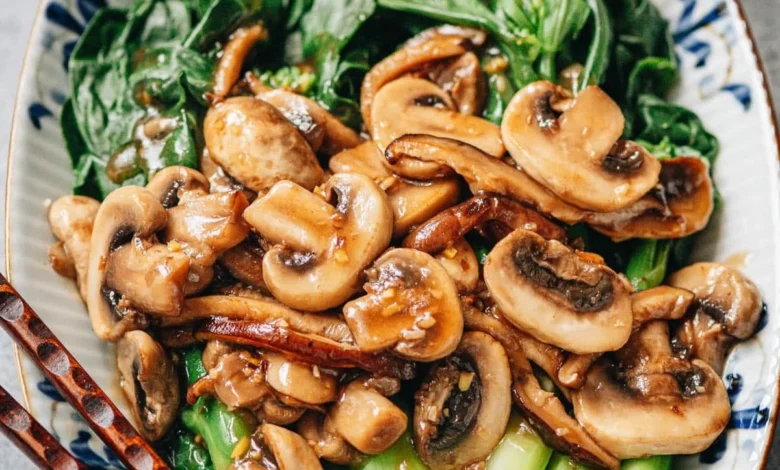
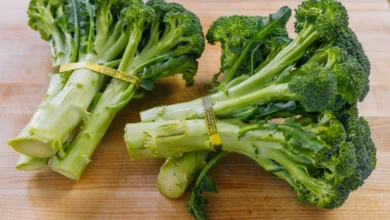
Chinese broccoli, known scientifically as Brassica oleracea var. alboglabra and colloquially as gai lan, stands as a cornerstone of Cantonese cuisine, gracing the tables of dim sum establishments and family dinners across Southern China. Its distinctive thick, crunchy stems and deep blue-green leaves set it apart from other leafy greens, offering a unique textural and flavor profile. The preparation of gai lan, particularly its stems, hinges on a precise technique: the removal of the tough outer skin followed by a brief blanch in salted water before any sauces are introduced. This foundational step, crucial for achieving optimal tenderness and flavor, is mirrored in classic preparations like Chinese broccoli with oyster sauce, a testament to the vegetable’s enduring appeal.
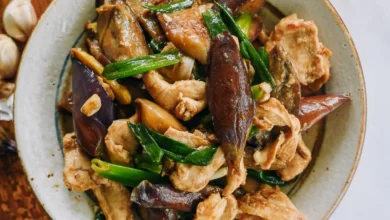
This article delves into an enhanced culinary approach to gai lan, focusing on a revitalized recipe for Chinese Broccoli with Mushrooms. This updated version aims to elevate a previously published iteration by introducing greater depth and complexity to the flavor profile. The original recipe relied solely on white mushrooms and a thinner sauce, a contrast to the current rendition which incorporates dried shiitake mushrooms for their profound earthy notes. However, the intensity of shiitake can be overwhelming, necessitating a harmonious blend with fresh white mushrooms to temper the profile without sacrificing the characteristic mushroom essence.
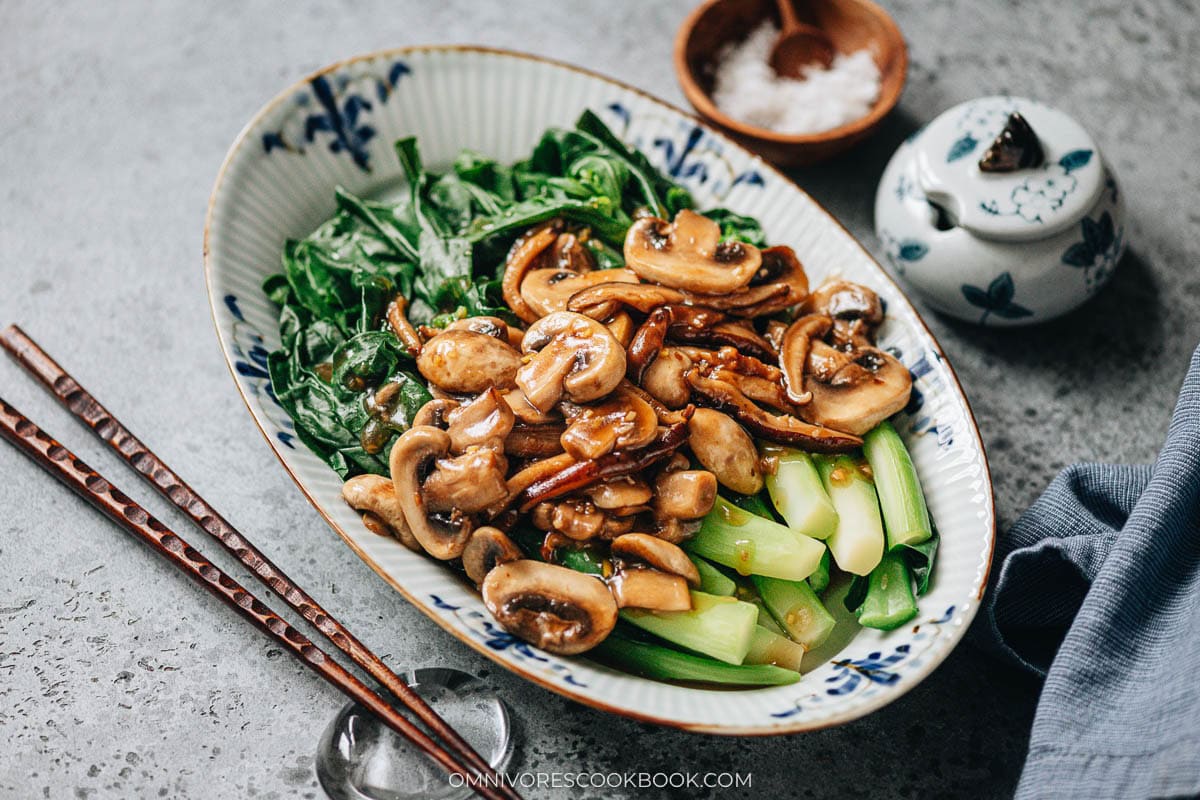
The preparation of this dish follows a straightforward yet meticulous order, designed to maximize flavor and texture. The process begins with soaking dried shiitake mushrooms in warm water, allowing them to rehydrate and release their umami-rich essence. Concurrently, the gai lan is prepared: its thick stems are meticulously peeled to remove the fibrous outer layer, a crucial step that ensures tenderness. Following this, the greens are blanched in salted water until the stems achieve a tender-crisp consistency. The final stage involves a rapid stir-fry in a hot skillet, infusing the dish with the aromatic trinity of garlic, ginger, and the dual mushroom medley. This method promises a side dish that is both simple to execute and deeply satisfying, suitable for family meals and culinary exploration.
The Symphony of Ingredients: Crafting Depth and Balance
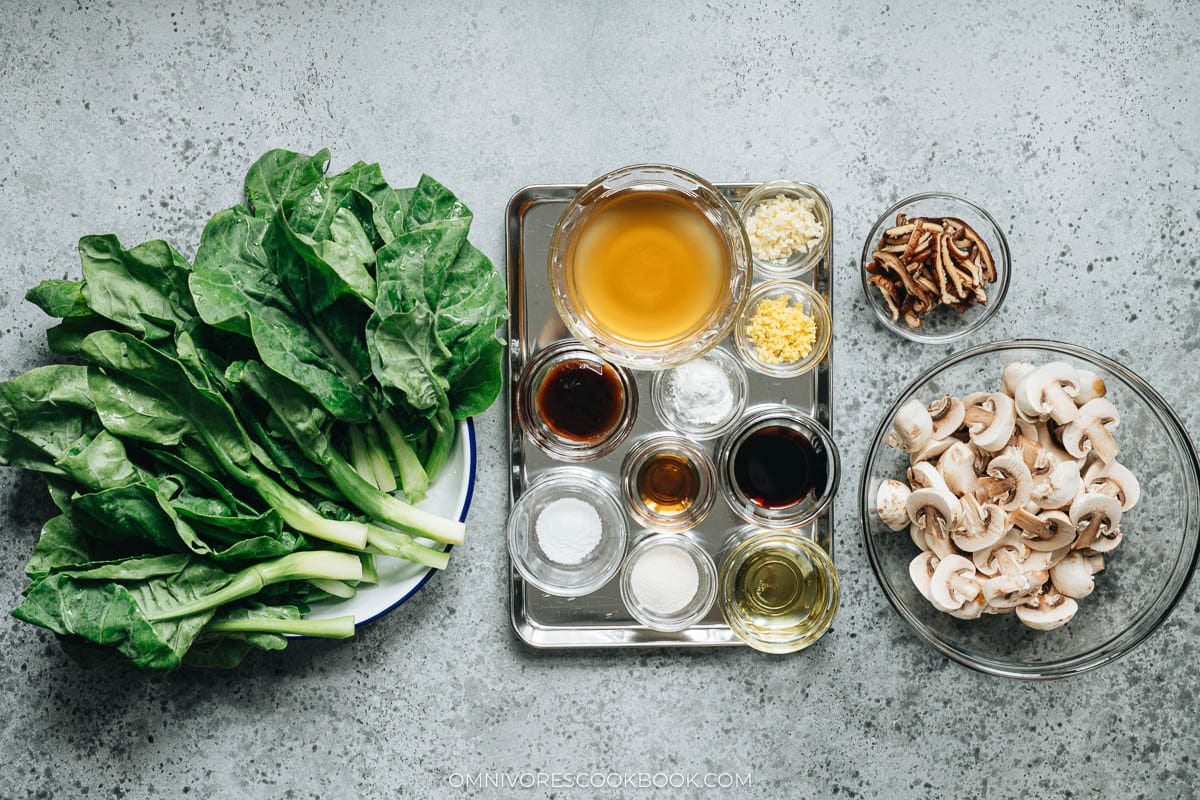
The creation of this elevated Chinese Broccoli with Mushrooms recipe relies on a curated selection of ingredients, each playing a vital role in the final flavor composition.
-
Dried and Fresh Mushrooms: A Harmonious Blend
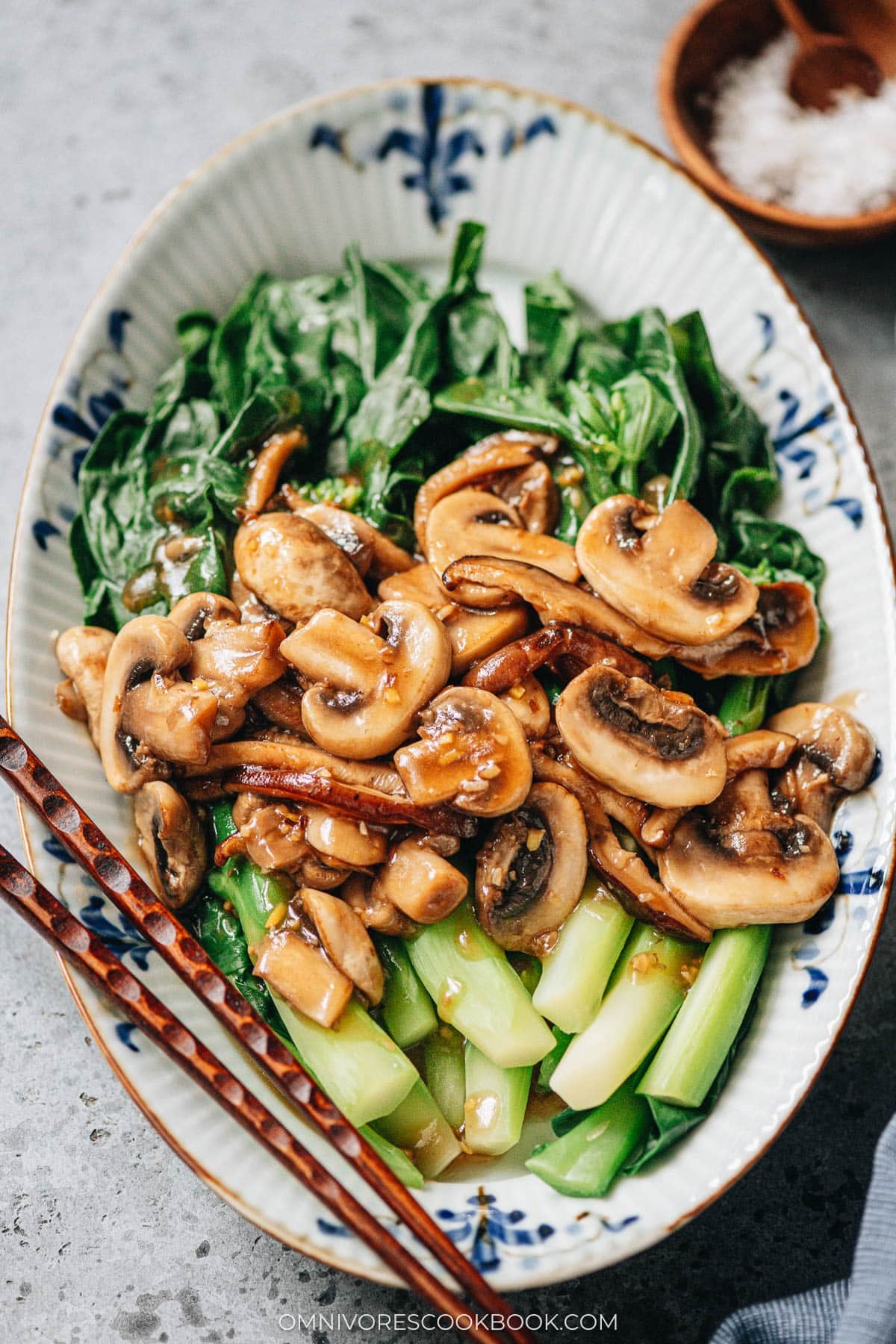
The foundation of the dish’s enhanced umami lies in the combination of dried shiitake and fresh white mushrooms. A small handful of dried shiitake mushrooms are rehydrated, imparting their characteristic deep, earthy, and almost meaty flavor, a hallmark of Cantonese mushroom dishes. This intense flavor is then balanced by the inclusion of sliced fresh white mushrooms. This pairing is strategic: shiitake mushrooms alone can possess an overpowering intensity that might overshadow the delicate notes of the gai lan. The fresh white mushrooms act as a softening agent, their milder, more subtle flavor profile allowing the shiitake’s character to shine through without becoming dominant. This thoughtful integration ensures a nuanced mushroom presence that complements, rather than overwhelms, the primary vegetable. -
Gai Lan: The Star Vegetable
The selection of gai lan, or Chinese broccoli, is paramount. When choosing this vibrant green, preference is given to bunches with firm stems and unblemished, dark blue-green leaves. The thicker stalks are particularly desirable. After peeling the tough outer skin, the core of these thicker stems reveals a pleasant crispness and inherent sweetness, a textural contrast that is highly valued in this preparation. The leaves, while tender, also contribute a mild, slightly bitter flavor that balances the richness of the sauce and mushrooms. -
The Savory Sauce: A Classic Foundation
The sauce, a critical element in unifying the dish, is a carefully balanced concoction. It begins with a base of chicken stock, providing a savory foundation. This is enriched with light soy sauce for its salty, umami depth, and oyster sauce for its characteristic sweet and savory complexity. A touch of sugar is added to round out the flavors and balance any potential bitterness from the greens. Finally, cornstarch is incorporated to thicken the sauce, creating a glossy glaze that clings beautifully to the gai lan and mushrooms.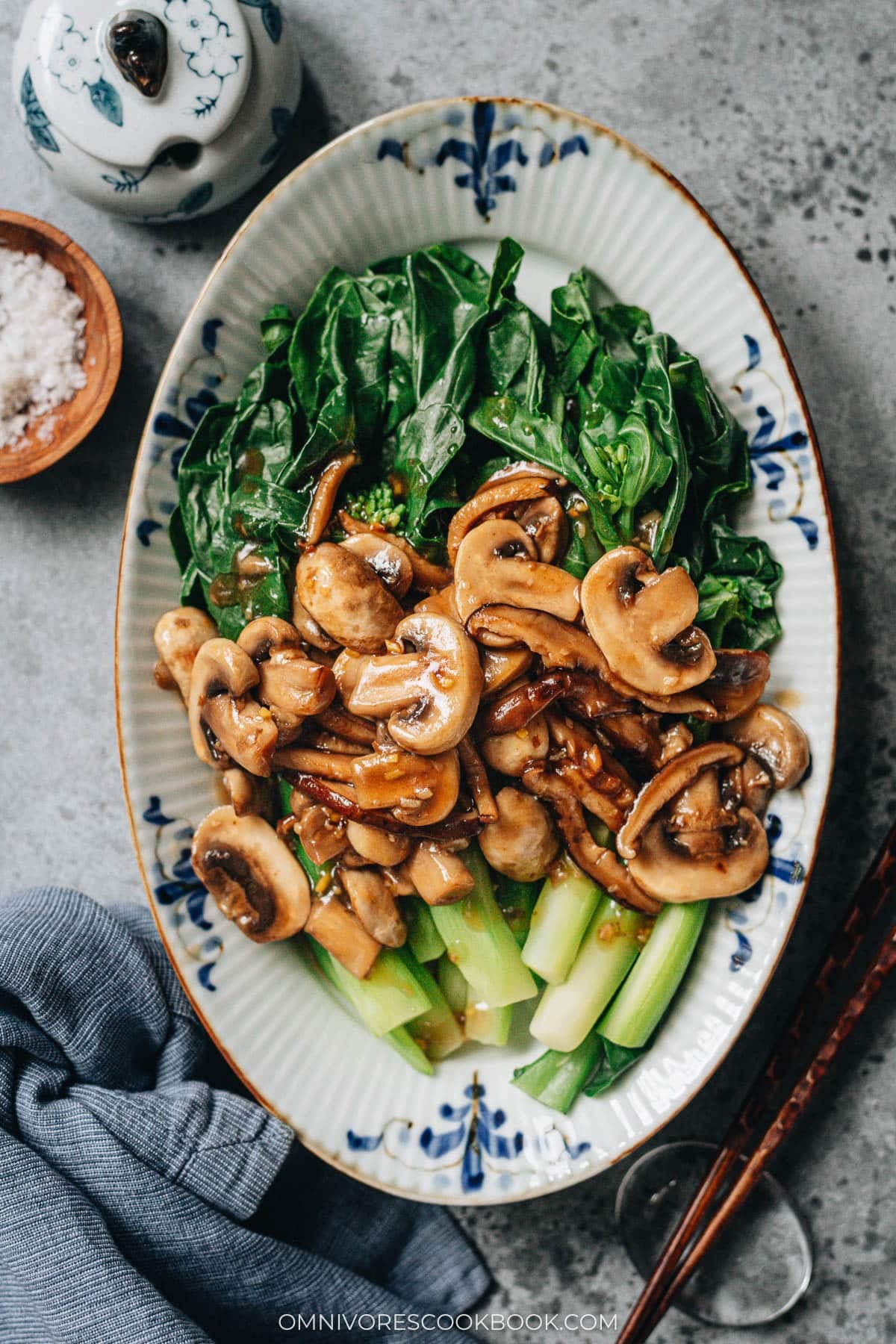
-
Aromatics and Finishing Touches: Elevating the Experience
The aromatic backbone of the dish is built with minced garlic and ginger. These pungent ingredients are stir-fried briefly to release their fragrant oils, infusing the cooking oil and subsequent sauce with their distinctive warmth and spice. A neutral vegetable oil, such as canola or grapeseed, is the preferred choice for the initial stir-fry, as it allows the flavors of the other ingredients to take center stage. The dish is finished with a delicate drizzle of toasted sesame oil, adding a final layer of nutty aroma and depth that is quintessentially Asian.
The Culinary Journey: A Step-by-Step Guide
The creation of this exquisite Chinese Broccoli with Mushrooms is a testament to methodical preparation and timely execution.
-
Rehydrating the Shiitake Mushrooms:
The process commences with the rehydration of dried shiitake mushrooms. A small handful of these dried fungi are submerged in a bowl of warm water. This allows them to soften and swell, typically taking about 15 minutes. Once tender, they are gently squeezed to remove excess moisture. The tough, woody stems are discarded, and the rehydrated caps are then thinly sliced, ready to release their robust flavor into the dish. -
Preparing the Gai Lan:
The gai lan is thoroughly rinsed under cold tap water and then drained. For easier peeling, it is recommended to trim off any large, outer leaves that may be tough or bruised. This step ensures that the remaining edible portions of the plant are pristine and ready for cooking. -
Mastering the Stem Preparation: The Key to Tenderness
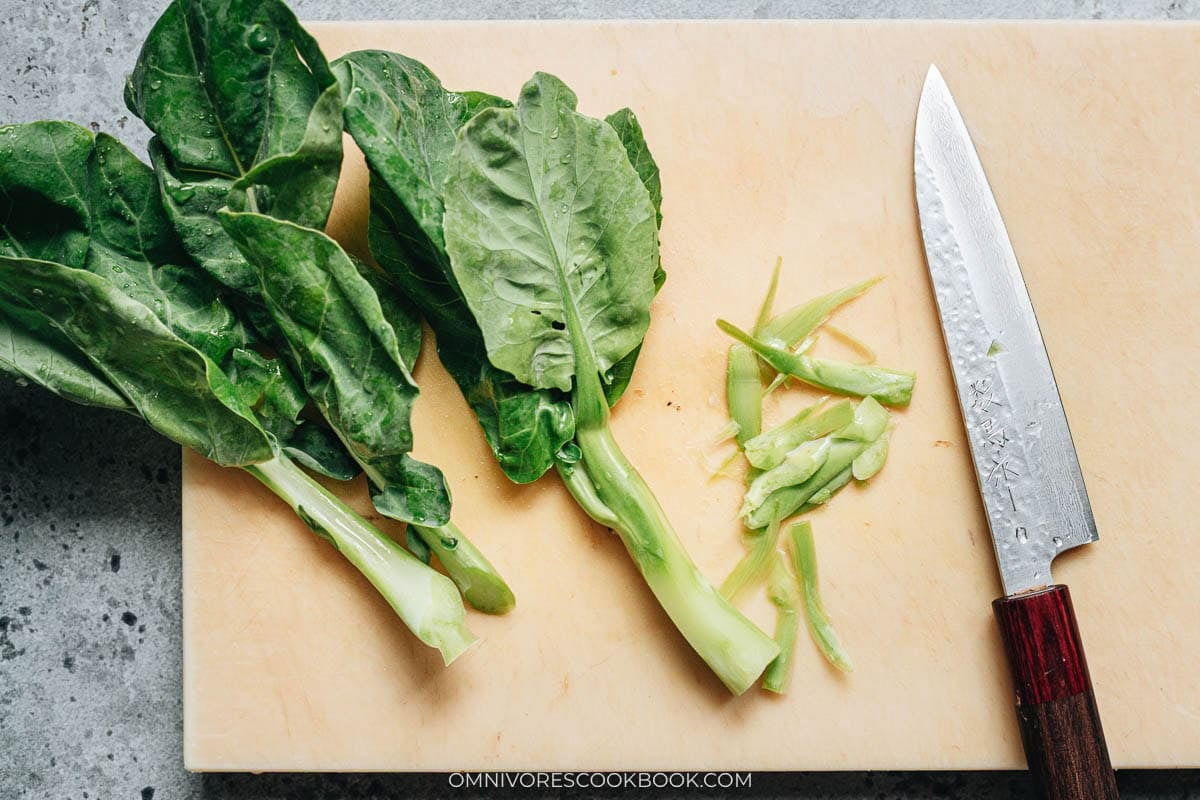
The distinctive feature of gai lan lies in its stems, and their preparation is crucial for an enjoyable dining experience. Using a paring knife, the tough, fibrous outer skin is meticulously peeled from the stems, extending at least two inches from the bottom. This process may require multiple passes, as the fibrous layer can be quite deep. The visual cue for successful peeling is the appearance of the pale, tender core beneath the green skin. Any remaining greenish, tough parts will remain fibrous even after cooking, detracting from the dish’s overall texture. For those using a vegetable peeler, a similar approach is advised, ensuring all the tough outer material is removed.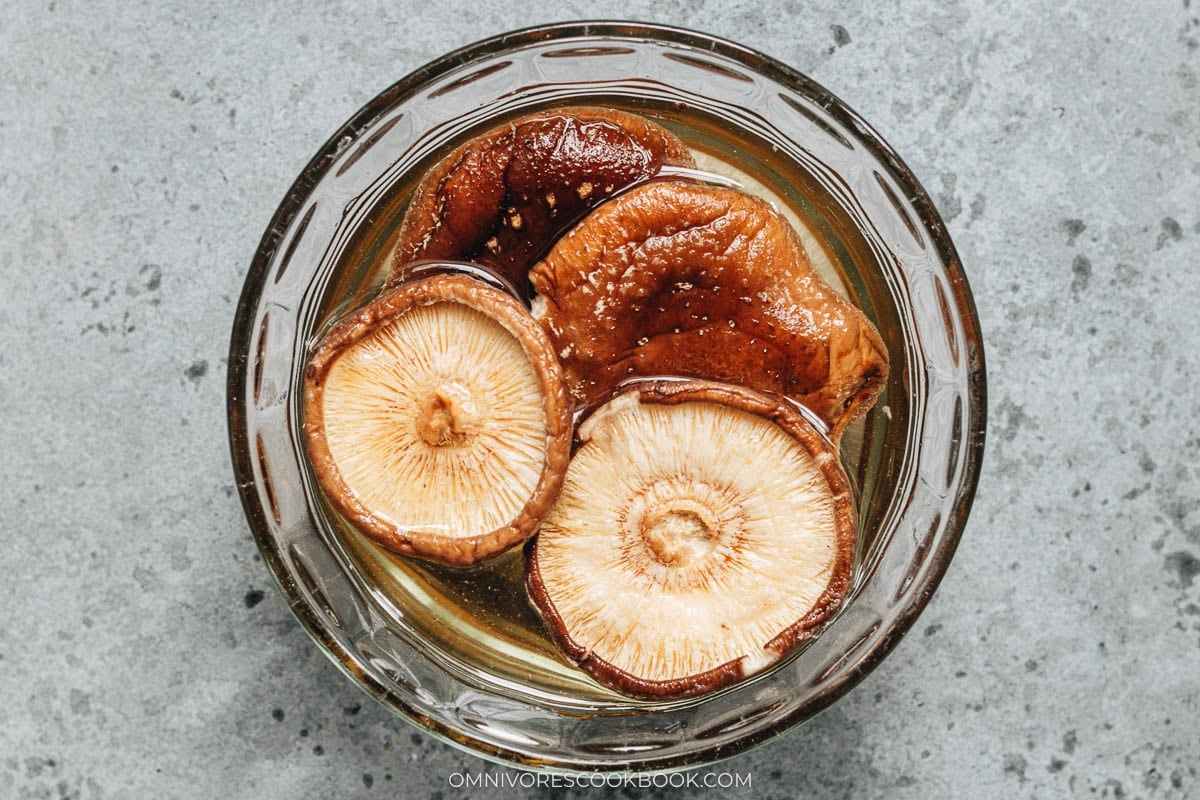
-
Whisking the Sauce: A Preemptive Strike for Flavor
Before the heat is applied, the sauce ingredients are brought together. In a small bowl, chicken stock, light soy sauce, oyster sauce, sugar, and cornstarch are whisked until thoroughly combined. This mixture is then set aside, within easy reach of the stove, ensuring it can be added to the wok in a single, fluid motion when the time comes. -
Blanching for Perfect Texture:
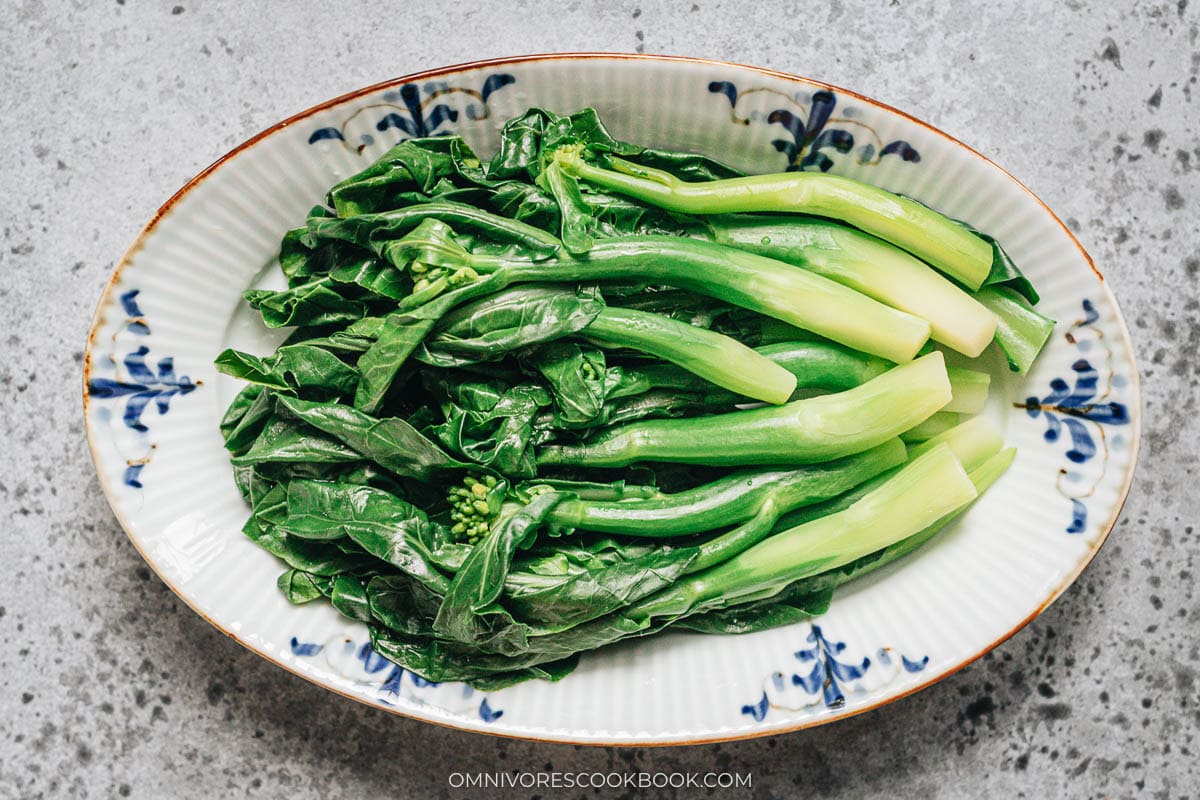
A large pot of water is brought to a rolling boil, and a teaspoon of salt is added. This salted water is critical for seasoning the gai lan from within as it cooks, a technique that prevents the greens from tasting bland. The prepared gai lan is then added to the boiling water and blanched for approximately 2 to 3 minutes. The goal is for the stems to become tender yet retain a pleasant crispness. Overcooking will result in limp leaves and mushy stems, compromising the desired texture. Once blanched, the gai lan is drained, lightly patted dry, and artfully arranged on a serving platter. -
Aromatics in the Wok: Building the Flavor Base
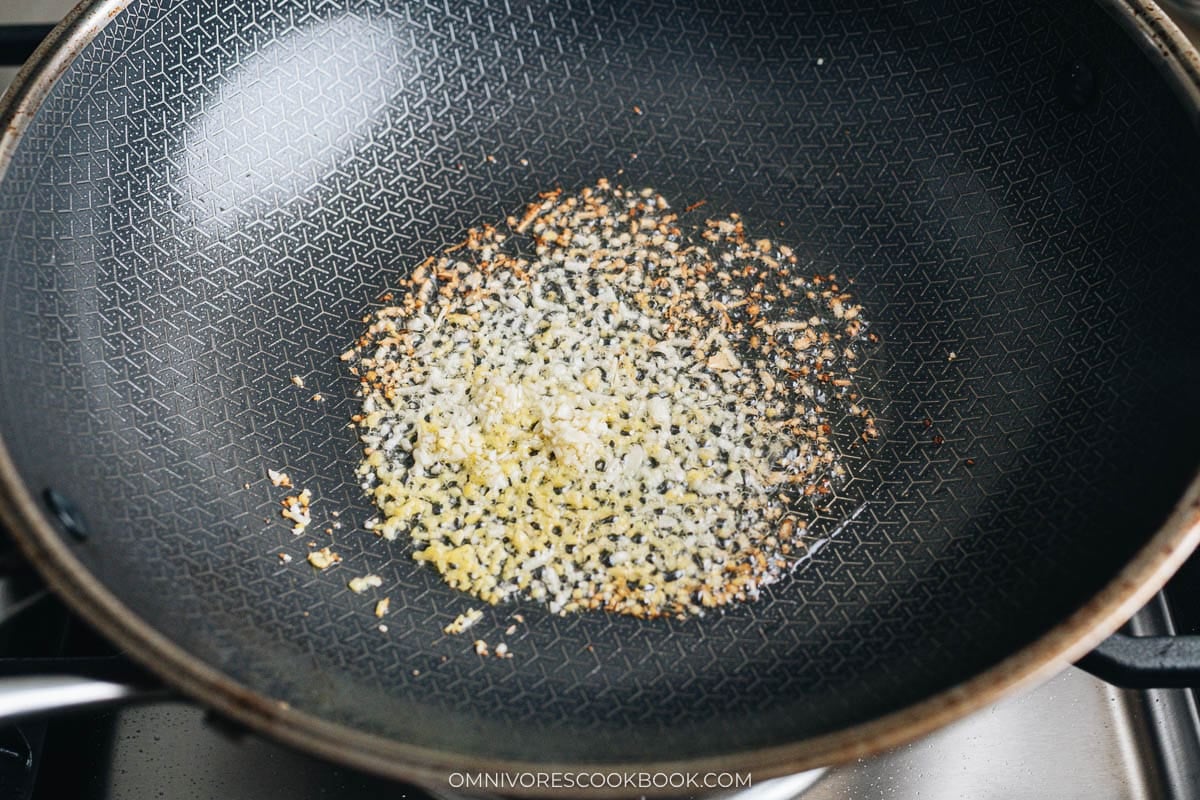
A wok or large skillet is heated over medium-high heat until it reaches a shimmering temperature. A neutral vegetable oil is added, followed by the minced garlic and ginger. These aromatics are stir-fried for a brief period, just long enough to release their fragrant oils and impart their essence to the cooking oil. It is important to prevent the garlic from browning, which can lead to a bitter taste.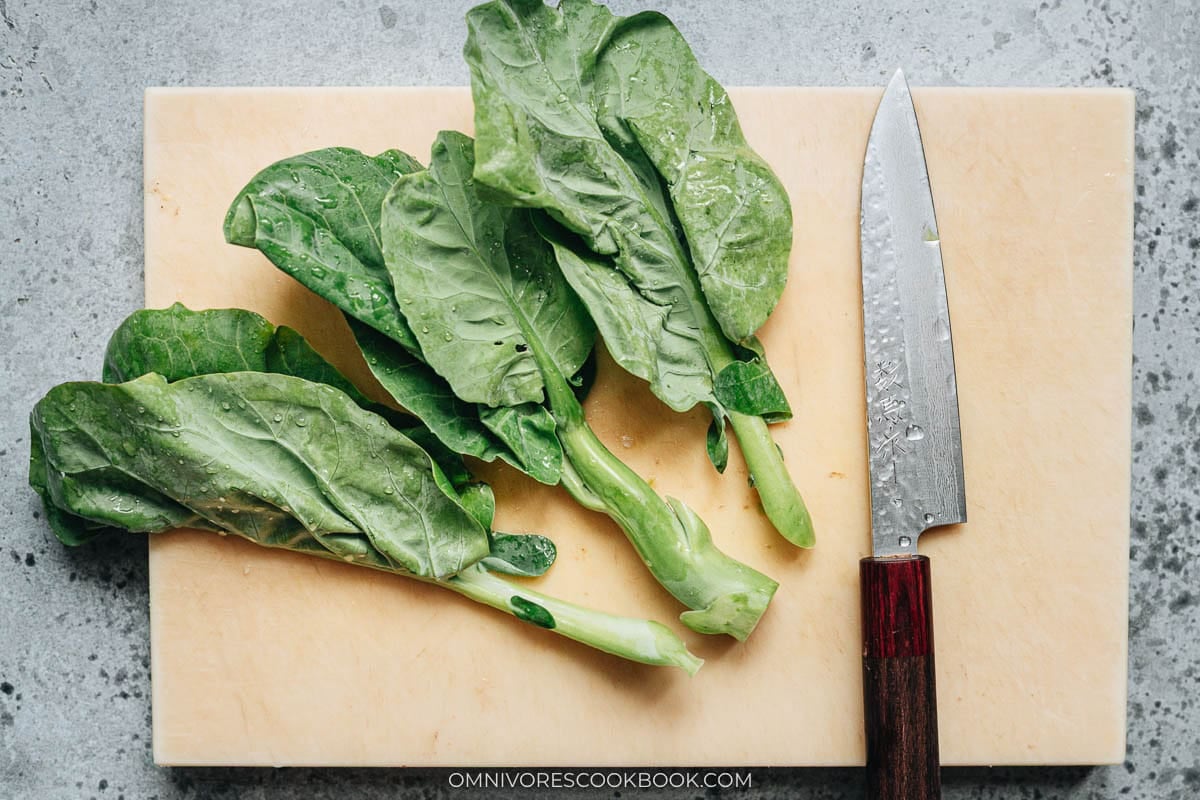
-
Sautéing the Mushrooms: Unlocking Deep Flavors
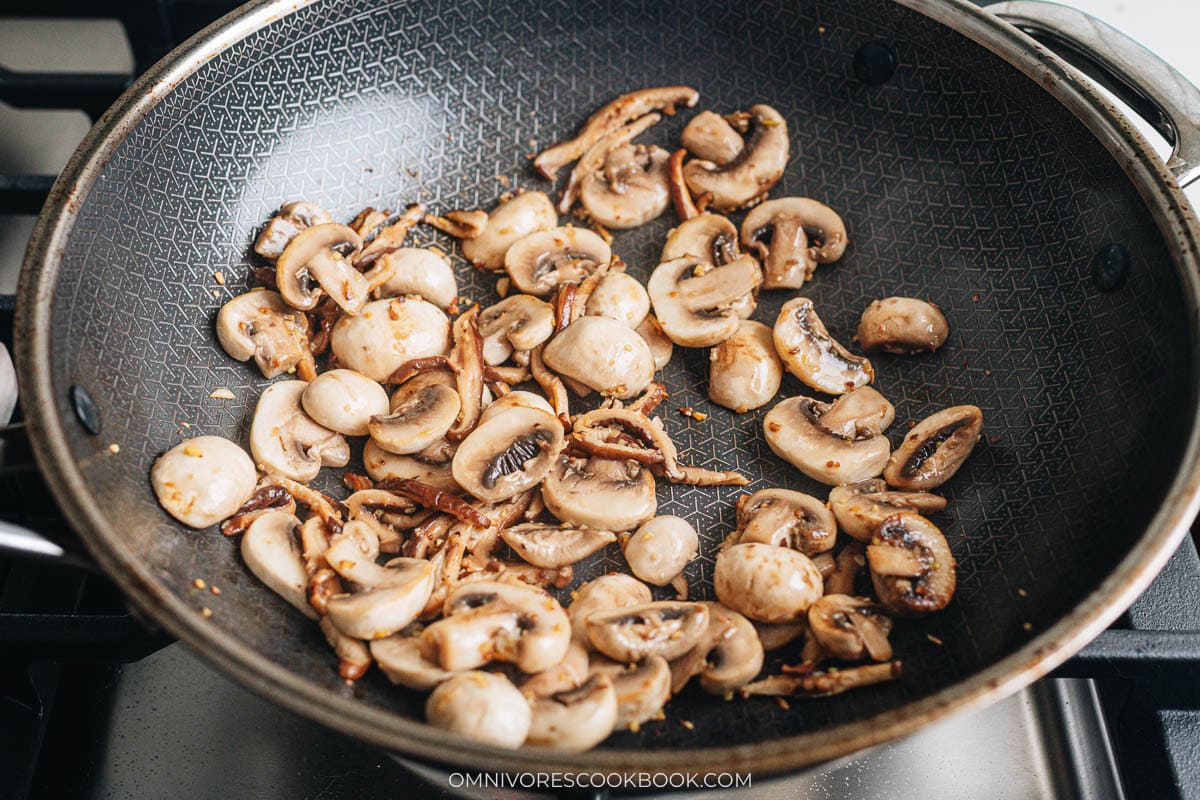
The sliced shiitake mushrooms and fresh white mushrooms are added to the wok. They are stirred and cooked for about two minutes, until their edges begin to turn golden brown and the pan emits a nutty aroma. This sautéing process caramelizes the mushrooms, intensifying their flavor and enhancing their texture. -
The Glossy Glaze: Binding the Flavors
The prepared sauce is given a final stir to ensure the cornstarch is fully dissolved. It is then poured into the skillet with the mushrooms. The sauce is stirred continuously until it thickens into a glossy, cohesive glaze that coats the mushrooms beautifully. -
Plating and Finishing: The Final Flourish
The blanched gai lan, already arranged on the serving platter, is then generously topped with the glistening mushroom sauce. A final drizzle of toasted sesame oil is added, its aromatic perfume completing the dish. The Chinese Broccoli with Mushrooms is then served immediately, a vibrant and flavorful addition to any meal.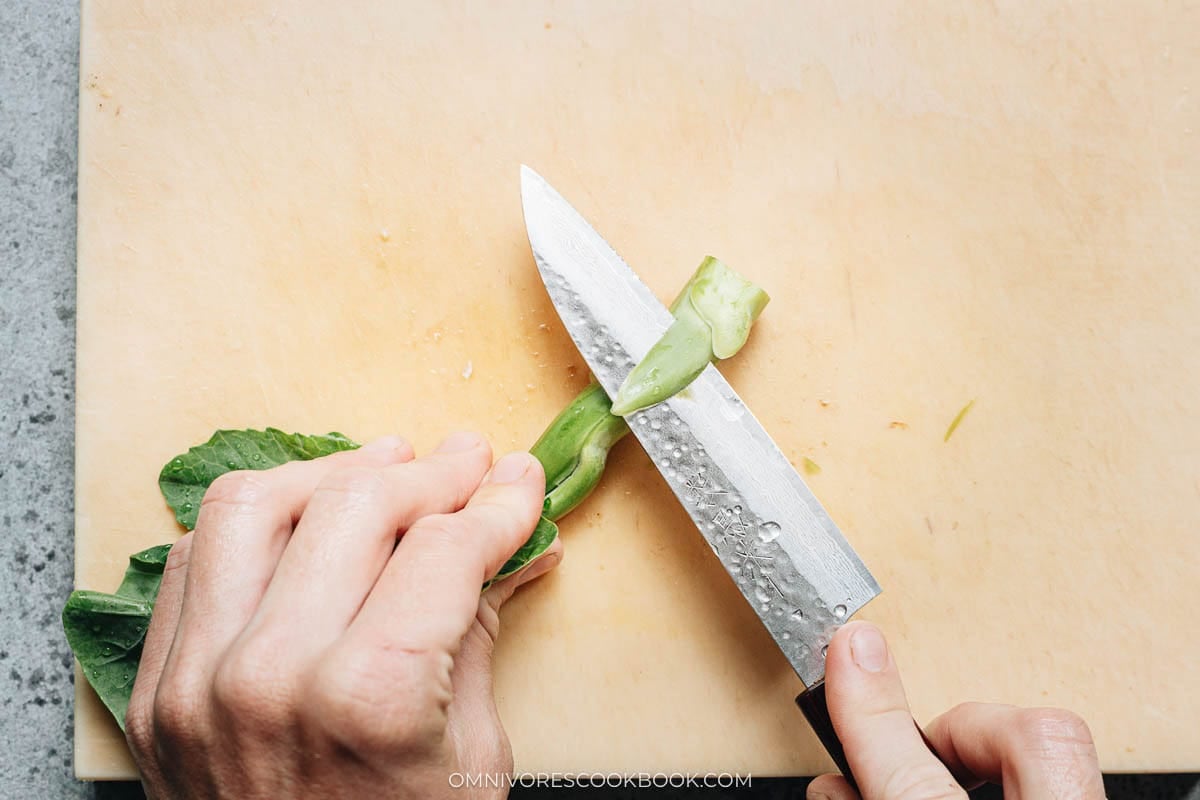
Culinary Insights: Expert Tips for Success
-
Harnessing Shiitake Soaking Water: The liquid used to rehydrate dried shiitake mushrooms is a treasure trove of flavor. Straining and saving this nutrient-rich broth allows it to be used in future soups, braises, or sauces, adding a profound mushroom base that enhances a myriad of dishes.
-
The Indispensable Salted Blanch: Blanching gai lan in salted water is not merely a suggestion but a critical step. The salt seasons the greens from within, ensuring they are flavorful on their own, rather than relying solely on the sauce for taste. Without this initial seasoning, the greens can taste disappointingly bland, regardless of how savory the accompanying sauce is.
-
Mindful Mushroom Cooking: Fresh white mushrooms release a significant amount of water when cooked. To achieve optimal browning and prevent steaming, it is essential not to crowd the mushrooms in the pan. Spreading them evenly across the wok’s surface and allowing them to sit undisturbed for a minute before stirring encourages proper searing and develops a richer flavor.
-
Ensuring a Thick Sauce: To prevent the sauce from becoming watery, it is important to plate the blanched gai lan dry. Allowing the greens to drain in a colander for a minute and gently blotting the serving platter with a paper towel before arranging the gai lan ensures that the sauce maintains its desirable thick, glossy consistency when poured over the vegetables.
Serving Suggestions: A Versatile Accompaniment
Chinese Broccoli with Mushrooms is a testament to the art of the supporting dish, designed to complement and enhance a variety of main courses. Its versatility makes it a welcome addition to both weeknight meals and more elaborate gatherings.
-
Weeknight Harmony: On a busy weeknight, this dish pairs exceptionally well with lighter Cantonese main courses. Consider serving it alongside steamed fish with black bean sauce, a delicate and flavorful preparation that allows the gai lan and mushrooms to provide a contrasting texture and earthy depth. Another excellent pairing is claypot rice, where the savory mushroom sauce can even double as a delightful condiment for the rice itself once the greens have been enjoyed.
-
Festive Feasts: For a more comprehensive Cantonese dining experience, especially when entertaining guests, this dish acts as a perfect vegetable counterpoint to richer, more prominent dishes. It can be served alongside succulent char siu (barbecued pork) and a comforting bowl of Cantonese wonton noodle soup. The gai lan and mushrooms, placed in the center of the table, offer a fresh, vibrant, and easily accessible vegetable component that balances the richness of other offerings. The website’s extensive collection of Cantonese recipes offers further inspiration for creating a complete and cohesive meal.
Frequently Asked Questions: Addressing Culinary Queries
-
Determining Gai Lan Stem Doneness: The perfect doneness for gai lan stems is achieved when a paring knife tip slides into the thickest stem with minimal resistance, yet pulls out without the stem collapsing. This indicates that the core is tender while the stalk retains a satisfying crunch. A knife that slides in with no resistance suggests the stems have overcooked and will be soft. Ultimately, tasting a piece of the stem is the most reliable method to confirm it has reached your preferred level of tenderness.
-
The Non-Negotiable Blanching Step: While stir-frying is a rapid cooking method, gai lan stems are inherently dense and require pre-cooking to achieve tenderness. Skipping the blanching step and attempting to stir-fry raw gai lan will likely result in fibrous stems and overcooked, limp leaves. Blanching in salted water ensures the stems are tender before they even enter the wok, allowing the leaves to cook gently without becoming mushy.
-
Broccolini as a Substitute: Broccolini, a close relative of Chinese broccoli, serves as an excellent substitute. It can be prepared using the same method. While broccolini possesses a milder and slightly sweeter flavor profile than gai lan, it harmonizes beautifully with the mushroom sauce. For those opting for regular broccoli, it is advisable to blanch the florets until they are crisp-tender before incorporating them into the sauce.
-
Vegetarian and Vegan Adaptations: This recipe is readily adaptable for vegetarian and vegan diets. Substituting vegetarian oyster sauce (often mushroom-based) for traditional oyster sauce and using vegetable stock instead of chicken stock will yield a delicious, savory dish with a slightly altered but equally satisfying flavor profile.
The journey into the realm of Chinese broccoli with mushrooms is more than just a recipe; it is an invitation to explore the nuanced flavors and textures that define Cantonese home cooking. By understanding the importance of each ingredient and the precision of each step, one can recreate a dish that is both comforting and sophisticated, a true celebration of fresh produce and culinary tradition.