Cantonese-Style Chicken and Eggplant Stir-Fry: A Culinary Exploration of Flavor and Technique

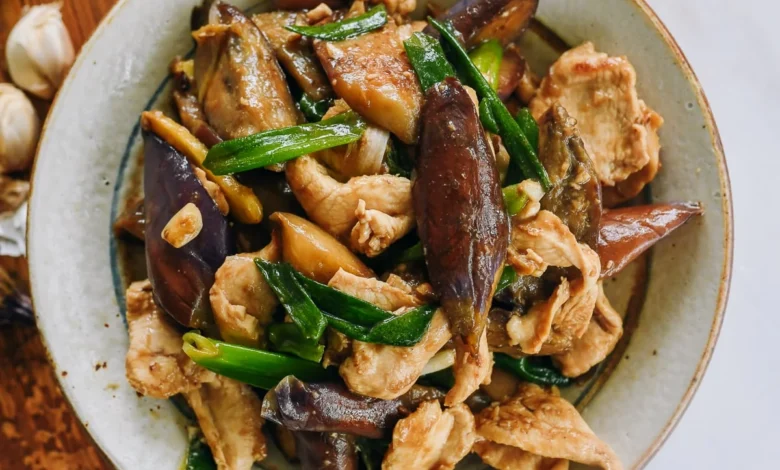
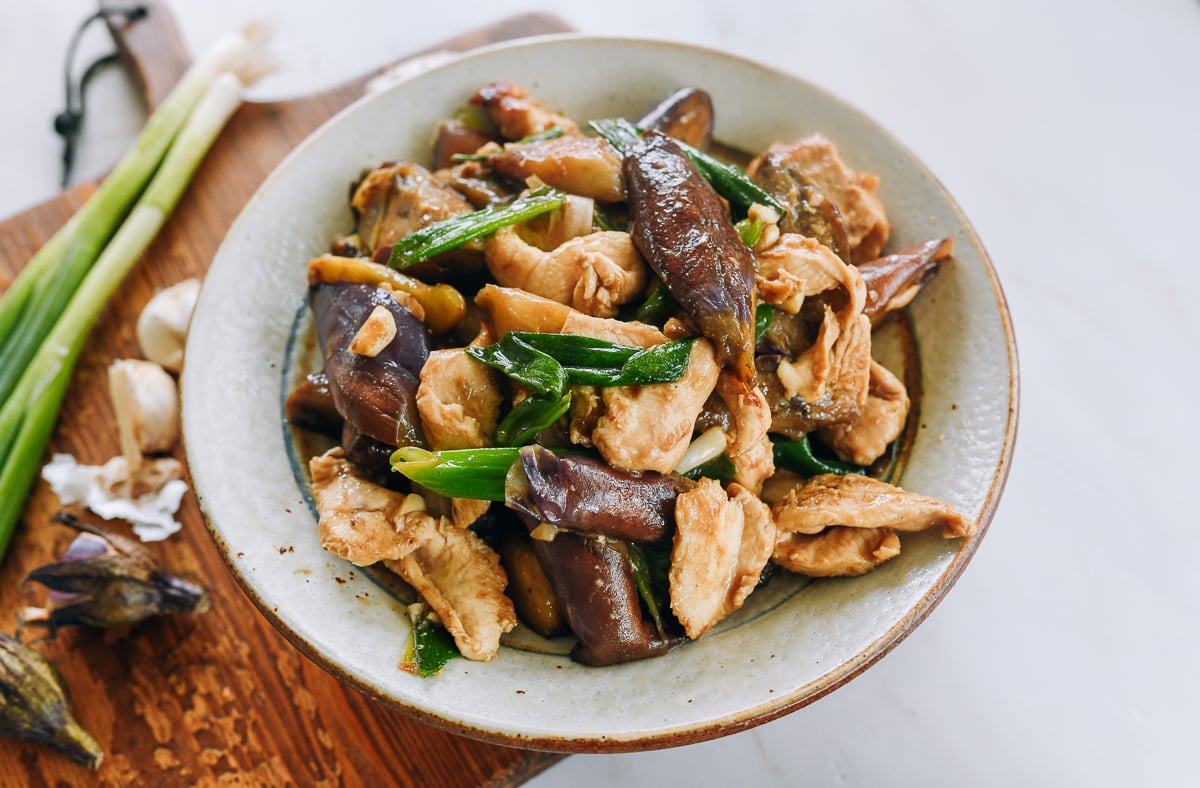
A classic Cantonese stir-fry, this Chicken and Eggplant dish masterfully balances the inherent sweetness of eggplant with the savory depth of aromatic garlic, scallions, and ginger, all complemented by tender pieces of chicken. This one-pan wonder has emerged as a favored method for enjoying Chinese eggplant, offering a vibrant and satisfying meal that harks back to traditional culinary practices while remaining accessible for home cooks.
The Nuances of Chinese Eggplant and Its Culinary Role
The cornerstone of this particular stir-fry is often Chinese eggplant, a variety distinguished by its elongated shape, thinner skin, and significantly fewer seeds compared to the more common globe eggplant found in many Western supermarkets. These characteristics translate to a more tender texture and a quicker cooking time, making them ideal for the fast-paced nature of stir-frying. During the summer months, when Chinese eggplants are typically in season and readily available, this dish becomes a celebrated way to highlight their delicate flavor.
Japanese eggplants share many of these desirable traits, also boasting a slender profile and a seed-light interior. While slightly denser than their Chinese counterparts and possessing a darker skin, they too can be successfully incorporated into this recipe, requiring only minor adjustments in cooking time to achieve the desired tenderness. The cultivation of these specialized eggplant varieties, even extending to home gardening for enthusiasts, underscores a growing appreciation for the diverse produce available within Asian cuisines.
Deconstructing the Cantonese Stir-Fry: Technique and Authenticity
The simplicity of this recipe belies the sophisticated techniques inherent in Cantonese cooking. The process often involves "velveting" the chicken, a method that coats the meat in a mixture of cornstarch, water, and other seasonings before cooking. This technique ensures that the chicken remains incredibly tender and moist, even when subjected to the high heat of a wok. Furthermore, the dish relies on a pantry of essential Chinese ingredients, forming the flavor base that is characteristic of authentic Cantonese cuisine.
A key differentiator between this home-style preparation and its restaurant counterpart lies in the eggplant’s cooking method. While many Chinese restaurants opt for deep-frying the eggplant, a technique that yields exceptionally tender pieces and preserves their vibrant purple hue, this recipe employs a searing method. Deep-frying, while effective for achieving a silken texture and a visually striking dish, is often a time-saving and efficient technique for busy kitchens. It is a practice also seen in other beloved dishes, such as "dry-fried" string beans, where the beans are essentially deep-fried to achieve their signature crisp-tender texture and intensified flavor.
For the home cook, searing the eggplant in a wok with a controlled amount of oil offers a healthier alternative. While this method may not retain the eggplant’s vivid purple color as intensely as deep-frying, it still results in a deliciously tender vegetable. The slight compromise in visual vibrancy is a trade-off for a more accessible and less oil-intensive preparation, proving that restaurant-quality flavor can be achieved without the need for deep-frying. This approach highlights the adaptability of traditional techniques for modern kitchens.
The Culinary Process: From Preparation to Plate
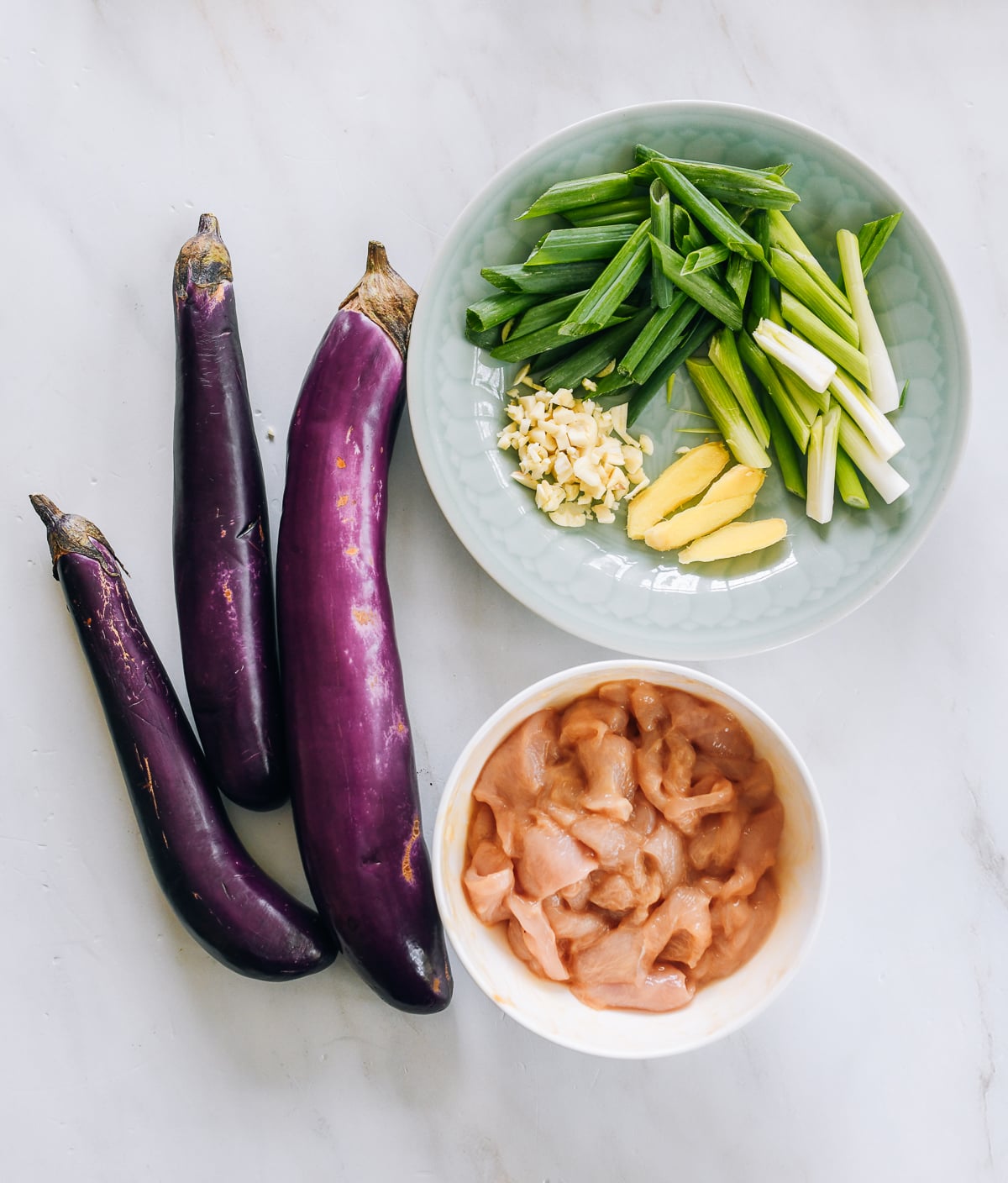
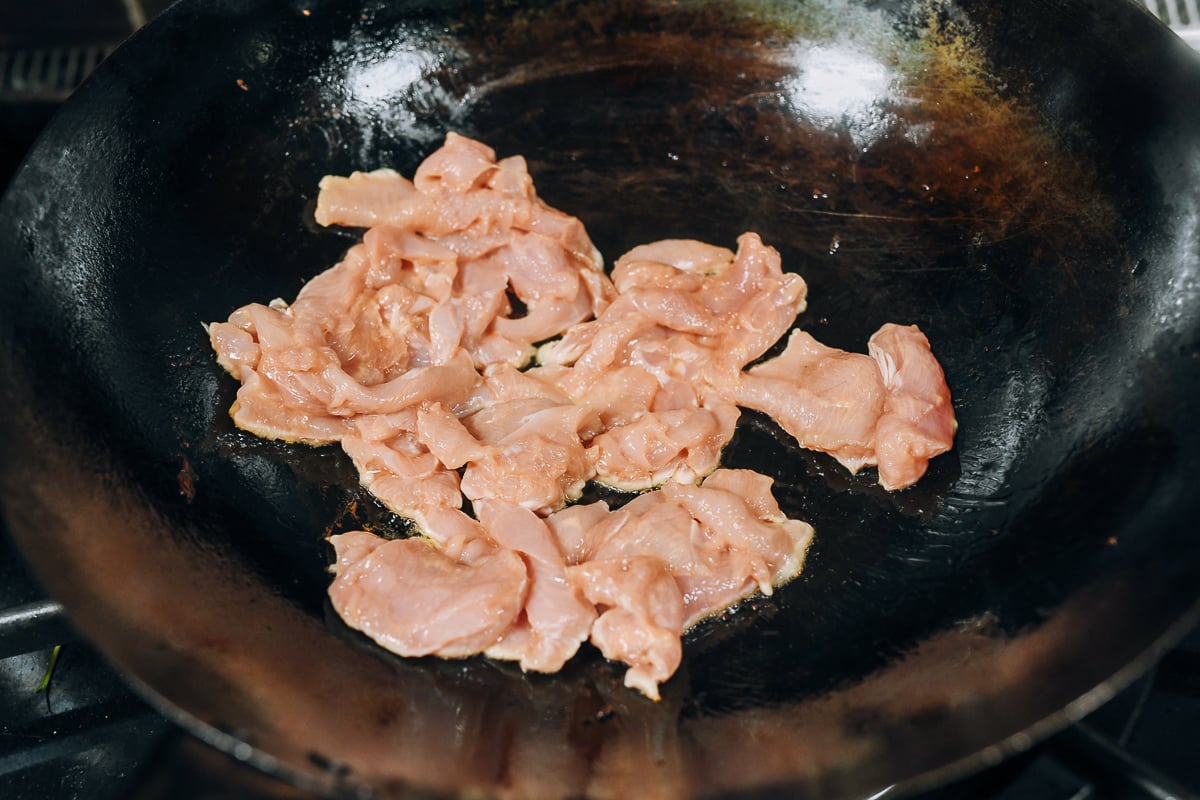
The preparation of this Cantonese-style Chicken and Eggplant Stir-Fry begins with the meticulous slicing of chicken breast against the grain. The chicken is then marinated in a mixture of water, cornstarch, oil, and oyster sauce, allowing it to absorb the liquid and develop its characteristic velvety texture. This crucial step ensures that the chicken remains succulent throughout the cooking process.

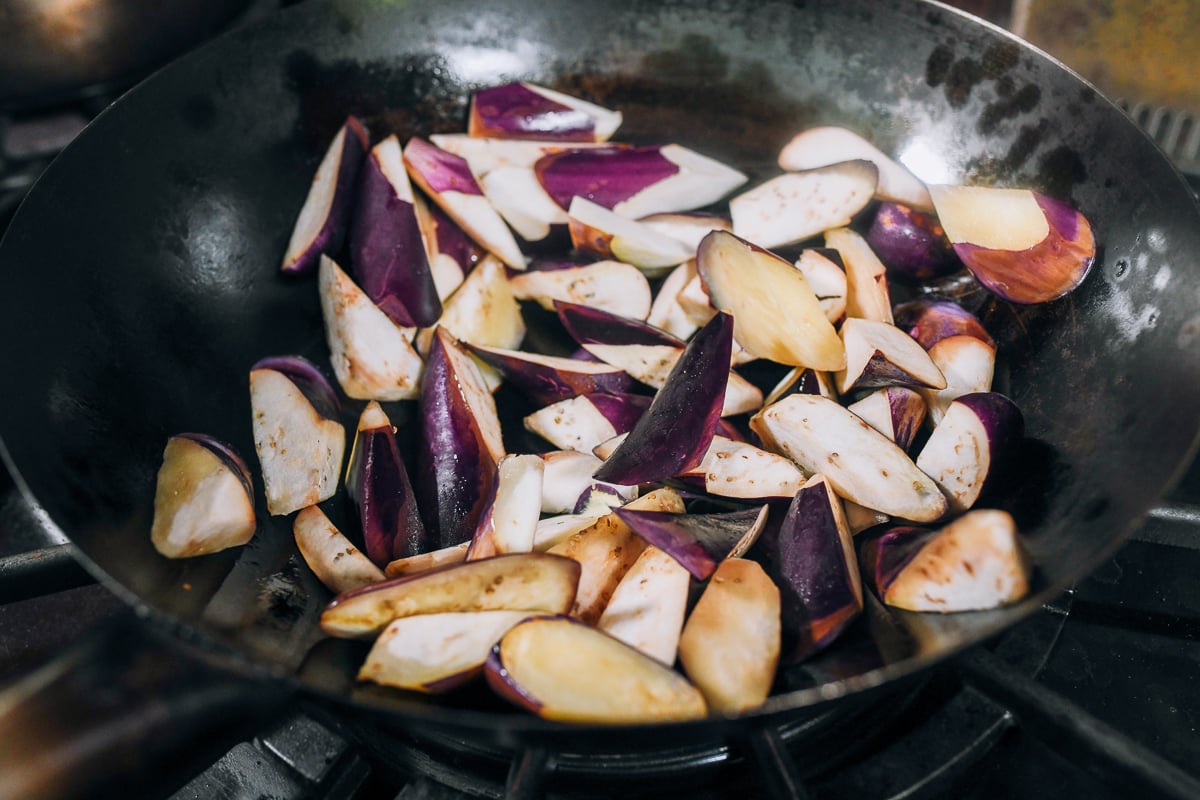
Concurrently, the Chinese eggplant is prepared by cutting it into angled chunks. This specific cut, often described as triangular, increases the surface area exposed to heat, promoting even cooking and allowing the eggplant to absorb the flavors of the sauce. The wok is then heated to a high temperature, signaling readiness for the searing process.
The eggplant is introduced to the wok with a moderate amount of oil and cooked for approximately five to six minutes. The heat is carefully managed to prevent scorching while allowing the eggplant to soften to a tender, yet not mushy, consistency. Once seared, the eggplant is removed and set aside.
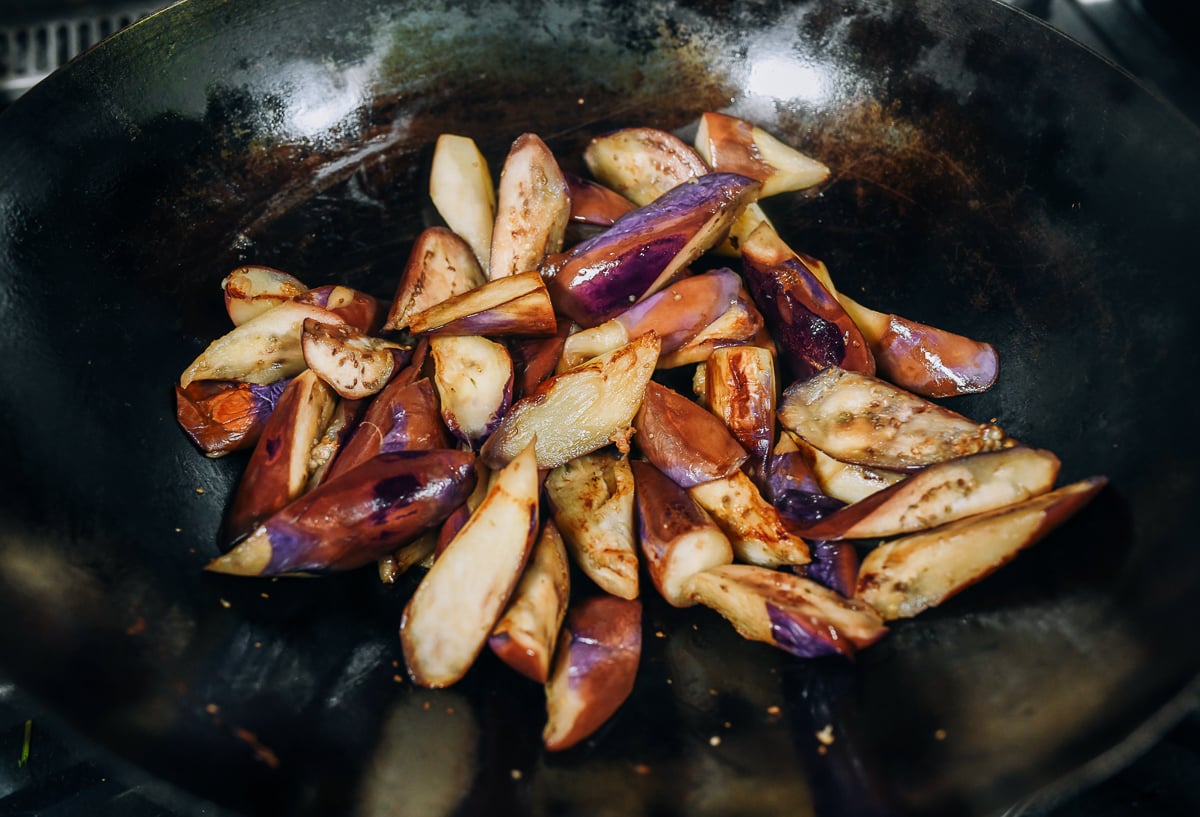
Following this, the wok is cleaned to remove any residual eggplant, ensuring a clean surface for searing the chicken. The chicken, now partially cooked from its initial sear, is returned to the wok and cooked until it reaches about 80% doneness. It is then removed and set aside with the eggplant.
The aromatic foundation of the stir-fry is built by sautéing ginger, garlic, and the white parts of the scallions until fragrant. A splash of Shaoxing wine is added around the perimeter of the wok to deglaze, lifting any flavorful bits from the bottom. The pre-cooked chicken and seared eggplant are then returned to the wok, along with a premixed sauce consisting of oyster sauce, light soy sauce, sesame oil, salt, and white pepper. The green parts of the scallions are added for a final burst of freshness. If the wok appears dry, a small amount of water is added to create a light sauce that coats all the ingredients.
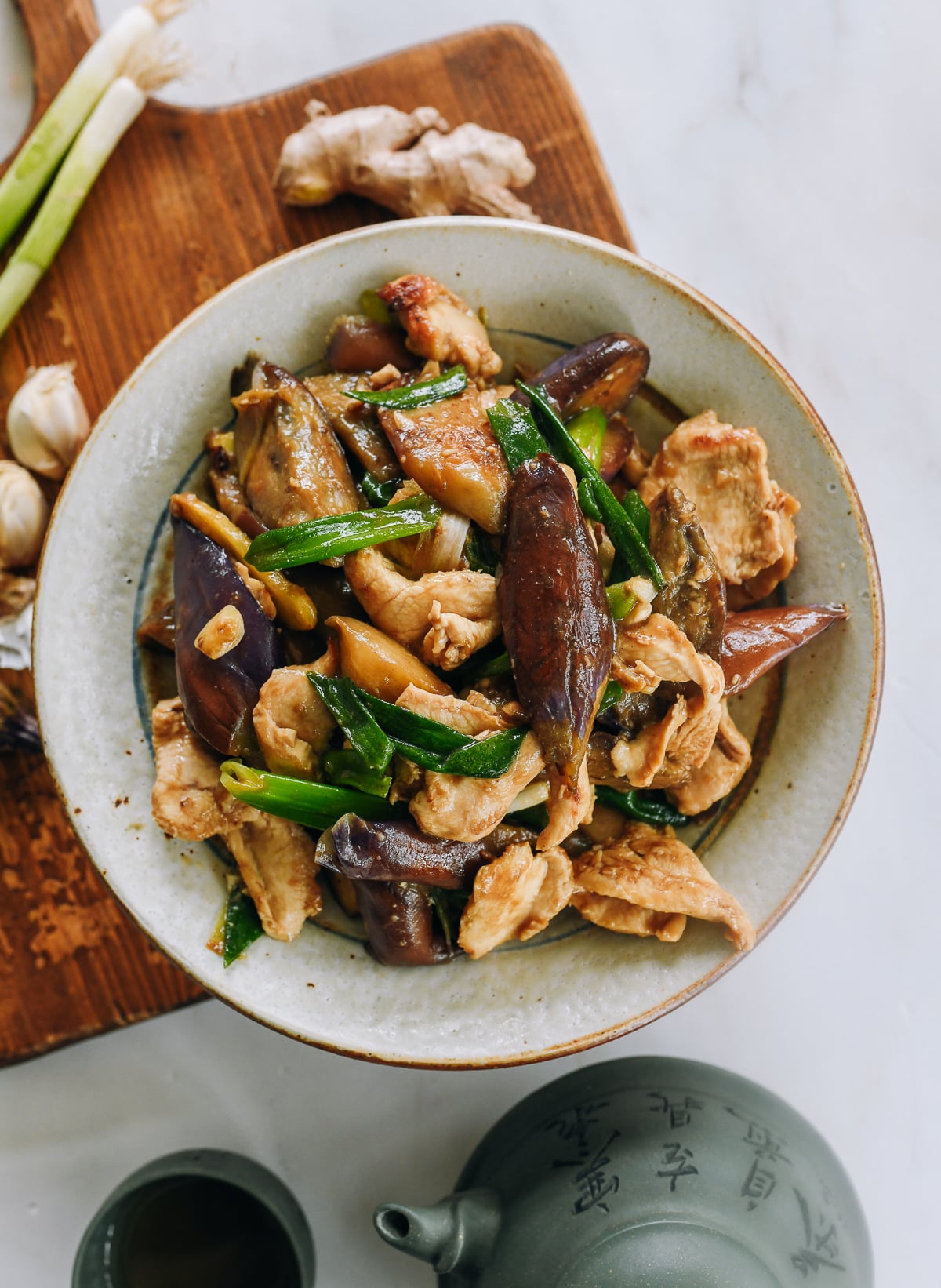
The dish is then stir-fried briefly to ensure everything is evenly coated and heated through. The final result is a harmonious blend of textures and flavors, with the tender chicken and soft eggplant bathed in a savory, aromatic sauce.
Serving and Appreciation
This Chicken and Eggplant Stir-Fry is best served immediately, accompanied by steamed rice. The fluffy rice serves as a perfect canvas to soak up the rich sauce, making each bite a delightful culinary experience. The dish exemplifies the essence of Cantonese home cooking: accessible ingredients, straightforward techniques, and a profound emphasis on flavor.
The nutritional profile of this dish, estimated at approximately 298 calories per serving, highlights a balanced meal with a significant protein content. The carbohydrates and fats are present in moderate amounts, making it a wholesome option. The inclusion of fiber from the eggplant and vitamins and minerals from the various ingredients further contributes to its appeal as a nutritious choice.
While the precise origin of this specific recipe is rooted in the rich culinary traditions of Canton, the adaptation for home kitchens reflects a global trend towards making authentic ethnic cuisines more approachable. The emphasis on fresh ingredients, vibrant aromatics, and balanced flavors ensures that this stir-fry remains a popular and enduring dish, celebrated for its delicious simplicity and deeply satisfying taste. The careful selection of eggplant, the mastery of velveting chicken, and the skillful use of aromatic spices all contribute to a dish that is both a testament to culinary heritage and a testament to the joy of home cooking.