Mastering Authentic Japchae: How Korean Sweet Potato Noodles Became a Global Weeknight Staple

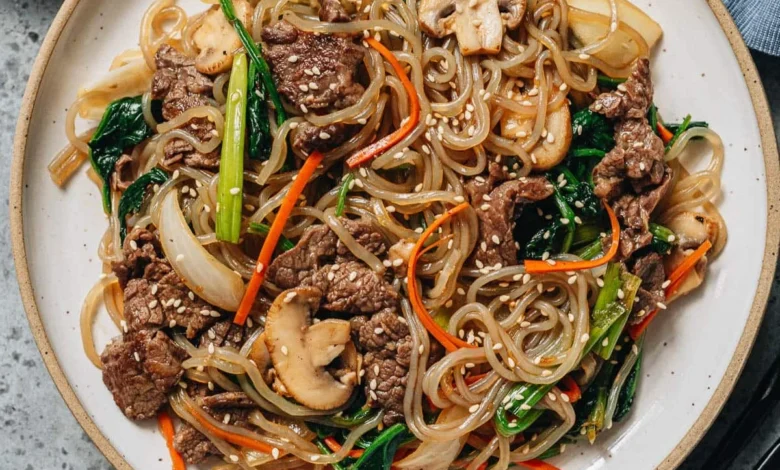
The global culinary landscape has experienced a profound shift toward accessible, nutrient-dense Asian comfort foods, with traditional Korean dishes leading domestic and international recipe searches. Among these, japchae—a classic Korean celebratory dish traditionally centered around translucent sweet potato starch noodles known as dangmyeon—has successfully transitioned from a labor-intensive ceremonial offering to a mainstream weeknight staple. Culinary researchers and home-cooking platforms report a surging demand for streamlined preparation methods that preserve the cultural integrity and distinct textural profile of authentic Korean cuisine while drastically reducing preparation time.
Historical Context and Cultural Significance
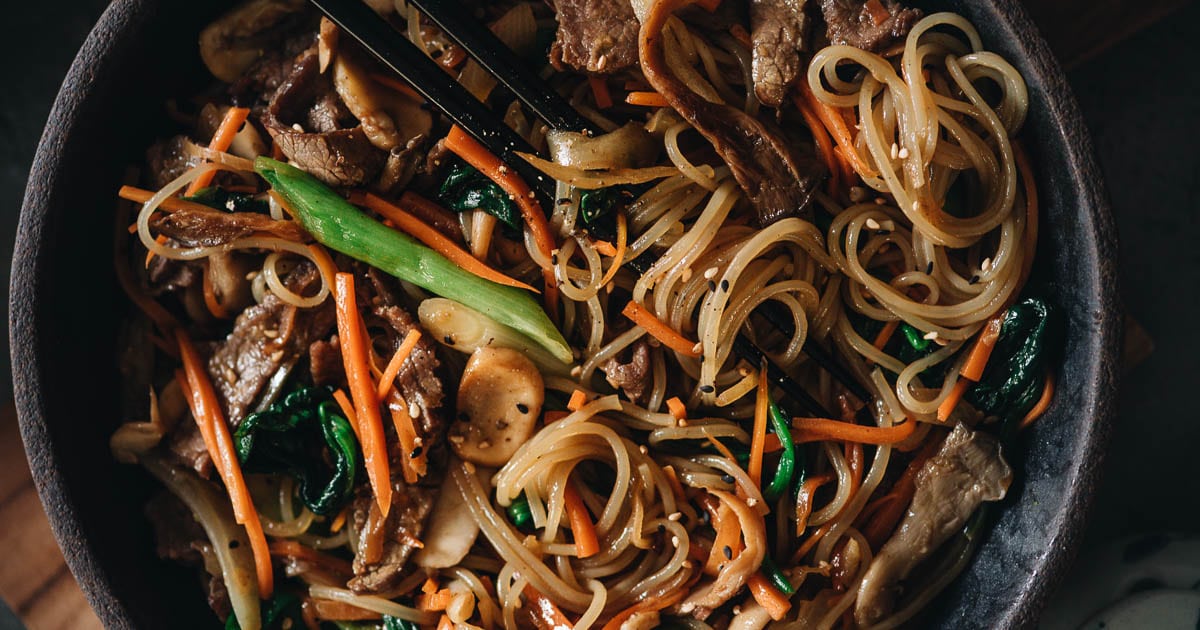
Japchae holds a revered position in Korean culinary history, dating back to the early 17th century during the Joseon Dynasty. Historical records indicate that the dish was originally created for a royal banquet hosted by King Gwanghaegun. At its inception, japchae was conceptualized entirely as a vegetable-forward dish; historical court recipes omitted noodles altogether, instead relying on julienned cucumbers, radishes, mushrooms, and seasonal greens sautéed individually and bound with a sesame and soy-based seasoning.
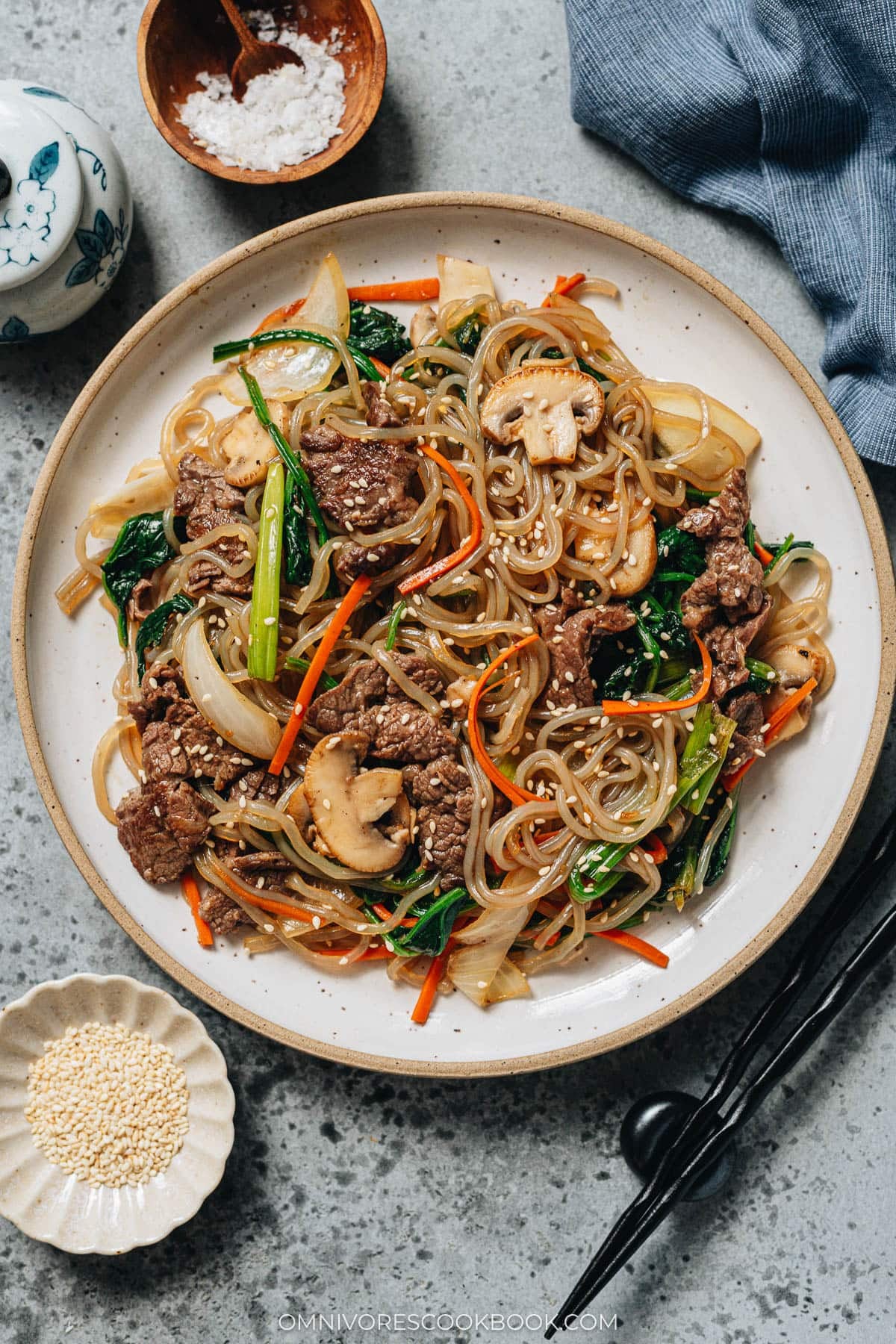
Over the centuries, the recipe evolved significantly. By the mid-20th century, the commercial mass production of dangmyeon—noodles derived purely from sweet potato starch—transformed the dish into the noodle-centric delicacy recognized globally today. Traditionally, authentic preparation mandates that every single component—including the protein, mushrooms, and individual vegetables—is cooked and seasoned separately. This meticulous process ensures that each ingredient maintains its unique cellular structure, crunch, and flavor profile before being meticulously folded together. While this traditional technique yields exceptional culinary results, its time-intensive nature historically restricted japchae preparation to major holidays such as Seollal (Lunar New Year) and Chuseok (Korean Thanksgiving), or large family gatherings.
Modern Adaptation and Culinary Streamlining
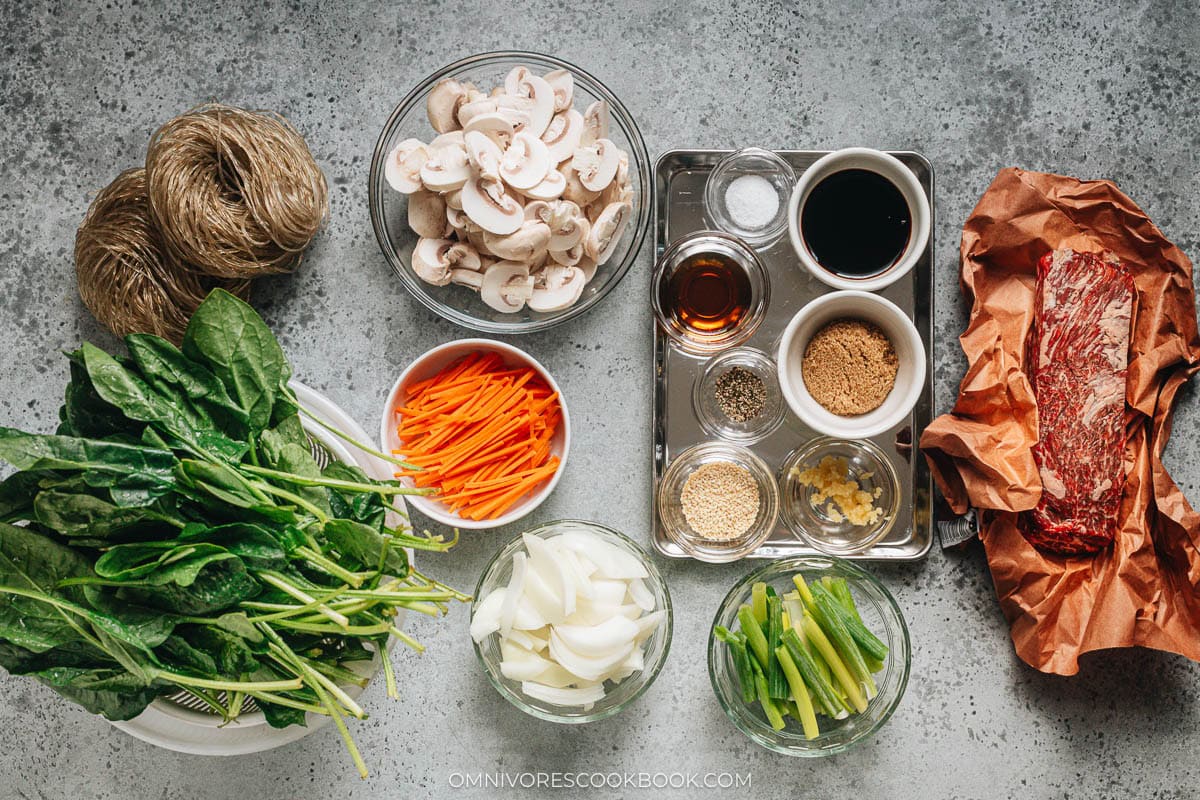
In response to contemporary lifestyle demands, home economists and culinary writers have engineered streamlined methodologies that capture the essence of traditional japchae without requiring a multi-vessel setup. Recent adaptations demonstrate that by utilizing a single pan in carefully sequenced stages, home cooks can achieve the signature charred proteins and crisp-tender vegetables in approximately 30 minutes.
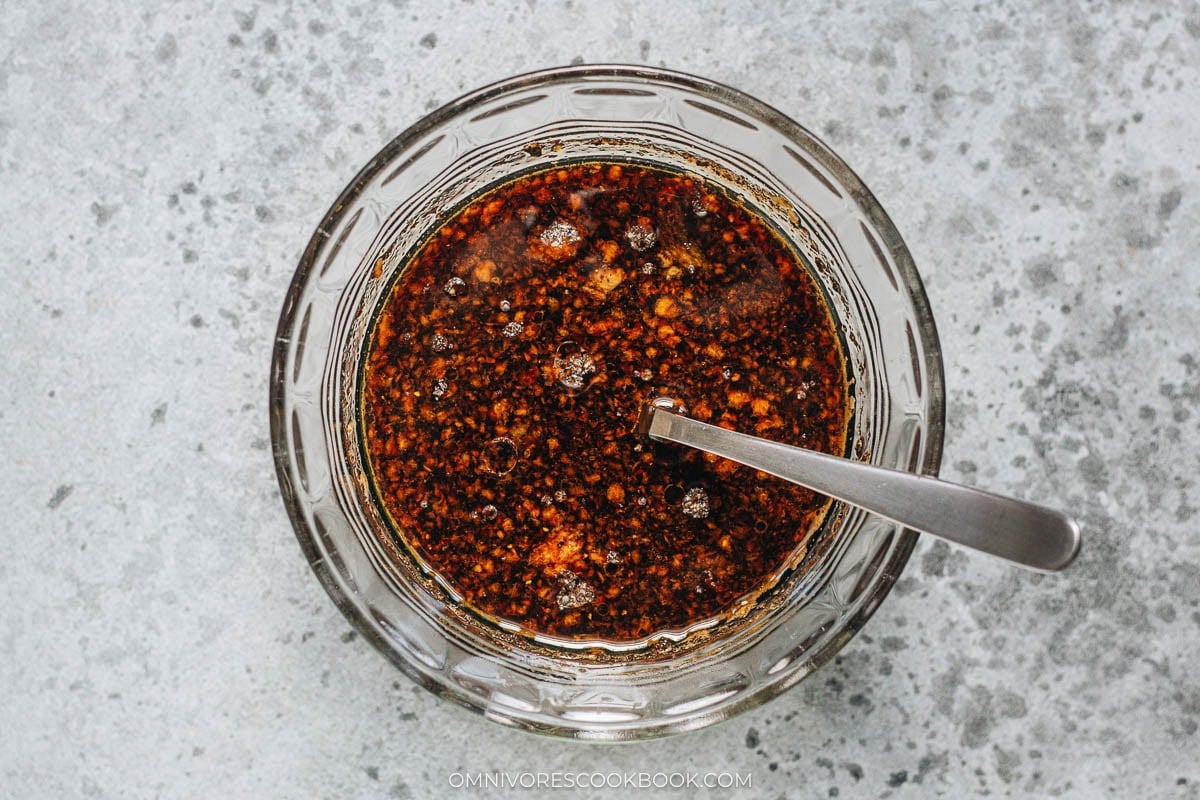
Culinary experts emphasize that the success of a streamlined japchae relies heavily on precision during the mis en place phase. Because sweet potato noodles possess a neutral flavor profile, their culinary value depends entirely on their capacity to absorb ambient sauces composed of soy sauce, toasted sesame oil, brown sugar, garlic, and freshly cracked black pepper. Furthermore, nutritional data highlights the inherent health advantages of the dish: dangmyeon are naturally gluten-free and have a lower glycemic index compared to wheat-based pastas, while the high volume of vegetables—ranging from shiitake mushrooms and carrots to spinach and onions—provides significant dietary fiber, essential micronutrients, and balanced macronutrients.
Nutritional Profile and Dietary Adaptability
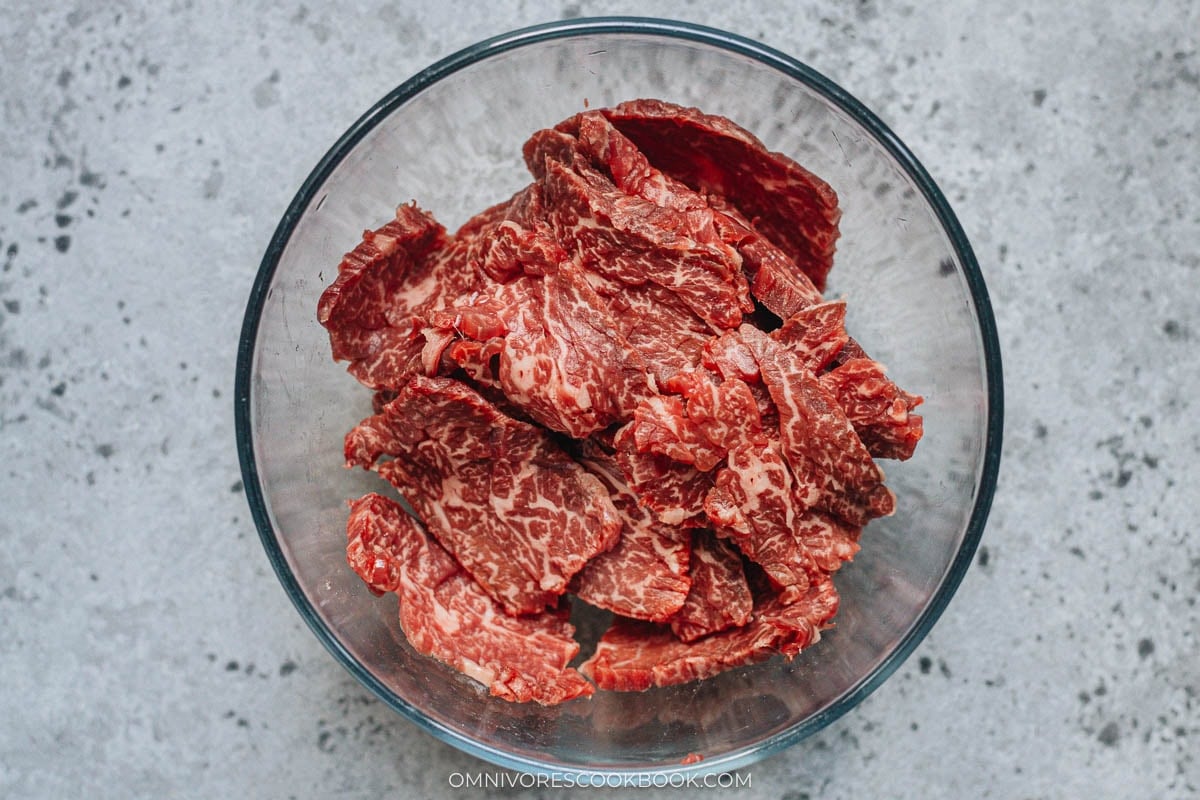
Dietary analysts note that modern interpretations of japchae align seamlessly with current consumer preferences for allergen-conscious and customizable meals. Standard servings of the dish yield a balanced distribution of complex carbohydrates, plant-based and lean animal proteins, and healthy fats derived from cold-pressed sesame oil.
Nutritional breakdowns for a standard serving of beef-infused japchae typically indicate:
- Calories: Approximately 440–450 kcal
- Carbohydrates: 50–55 grams, primarily complex starches from sweet potato noodles
- Protein: 18–20 grams, sourced from lean beef, poultry, or alternative proteins
- Total Fat: 17–18 grams, predominantly unsaturated fats from sesame oil and cooking oils
- Dietary Fiber: 3.5 grams, contributed by leafy greens and root vegetables
For populations adhering to specialized diets, the dish demonstrates remarkable versatility. By substituting standard soy sauce with certified gluten-free tamari, individuals with celiac disease or non-celiac gluten sensitivity can consume the dish safely, as pure sweet potato starch noodles contain zero wheat derivatives. Similarly, the removal of animal proteins in favor of pressed firm tofu or an increased variety of mushrooms allows the recipe to meet strict vegan and vegetarian dietary standards without compromising the dish’s structural integrity or savory depth.
Global Market Trends and Economic Implications
The proliferation of Korean gastronomy across Western domestic kitchens is mirrored by broader economic trends within the global food and beverage sector. Market research firms specializing in ethnic foods note a steady double-digit annual increase in the retail sales of Asian specialty ingredients, including premium sesame oils, authentic fermented soy products, and imported Korean glass noodles. Major supermarket chains now routinely stock dangmyeon alongside traditional Italian pastas and rice noodles, reflecting changing demographic patterns and an increasingly adventurous consumer palate.
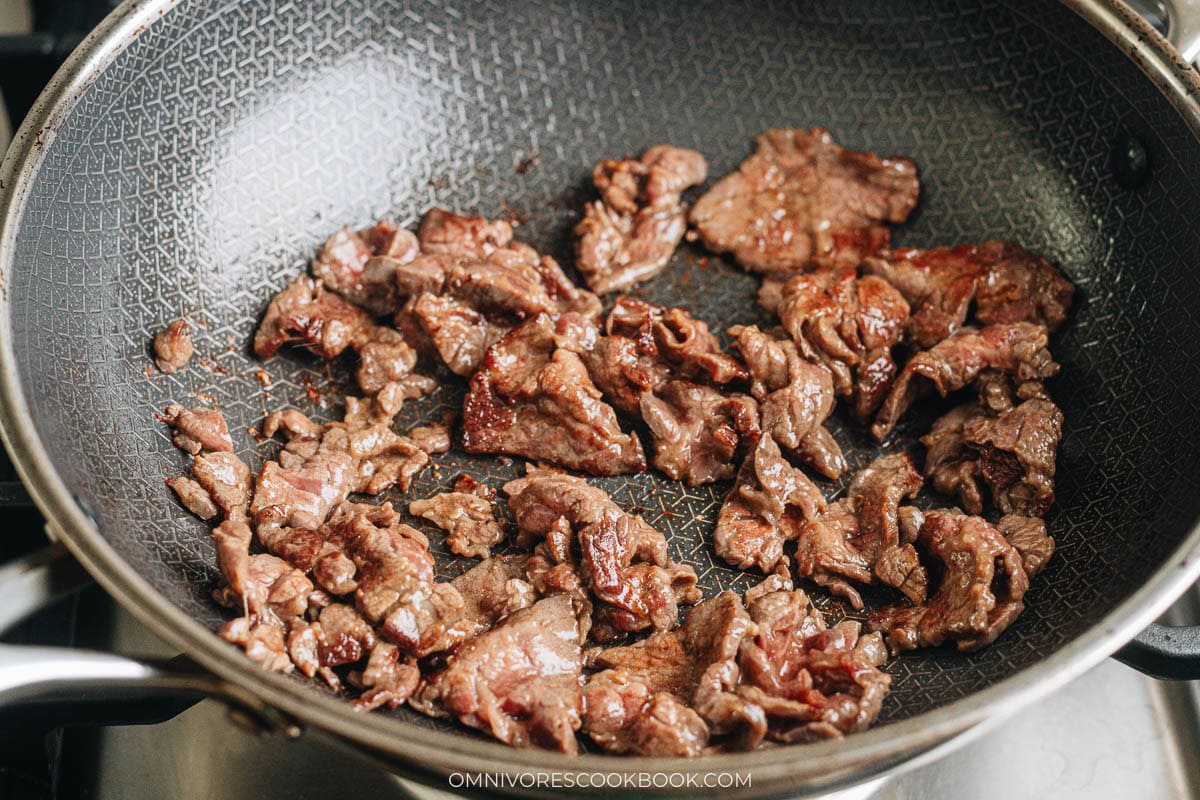
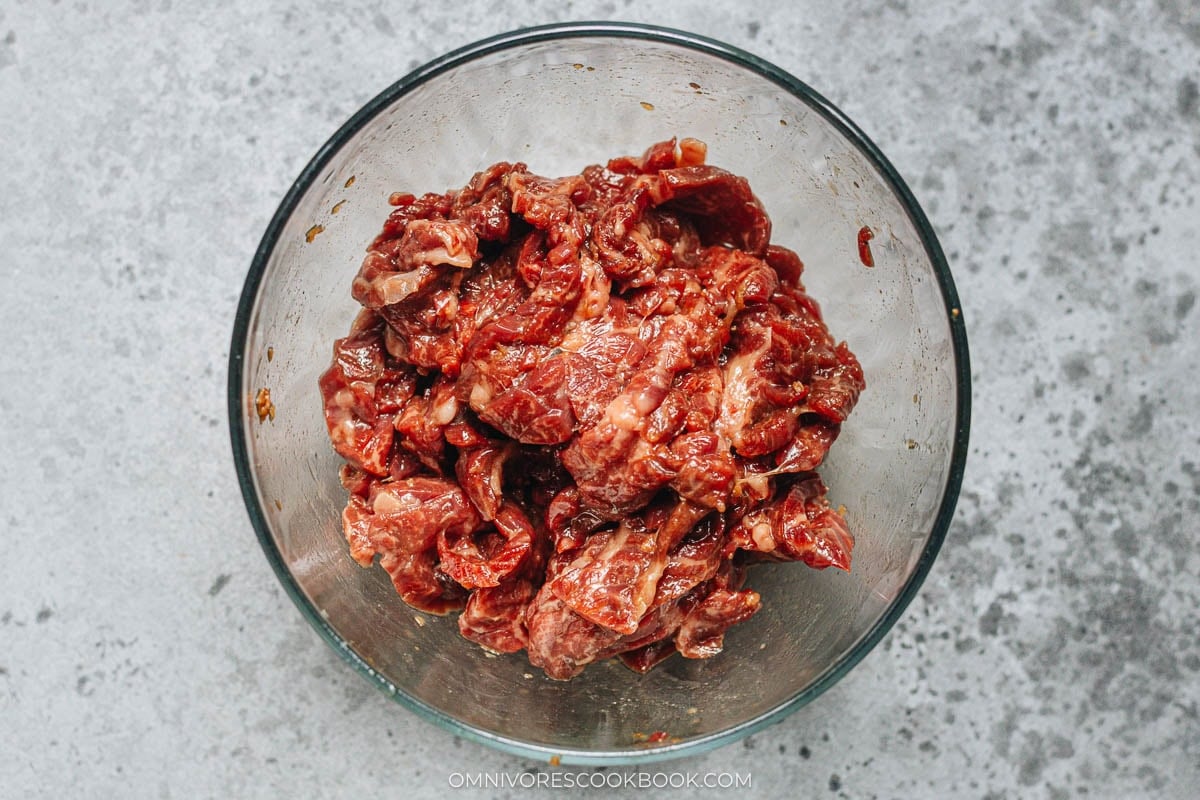
Industry stakeholders attribute this growth to the influence of digital media, culinary documentation platforms, and prominent Korean-American chefs and food historians who demystify complex Asian cooking techniques for international audiences. By emphasizing accessible shortcuts—such as utilizing cornstarch slurry to maintain meat tenderness during rapid searing—online recipe developers have successfully bridged the gap between authentic heritage cooking and the realities of modern domestic time constraints.
Broader Impact and Future Outlook
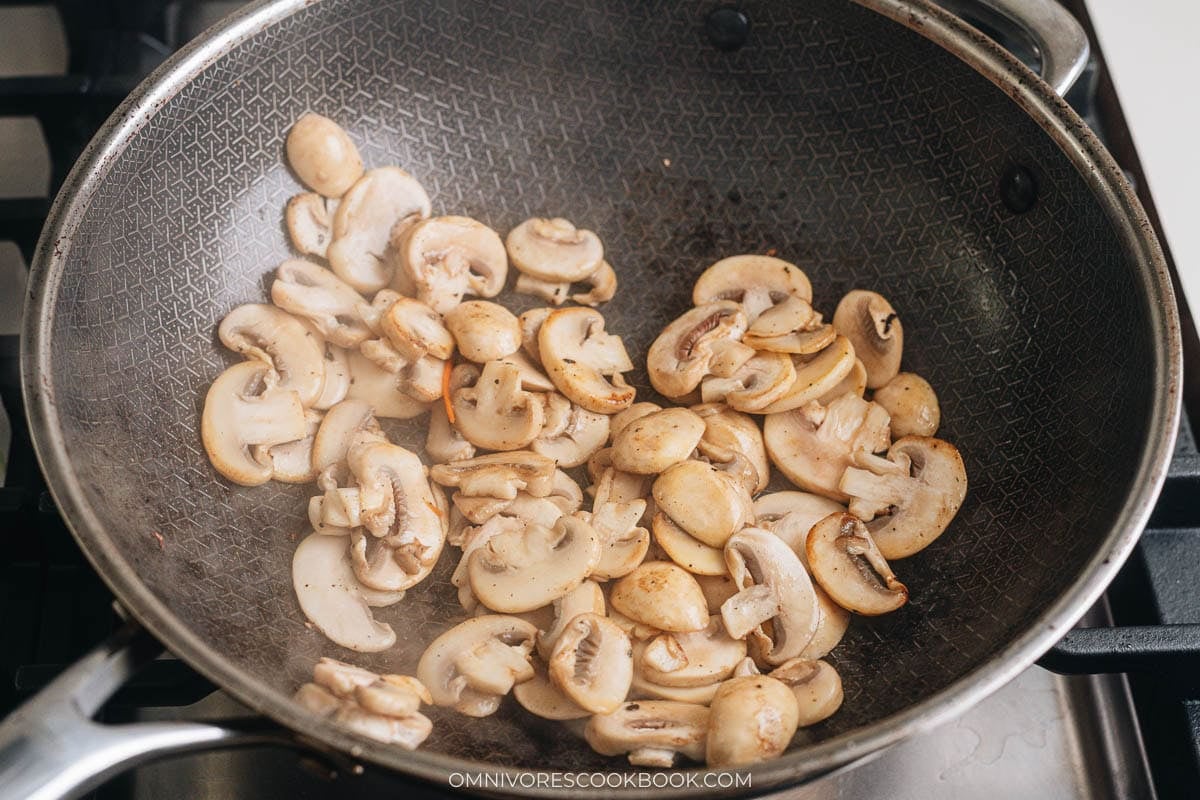
The sustained popularity of dishes like japchae underscores a broader cultural appreciation for mindful, balanced eating habits embedded in traditional East Asian foodways. Unlike heavily processed convenience foods, traditional stir-fried noodle dishes encourage the utilization of fresh produce, lean proteins, and wholesome pantry staples.
As home cooking continues to evolve in a hyper-connected global economy, the fusion of traditional techniques with modern efficiency ensures that centuries-old culinary heritage remains vibrant and relevant. Food policy experts suggest that the widespread adoption of such recipes contributes to greater culinary literacy, encouraging consumers to explore regional flavors, understand ingredient functionality, and embrace diverse cultural traditions within their own homes. Consequently, japchae stands not merely as a comforting weeknight meal, but as a testament to the enduring adaptability and global appeal of Korean culinary arts.