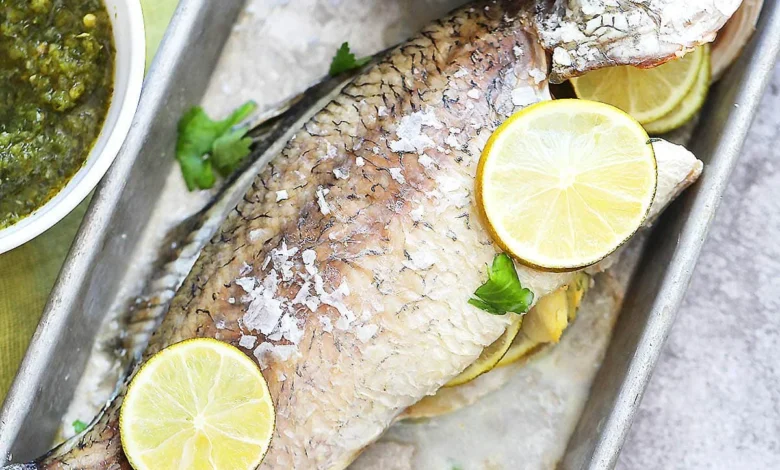
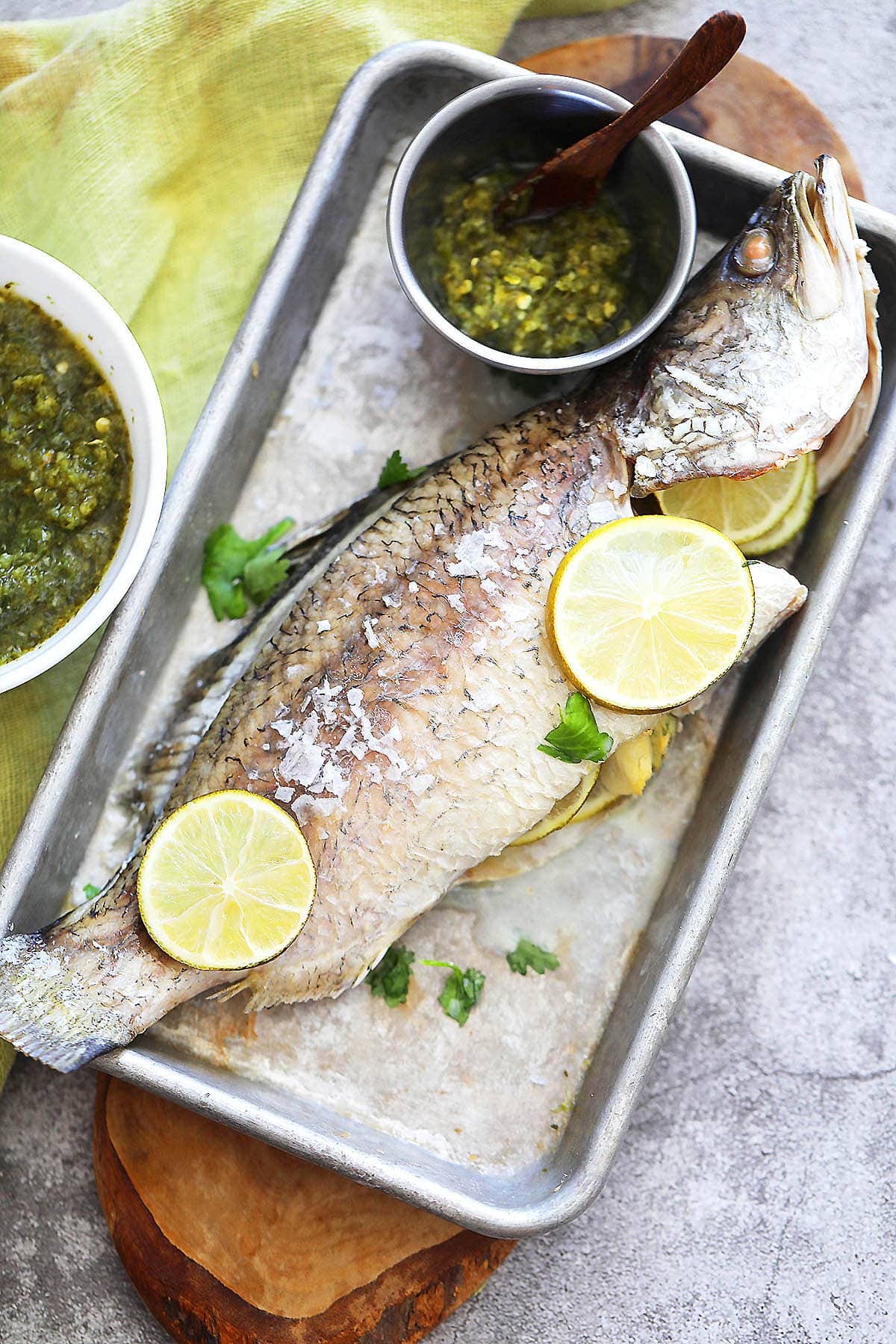
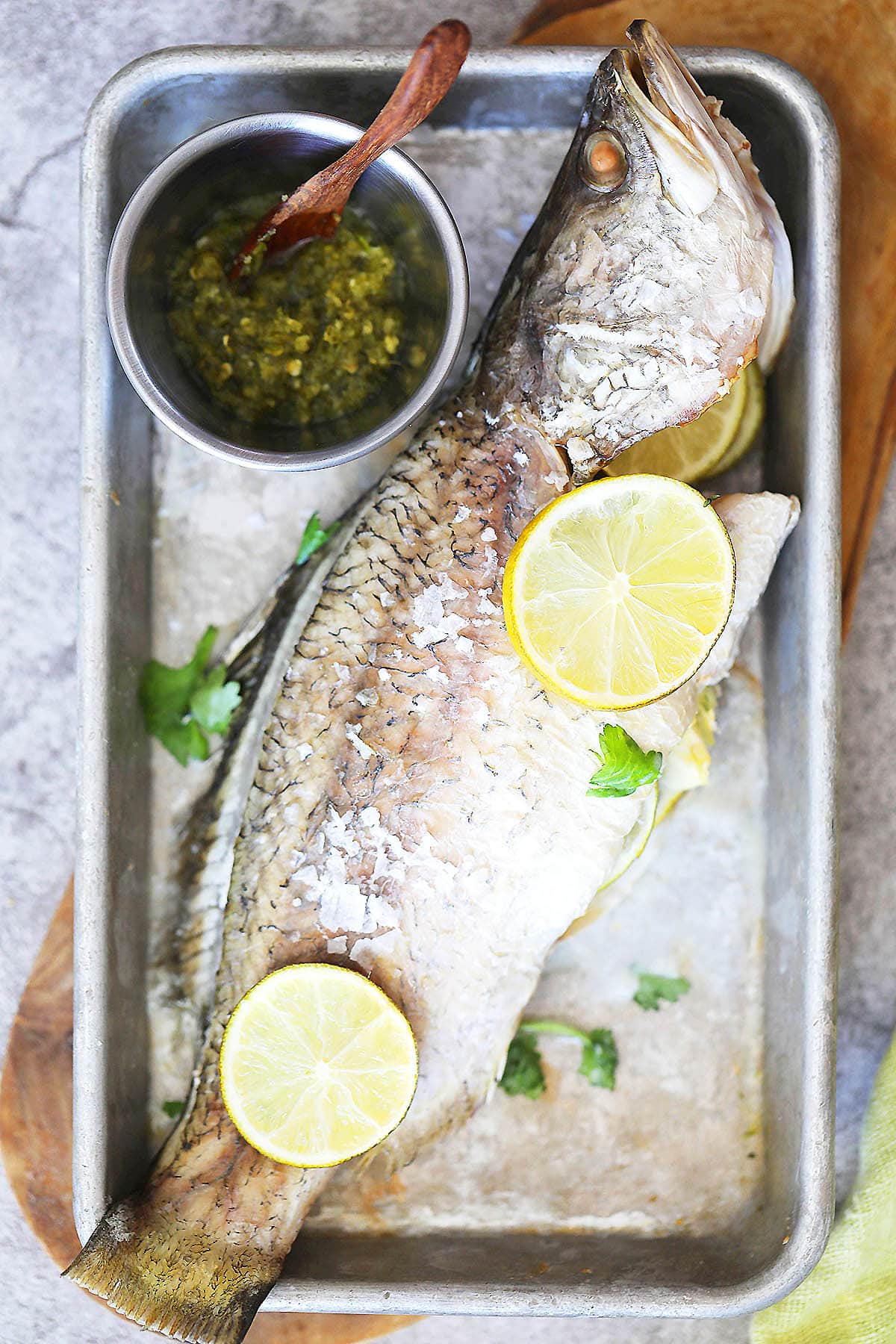
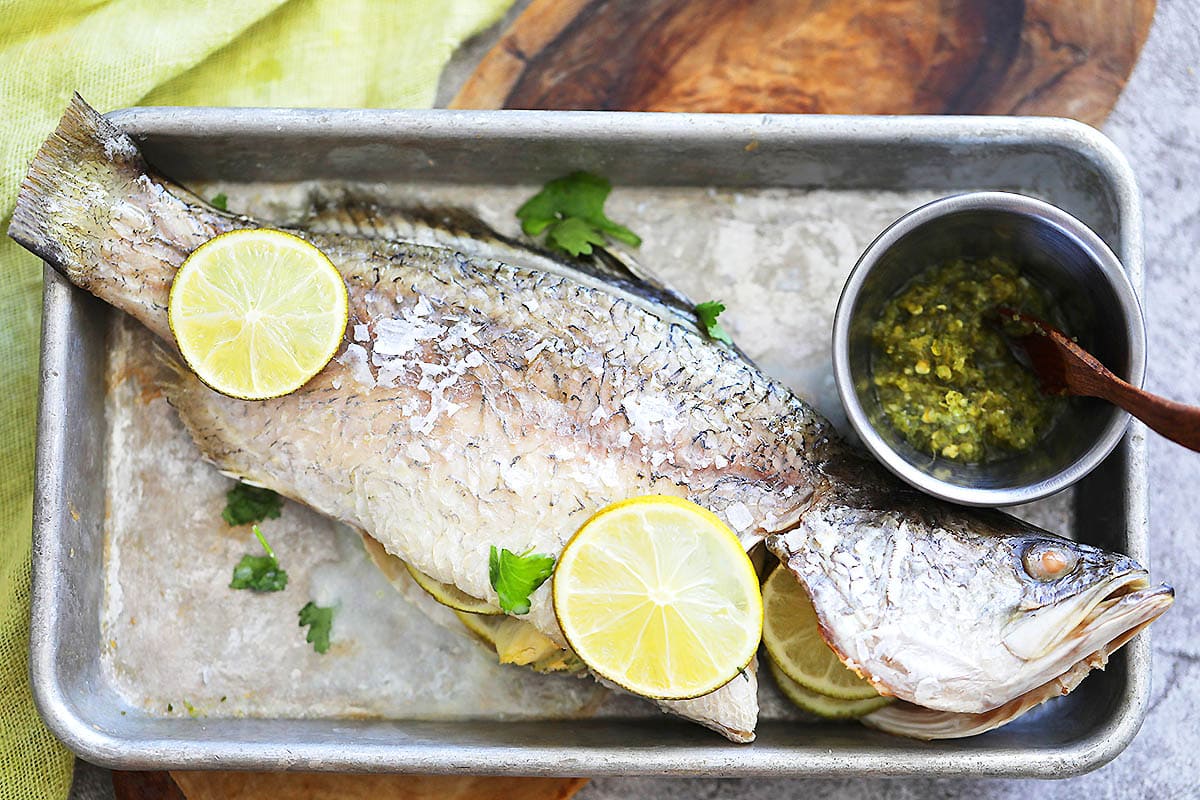
This easy salt baked fish recipe is made with fresh seabass stuffed with aromatic garlic and juicy lime slices baked to perfection. It is the perfect comforting weeknight dinner made in just 40 minutes.
The culinary landscape of weeknight dinners is often a battlefield of time constraints and a desire for wholesome, satisfying meals. Amidst this, a Thai-inspired salt-baked fish recipe emerges as a beacon of simplicity and flavor, promising a delicious and healthy meal in under an hour. This preparation, known in Thailand as pla pao, offers a refined approach to cooking whole fish, eschewing the thick, cumbersome salt crusts of traditional street food for a more accessible oven-baked method. The result is a tender, flaky fish that beautifully retains its natural sweetness, enhanced by the aromatic infusion of garlic and lime.
The Art of Simple Seasoning
At its core, this recipe champions the elegance of minimal ingredients that highlight the quality of the primary component: the fish. The technique involves making a single, strategic slit along each side of the fish, allowing for a light application of coarse salt. This method ensures that the salt seasons the fish subtly without overpowering its delicate flavor. The true magic, however, lies in the aromatic stuffing. Whole garlic cloves, lightly pounded to release their pungent oils, and thin slices of fresh lime are inserted into the fish’s cavity and gills. As the fish bakes, these ingredients work in tandem, creating a steamy environment from within that keeps the flesh exceptionally moist and imparts a subtle, zesty, and garlicky undertone.
The entire process, from preparation to serving, is designed for efficiency, clocking in at approximately 40 minutes. This makes it an ideal candidate for busy weeknights when time is a precious commodity. The dish is not only a protein powerhouse but also a light yet deeply satisfying meal that pairs exceptionally well with a vibrant Thai seafood sauce and a bowl of steaming jasmine rice, creating a balanced and complete dining experience.
A Guide to Selecting the Perfect Whole Fish
The success of this salt-baked fish recipe hinges significantly on the freshness and quality of the chosen fish. When selecting a whole fish at the market, several indicators can guide you to the best choice. Look for fish with clear, bright eyes that are not sunken or cloudy. The gills should be a vibrant red, indicating recent catch. The flesh should be firm and spring back when pressed, and the overall aroma should be clean and oceanic, not overtly fishy.
While seabass is a popular choice for this preparation, the method is versatile and can be adapted to other firm white fish. Options like snapper, tilapia, or even mackerel can yield delicious results. The key is to select a fish that is relatively uniform in thickness to ensure even cooking. The recipe’s simplicity means that the inherent quality of the seafood will shine through, making the selection process a critical first step.
Essential Ingredients for Flavor and Moisture
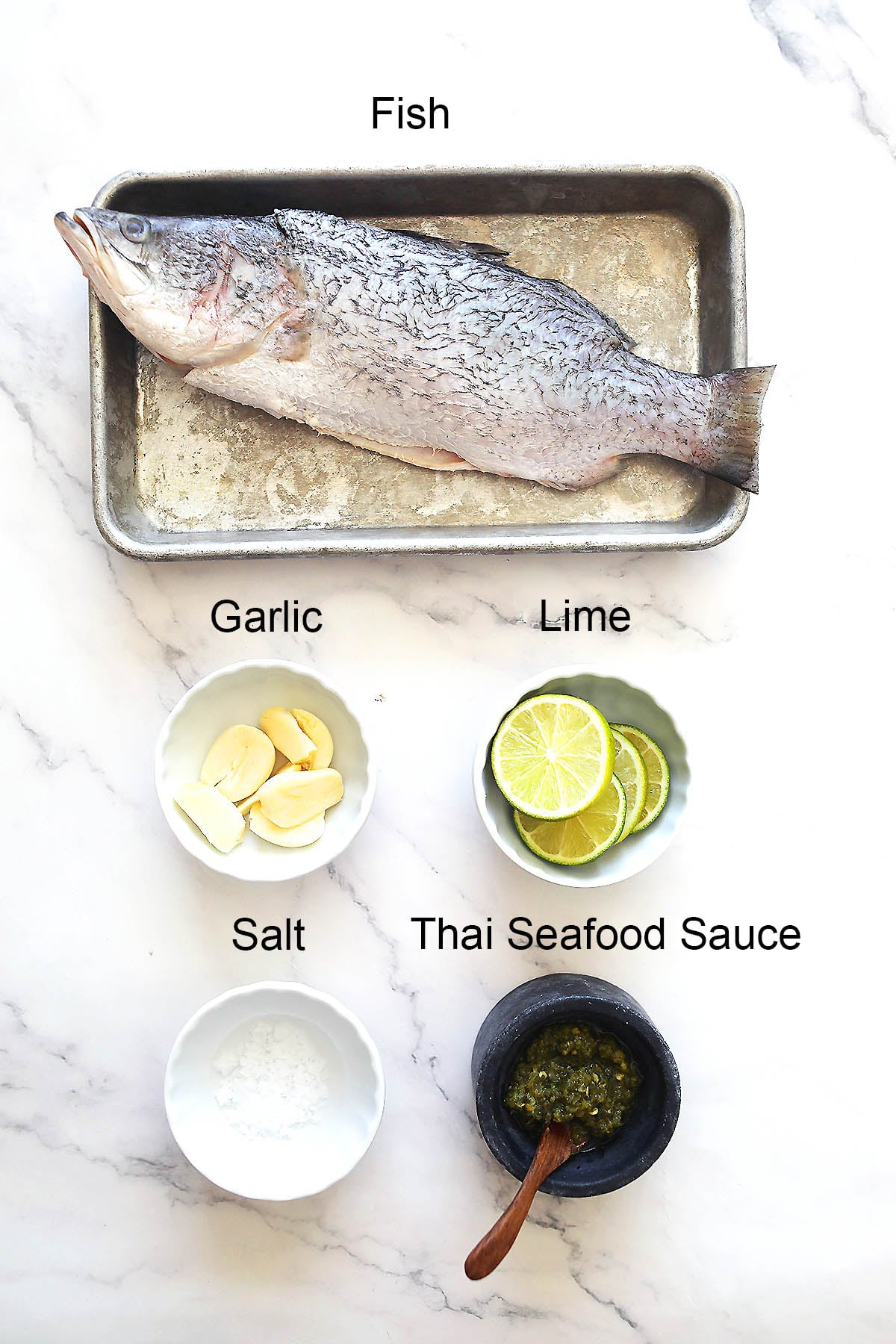
The ingredient list for this salt-baked fish is intentionally short, focusing on elements that enhance rather than mask the fish’s natural flavor.
- Whole Fish: A fresh, whole seabass (or a similar firm white fish) is the star. Aim for a fish that is about 1 to 1.5 pounds, suitable for a weeknight meal for two.
- Garlic: Whole cloves of garlic, lightly pounded, are essential for infusing the fish with an aromatic depth. Pounding the garlic, rather than mincing or slicing it, prevents it from burning during the baking process while still allowing its flavor to meld beautifully.
- Lime: Fresh lime slices provide a crucial element of citrusy brightness. The acidity of the lime helps to tenderize the fish and its juices create steam within the cavity, ensuring moisture.
- Salt: Coarse sea salt or sea salt flakes are recommended. These adhere well to the fish’s skin and provide a subtle seasoning without making the fish overly salty. Fine table salt should be avoided as it dissolves too quickly and can lead to an unpleasantly salty dish.
- Optional Aromatics: Some variations might include sprigs of lemongrass or kaffir lime leaves tucked alongside the garlic and lime for an extra layer of fragrance.
Pro Tips for Culinary Success
To ensure optimal results, several key techniques can be employed:
- Salt Choice: While sea salt flakes offer excellent adhesion, standard coarse salt is a perfectly acceptable alternative. The critical factor is to avoid fine table salt.
- Lime Slicing: Thinly sliced limes, approximately a quarter-inch thick, are ideal. This allows for quick heat penetration and efficient steaming of the lime’s juices.
- Garlic Preparation: Crushing or pounding the garlic cloves with the flat side of a cleaver or a rolling pin is crucial. This cracks the cloves, releasing their flavor without the risk of burning that comes with minced or sliced garlic.
Mastering the Method: Step-by-Step Preparation
The preparation of salt-baked fish is remarkably straightforward, making it an accessible recipe for cooks of all levels.
-
Preheating the Oven: Begin by preheating your oven to 350°F (175°C). This moderate temperature is key to cooking the fish through without drying it out.
-
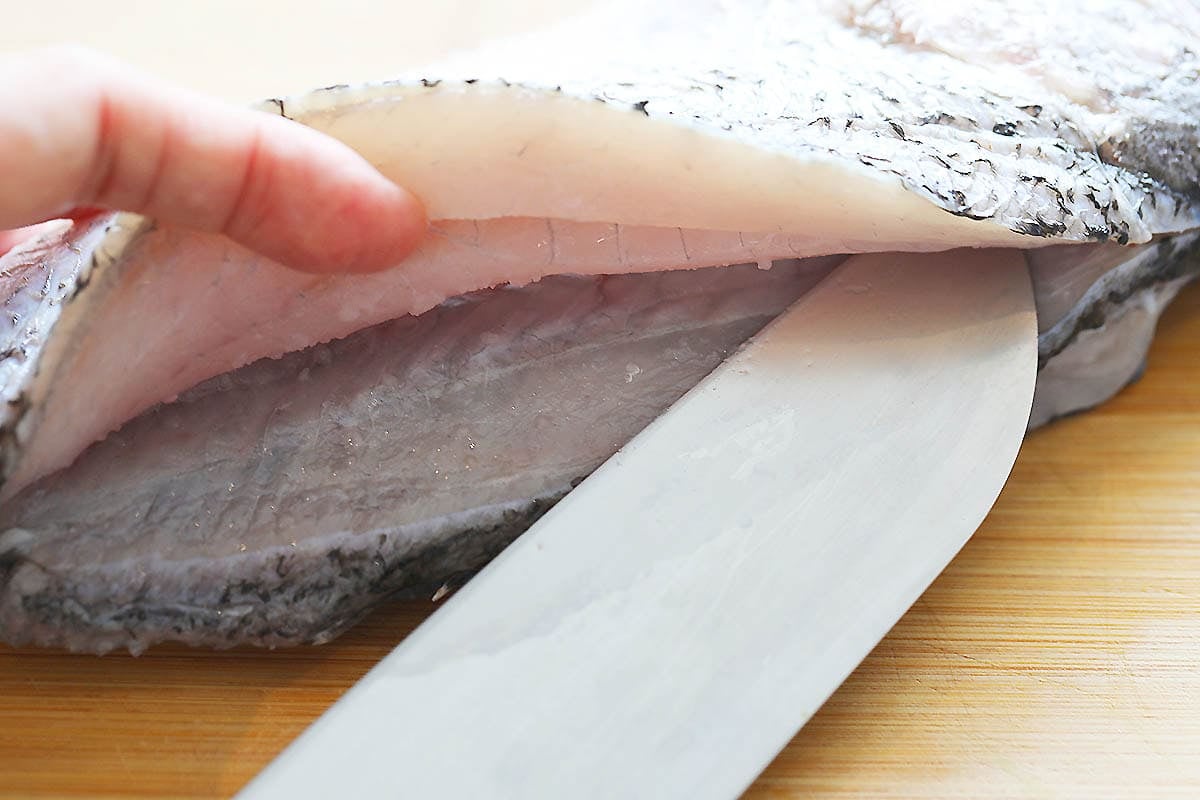
Preparing the Fish: Take a sharp knife and make one long, deep slit along the top of each side of the fish, cutting along the backbone. This allows heat to penetrate the thickest part of the fish, ensuring even cooking.
-
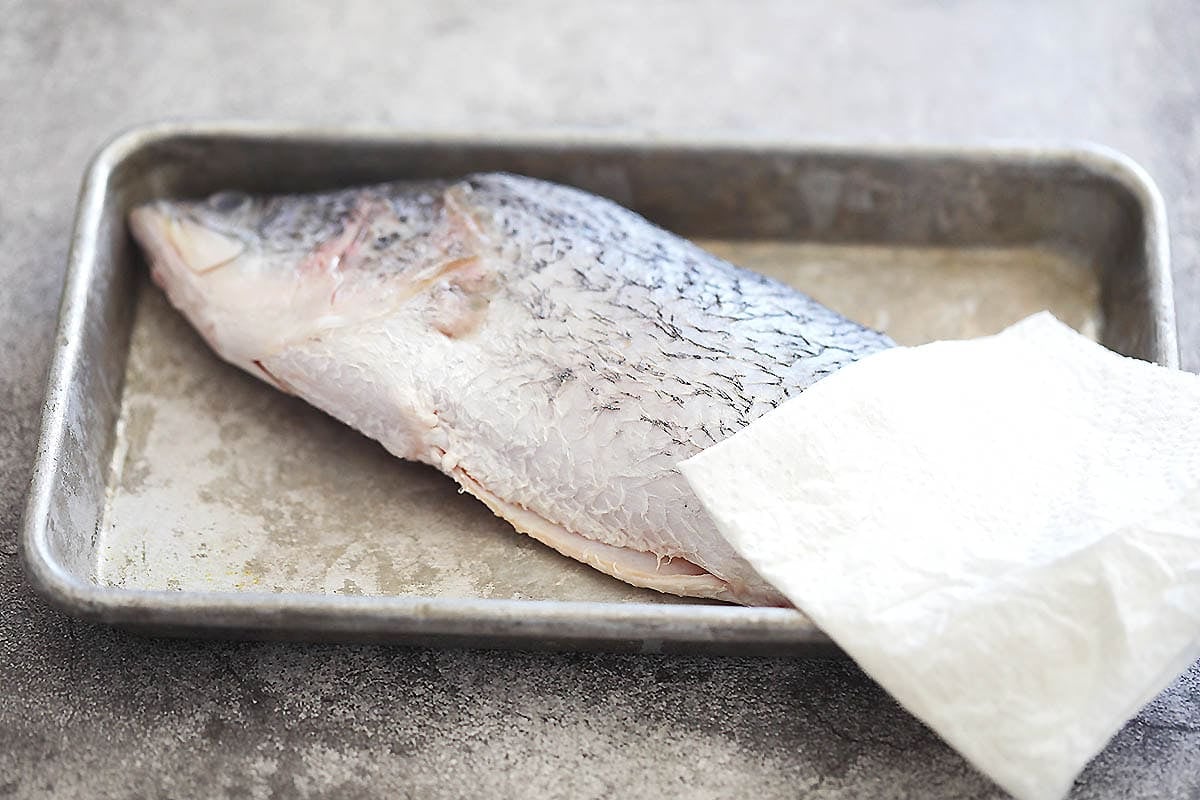
Drying the Fish: Thoroughly pat the entire fish dry with paper towels, paying close attention to the interior cavity, gills, and the slits you’ve made. Removing excess moisture is vital for achieving a beautifully baked rather than steamed texture.
-
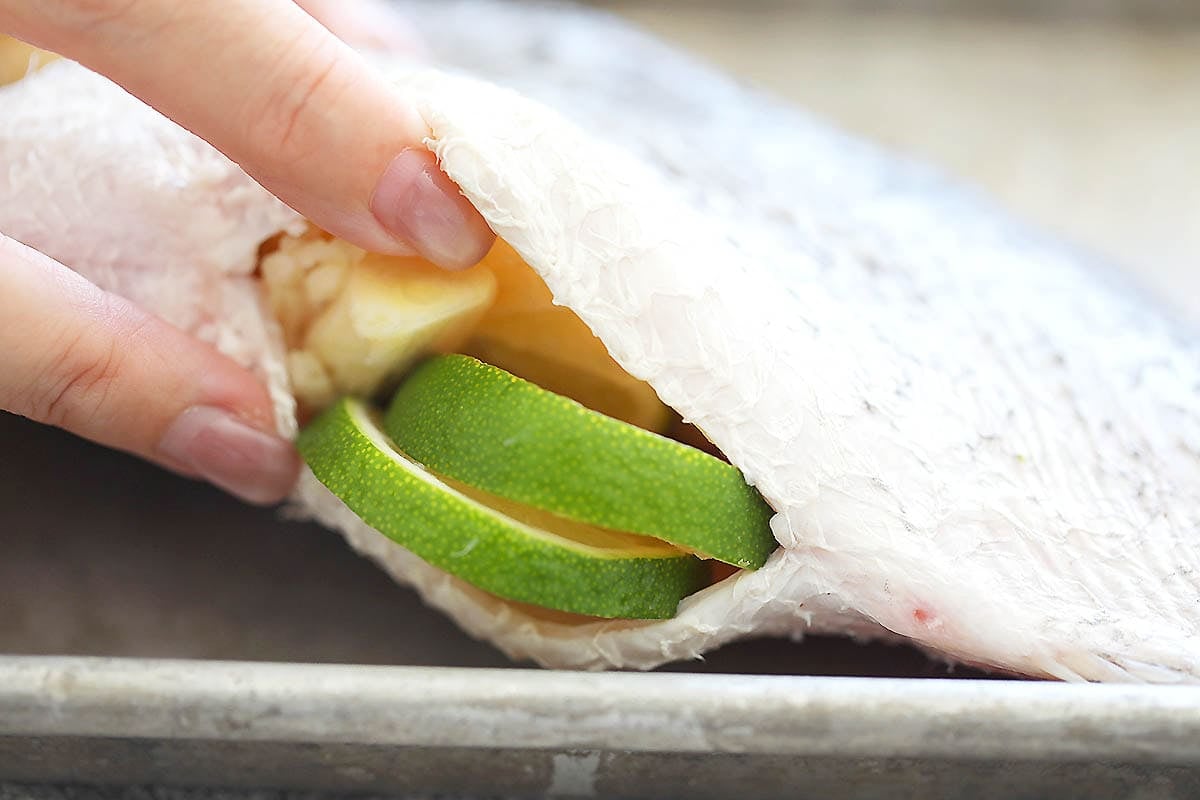
Infusing with Aromatics: Gently stuff the pounded garlic cloves deep into the fish’s belly and gills. Follow this by sliding the thin lime slices in behind the garlic. This internal arrangement is what creates the steamy, flavorful core.
-
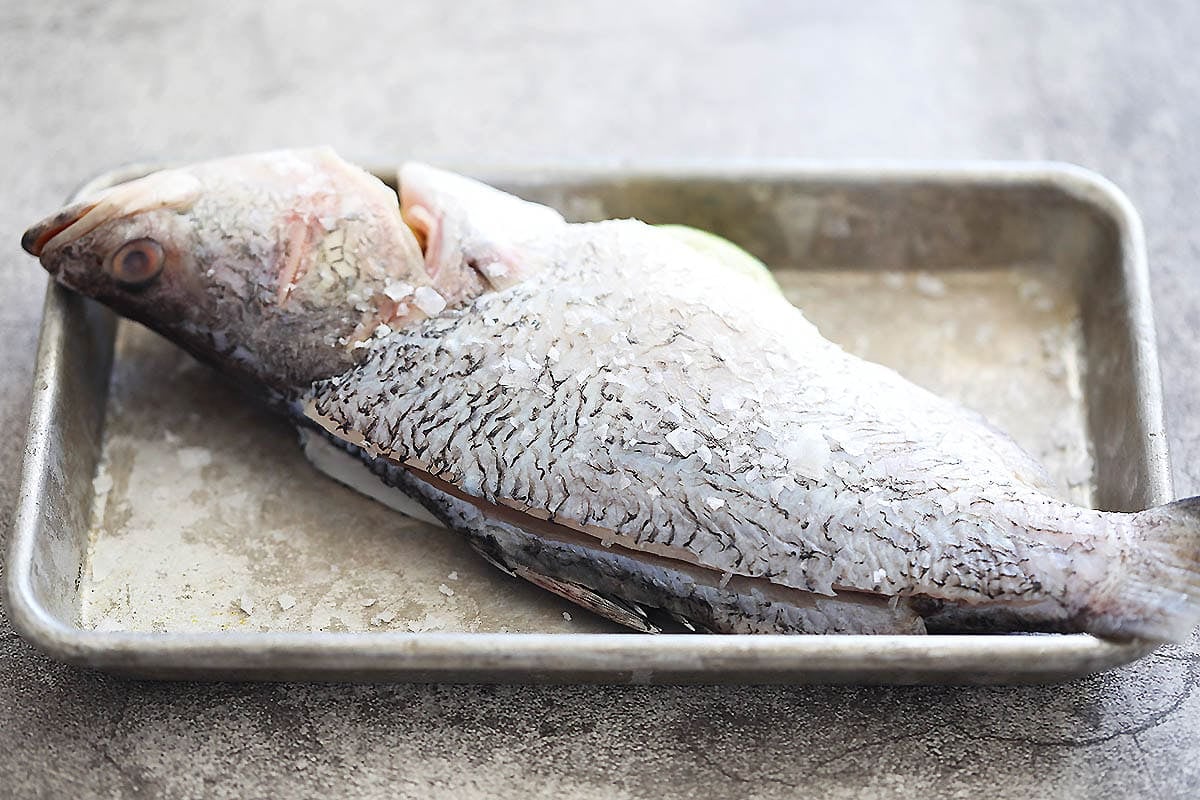
Seasoning with Salt: Evenly sprinkle coarse salt over both sides of the fish. A light, even coating is sufficient.
-
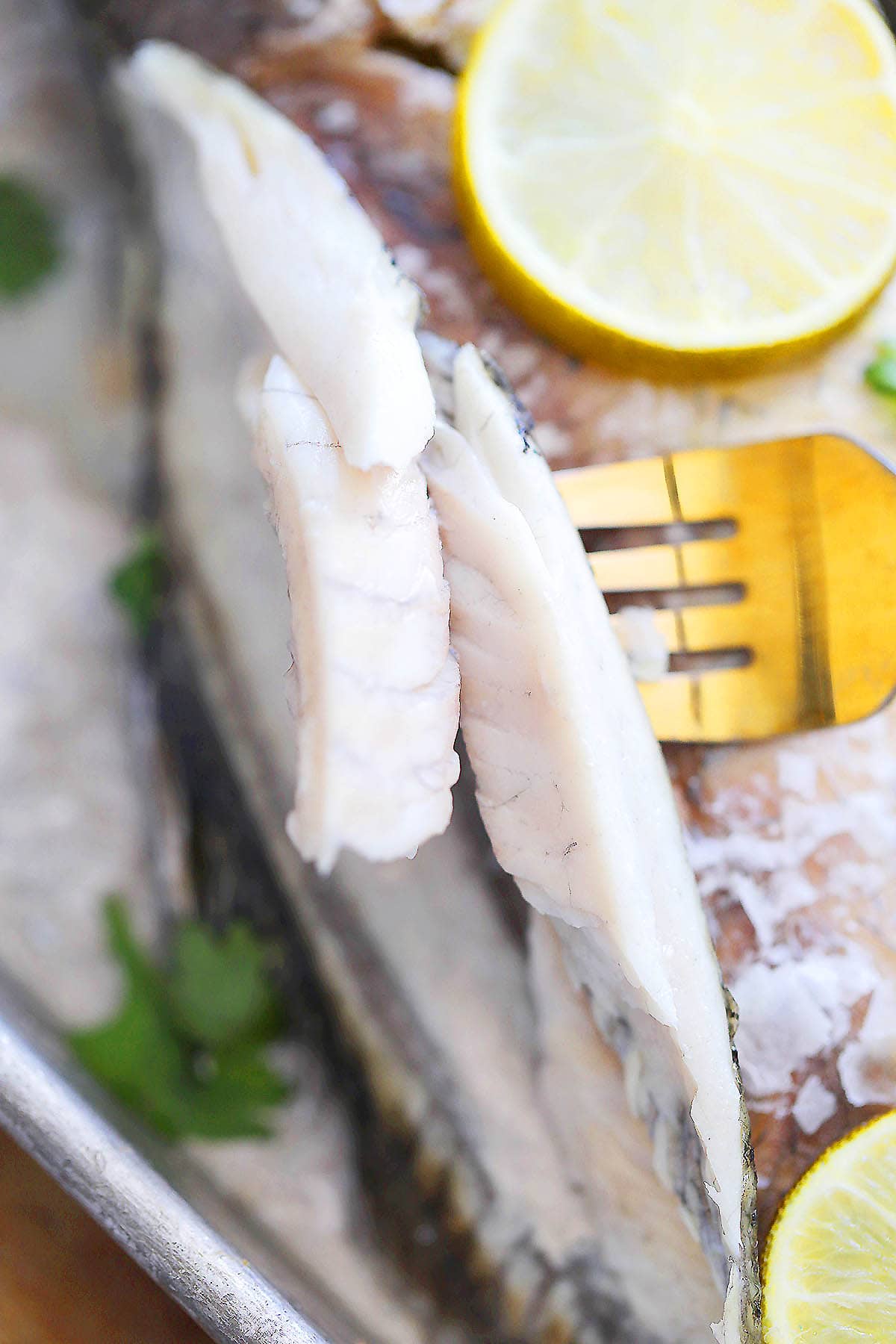
Baking to Perfection: Place the prepared fish on a baking sheet lined with parchment paper or aluminum foil. Bake for approximately 30 minutes, or until the fish is cooked through. The meat should turn opaque and flake easily when tested with a fork at its thickest point near the backbone.
-
Serving: Carefully transfer the hot fish to a serving plate. It is best enjoyed immediately, accompanied by a flavorful Thai seafood sauce for an extra kick of flavor.
Variations and Culinary Adaptations
While the classic seabass preparation is highly recommended, this recipe offers room for creative adaptation.
- Fillets vs. Whole Fish: If whole fish is not an option, fillets can be used. However, whole fish generally yields a juicier result due to the protective nature of the skin and bones. When using fillets, consider loosely wrapping them in parchment paper or foil with the garlic and lime to retain moisture, and reduce the baking time to approximately 12-15 minutes.
- Frozen Fish: Frozen fish can be used, provided it is fully thawed in the refrigerator overnight. It is imperative to pat it extra dry to compensate for any moisture lost during the freezing and thawing process.
- Baking Surfaces: A regular baking sheet is perfectly suitable. Lining it with parchment paper or foil simplifies cleanup and prevents sticking.
- Flipping: There is no need to flip the fish during baking. The circulating heat in the oven ensures even cooking, and flipping could risk tearing the skin and losing precious juices.
- Air Fryer Alternative: For those with larger air fryers, this recipe can be adapted. Cook at 350°F (175°C) for about 20-25 minutes, checking for doneness a few minutes early due to the accelerated cooking environment of an air fryer.
Storage and Reheating
Leftover salt-baked fish can be stored by carefully removing the meat from the bones and placing it in an airtight container in the refrigerator for up to two days. To reheat without drying out the delicate fish, gently warm the meat in a pan over low heat with a splash of water or broth until just heated through.
Nutritional Profile
This salt-baked fish recipe is a testament to healthy eating, offering a lean source of protein with minimal fat. A typical serving of this dish, based on the provided data, contains approximately 196 calories, 37 grams of protein, and only 2 grams of fat. It also provides essential nutrients such as sodium, potassium, and vitamins.
Conclusion
The Thai salt-baked fish is more than just a recipe; it’s an invitation to embrace simple, wholesome cooking that delivers exceptional flavor. Its ease of preparation, coupled with its healthy profile and delightful taste, makes it a standout choice for any home cook seeking a delicious and satisfying meal. The subtle infusion of garlic and lime, combined with the perfectly cooked, flaky fish, creates a culinary experience that is both comforting and elegant, proving that gourmet-quality meals can indeed be achieved with minimal effort and time.