The Rise of Functional Snacking in Modern Nutrition
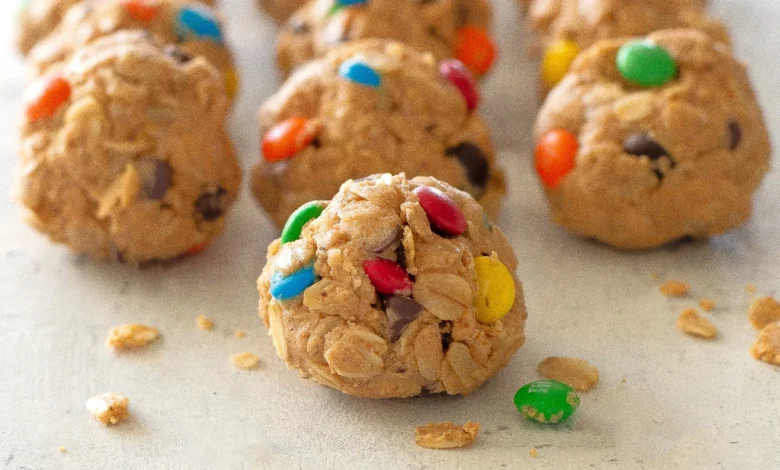
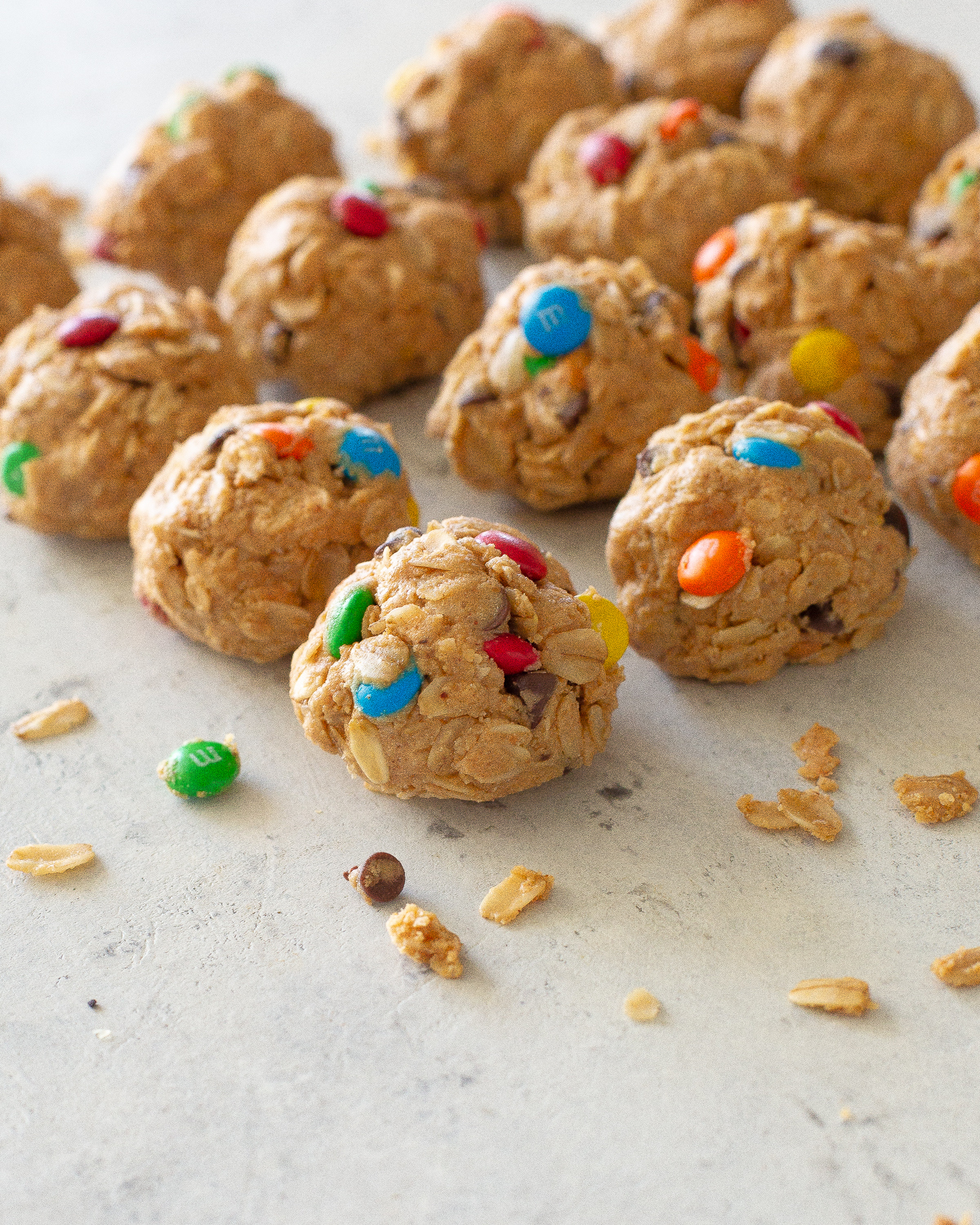
The food industry has seen a significant shift over the past decade toward "functional snacking," a category characterized by foods that provide health benefits beyond basic sustenance. Monster Protein Balls, which utilize a combination of rolled oats, peanut butter, honey, and supplemental protein powder, represent a quintessential example of this trend. By integrating complex carbohydrates with high-quality protein and fats, these snacks aim to provide sustained energy release rather than the rapid blood sugar spikes associated with processed candy or refined flour snacks.
Market analysts suggest that the demand for homemade, protein-enriched bites has surged as consumers become increasingly wary of the additives, preservatives, and high sugar content found in pre-packaged commercial snack bars. By leveraging staple pantry items—such as peanut butter, which is rich in heart-healthy monounsaturated fats, and oats, a known source of beta-glucan fiber—home cooks are creating nutrient-dense alternatives that are both cost-effective and customizable.
Nutritional Composition and Macronutrient Analysis
The core appeal of the Monster Protein Ball lies in its balanced nutritional profile. A standard serving, typically consisting of one ball, provides approximately 129 calories. The macronutrient breakdown is optimized for satiety, containing 4 grams of protein, 7 grams of fat, and 14 grams of carbohydrates.
From a physiological perspective, the inclusion of protein powder—commonly derived from whey, casein, or plant-based sources like pea or rice protein—aids in muscle recovery and metabolic function. When paired with oats, which provide a low-glycemic index energy source, the snack effectively mitigates the "crash" often associated with carbohydrate-only snacks. The inclusion of M&Ms and mini chocolate chips serves as a functional flavoring agent, providing a palatable experience that encourages consistent consumption among younger demographics who might otherwise eschew traditional "healthy" snacks.
The Evolution of the "Energy Bite"
Energy balls, often referred to in culinary circles as "no-bake energy bites," emerged as a mainstream health food trend roughly five to seven years ago. Initially, these recipes heavily favored superfoods like chia seeds, flaxseeds, and hemp hearts. However, a recent shift in consumer preferences has moved toward simplicity and ingredient accessibility.
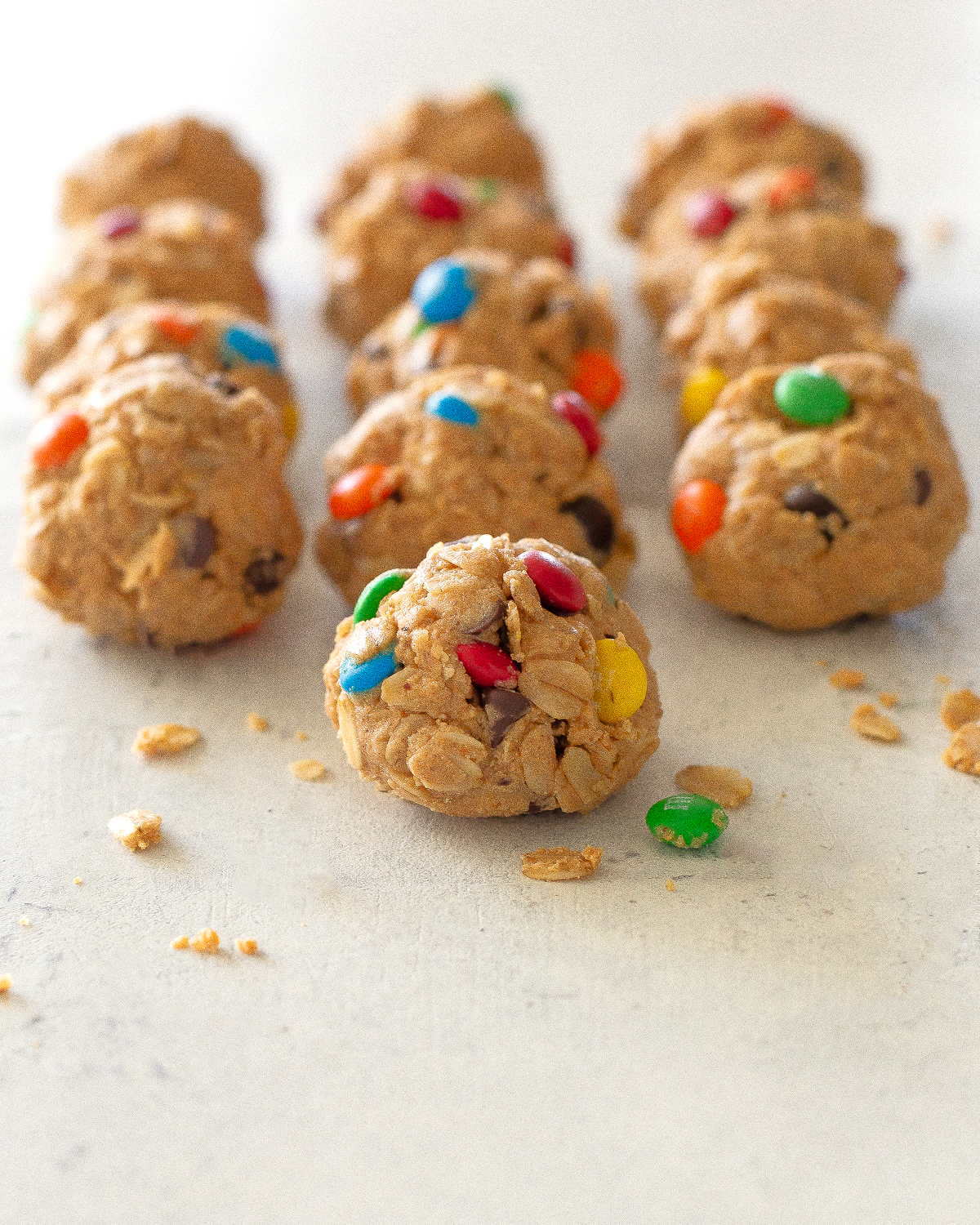
The transition toward the "Monster" variation—which incorporates candy elements—reflects a broader movement in nutrition science known as "permissive indulgence." This approach suggests that by incorporating small amounts of desired treats into nutrient-dense vehicles, individuals are more likely to adhere to healthy dietary patterns in the long term. By removing the requirement for niche ingredients like chia seeds and replacing them with more accessible, familiar staples, creators like Christy Denney have lowered the barrier to entry for home-prepared functional snacks.
Preparation, Storage, and Culinary Flexibility
One of the primary drivers of this recipe’s popularity is its logistical simplicity. Unlike baked goods, which require precise temperature control and specific chemical leavening agents, Monster Protein Balls rely on the binding properties of honey and peanut butter.
Culinary experts note that the binding agent is critical. Natural peanut butter, while often healthier due to the lack of hydrogenated oils, possesses a different viscosity than commercial brands like Jif or Skippy. Consequently, the preparation of these bites requires a variable approach to dry-to-wet ingredient ratios. For those utilizing standard commercial peanut butter, the recipe often requires a reduction in oat volume or an adjustment in honey to ensure the texture remains pliable rather than overly dry.
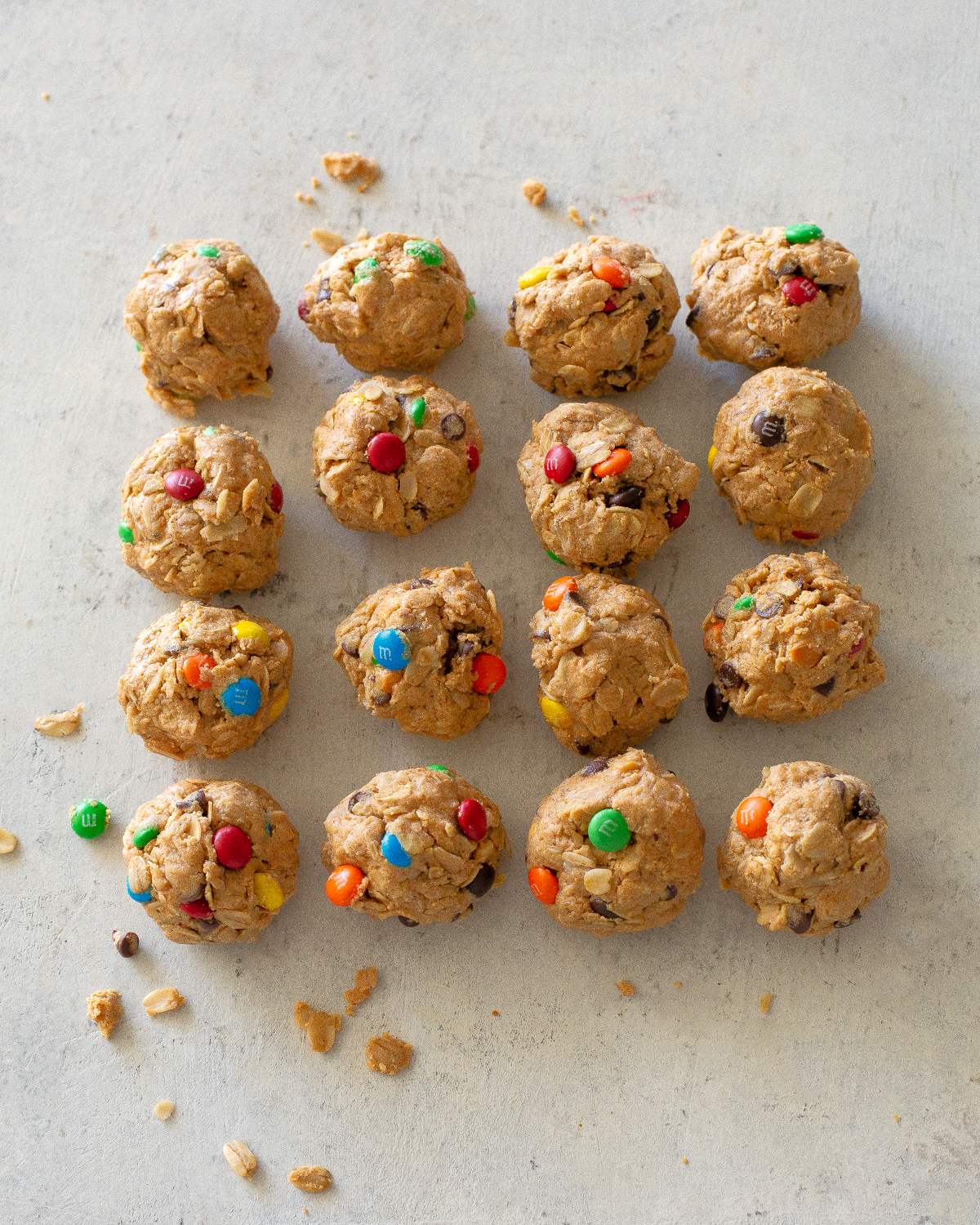
From a food safety and preservation standpoint, these bites are highly shelf-stable. They can be refrigerated for up to two weeks or frozen in airtight containers for as long as three months. This longevity makes them a preferred choice for meal-prepping, a habit that has grown by an estimated 25% among American households since 2020. The ability to store large batches in the freezer allows for an "on-demand" snack culture, which aligns with the fast-paced lifestyles of working professionals and school-aged children.
Broader Implications for Family Nutrition
The adoption of homemade protein bites has broader implications for family health management. With childhood obesity rates remaining a public health concern, the ability to replace high-sugar, low-fiber snacks with protein-rich alternatives is viewed by pediatric dietitians as a positive intervention.
Furthermore, the act of "kitchen assembly"—whereby children can participate in the preparation of these snacks—serves as a form of nutrition education. When individuals understand the components of their food, they are more likely to make informed decisions regarding their overall dietary intake. The versatility of the recipe also allows for allergen-friendly modifications, such as the use of sunflower seed butter in place of peanut butter for nut-free households, or the substitution of vegan protein powder for those with dairy sensitivities.
Fact-Based Analysis of Market Trends
As of 2024, the "snackification" of meals continues to be a dominant trend in the food industry. Data indicates that nearly 60% of consumers now report eating at least one snack as a meal replacement during the work week. The Monster Protein Ball sits at the intersection of this trend, offering the convenience of a snack with the nutritional density of a meal component.
While these snacks offer clear benefits, nutritional professionals emphasize that the term "healthy" is relative. Because the recipe includes sweeteners like honey and confectionery items like M&Ms, total sugar intake must still be monitored, particularly for sedentary individuals. However, compared to processed commercial equivalents, the protein-to-sugar ratio in these homemade bites remains superior, providing a cleaner label and fewer artificial preservatives.
Conclusion
The emergence and sustained popularity of Monster Protein Balls highlight a move toward intentional, accessible, and balanced nutrition. By combining the convenience of high-protein snacks with the psychological satisfaction of "treat" ingredients, this culinary development addresses both the physiological needs of the body and the sensory desires of the palate. As households continue to navigate the demands of busy schedules, the reliance on such adaptable, nutrient-dense, and easily stored food items is expected to persist as a staple in the modern home kitchen. Through careful selection of ingredients—and the flexibility to adapt to various dietary needs—these energy bites serve as a model for how simple, homemade snacks can support a balanced and health-conscious lifestyle.