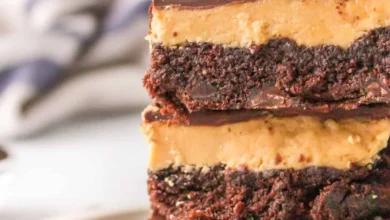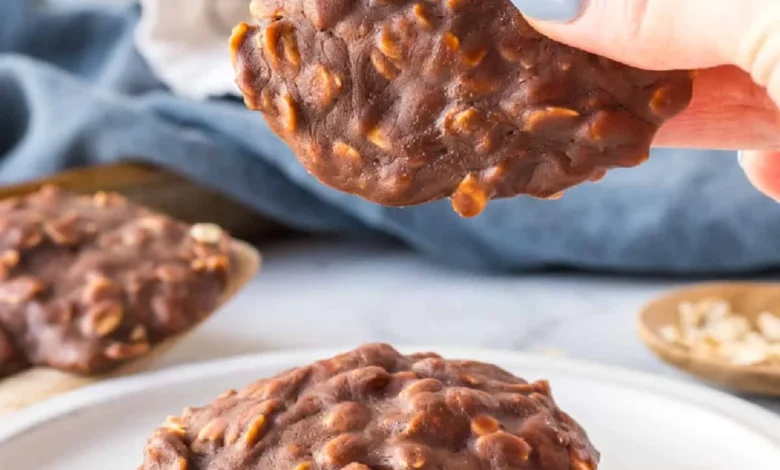
As record-breaking summer temperatures continue to influence domestic behavior across North America, a significant shift in culinary preferences has emerged, favoring "no-bake" methodologies that minimize internal heat gain within the home. Among the most enduring and popular of these solutions is the chocolate peanut butter no-bake cookie, a dessert that bypasses the traditional convection oven in favor of a brief stovetop thermal process. This transition in kitchen habits reflects a broader trend toward energy-efficient food preparation and a reliance on shelf-stable, pantry-friendly ingredients. Culinary analysts suggest that the resurgence of these recipes is driven by both environmental factors and a growing consumer demand for "instant gratification" desserts that do not require the extensive cooling times associated with traditional baking.

The Science of the "No-Bake" Methodology
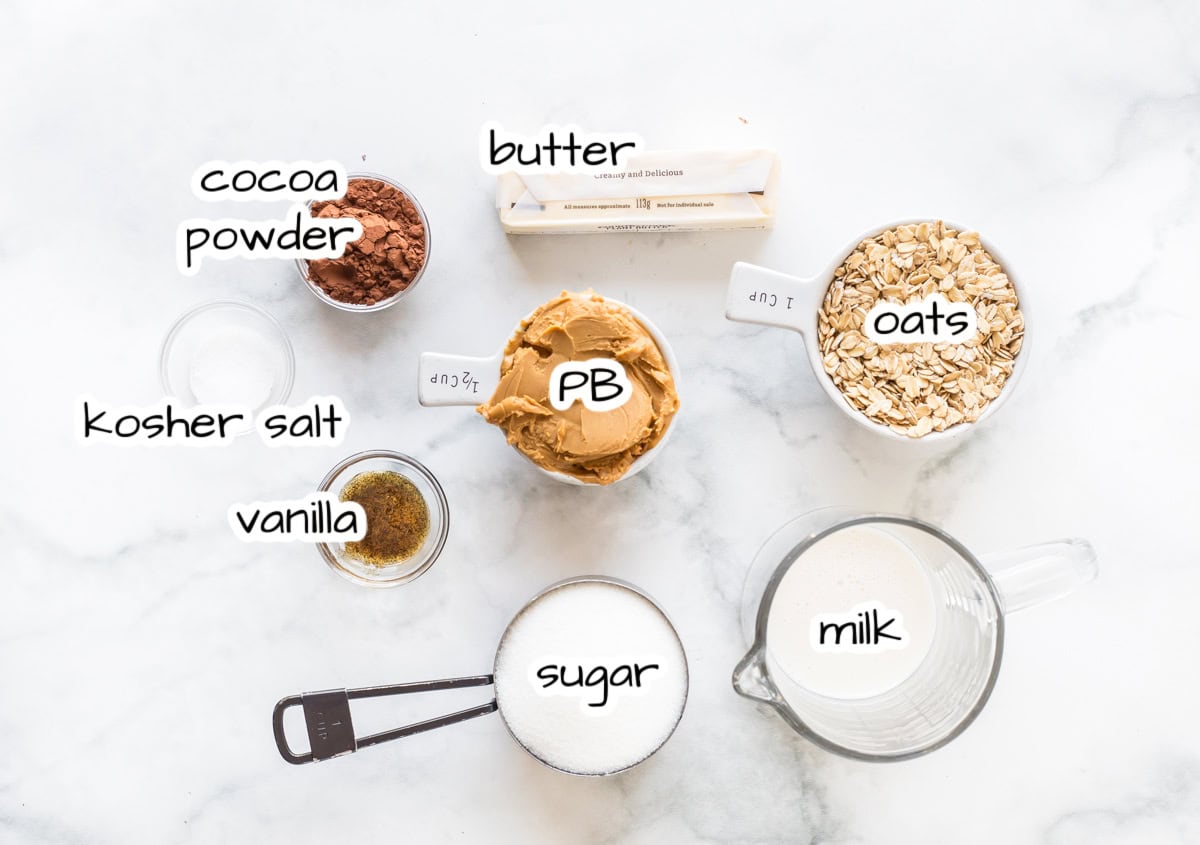
The efficacy of the chocolate peanut butter no-bake cookie relies not on the Maillard reaction—the browning process typical of oven-baked goods—but on the precise manipulation of sugar crystallization and the structural integrity of complex carbohydrates. The process begins with a base of granulated sugar, butter, milk, and unsweetened cocoa powder. When these ingredients are heated, the sugar dissolves into a syrup, and the butter provides the necessary lipids for a smooth, fudgy mouthfeel.
The most critical phase of the preparation is the "one-minute boil." According to food scientists, this specific duration ensures that the sugar syrup reaches a temperature sufficient to evaporate excess moisture without reaching the "hard crack" stage of candy making. If the mixture is boiled for less than sixty seconds, the resulting cookies will fail to achieve the necessary cohesion, remaining a viscous liquid even after cooling. Conversely, exceeding the one-minute threshold can lead to over-crystallization, resulting in a dry, crumbly texture. This delicate balance of thermal application is what allows the mixture to transition from a liquid state to a semi-solid, chewy cluster once integrated with peanut butter and oats.
Chronology of Preparation and Execution
The production of these cookies follows a strict operational timeline designed for maximum efficiency. The process is generally divided into three distinct phases: preparation, thermal processing, and stabilization.
- Preparation Phase (15 Minutes): This involves the measuring of dry and wet ingredients. The use of "quick oats" is a standard requirement, as their smaller surface area allows for faster absorption of the chocolate-peanut butter syrup compared to old-fashioned rolled oats.
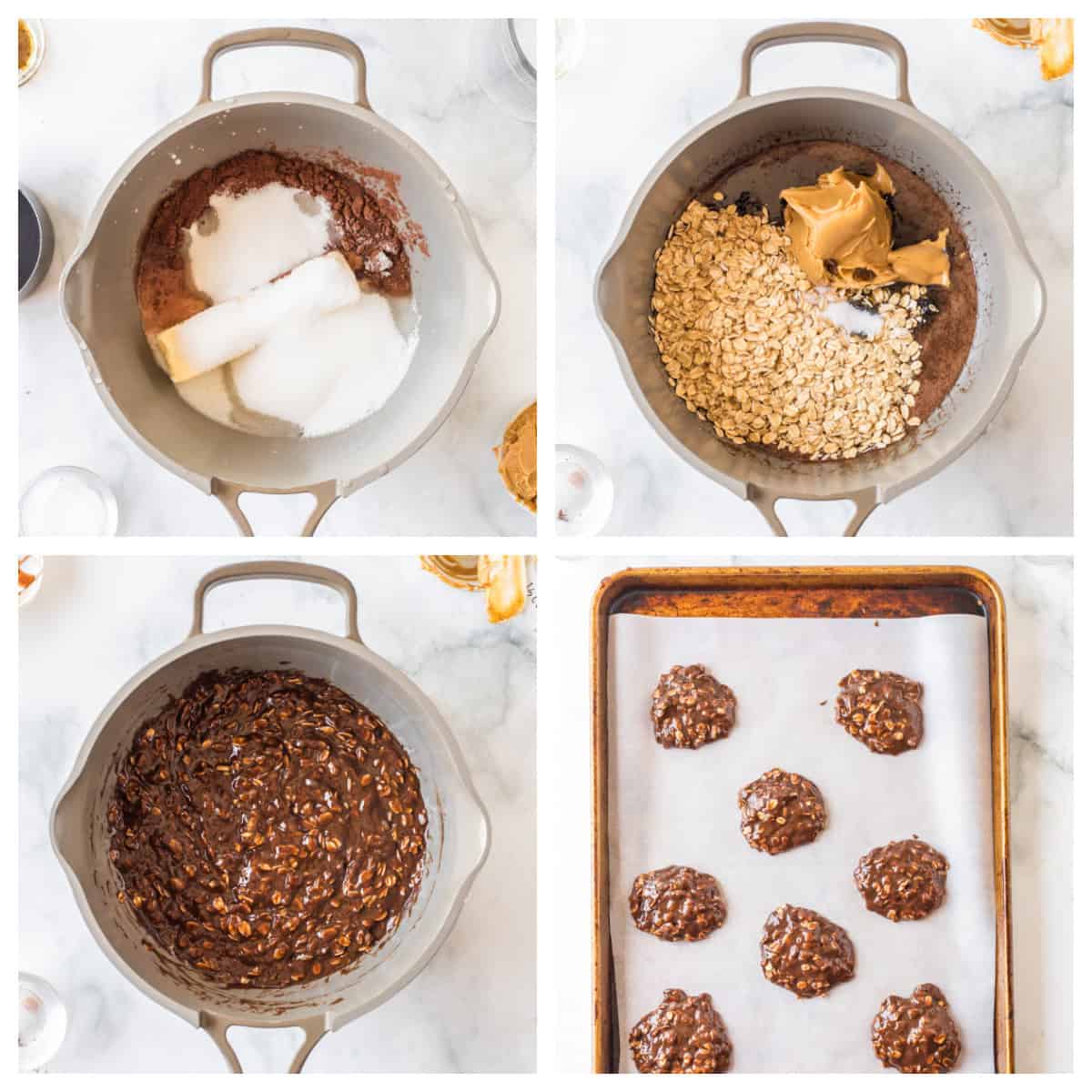
- Thermal Processing Phase (5 Minutes): The sugar, butter, milk, and cocoa are combined in a saucepan over medium-high heat. Once a rolling boil is achieved, the timer is set for exactly sixty seconds. During this time, constant agitation is avoided to allow the temperature to stabilize.
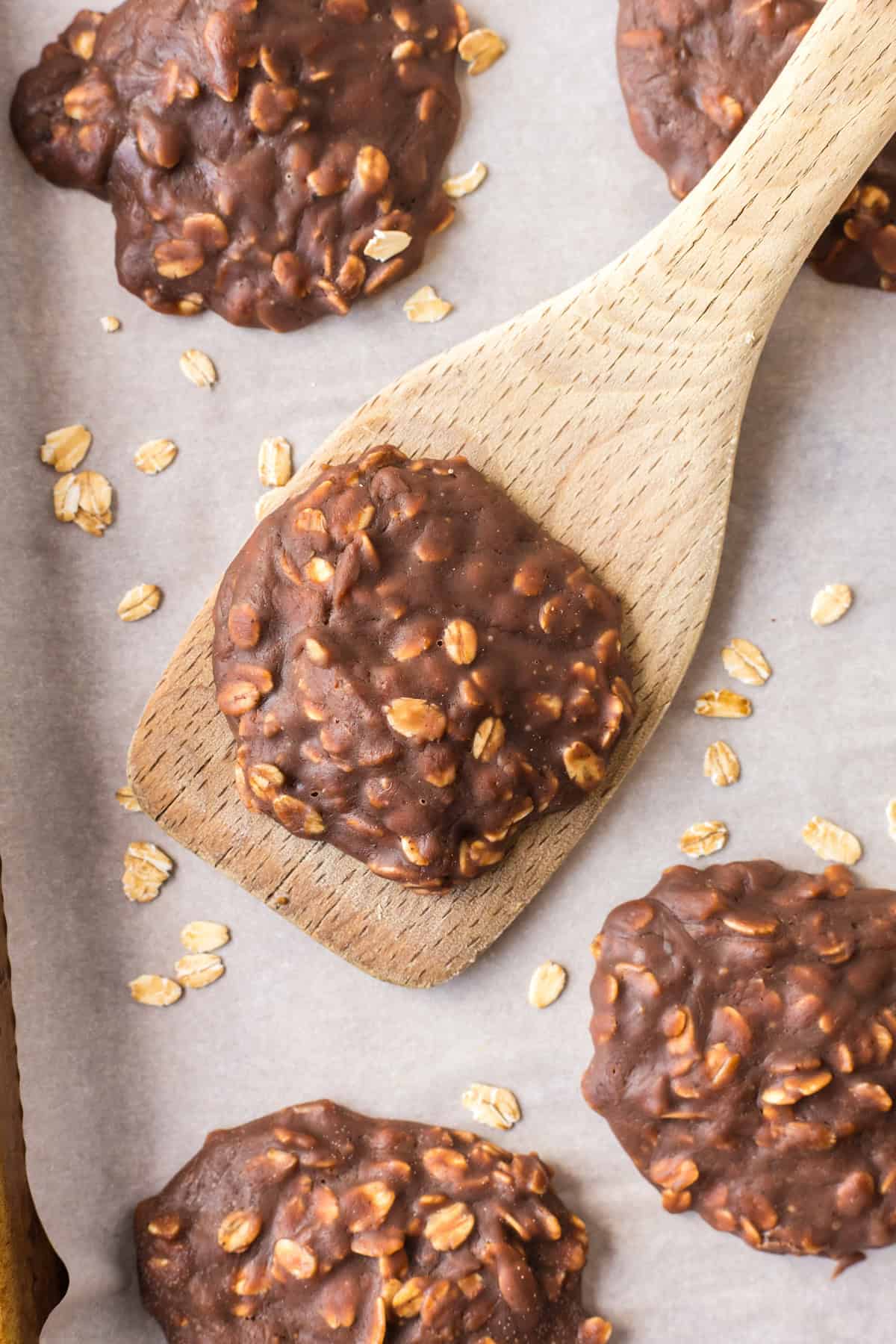
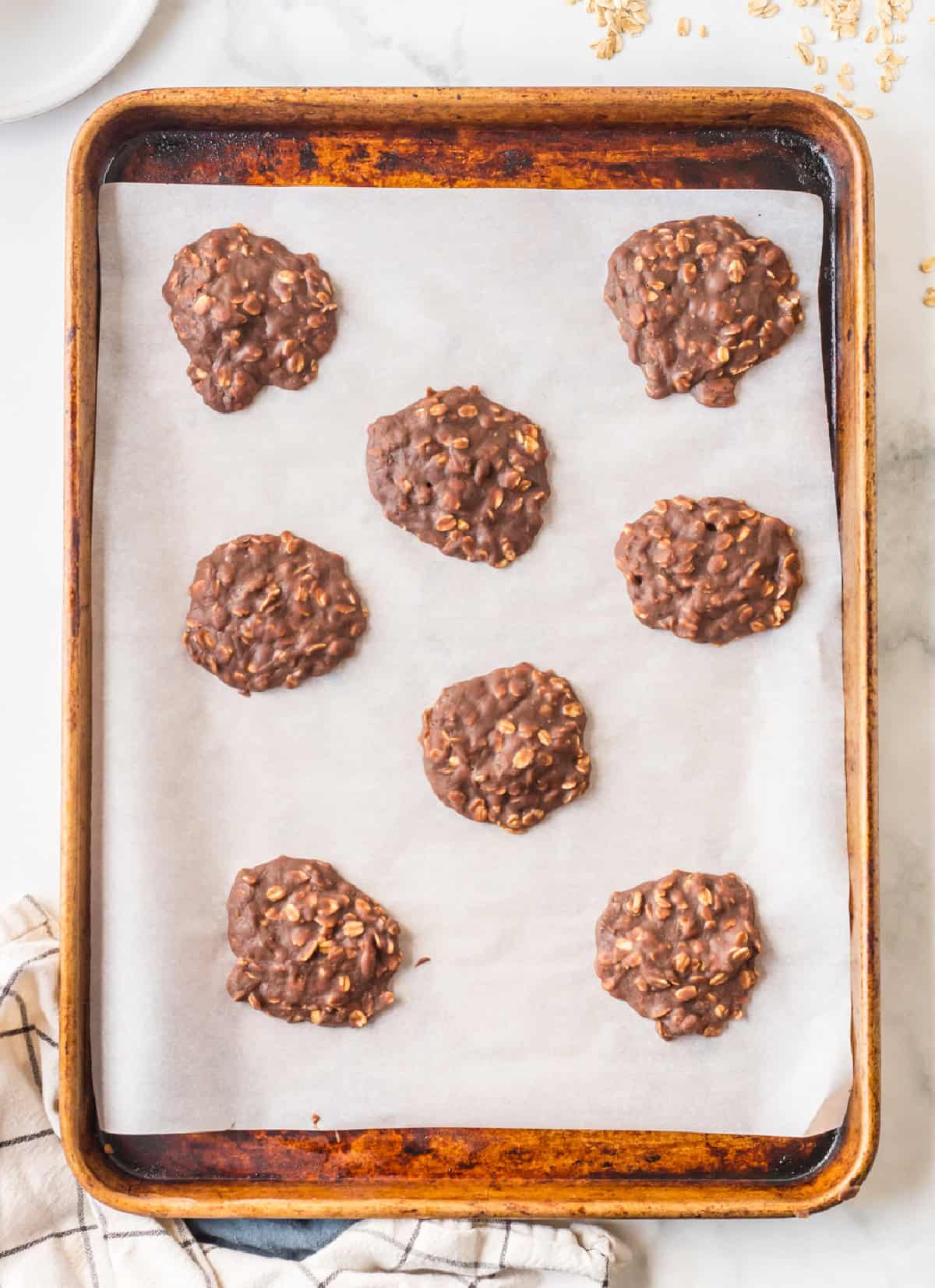
- Integration and Stabilization (30 Minutes): Once removed from the heat, the peanut butter and vanilla extract are folded in until melted, followed by the oats. The mixture is then portioned onto parchment or wax paper using a standard scoop. The stabilization phase occurs at room temperature, where the cookies undergo a cooling process that solidifies the fats and sugars, creating a fudgy, slightly chewy consistency.
Historical Context and Cultural Significance
The chocolate peanut butter no-bake cookie is not a modern invention but rather a culinary staple with roots in mid-20th-century American home economics. Historical records indicate that "boiled cookies" or "stovetop clusters" gained significant traction during the Great Depression and the rationing era of World War II. During these periods, the scarcity of fuel and certain baking ingredients necessitated creative solutions.
By the 1950s and 1960s, these recipes became a fixture in community and church cookbooks, often passed down through generations. The simplicity of the recipe made it an ideal entry point for children learning to cook, contributing to its status as a nostalgic comfort food. In contemporary contexts, the recipe has been revitalized by digital platforms, where its "pantry-staple" nature appeals to modern consumers looking to reduce grocery expenditures and minimize food waste.
Nutritional Profile and Economic Analysis
From a nutritional standpoint, the chocolate peanut butter no-bake cookie offers a caloric profile that is relatively moderate for a dessert item. A standard serving (one cookie) contains approximately 96 calories. The macronutrient breakdown is characterized by 11 grams of carbohydrates, 6 grams of fat, and 2 grams of protein. While the sugar content is notable (7 grams per serving), the inclusion of oats provides a small amount of dietary fiber (1 gram) and complex carbohydrates, which results in a slower energy release compared to refined flour-based cookies.
Economically, the recipe is highly cost-effective. By utilizing bulk-purchasable items such as oats, peanut butter, and sugar, the cost-per-serving remains significantly lower than that of premium store-bought desserts or recipes requiring specialty flours and leavening agents. Furthermore, the avoidance of the oven reduces domestic energy consumption, a factor that is increasingly relevant as utility costs fluctuate during peak summer months.
Market Trends and Consumer Adaptations
As dietary preferences become more specialized, the "no-bake" category has seen various adaptations to meet the needs of diverse populations. Market research indicates a growing demand for "inclusive" versions of classic recipes.
- Gluten-Free Adaptations: The substitution of certified gluten-free oats allows the recipe to be accessible to those with celiac disease or gluten sensitivities, as the recipe naturally lacks wheat-based flour.
- Vegan and Dairy-Free Options: Substituting dairy milk with almond, soy, or oat milk, and using plant-based butter alternatives, has allowed the recipe to penetrate the vegan market without compromising the structural integrity of the cookie.
- Nut-Free Alternatives: In response to the prevalence of peanut allergies, many consumers have successfully utilized sunflower seed butter or soy-based spreads as a direct replacement for peanut butter.
These variations have ensured that the chocolate peanut butter no-bake cookie remains relevant in a changing food landscape, maintaining its position as a "summer staple" across various demographic segments.
Broader Implications for Domestic Culinary Practices
The popularity of the chocolate peanut butter no-bake cookie reflects a broader shift in how modern households approach food preparation. The move toward "low-intervention" cooking—recipes that require fewer tools, less heat, and shorter timeframes—aligns with the fast-paced nature of contemporary life. Additionally, the reliance on stovetop methods over oven baking during heatwaves is a practical adaptation to climate-related challenges, reducing the strain on residential air conditioning systems.
Culinary educators note that such recipes serve as an important bridge for novice cooks, providing a high success rate that encourages further kitchen experimentation. The "one-minute boil" serves as a fundamental lesson in temperature control and timing, skills that are transferable to more complex confectionery and sauce-making tasks.
Conclusion
The chocolate peanut butter no-bake cookie stands as a testament to the enduring appeal of simplicity in the culinary arts. By combining scientific precision with historical tradition and economic efficiency, the recipe transcends its status as a mere dessert to become a functional response to seasonal and lifestyle demands. As consumers continue to seek ways to balance indulgence with practicality, the no-bake methodology is expected to remain a permanent fixture in the American culinary repertoire, proving that some of the most satisfying results in the kitchen require the least amount of heat.