The Rise of Strategic Meal Prepping: A Comprehensive Analysis of Nutritional Efficiency and Culinary Solutions for Modern Lifestyle Management

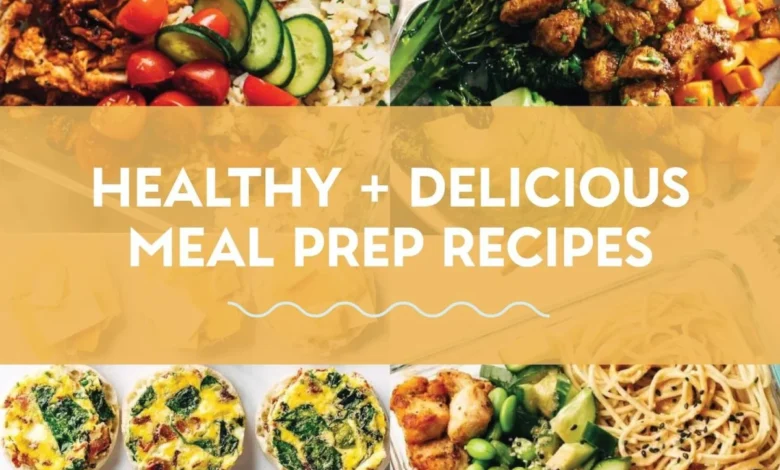
The practice of meal prepping has evolved from a niche fitness enthusiast habit into a mainstream logistical strategy for managing nutritional intake, financial expenditure, and time efficiency. As professional demands increase and the cost of living fluctuates, the systematic preparation of meals—ranging from nutrient-dense salads and protein-rich bowls to freezer-stable sandwiches—has become a cornerstone of modern domestic management. This approach not only addresses the immediate need for sustenance but also serves as a preventative measure against "decision fatigue" and the consumption of processed convenience foods. By dedicating specific windows of time to culinary production, individuals can ensure a consistent supply of high-quality, home-cooked options that cater to various dietary requirements, including vegan, high-protein, and low-carbohydrate regimens.
The Macro-Economic and Health Context of Meal Preparation
The global shift toward meal prepping is supported by significant market data. According to industry reports, the meal prep and meal kit market has seen an annual growth rate exceeding 15% over the last five years. This trend is driven by a growing awareness of the correlation between diet and long-term health outcomes, alongside a desire for transparency in ingredient sourcing. Data from health organizations suggest that individuals who prepare meals at home consume significantly fewer calories, less sodium, and lower amounts of saturated fat compared to those who rely on restaurant or "on-the-go" options. Furthermore, the economic implications are substantial; the average household can reduce its monthly food expenditure by an estimated 20% to 30% by transitioning from impulsive dining to a structured meal prep framework.
Strategic Implementation: A Chronology of the Preparation Session
The efficacy of meal prepping is rooted in its logistical execution. Most successful practitioners follow a standardized chronology to maximize output while minimizing kitchen time.
- The Planning Phase (T-Minus 48 Hours): This involves inventory assessment and recipe selection. Selection criteria typically focus on "cross-utilization" of ingredients—for instance, using roasted sweet potatoes in both a quinoa salad and a breakfast bowl to streamline shopping and chopping.
- The Acquisition Phase (T-Minus 24 Hours): Procurement of fresh produce, proteins, and pantry staples. Bulk purchasing of grains like lentils and quinoa is often cited as a key cost-saving measure.
- The Execution Session (The "Sunday Prep"): A concentrated block of 2 to 4 hours is dedicated to high-volume cooking. This includes roasting multiple sheet pans of vegetables, simmering large batches of soup, and assembling "grab-and-go" items.
- The Storage Phase: Utilizing specialized containers to portion meals, ensuring that items destined for later in the week are properly sealed or moved to the freezer to maintain organoleptic quality (texture, flavor, and aroma).
High-Efficiency Breakfast Solutions: Beyond the Traditional Morning Routine
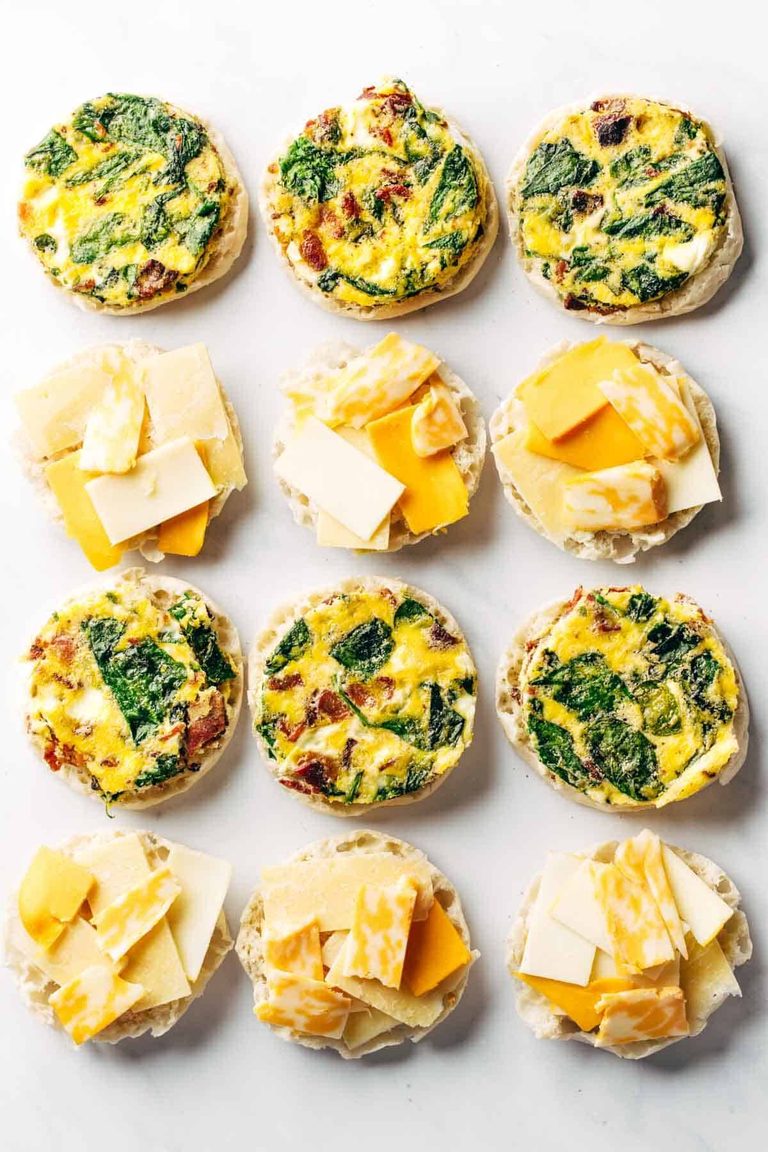
Breakfast remains a critical point of failure for many nutritional plans due to time constraints. The implementation of freezer-stable breakfast items provides a solution to this challenge. Professional culinary strategies now emphasize the "Sheet Pan Method" for egg-based dishes. For example, baking eggs on a sheet pan with spinach and bacon allows for perfectly portioned squares that can be integrated into English muffins with cheese. These sandwiches are then wrapped and frozen, requiring only a brief reheating process.
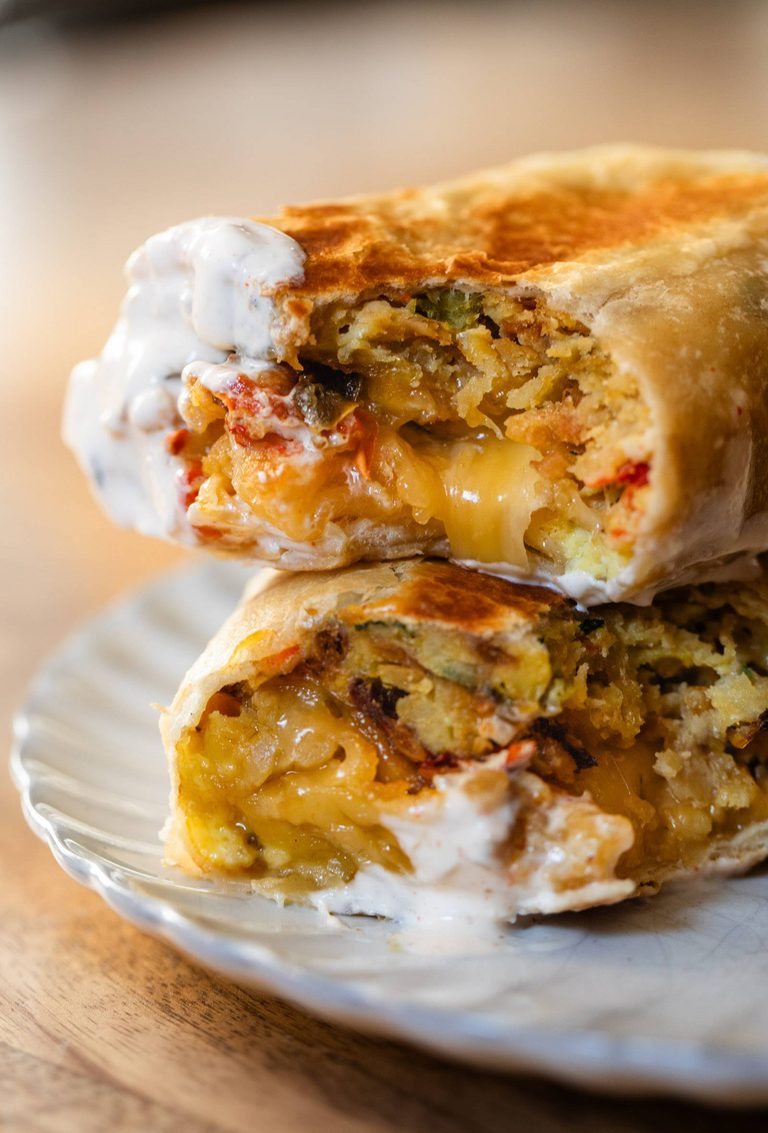
Similarly, the "Sheet Pan Breakfast Burrito" has emerged as a high-utility option. By combining scrambled eggs with roasted garlic vegetables, smoky cheese, and refried beans, preparers can create a balanced meal that offers complex carbohydrates and high protein. These items are designed for "grab-and-go" scenarios, ensuring that nutritional goals are met even during the earliest commutes.
The Evolution of the Lunch Bowl: Nutrient Density and Flavor Profiles
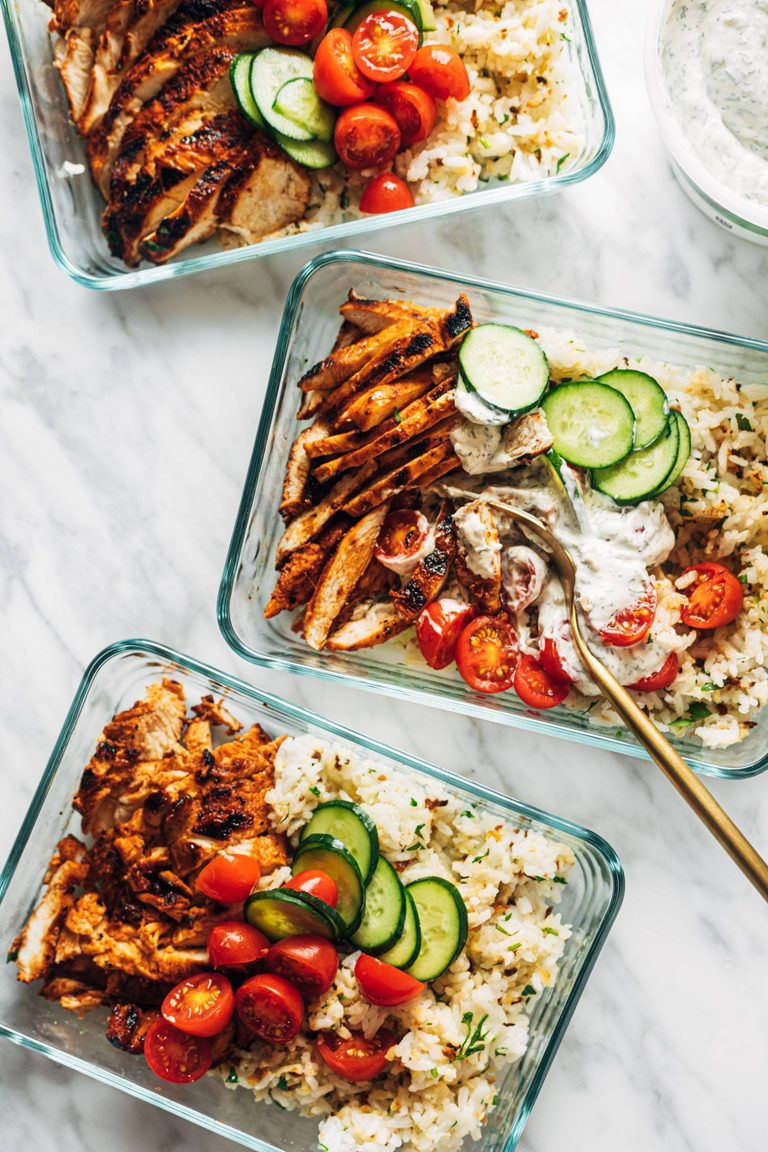
Lunch meal prepping has transitioned from simple sandwiches to sophisticated "bowls" that maintain their integrity over several days in refrigeration. The "Buffalo Chicken Bowl" is a prime example of this evolution. By utilizing a base of cauliflower garlic rice—a low-glycemic alternative to traditional white rice—and pairing it with spicy buffalo chicken and fresh aromatics like cucumber and tomato, the meal remains vibrant.
Other notable configurations include:
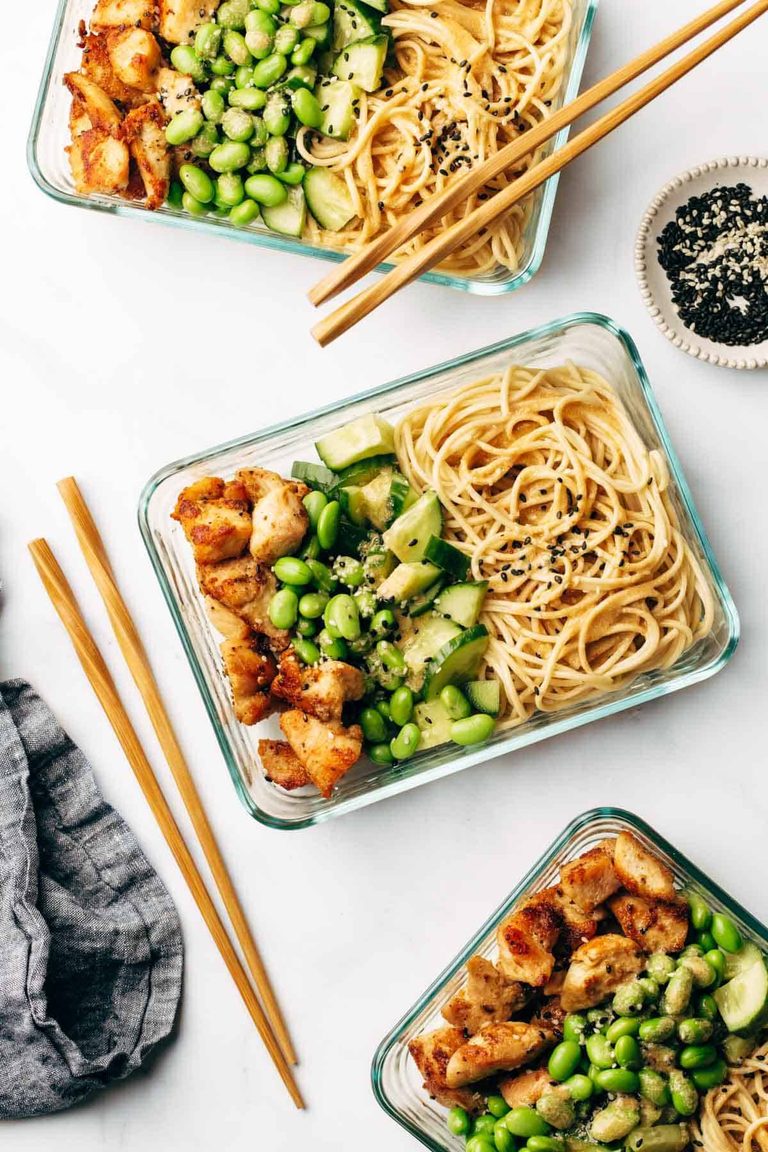
- Sesame Noodle Bowls: Utilizing cream-based sesame sauces and browned chicken, these bowls provide a balance of healthy fats and lean protein.
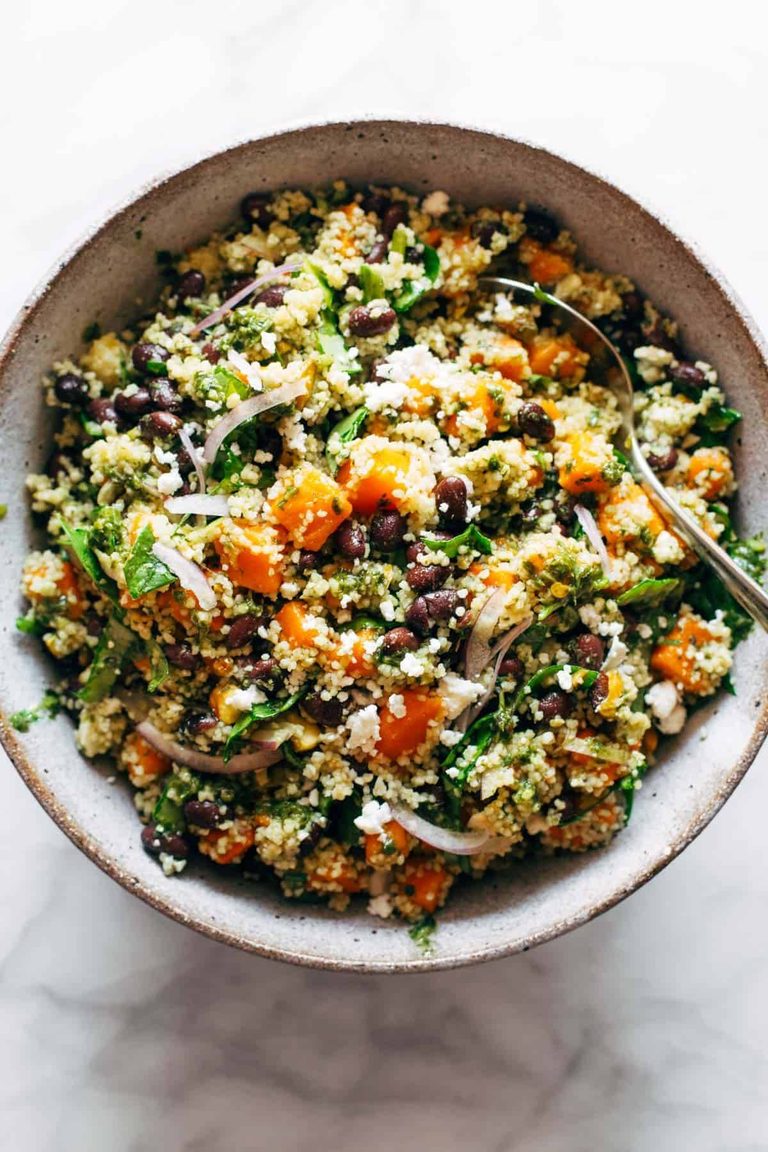
- Cilantro Lime Chicken and Lentil Bowls: This "protein powerhouse" utilizes lentils, which are shelf-stable and high in fiber, making them an ideal candidate for batch cooking.
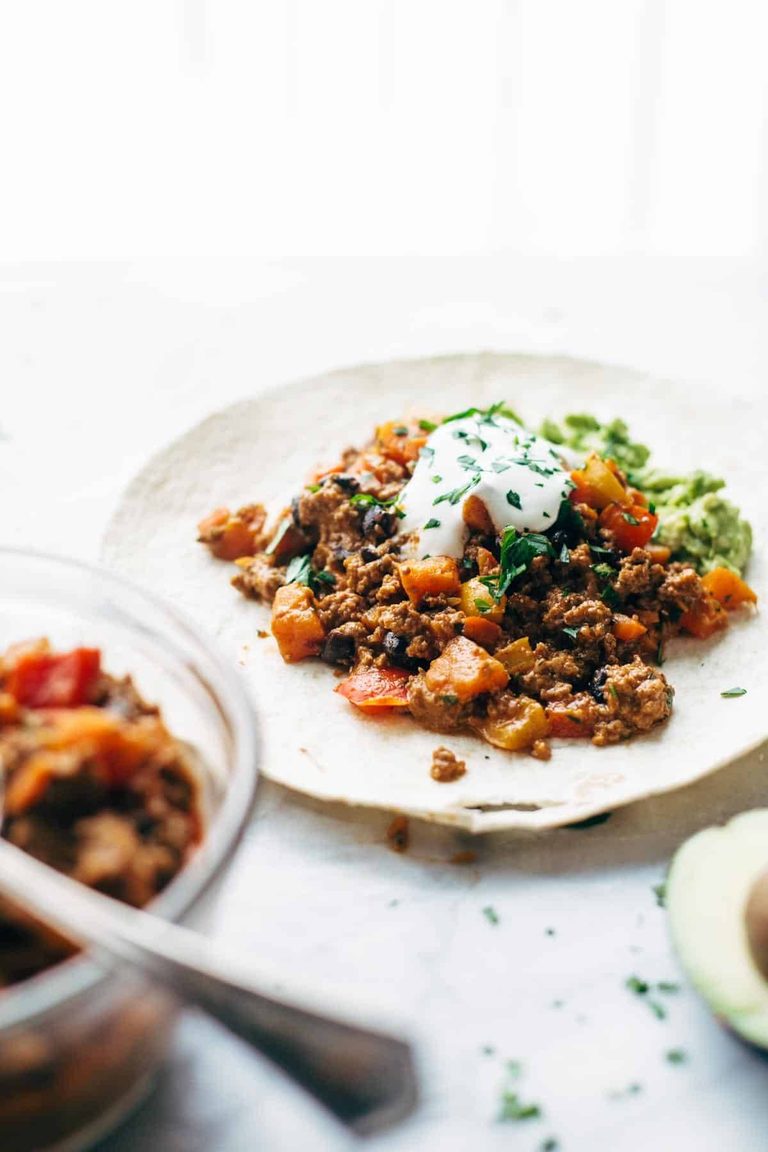
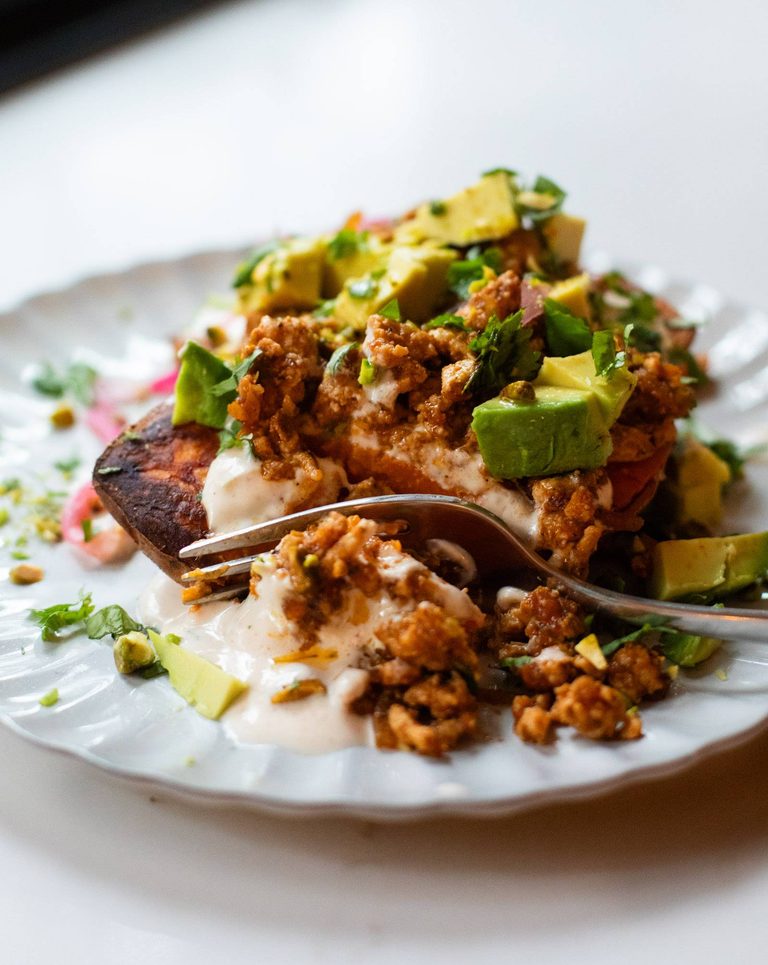
- Vegan Burrito Bowls: Substituting animal protein with a spicy cauliflower and walnut "meat" mixture allows for a plant-based option that does not sacrifice texture or satiety.
Thermal-Stable Options: Soups, Chilis, and Stews
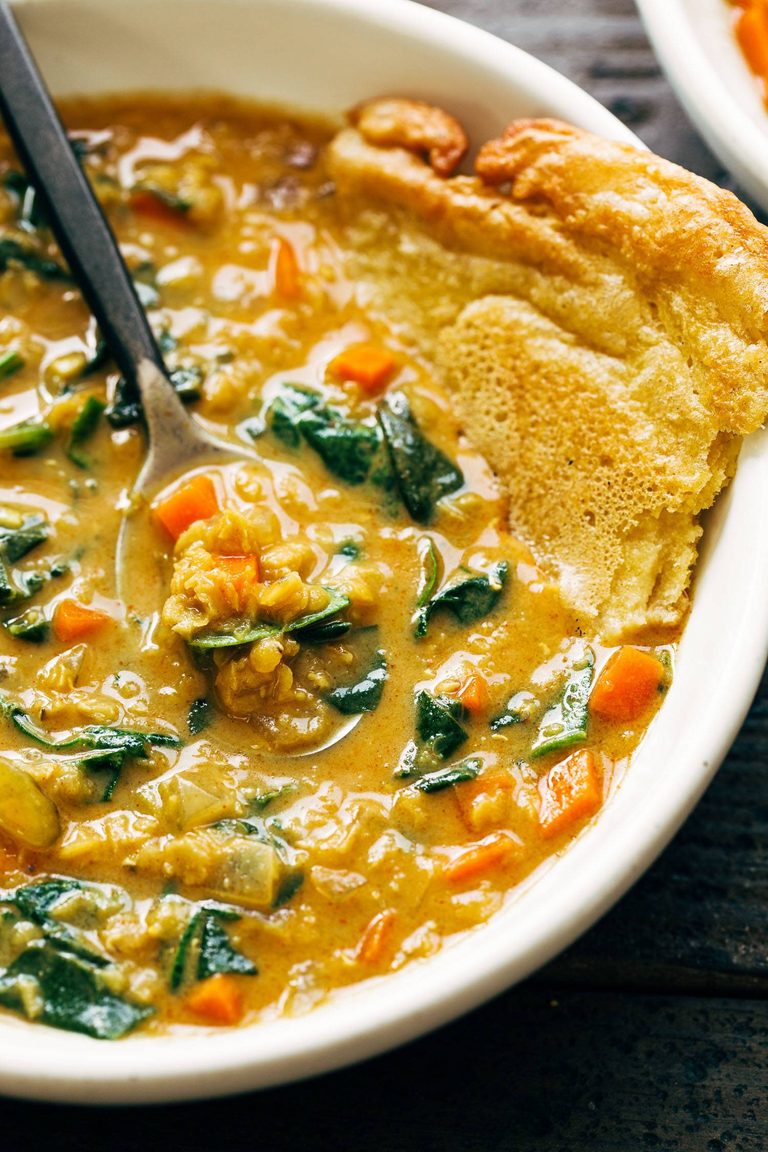
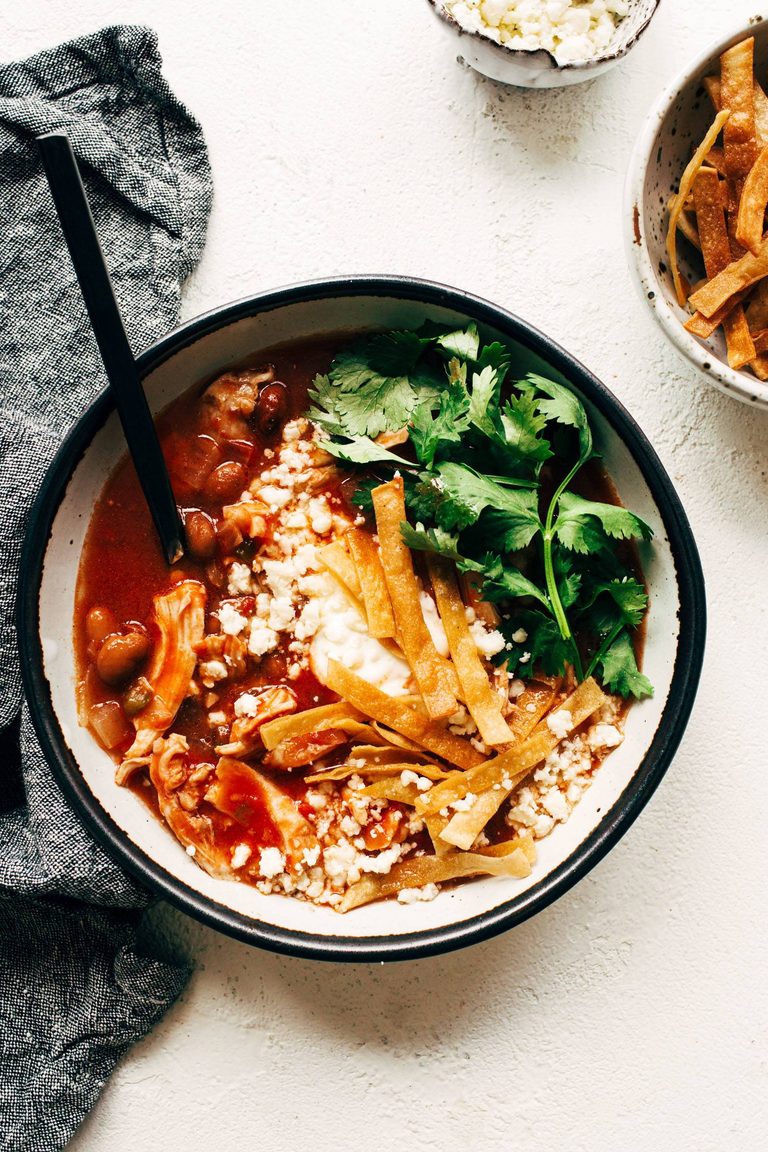
For long-term storage and ease of reheating, liquid-based meals offer the highest degree of reliability. The "Smoky Red Lentil Soup with Spinach" serves as a case study in plant-based nutrient density. By incorporating coconut milk and a robust spice profile, the soup remains creamy and flavorful after multiple freeze-thaw cycles.
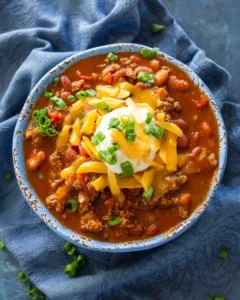
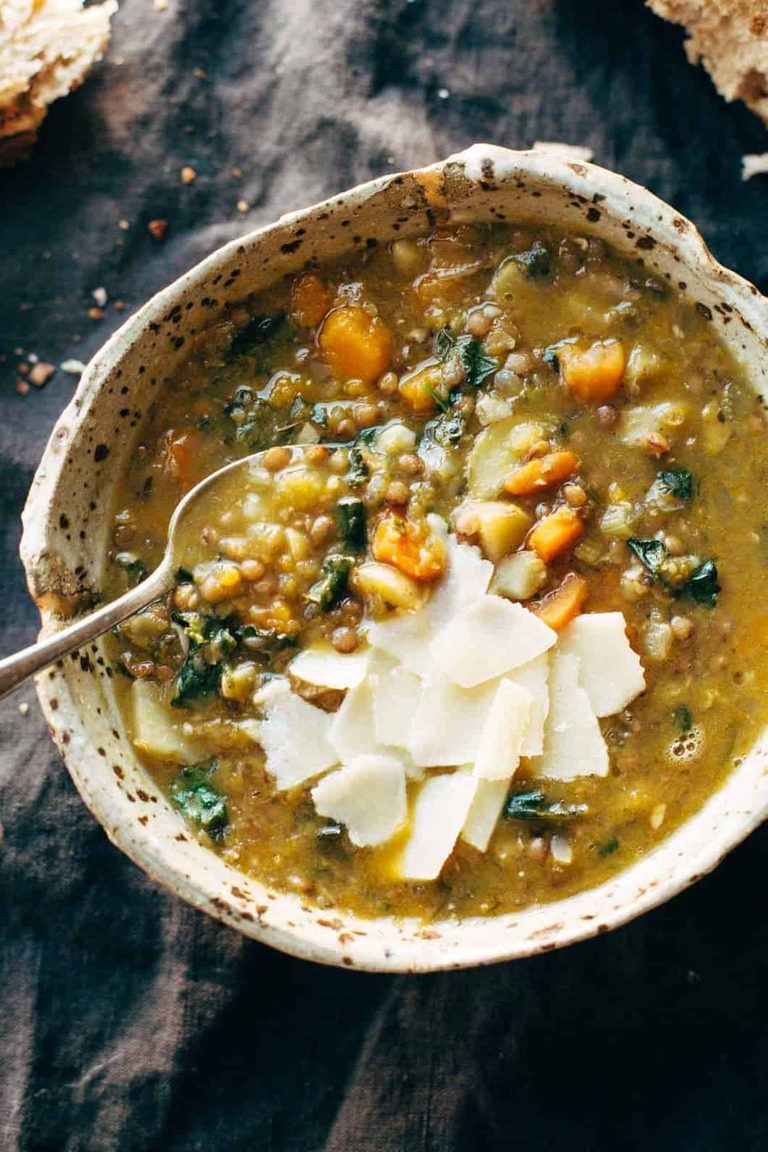
Furthermore, the "Detox Crockpot Lentil Soup" highlights the "hands-off" nature of modern prep. Utilizing slow cookers or Instant Pots allows the preparer to focus on other tasks while ingredients like squash, carrots, and garlic meld into a clean, simple nutritional base. For those following more traditional diets, the "Sunday Chili"—featuring beef, bacon, and beans—provides a high-calorie, high-protein option that is historically associated with weekend preparation and weekday consumption.
Culinary Techniques for Optimal Batch Cooking
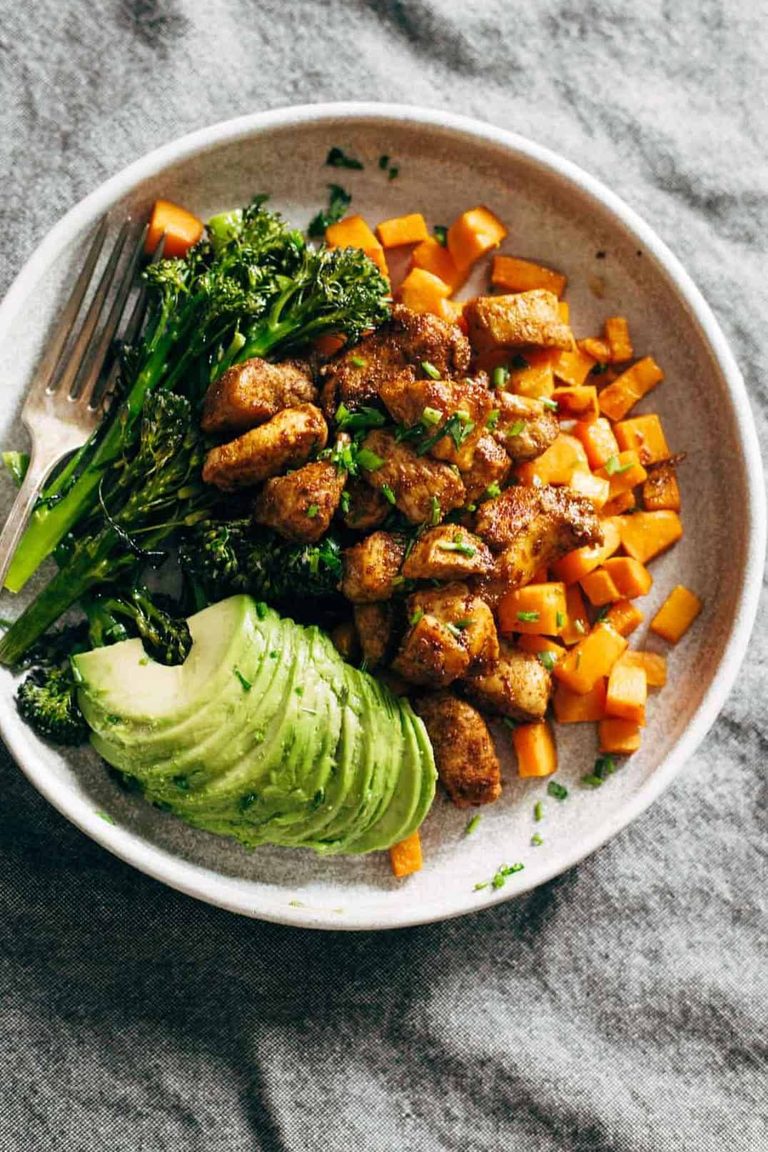
To maintain the quality of prepped meals, specific culinary techniques must be employed. "Sheet Pan Magic" is perhaps the most significant advancement in the field. By roasting chicken, sweet potatoes, and broccoli on three large sheet pans simultaneously, a preparer can produce a week’s worth of meals in approximately 45 minutes.
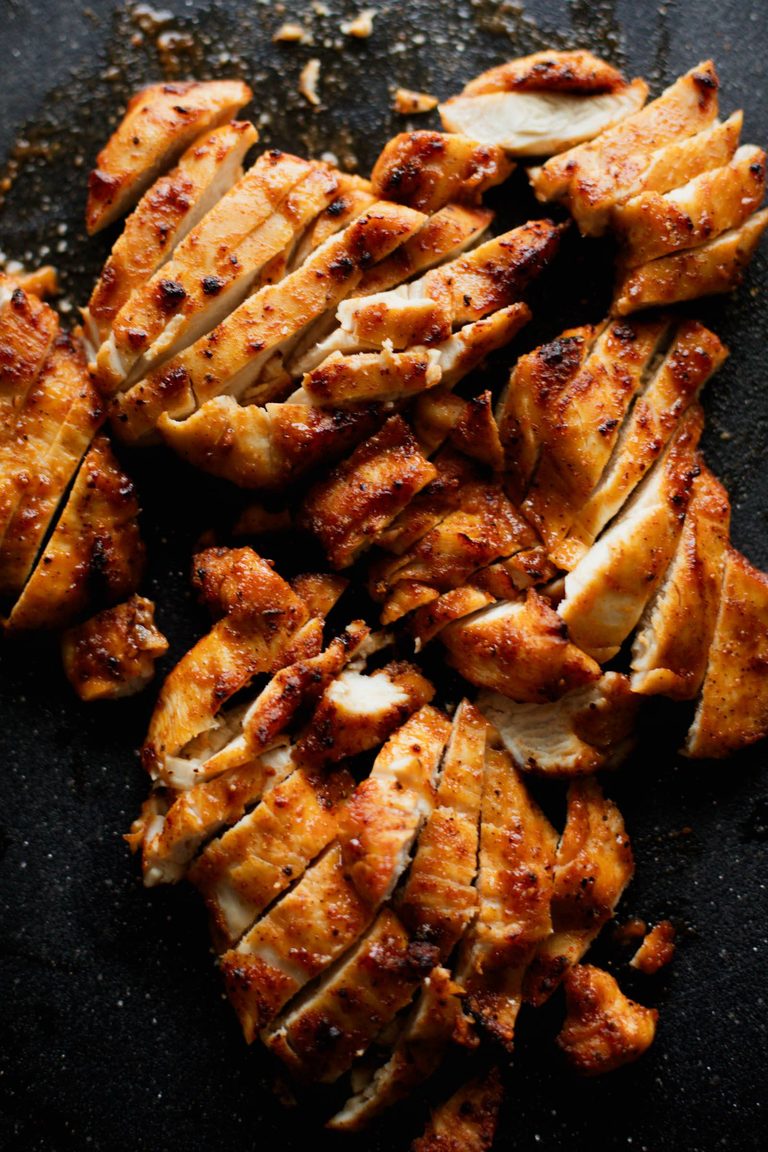
The use of the Air Fryer has also revolutionized the preparation of proteins. The "Ridiculously Good Air Fryer Chicken Breast" technique involves thinly slicing chicken and coating it in a mixture of spices, cornstarch, and a touch of sugar. This creates a "juicy perfection" that prevents the meat from becoming dry during the reheating process—a common complaint with traditionally baked poultry.
Technical Specifications: Storage and Container Management
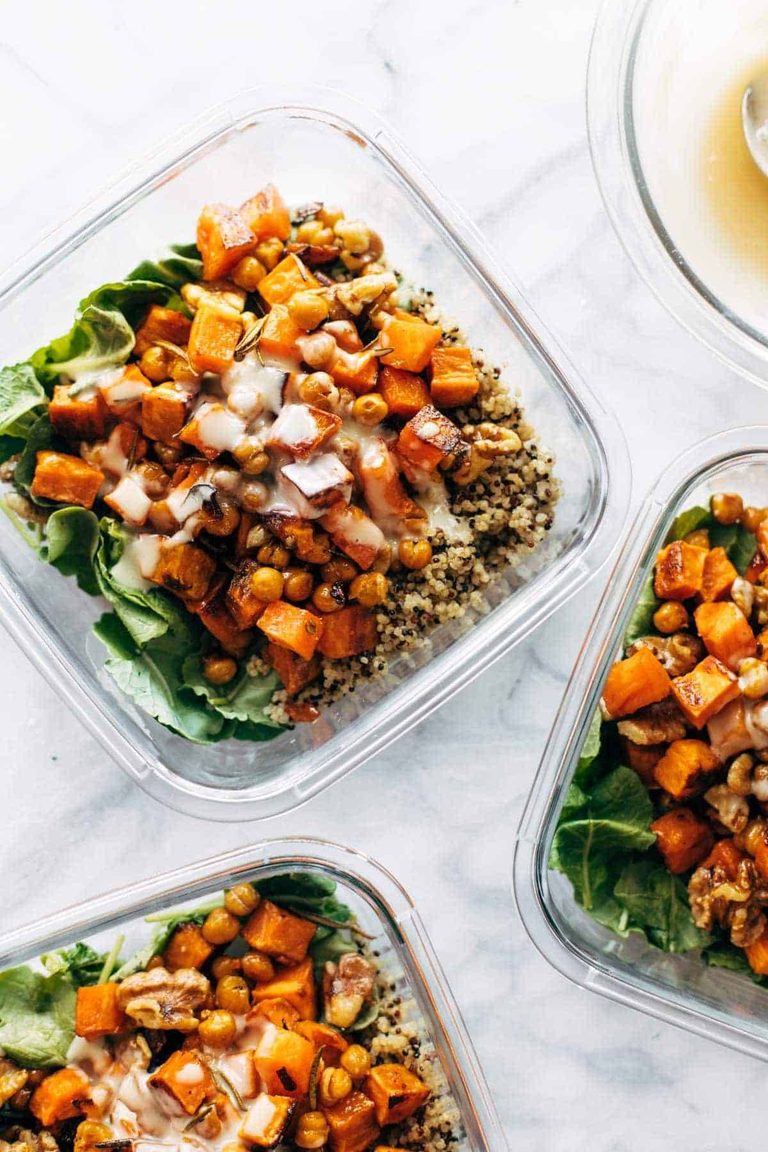
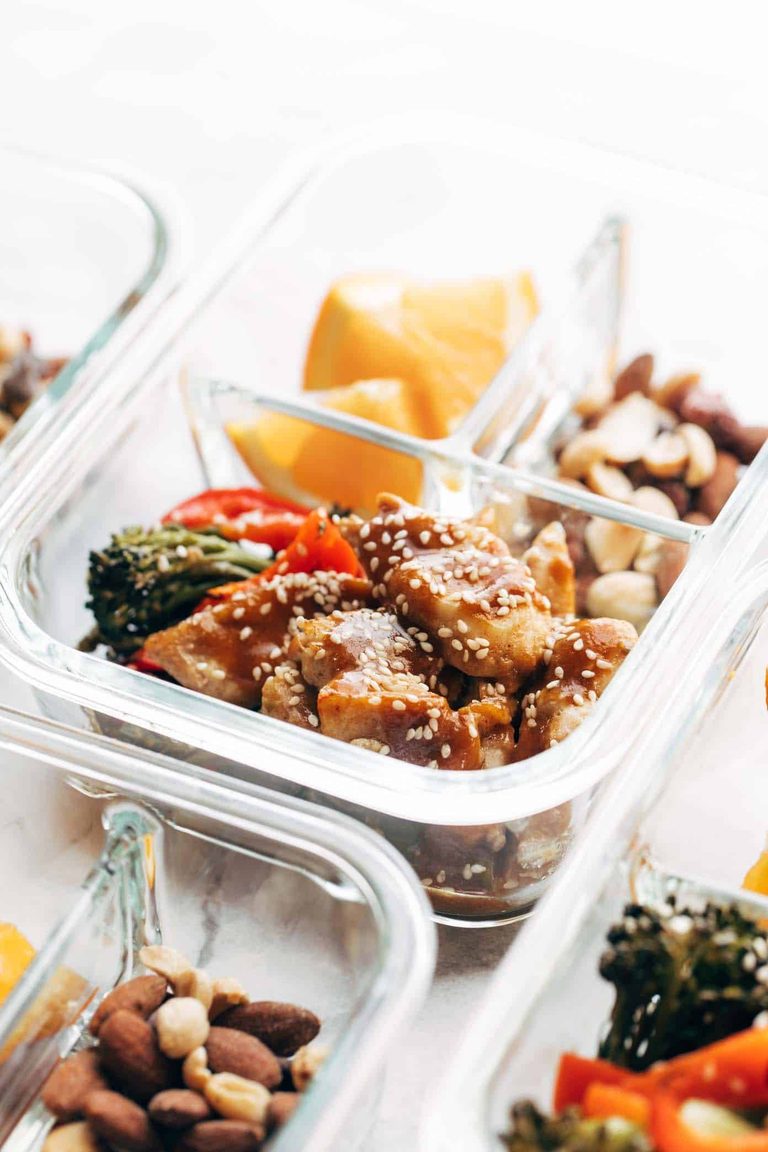
The success of a meal prep program is heavily dependent on the storage infrastructure. Experts recommend glass containers over plastic for several reasons:
- Chemical Stability: Glass does not leach chemicals into food during microwave reheating.
- Thermal Resistance: Glass can transition from the refrigerator to the oven or microwave more safely.
- Visibility: Clear containers allow for easy inventory management, reducing the likelihood of forgotten food and subsequent waste.
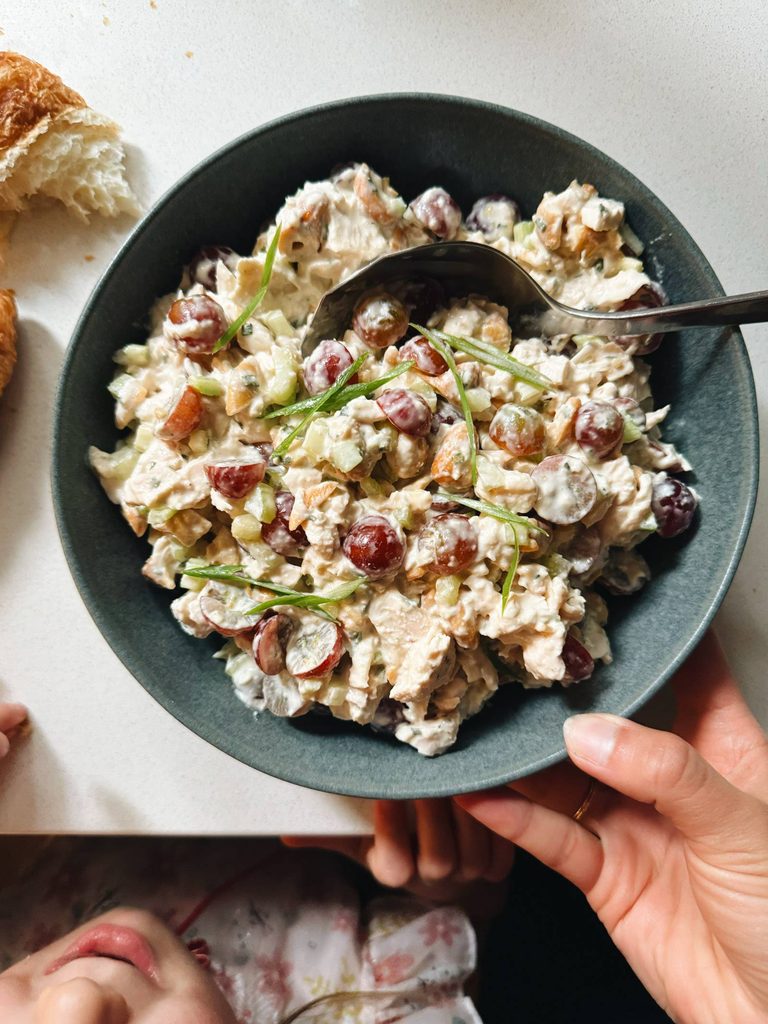
For freezer-specific items, such as the Spicy Chipotle Turkey Burritos or the Super Yummy Chicken Salad (when used in wraps), heavy-duty foil or vacuum-sealed bags are essential to prevent freezer burn and preserve the moisture content of the ingredients.
Expert Perspectives and Psychological Implications
Psychologists and productivity experts often discuss the concept of "prospective memory" and "pre-commitment" in the context of meal prepping. By preparing food in advance, an individual is making a "pre-commitment" to their health goals. When the time comes to eat, the decision-making process is removed, significantly increasing the probability of adhering to a healthy diet.
Nutritionists also point to the "halo effect" of meal prepping. When one aspect of a person’s life—such as their diet—is organized and controlled, it often leads to improved discipline in other areas, such as exercise and sleep hygiene. The "future you" concept mentioned by culinary practitioners is a simplified term for reducing cognitive load and stress.
Broader Impact and Environmental Sustainability
Beyond individual health and finance, meal prepping has broader societal implications. Food waste is a critical environmental issue, with the average household discarding nearly 30% of the food it purchases. Meal prepping addresses this by requiring a precise shopping list and ensuring that all purchased produce is processed and consumed.
Additionally, the reduction in takeout consumption leads to a decrease in single-use plastic packaging and carbon emissions associated with delivery services. As more households adopt these practices, the cumulative effect on waste reduction is significant.
Final Analysis: The Sustainability of the Meal Prep Lifestyle
The data suggests that meal prepping is not a fleeting trend but a fundamental shift in how people interact with food in a high-speed society. By combining culinary skill with logistical planning, individuals can reclaim their time and health. Whether through a 15-minute "Egg Roll in a Bowl" or a comprehensive "Freezer Meal" session that produces 22 dinners at once, the objective remains the same: the democratization of healthy eating through strategic preparation. As technology in the kitchen continues to advance—with smarter appliances and more efficient storage solutions—the barriers to entry for meal prepping will continue to fall, making it an accessible strategy for a wider demographic of the global population.
Related posts: