Authentic Thai Grilled Shrimp: A Street Food Favorite Reimagined for Home Cooks

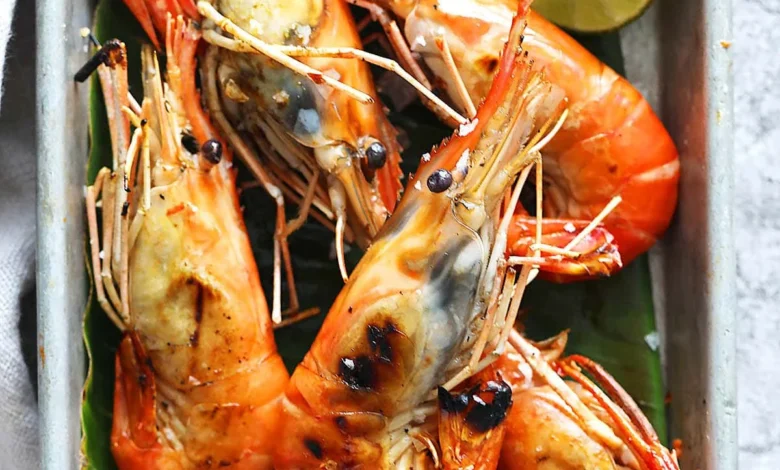
The vibrant culinary landscape of Thailand is renowned for its bold flavors and aromatic street food. Among its most cherished offerings is goong yang, or Thai grilled shrimp, a dish that captures the essence of smoky, fresh seafood grilled to perfection. This recipe offers an authentic taste of this street food favorite, meticulously adapted for home kitchens, emphasizing simplicity and the natural sweetness of the shrimp. Achievable in just 15 minutes, this dish promises to transport diners directly to the bustling markets of Thailand with every succulent bite.
The Allure of Goong Yang: A Taste of Thai Street Culture
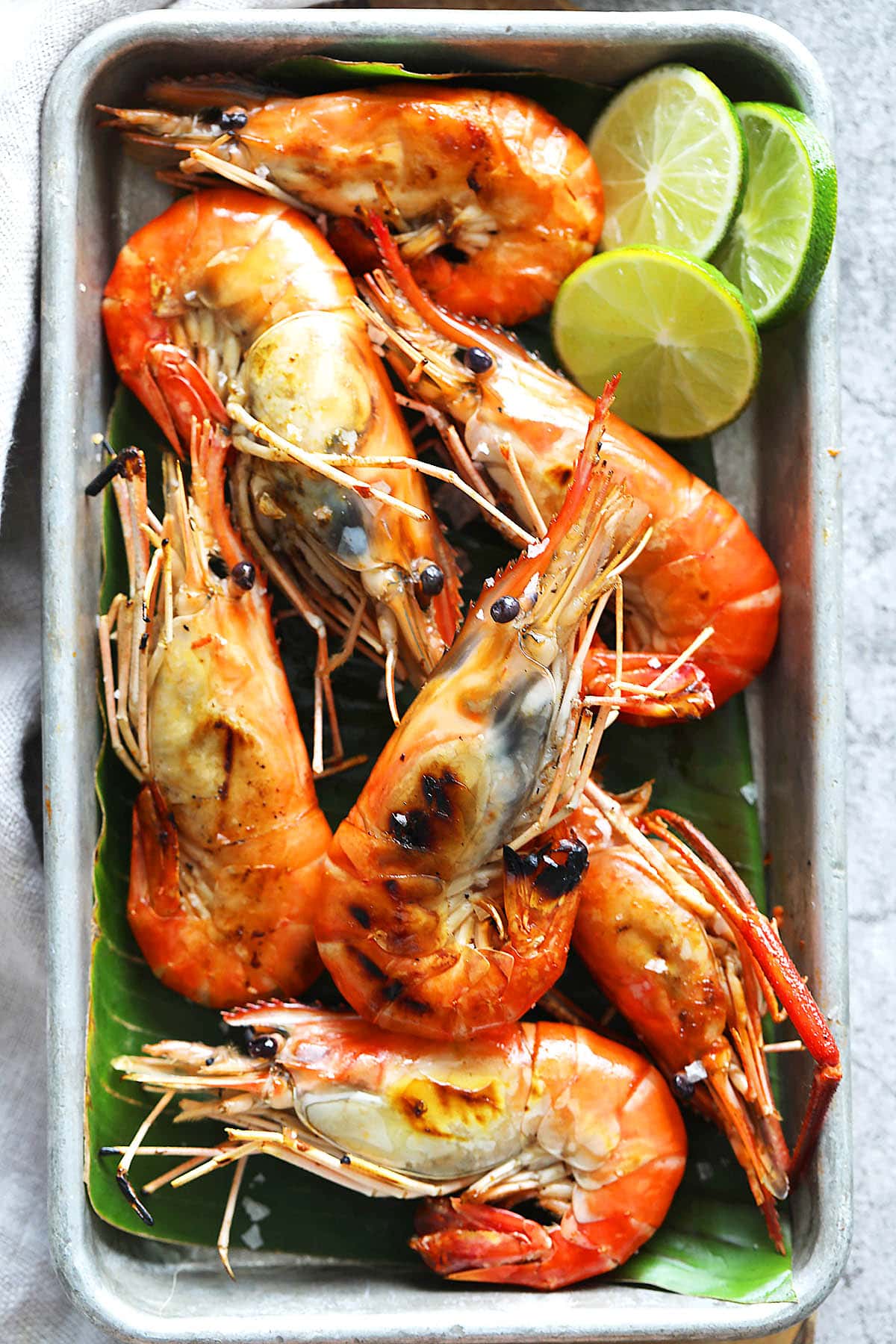
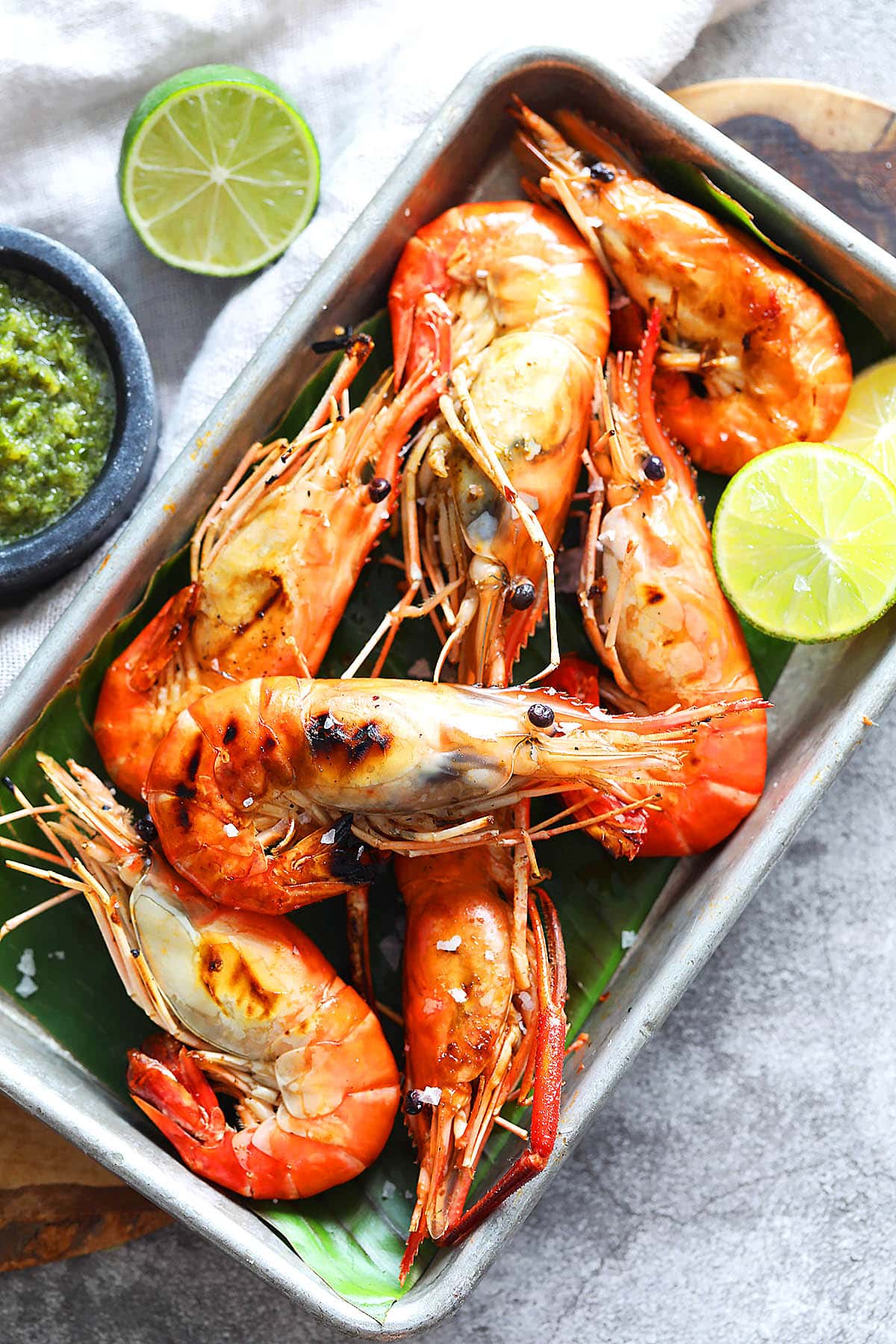
Thai grilled shrimp, or goong yang, is more than just a dish; it’s an experience. For many, it evokes memories of lively street markets, the air thick with tantalizing aromas, and the satisfying crackle of shrimp hitting a hot grill. The traditional preparation prioritizes the inherent quality of the seafood, allowing its natural sweetness and oceanic essence to shine through. This approach stands in contrast to some variations that heavily marinate or peel the shrimp, which can mask the delicate flavors and compromise the texture.
The author of this recipe highlights a key tenet of authentic goong yang: restraint in seasoning. By keeping the shells on, the shrimp are protected from the intense heat, ensuring they remain plump, juicy, and avoid the dreaded rubbery texture. This technique is a testament to the Thai culinary philosophy of letting fresh ingredients speak for themselves. The result is a dish that is both simple and profoundly satisfying, a perfect complement to a range of Thai staples like Thai Chicken Curry, Crab Fried Rice, or a simple bowl of steamed jasmine rice.
The Art of Selecting the Perfect Prawn
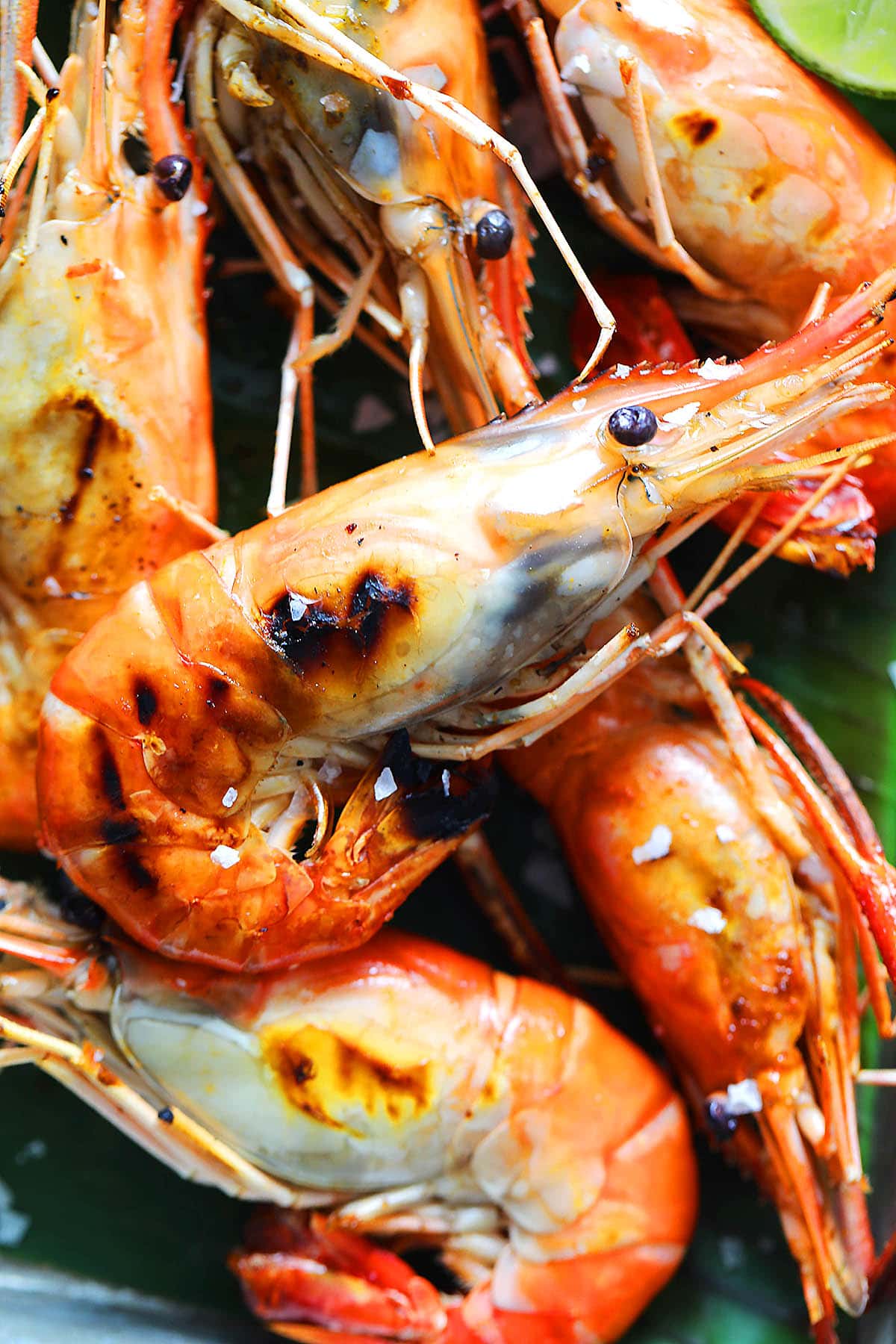
The choice of prawn significantly influences the final outcome of goong yang. In Thailand, freshwater river prawns are the preferred choice, prized for their rich, creamy tomalley found in the heads. This prized delicacy oozes out during grilling, imparting an unparalleled depth of flavor and richness to each bite. While these specific freshwater varieties might be sourced from Asian grocery stores, particularly in their frozen sections, their availability can vary.
For those unable to procure freshwater prawns, the recipe offers practical alternatives: regular shrimp or tiger prawns. The key, regardless of the variety, is to select medium to large-sized prawns and, crucially, to ensure they are purchased shell-on with their tails intact. The thick shells of tiger prawns, for instance, are exceptionally well-suited to the high heat of grilling, effectively sealing in moisture and preserving the shrimp’s sweet, firm texture. The emphasis on keeping the shells on is paramount; pre-peeled shrimp simply do not yield the same authentic result, as they lack the protective barrier that ensures juiciness.
A crucial tip for preparing frozen prawns involves their thawing process. To preserve their delicate texture, it is vital to avoid using warm water or microwaves. Instead, a gentle thawing in cold water for approximately 20 minutes just before cooking ensures they are perfectly defrosted and ready for even cooking on the grill.
Essential Ingredients for Authentic Flavor
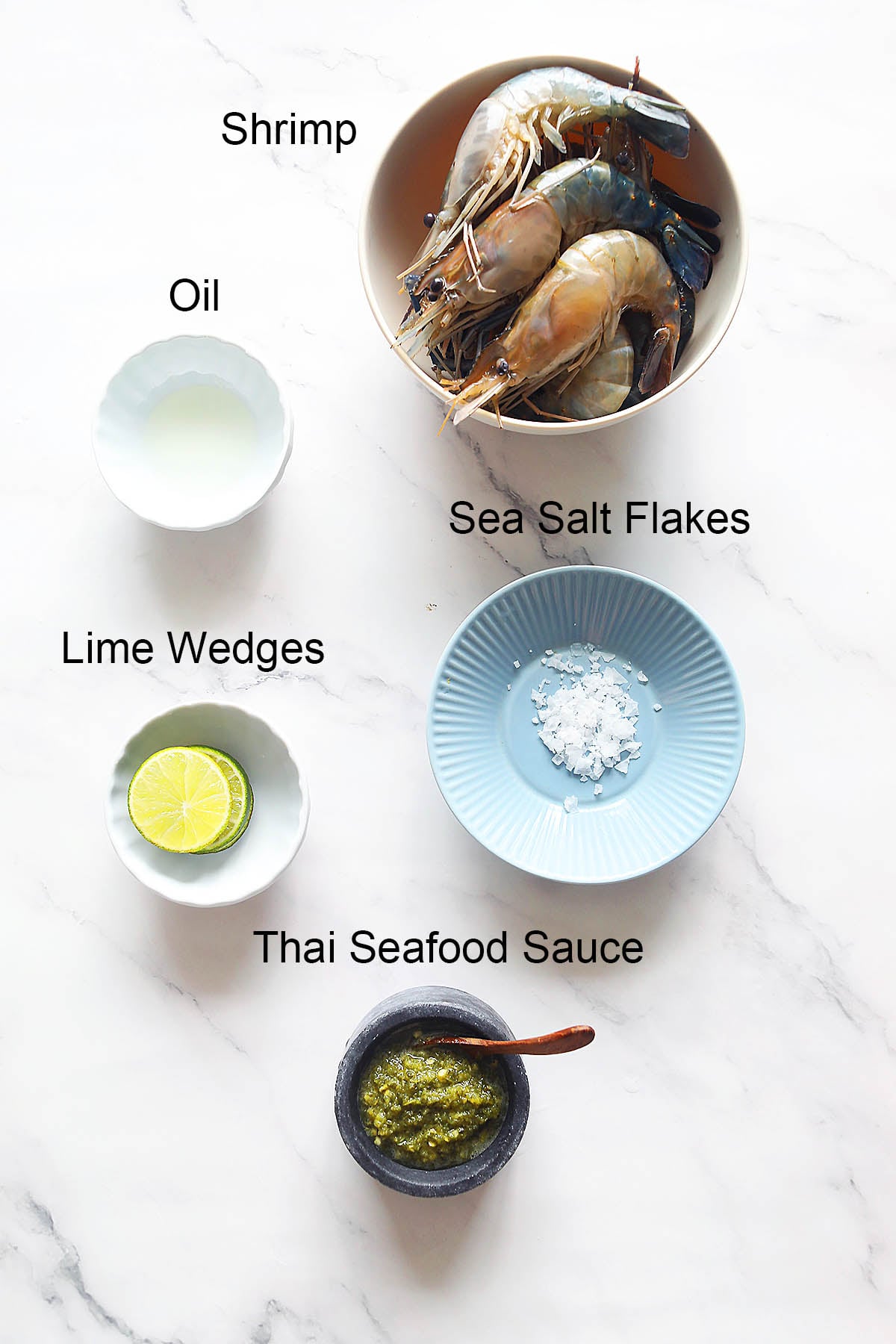
The beauty of this Thai grilled shrimp recipe lies in its minimalist ingredient list, focusing on quality and technique.
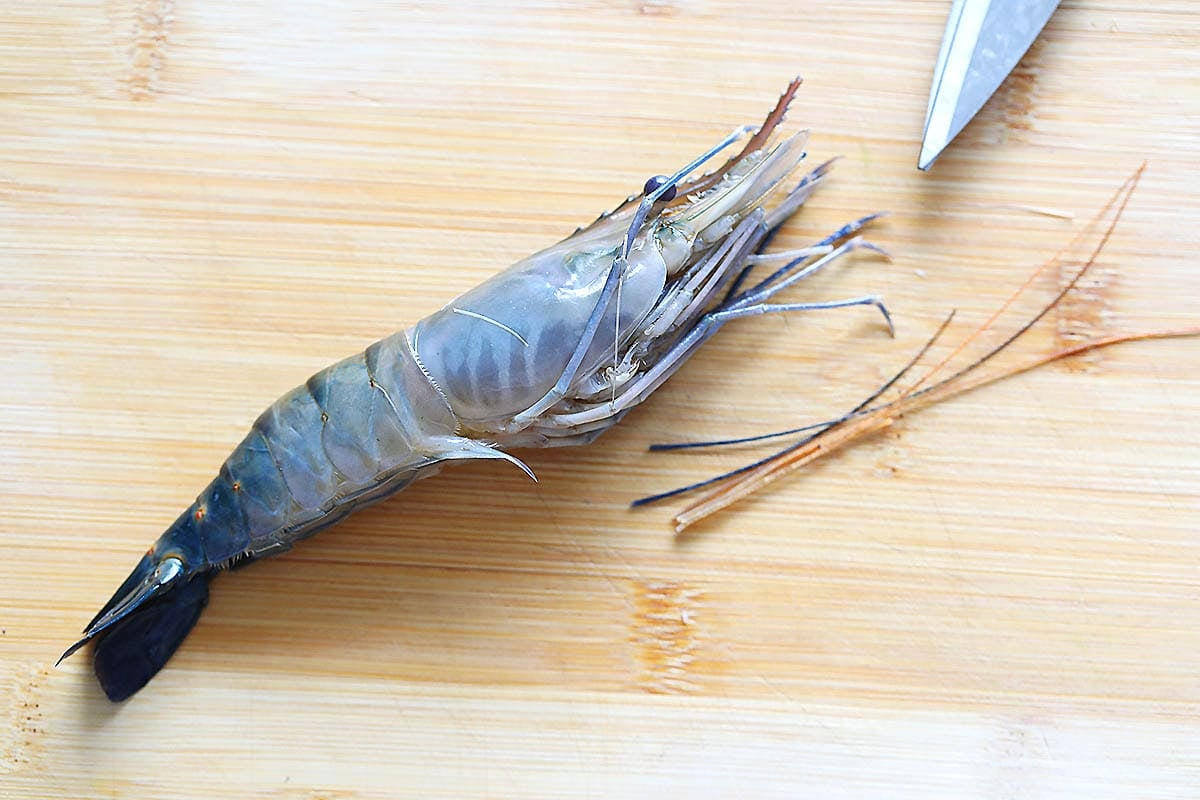
- Fresh Shrimp or Prawns: As discussed, shell-on with tails intact is essential. Freshwater prawns are ideal for their tomalley, but tiger prawns or large regular shrimp are excellent substitutes.
- Sea Salt Flakes: These are preferred for their ability to adhere to the shells and help create a perfect char. Coarse salt is a suitable alternative, and regular salt can also be used in a pinch.
- High Smoke Point Oil: Neutral oils such as canola, vegetable, or peanut oil are recommended. These oils can withstand high temperatures without burning or imparting unwanted flavors, ensuring the natural taste of the shrimp remains the star. Olive oil is generally not advised due to its lower smoke point.
The Grilling Process: A Quick and Flavorful Transformation
The preparation of Thai grilled shrimp is remarkably swift, typically taking no more than 15 minutes from start to finish. The process can be executed using a grill pan on the stovetop, making it accessible to most home cooks, or on an outdoor grill for an even more authentic smoky flavor.
Step-by-Step Guide to Perfect Grilled Shrimp
- Preparation: Begin by trimming the antennae of the shrimp using kitchen scissors. This small step makes handling much cleaner and prevents the long, thin antennae from burning on the hot grill.
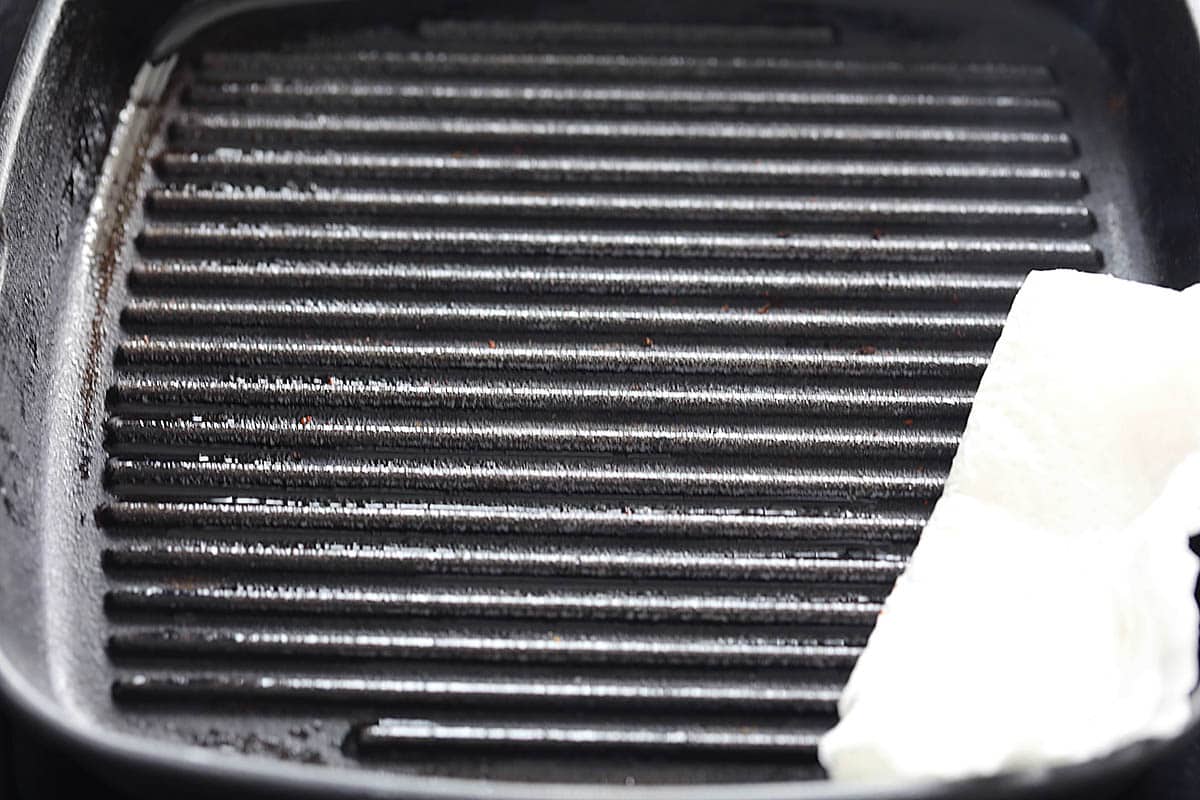
- Heating the Grill Pan: A grill pan or skillet should be heated over medium-high heat. A very light coating of oil is applied by wiping the hot surface with an oil-dipped paper towel. The aim is to create a non-stick surface without making the seafood greasy.
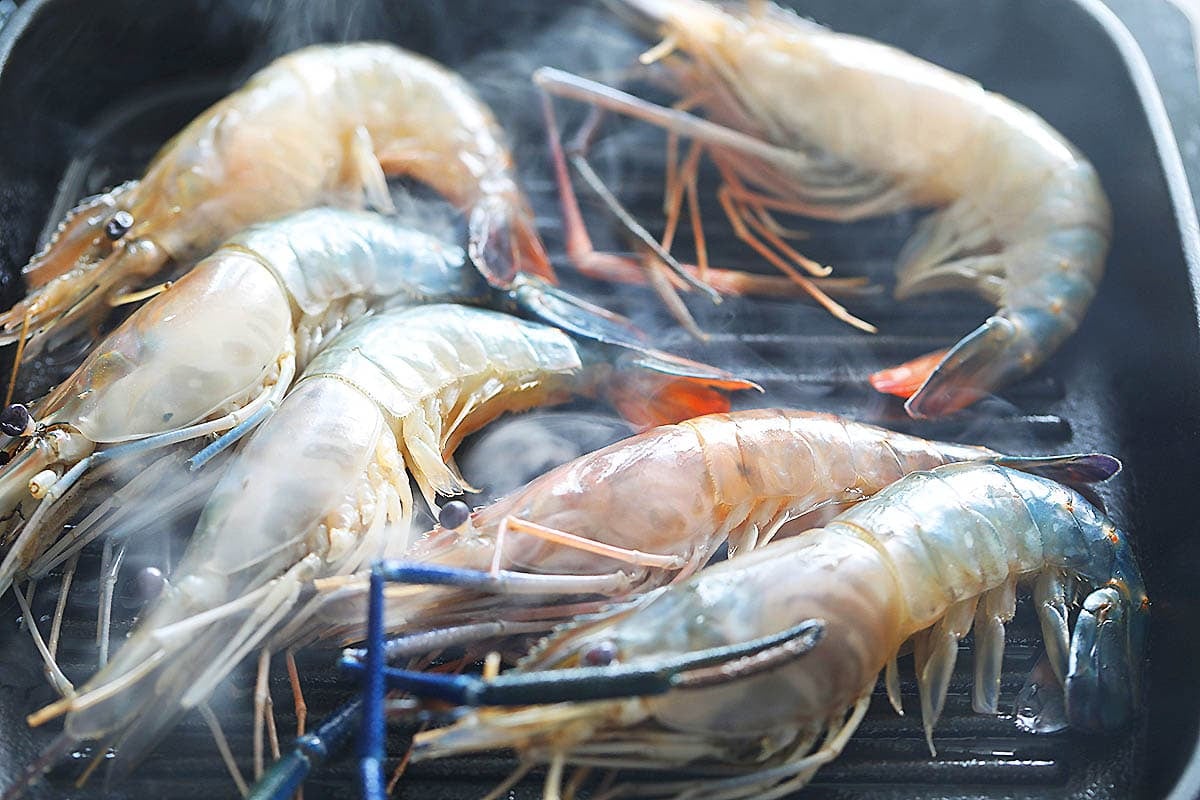
- Grilling the First Side: Arrange the prepared shrimp in a single layer on the hot grill pan. Allow them to cook for approximately 2 to 3 minutes. During this time, the underside of the shrimp will turn pink and begin to show slight char marks.
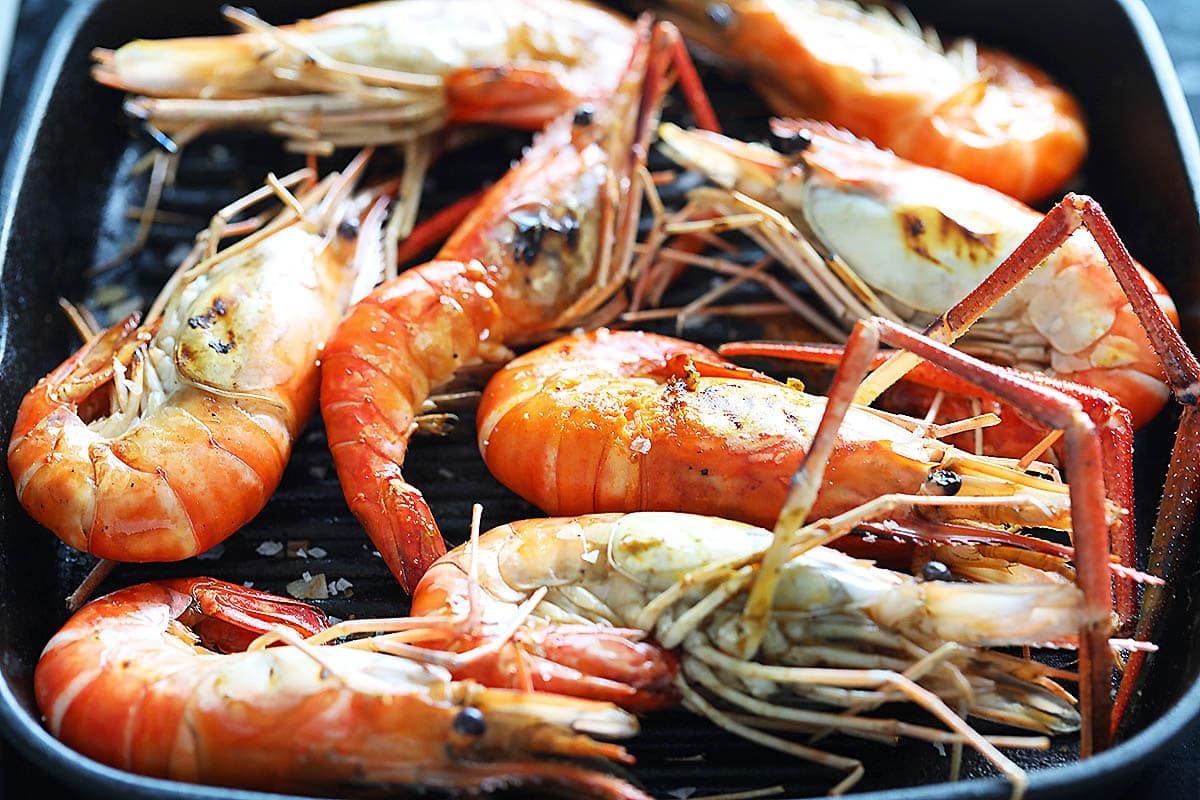
- Flipping and Seasoning: Once the first side is cooked, flip the shrimp. This is the moment to sprinkle them lightly with sea salt. Continue to cook for another 2 to 3 minutes, flipping occasionally. A final sprinkle of salt can be added as they finish cooking. The shrimp are perfectly done when they turn opaque pink and exhibit attractive char marks.
A Note on Doneness: The visual cue for perfectly cooked shrimp is their shape. As they cook, they will naturally curl into a loose "C" shape. This indicates they are plump and juicy. If they tighten into a compact "O" shape, they are likely overcooked and will be less tender.
Outdoor Grilling Adaptation: For those using an outdoor grill, the same cooking times and temperatures apply. To manage potential flare-ups from the open flame, it is advisable to brush the oil directly onto the shrimp shells rather than the grill grates. This ensures the shells protect the meat while infusing it with a characteristic smoky flavor.
Variations and Serving Suggestions
While the classic Thai grilled shrimp is celebrated for its simplicity, it pairs beautifully with a variety of accompaniments. The author suggests serving it alongside Thai Chicken Curry or Crab Fried Rice for a complete Thai meal. Alternatively, it can be a standalone appetizer, particularly when served with a vibrant Thai Seafood Sauce, a common dipping sauce in Thailand that balances spice, tang, and sweetness.
Frequently Asked Questions
What if I do not have a grill pan?
A heavy cast-iron skillet or a standard frying pan can be used effectively. While distinct grill marks may be absent, the pan will still achieve a beautiful and delicious sear on the shrimp.
Do I need to devein the shrimp if the shells are on?
While not strictly necessary for this preparation, deveining is an option for those who prefer it. A sharp pair of kitchen scissors can be used to carefully snip open the back of the shell and remove the vein, while keeping the rest of the shell intact.
What if my shrimp are sticking to the grill pan?
Sticking can occur if the pan is not sufficiently hot when the shrimp are added, or if it lacks adequate oil. Ensure the pan is thoroughly preheated, to the point of a slight shimmer or wisp of smoke, before placing the shrimp in a single layer.
How do I store leftovers?
Leftover grilled shrimp should be cooled completely before being stored in an airtight container in the refrigerator for up to two days. It’s worth noting that the tomalley in the heads can develop a stronger flavor over time. For optimal enjoyment, consider peeling any leftover shrimp and incorporating them into dishes like cold noodle salads, quick seafood fried rice, or stir-fries the following day.
Nutritional Information:
This recipe, yielding approximately two servings, contains around 188 calories per serving. It is rich in protein (40g) with minimal fat content (3g), including a small amount of saturated fat (0.3g). Cholesterol levels are notable at 322mg, reflecting the natural composition of shrimp. Sodium content is approximately 1401mg. This nutritional breakdown is an approximation and can vary based on the specific type and size of shrimp used.
This authentic Thai grilled shrimp recipe offers a gateway to experiencing a beloved street food classic. Its simplicity, speed, and focus on fresh, high-quality ingredients make it an accessible yet deeply satisfying culinary endeavor, bringing a taste of Thailand’s vibrant street markets directly to your table.