The Evolution of Toum: How a Kitchen Experiment Revolutionized the Classic Lebanese Garlic Sauce

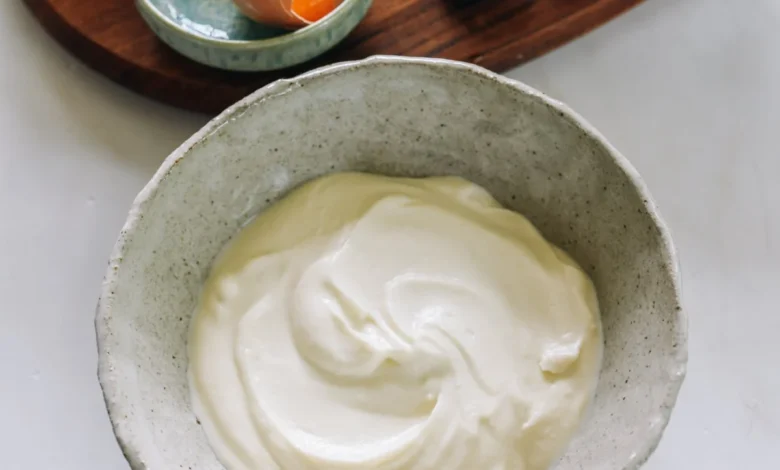
The culinary world has long revered toum—the potent, creamy, and undeniably addictive Lebanese garlic sauce traditionally served alongside shawarma, grilled chicken, and roasted lamb. Beloved for its sharp pungency softened by silky emulsion, authentic toum has historically been a notoriously fickle preparation for home cooks. Recently, however, a breakthrough culinary experiment has yielded a simplified, foolproof method that promises to eliminate the kitchen frustration traditionally associated with this Mediterranean staple. Developed through iterative trial and error by amateur home cooks Bill and David, and popularized through culinary archives, this modified recipe incorporates a non-traditional stabilizing agent—egg white—and high-speed bullet blenders, fundamentally altering the accessibility of the condiment for home kitchens.
Traditional Roots and the Mechanics of Emulsion
To understand the significance of this culinary modification, one must examine the baseline composition of traditional toum. Historically, authentic Lebanese toum relies on a minimal ingredient list: fresh garlic cloves, neutral oil, lemon juice, ice water, and salt. The alchemy of the sauce depends entirely on achieving and maintaining a delicate oil-and-water emulsion.
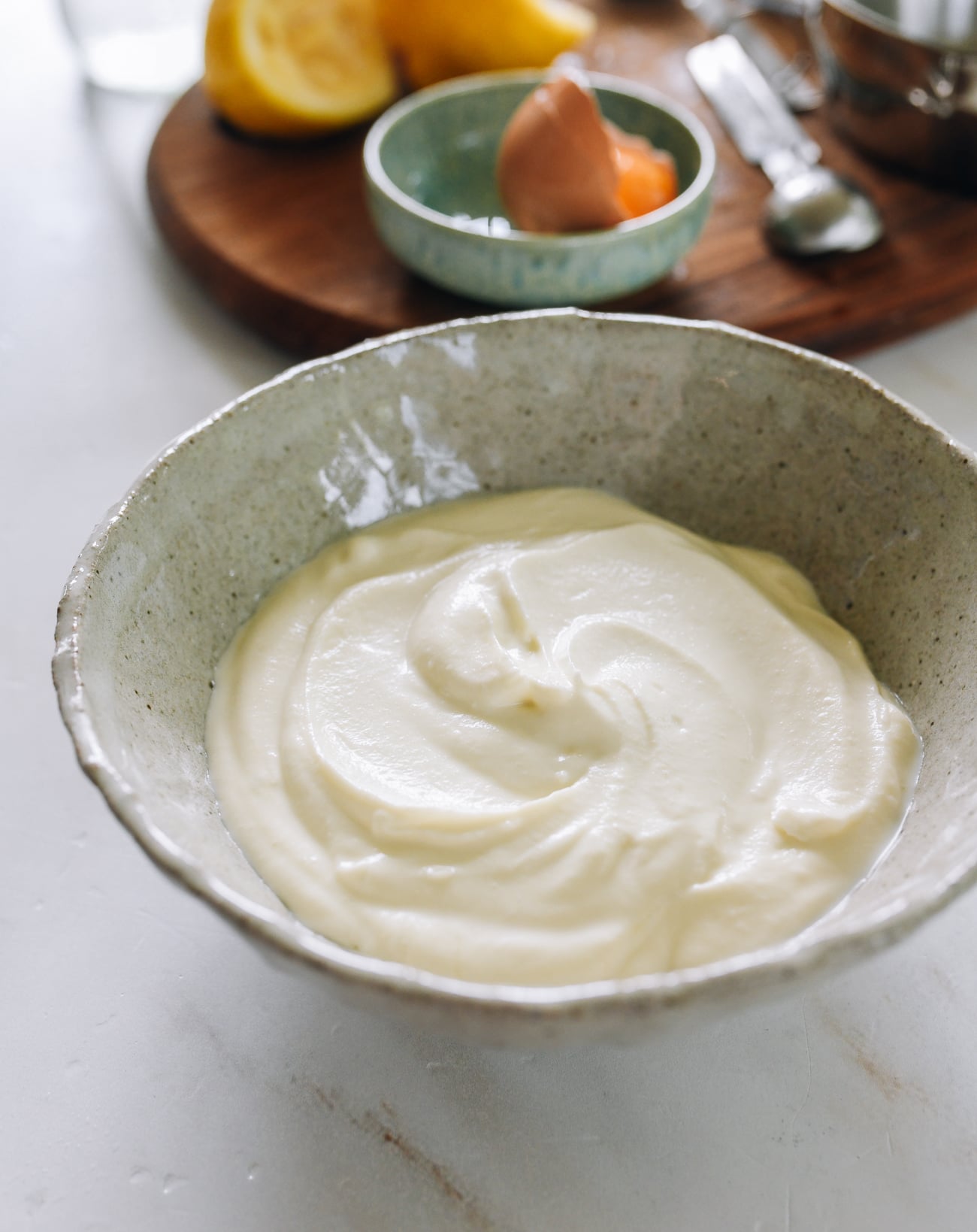
In a traditional preparation, peeled garlic cloves are pounded or blended with salt until a paste forms. From there, neutral oil and lemon juice or ice water are alternated in a slow, persistent, pencil-thin stream while the food processor runs continuously. If the oil is added too quickly, or if the temperature fluctuates even slightly, the emulsion breaks. The result is a curdled, greasy, and stubbornly unmixable liquid that defies standard rescue attempts. For decades, this technique required a degree of culinary patience and precision that deterred many home cooks from attempting the sauce outside of a restaurant setting.
The Genesis of the Modified Recipe
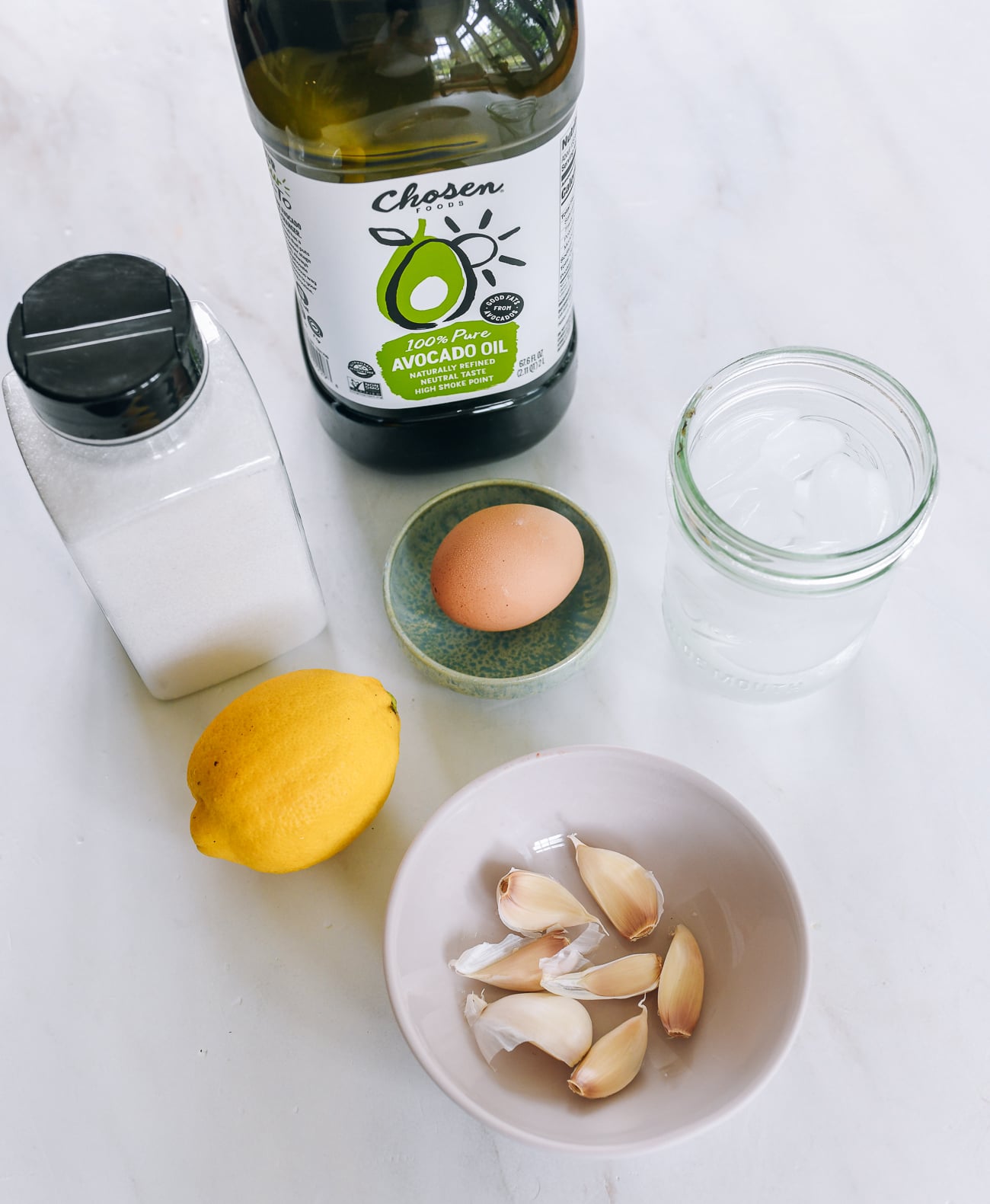
The journey toward a streamlined toum recipe began as an informal kitchen quest. Bill and David, driven by a mutual appreciation for the garlic sauce served at their local falafel and shawarma establishments, set out to reverse-engineer the condiment in a domestic kitchen.
Initial attempts were fraught with common culinary obstacles. According to project logs, early iterations frequently failed to emulsify properly. Equipment limitations posed a primary hurdle; standard stick blenders proved insufficiently powerful to generate the shearing force required for a stable garlic-and-oil suspension. Weeks of trial and error yielded inconsistent results, leading observers to question the viability of a simplified domestic version.
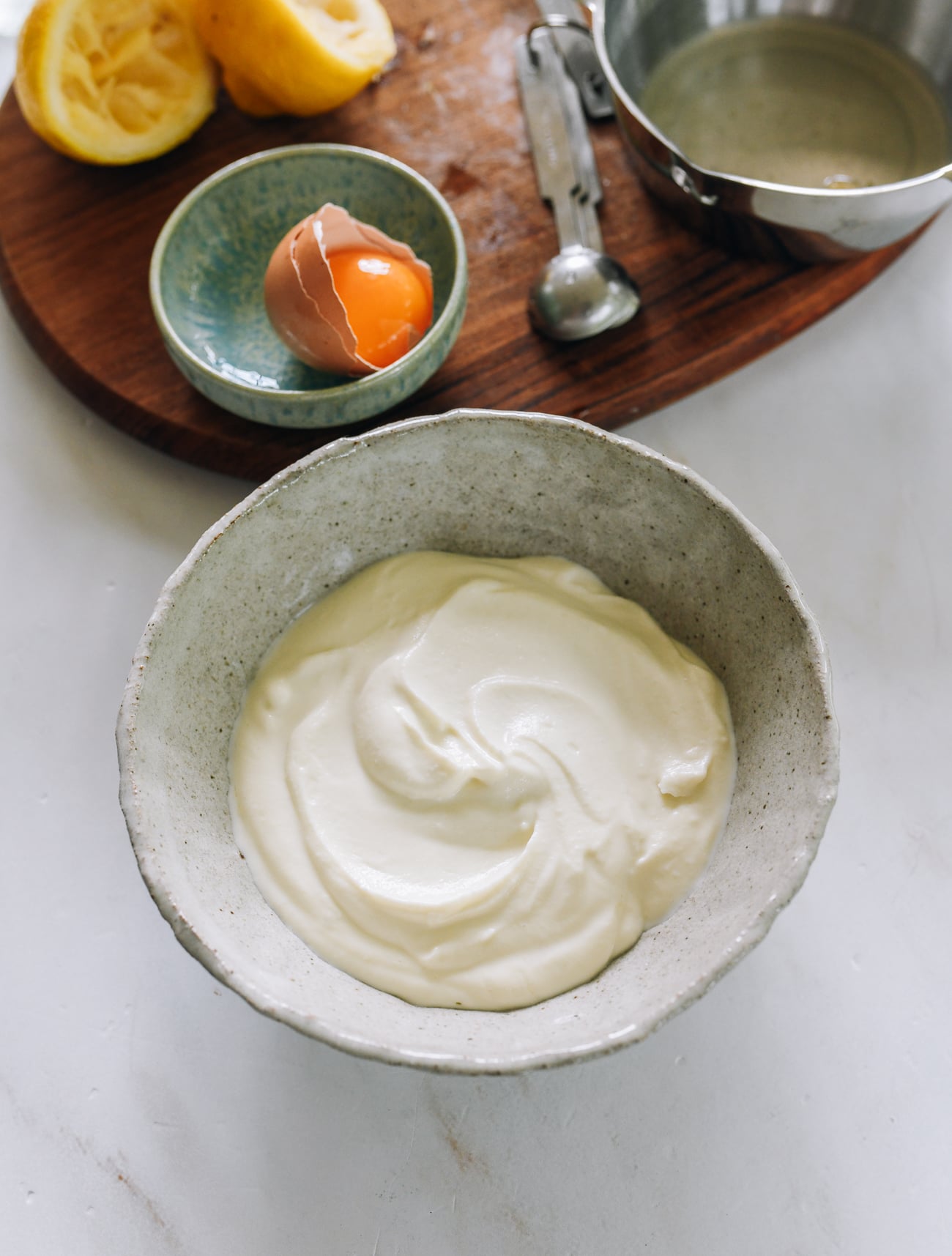
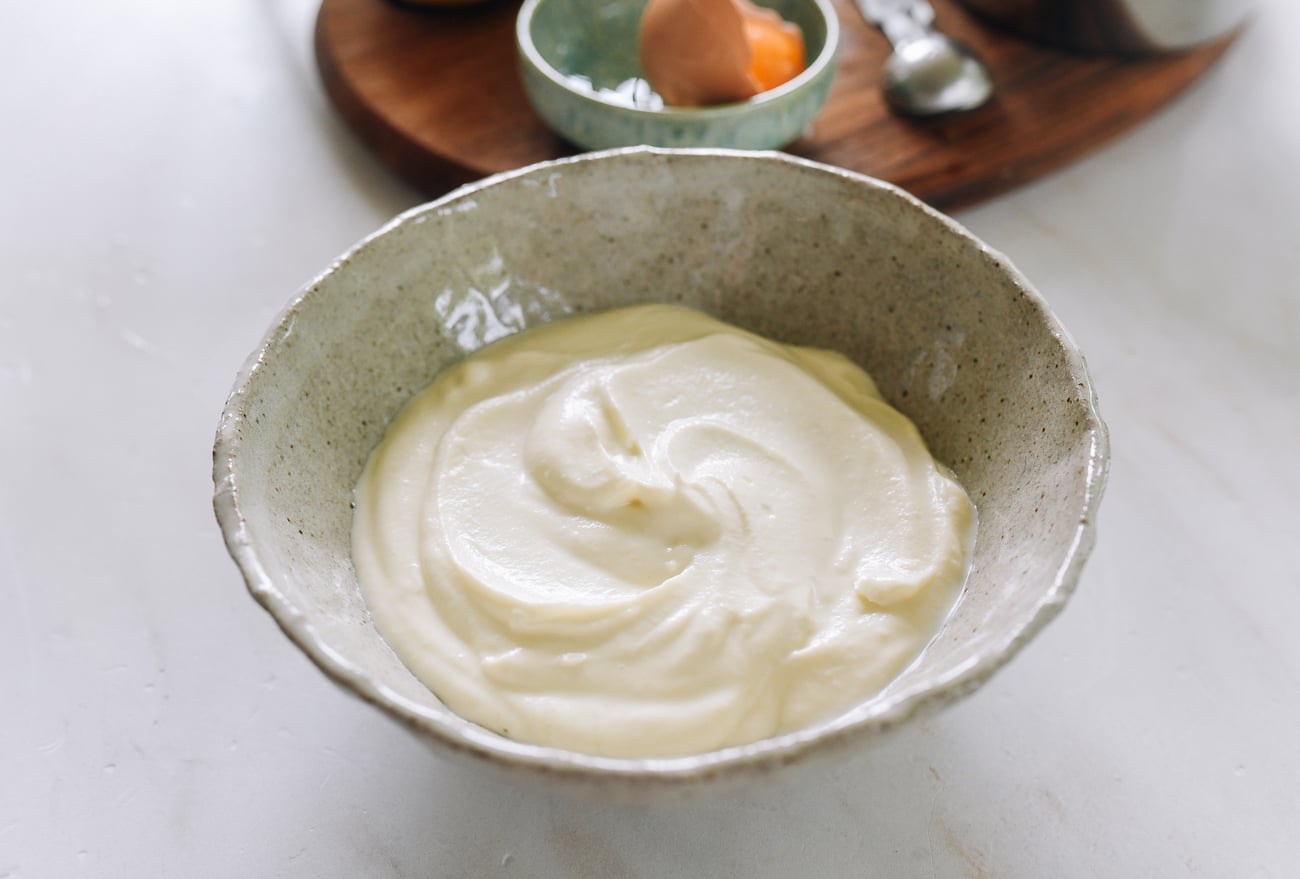
The turning point arrived when David introduced two critical changes to the protocol: the integration of an egg white as a structural stabilizer and the adoption of a small-capacity, high-speed bullet blender. While egg whites have occasionally been utilized by professional and home chefs as an emergency remedy to rescue a broken emulsion, introducing it at the inception of the blending process acts as a proactive shortcut. The protein matrix within the egg white traps air and oil droplets instantly, producing a stable, fluffy texture without the requirement of a slow, measured pour. Furthermore, the compact volume of a personal bullet blender was found to be uniquely suited to processing the smaller quantities typically required for household consumption, ensuring complete blade contact and uniform aeration.
Technical Specifications and Ingredient Selection
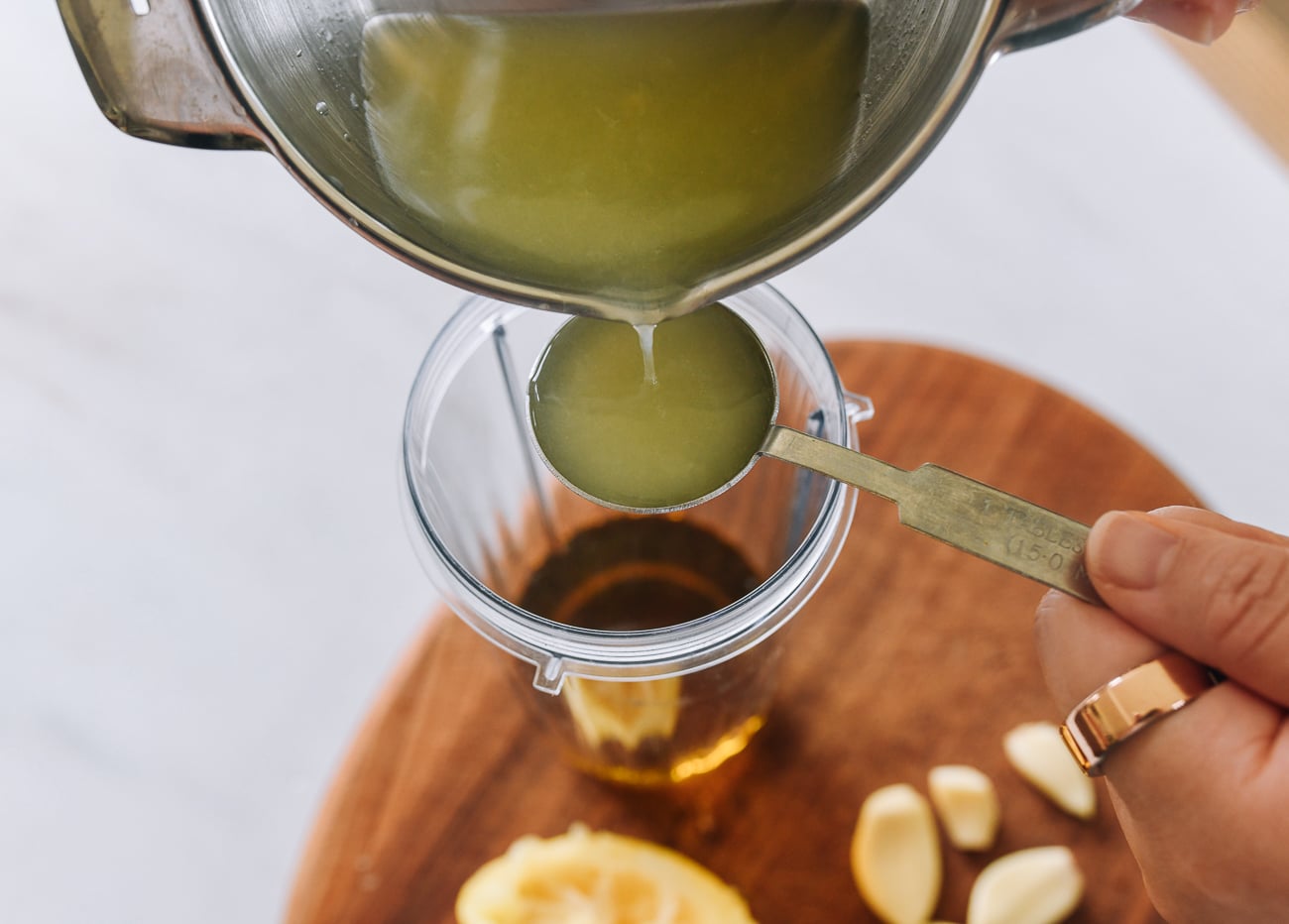
Culinary analysis of the refined recipe reveals specific parameters necessary for optimal results. While home cooks often default to trendy cooking fats such as avocado oil or extra virgin olive oil, empirical testing by the recipe developers determined that high-quality, expeller-pressed canola oil remains the superior choice. Avocado and olive oils introduce distinct flavor profiles and heavier molecular weights that can weigh down the sauce, whereas neutral canola oil preserves the stark, clean brightness of the garlic and lemon while achieving maximum viscosity and a pristine white color.
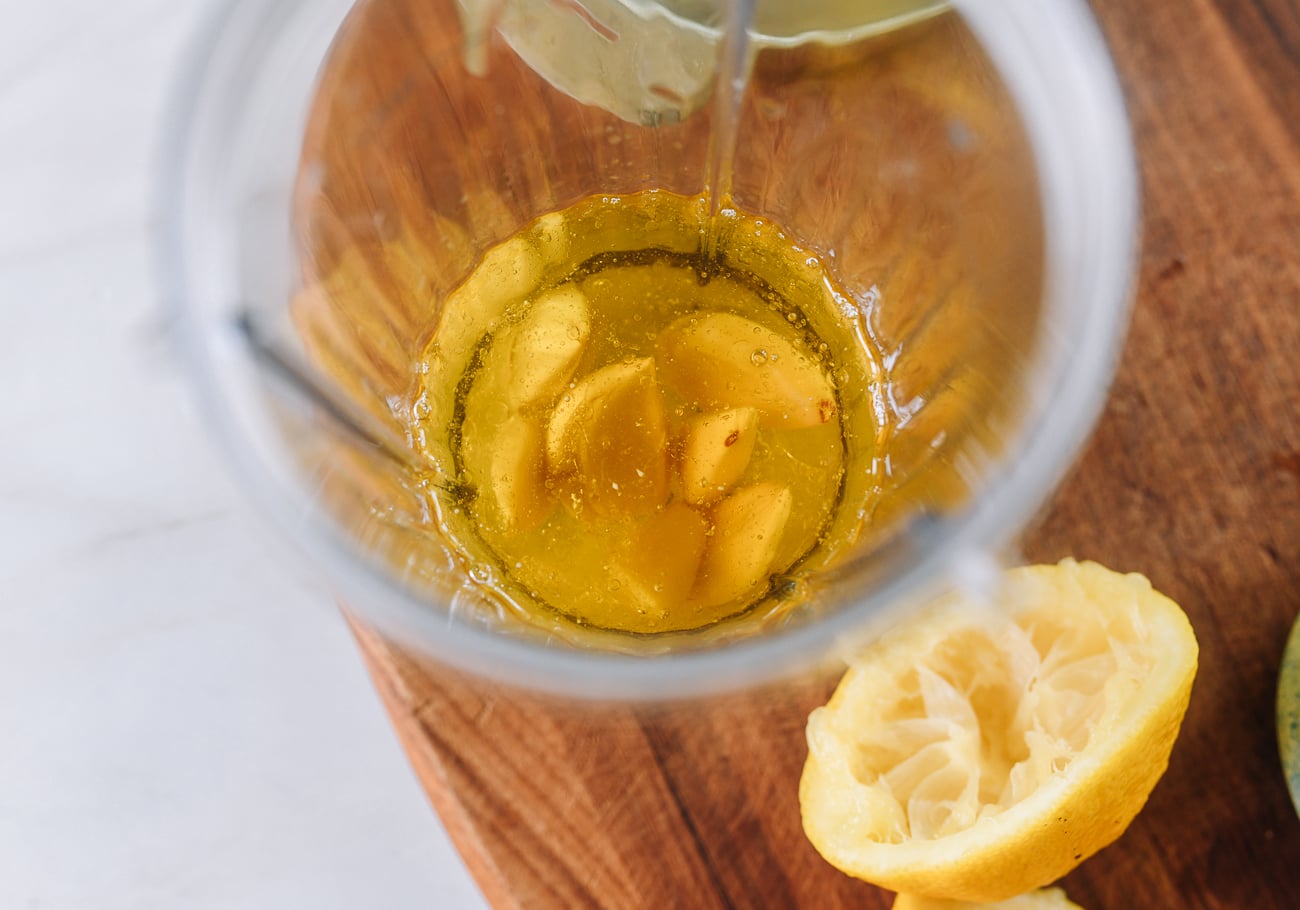
Attention to raw ingredients is equally critical. Culinary educators and developers emphasize the necessity of utilizing fresh garlic cloves rather than pre-peeled or aged garlic. Furthermore, removing the internal green sprout—or germ—from the garlic cloves prevents bitter flavor compounds from permeating the emulsion. When combined with pasteurized egg whites, ice-cold water for temperature regulation, and fresh lemon juice, the resulting sauce maintains food safety standards while extending refrigerator storage stability to one to two weeks under proper refrigeration and hygiene practices.

Broader Culinary Implications and Cultural Adoption
The popularization of this simplified toum method carries notable implications for modern home cooking and the broader democratization of ethnic cuisine. As Mediterranean and Middle Eastern flavors continue to anchor mainstream culinary trends, barriers to entry—such as complex emulsion techniques—often limit home preparation. By bridging the gap between traditional flavor profiles and accessible kitchen technology, innovations of this nature encourage home cooks to bypass commercial, mass-produced alternatives.
Beyond its traditional pairings with lamb chops, roasted potatoes, and grilled poultry, the versatile nature of the modified toum has sparked secondary culinary applications. Food scientists and home cooks note that leftover toum, when left uncovered for extended periods in refrigeration, undergoes moisture evaporation that alters its structural integrity. The resulting texture closely mirrors artisanal goat cheese or soft feta, offering a plant-based or dairy-free alternative for individuals seeking functional substitutes in salads and spreads.
Economic and Practical Value

From a practical standpoint, the adoption of a reliable home-batch method addresses common consumer frustrations associated with dining out. Fast-casual Mediterranean eateries frequently ration garlic sauce, providing minimal portions that often prompt supplemental purchases. By utilizing domestic equipment to produce large batches at a fraction of commercial costs, consumers gain economic efficiency alongside culinary autonomy.
The evolution of toum from a guarded restaurant secret requiring artisanal precision to an accessible, blender-ready household staple underscores the ongoing intersection of traditional gastronomy and modern kitchen convenience. As home cooks continue to refine foundational recipes through pragmatic experimentation, classic dishes are successfully adapted for contemporary lifestyles without sacrificing their core sensory appeal.