Moo Shu Chicken Redefines the Intersection of Authentic Northern Chinese Heritage and American Takeout Culture

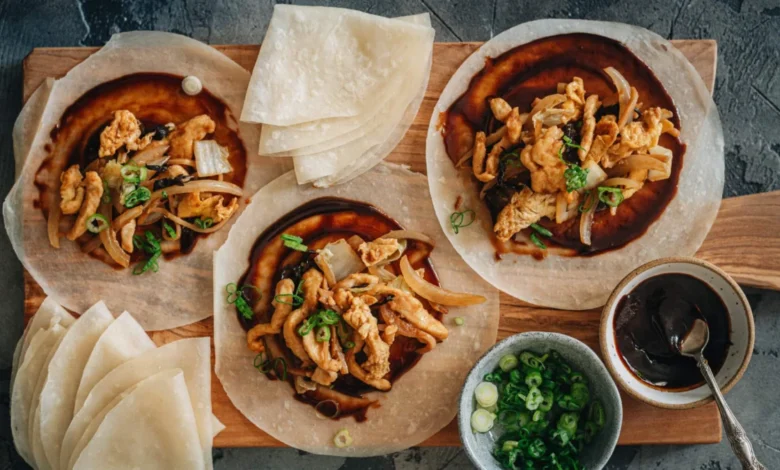
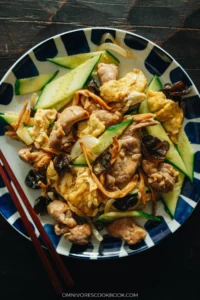
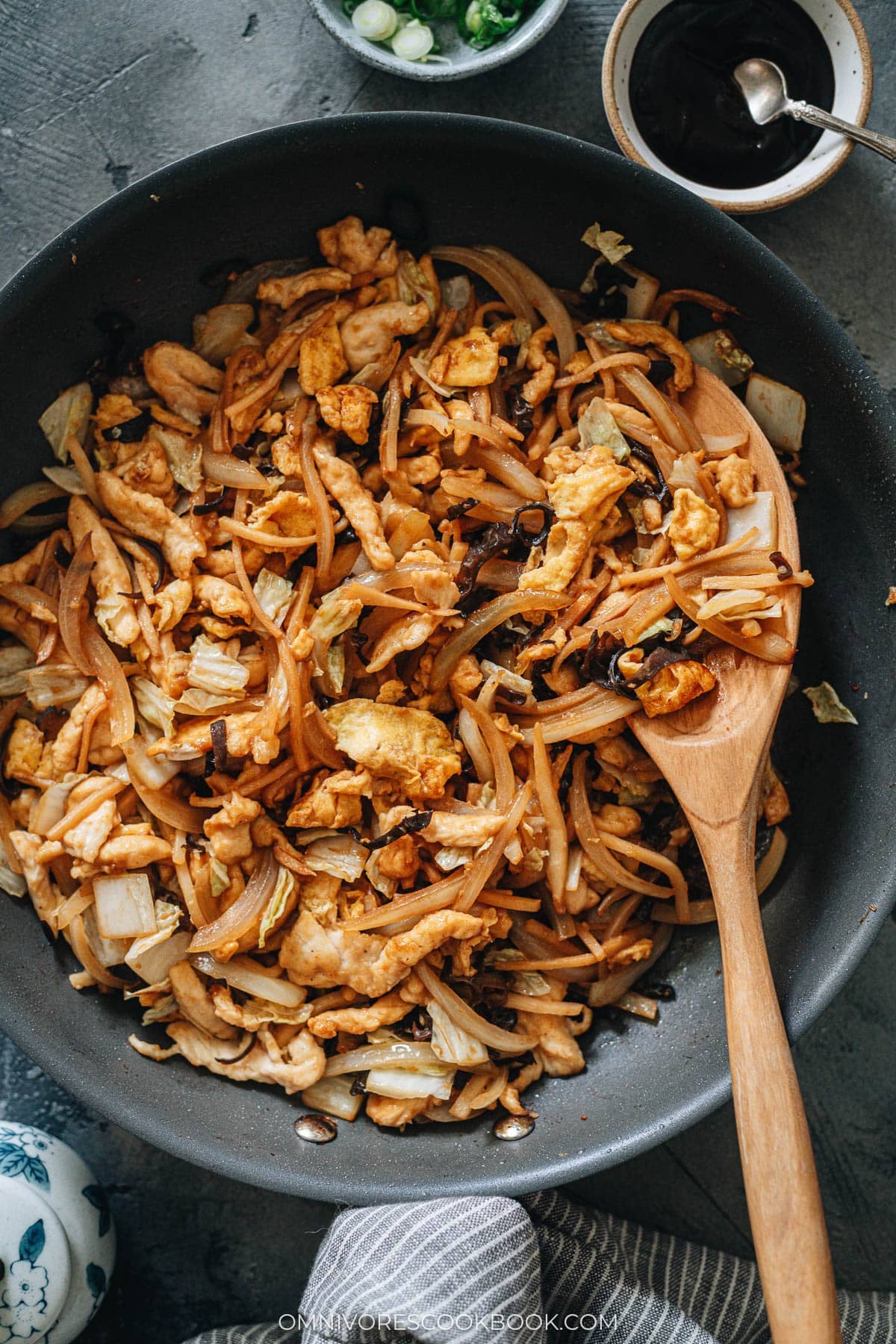
Moo shu pork has long stood as a pillar of Northern Chinese culinary tradition, yet the version popularized across American Chinese restaurants bears only a familial resemblance to the dish traditionally served in Beijing and surrounding provinces. Historically, authentic moo shu pork is characterized by a simple, savory stir-fry of thinly sliced pork, eggs, wood ear mushrooms, and seasonal vegetables, traditionally accompanied by steamed rice rather than delicate, paper-thin pancakes. However, the evolution of Chinese cuisine in North America birthed a distinct hybrid: a vibrant dish featuring warm pancakes, a rich sweet-savory sauce, and a complex interplay of textures designed for interactive dining. Culinary developers and home cooks alike are increasingly embracing this fusion, creating elevated iterations that outperform standard restaurant fare by prioritizing fresh ingredients, precise technique, and balanced nutritional profiles.
Culinary Evolution and Cultural Hybridization
The transformation of moo shu from a regional Chinese comfort food into an American takeout staple illustrates the broader adaptation of immigrant cuisine to local palates. In its homeland, northern provinces utilized readily available agricultural products, relying on napa cabbage, bamboo shoots, and foraged wood ear mushrooms to provide bulk and texture. When these recipes migrated to North America during the mid-20th century, chefs adapted them to local ingredient availability and consumer preferences, introducing sweet bean sauces (Tian Mian Jiang) and interactive wheat pancakes.
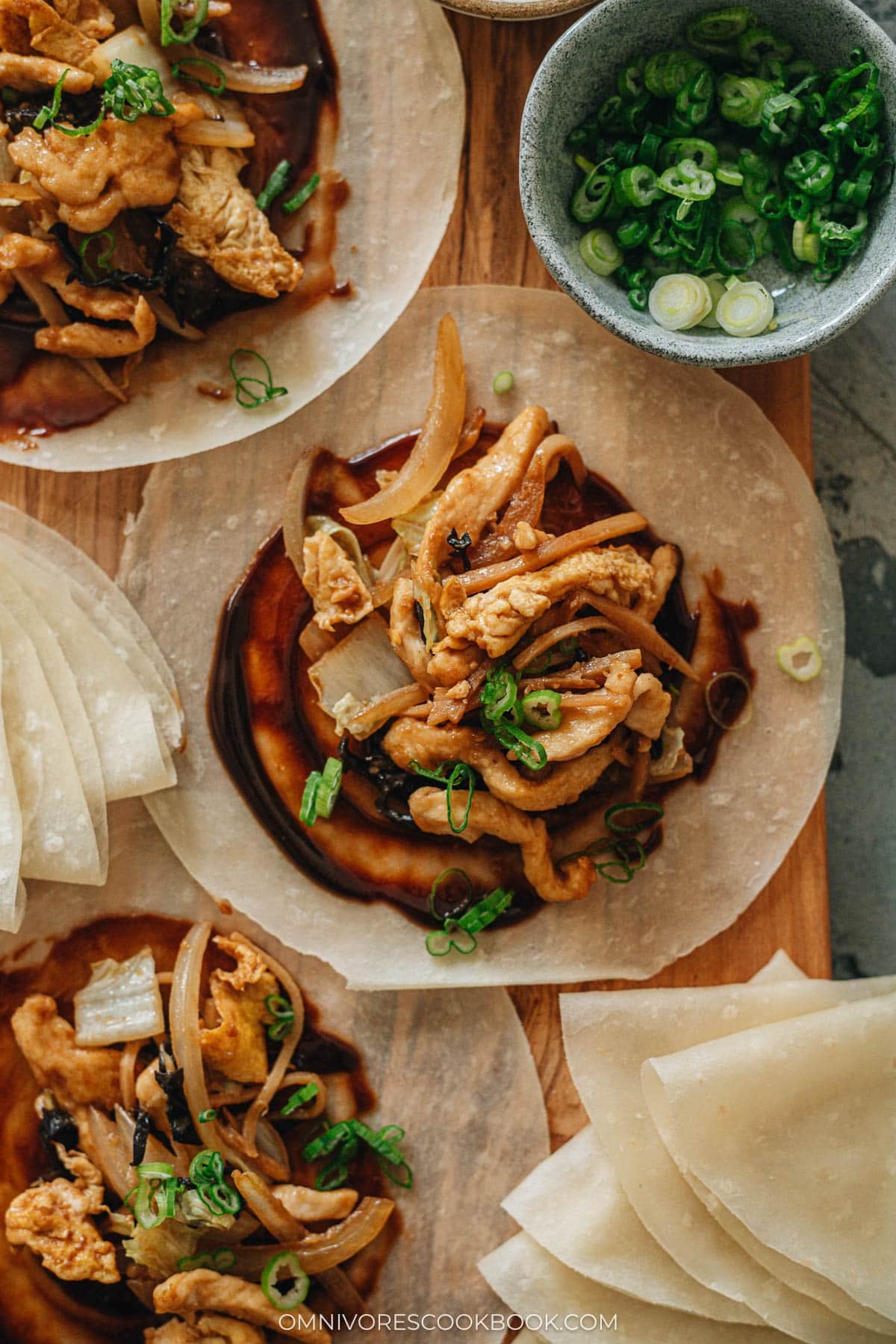
Modern interpretations seek to bridge the gap between these two worlds. By substituting pork with tender poultry and utilizing authentic preparation methods—such as velvetizing meat with cornstarch and Shaoxing wine—contemporary recipes maintain the integrity of Chinese stir-fry techniques while delivering the comforting flavor profile expected by Western consumers. This approach not only honors the dish’s dual heritage but also elevates its nutritional value, offering a balanced meal rich in lean protein and fiber.
Anatomical Breakdown of a Modern Stir-Fry
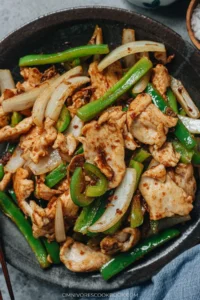
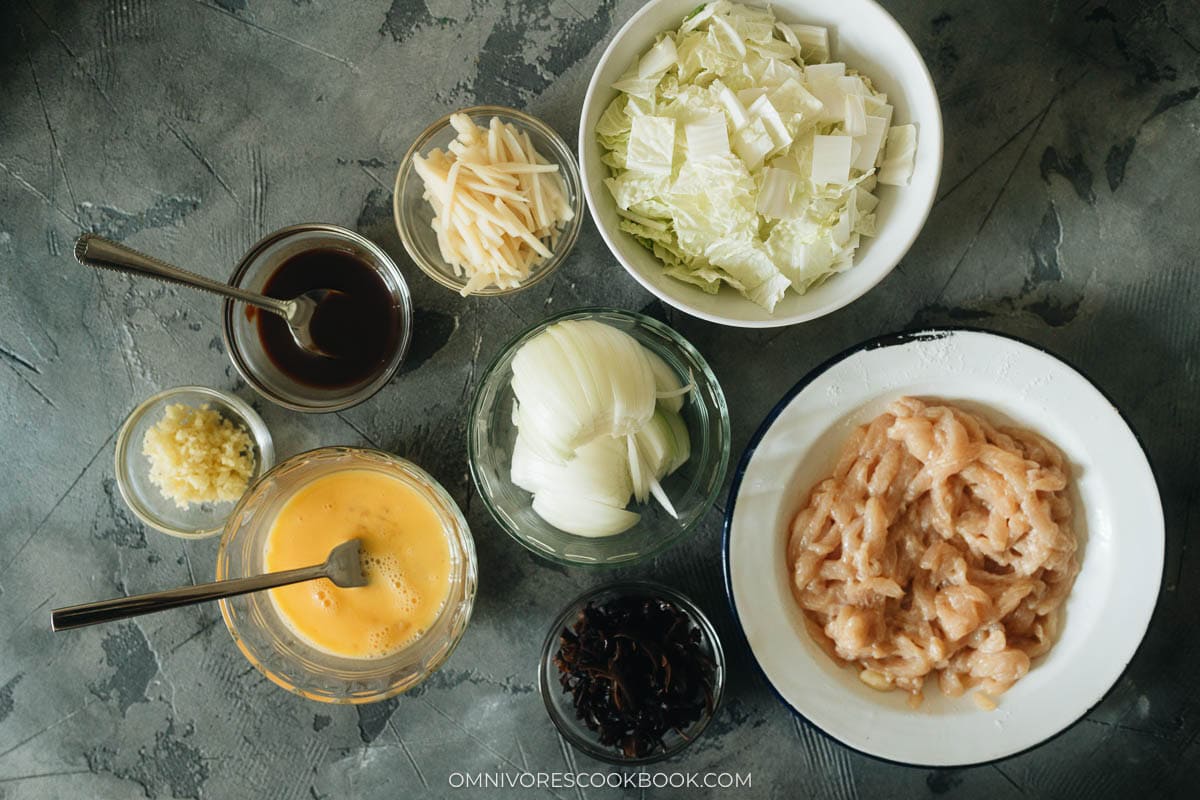
Achieving restaurant-quality results at home requires an understanding of ingredient selection and sequential cooking. The anatomy of an elevated moo shu chicken dish relies on three distinct operational components: the protein and its marinade, the aromatic sauce, and the sequential addition of vegetables and eggs.
The Protein and Marinade
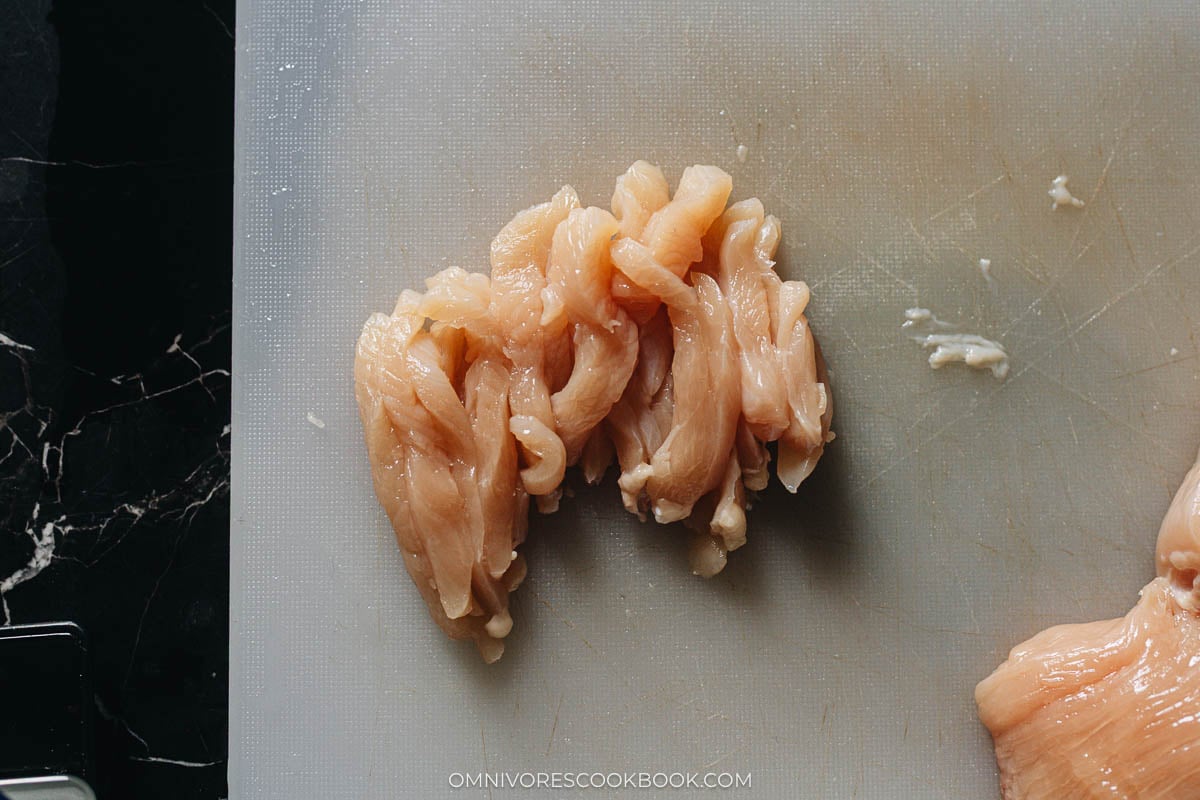
Chicken breast or thigh meat is sliced into thin strips against the grain, a crucial mechanical step that shortens muscle fibers to ensure tenderness. A brief marinade featuring Shaoxing rice wine, salt, white pepper, cornstarch, and sesame oil serves a dual purpose. The alcohol and seasonings impart depth, while the cornstarch seals in moisture during high-heat cooking, and the sesame oil prevents the strips from clumping together in the pan.
The Sauce Dynamics
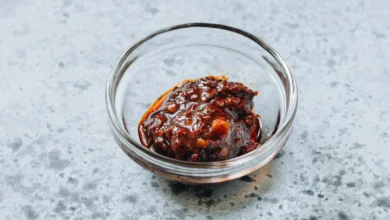
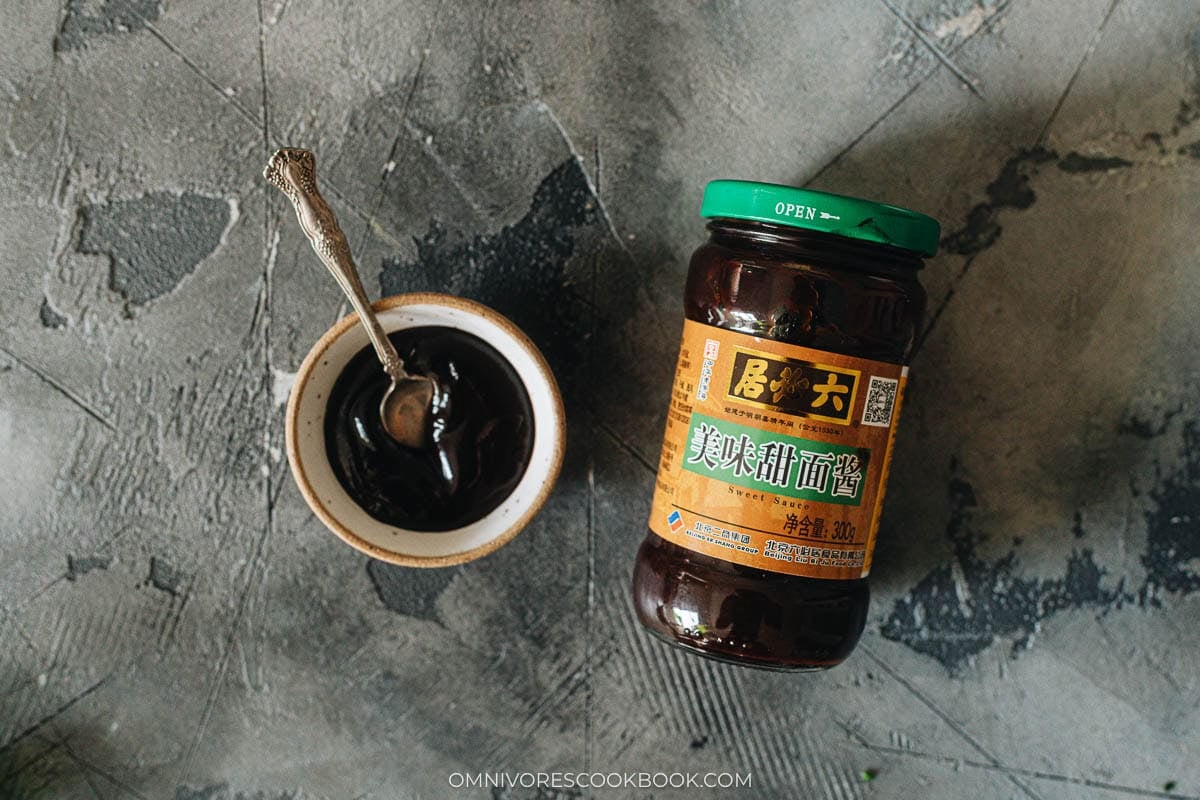
At the heart of the flavor profile is sweet bean sauce (Tian Mian Jiang), a thick fermented paste derived from wheat flour or soybeans. Culinary experts note that Northern styles favor flour-based variations, while Southern styles rely primarily on soybeans; both provide the foundational savory-sweet characteristic essential to the dish. For home cooks lacking access to authentic sweet bean sauce, a combination of oyster sauce for cooking and hoisin sauce for serving serves as a viable, albeit distinct, alternative.
Vegetables and Texture
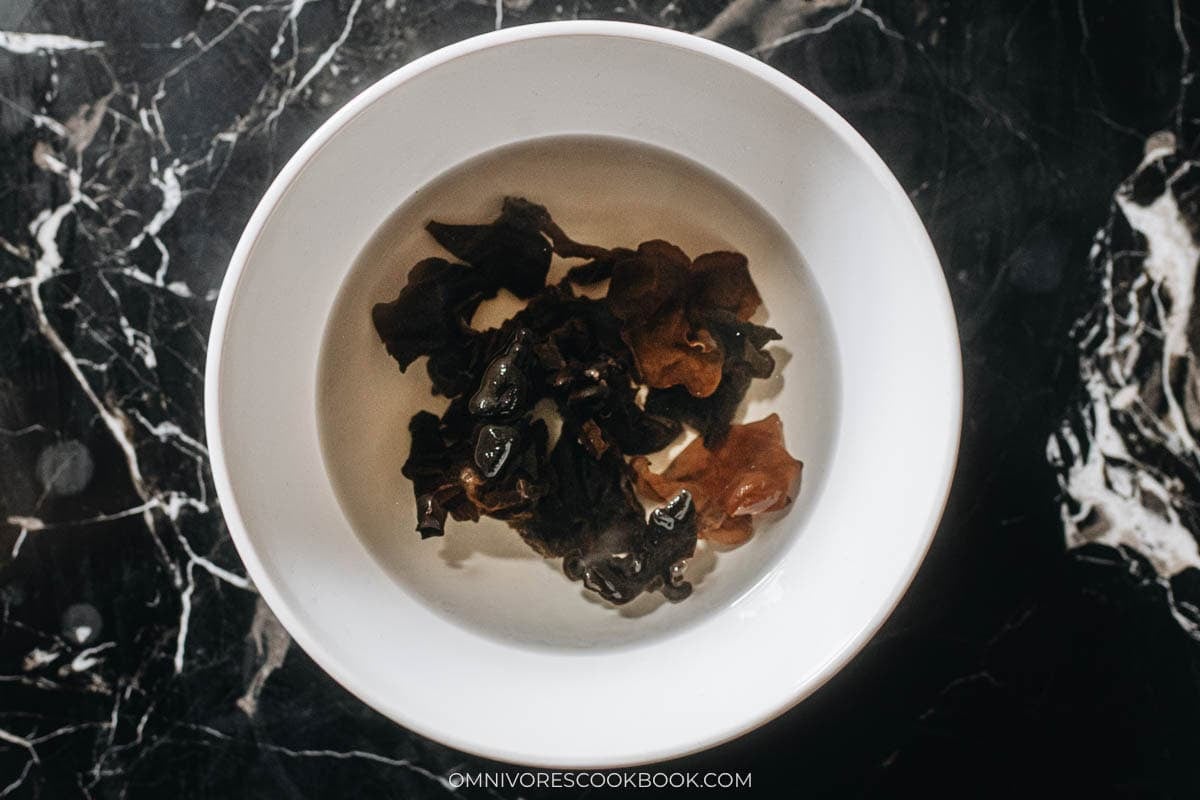
The inclusion of rehydrated dried wood ear mushrooms is non-negotiable for traditionalists seeking the authentic, springy crunch that fresh mushrooms fail to replicate. Combined with crisp napa cabbage, sliced yellow onions, aromatic minced ginger, and crunchy bamboo shoots, the vegetable matrix provides a contrasting textural landscape against the tender chicken and fluffy scrambled eggs.
Step-by-Step Execution and Kitchen Methodology
The preparation of moo shu chicken is a high-speed, single-pan operation that prioritizes timing over complexity. From the initial cutting board preparation to the final plating, the entire process is engineered to be completed within 40 minutes, making it an efficient option for weeknight cooking.
- Hydration Phase: Dried wood ear mushrooms require approximately 15 minutes of rehydration in warm water. Once softened, tough ends are trimmed, and the caps are sliced into thin strips.
- Protein Prep: Chicken is sliced against the grain, marinated with Shaoxing wine, salt, and white pepper, bound with cornstarch, and finished with sesame oil to rest for 10 to 15 minutes.
- Sauce Formulation: Sweet bean sauce is whisked uniformly with Shaoxing wine, soy sauce, and a touch of granulated sugar.
- Sequential Pan Cookery:
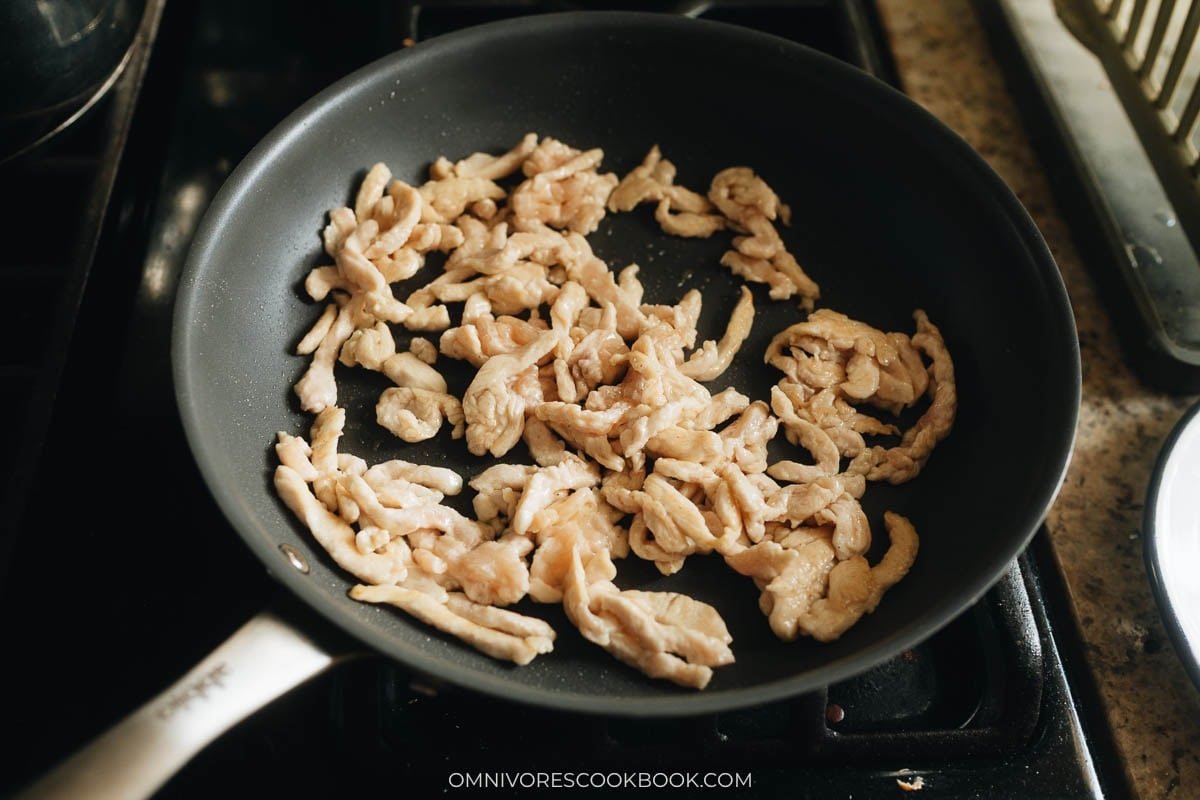
- Chicken: Sautéed over medium-high heat for approximately two minutes until just cooked through, then removed to a holding plate.
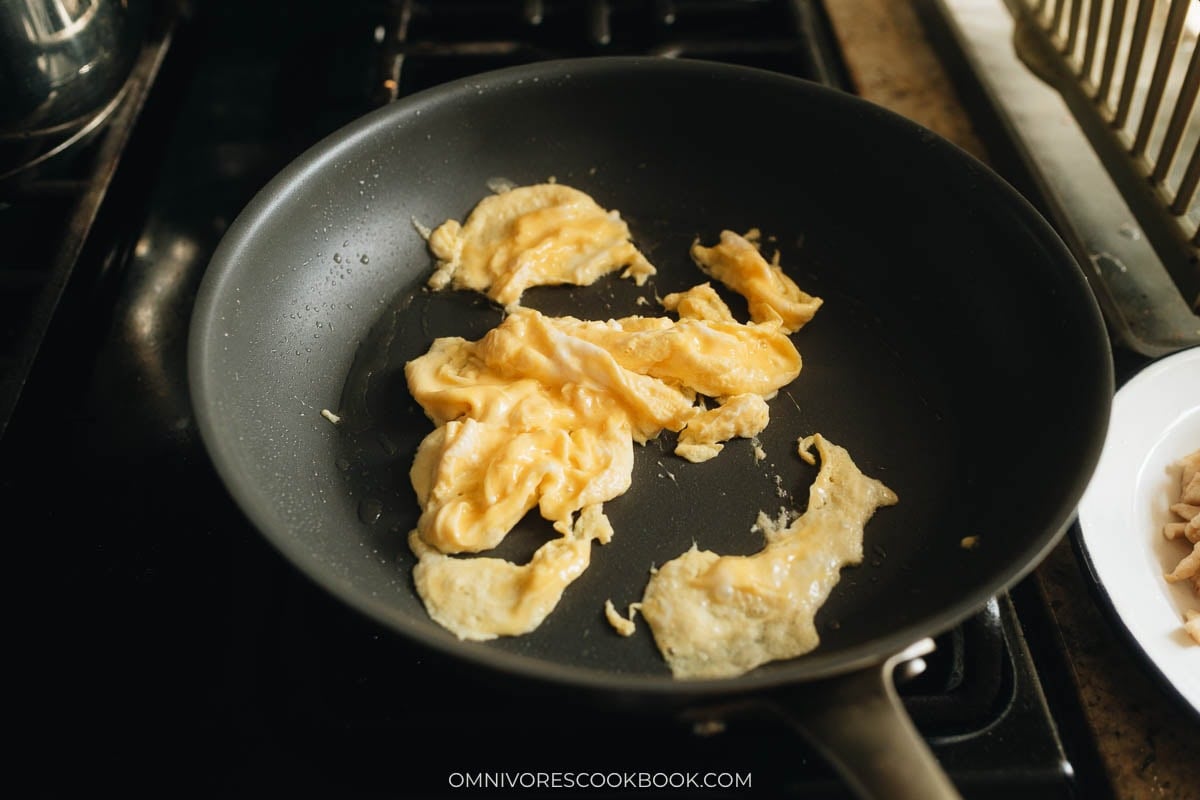
- Eggs: Beaten eggs are scrambled quickly in the residual pan juices and set aside with the chicken.
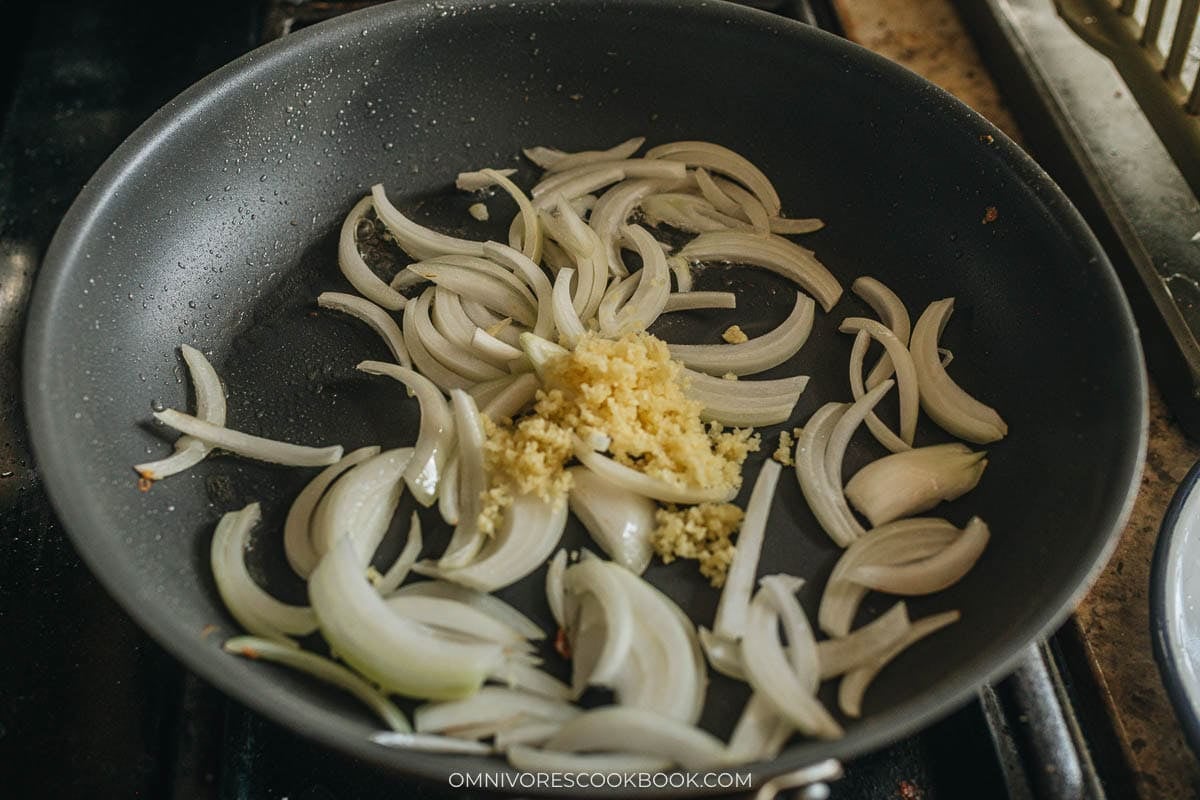
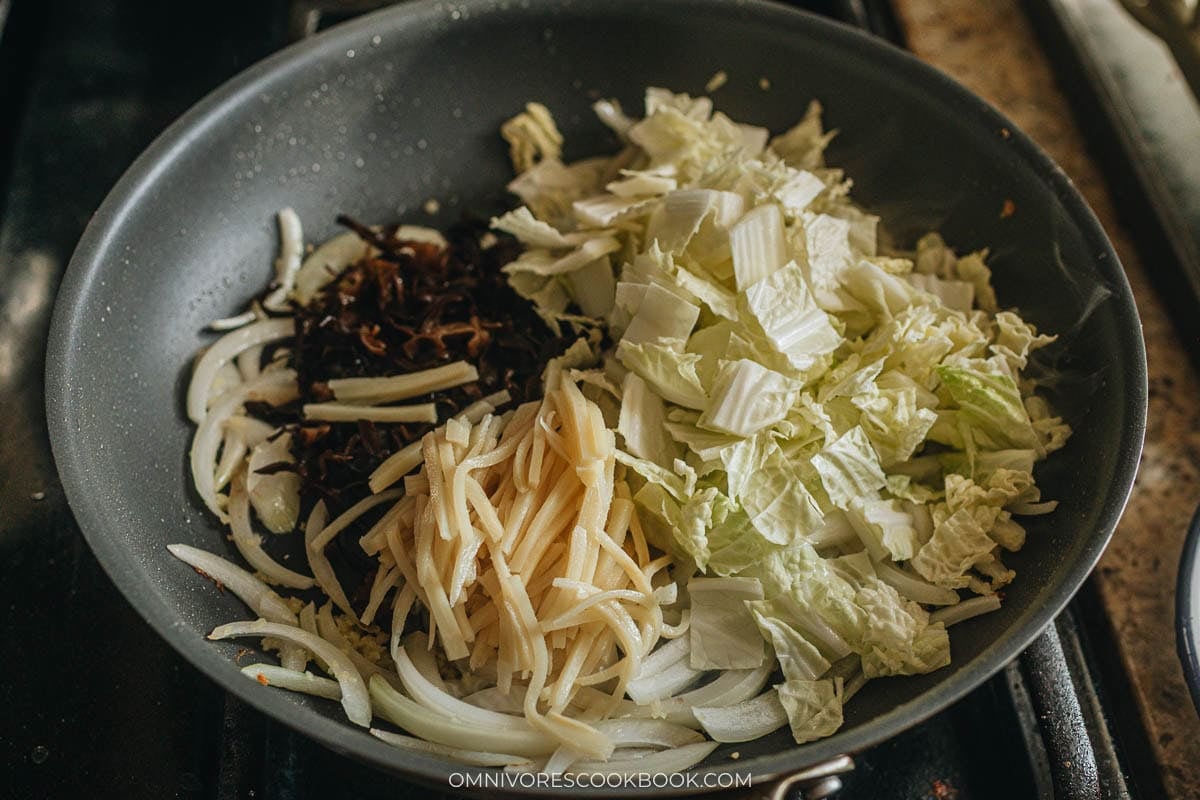
- Aromatics and Vegetables: Onions and minced ginger are caramelized briefly before the cabbage, bamboo shoots, and wood ear mushrooms are added for a rapid two-minute toss that retains their structural crunch.
- Recombination: The reserved chicken and eggs are returned to the pan, enveloped in the prepared sweet bean sauce, and tossed continuously until thoroughly glazed.
Nutritional Profile and Dietary Implications
From a dietary standpoint, modern adaptations of moo shu chicken present a favorable nutritional profile compared to heavily battered or deep-fried takeout alternatives. Standard nutritional tracking for a single serving indicates an energy density of approximately 232 kilocalories, balanced across 16 grams of protein, 15.2 grams of total fat (with only 2.6 grams of saturated fat), and 8.2 grams of carbohydrates.
The inclusion of fiber-dense vegetables such as napa cabbage and wood ear mushrooms contributes 1.2 grams of dietary fiber per serving, while keeping sodium levels moderated at approximately 392 milligrams. This balance of macronutrients aligns with dietary guidelines supporting lean protein consumption and increased vegetable intake, offering a health-conscious alternative to traditional fast-casual dining options.
Broader Economic and Gastronomic Impact
The enduring popularity of dishes like moo shu chicken highlights shifts in home-cooking trends, particularly the post-pandemic surge in scratch-made ethnic cuisine. As consumers seek restaurant-quality dining experiences within the home environment, culinary content creators and cookbook authors play a vital role in demystifying traditional cooking techniques. By providing precise substitution guides, step-by-step visual documentation, and scalable recipes, platforms specializing in Asian home cooking are successfully preserving heritage recipes while making them accessible to global audiences. This cultural exchange not only diversifies home pantries—increasing the demand for specialty ingredients like Shaoxing wine and Tian Mian Jiang—but also fosters a deeper appreciation for regional culinary traditions across international borders.