Mastering Authentic Cantonese Char Siu at Home: A Comprehensive Culinary Guide to Traditional Chinese Barbecue

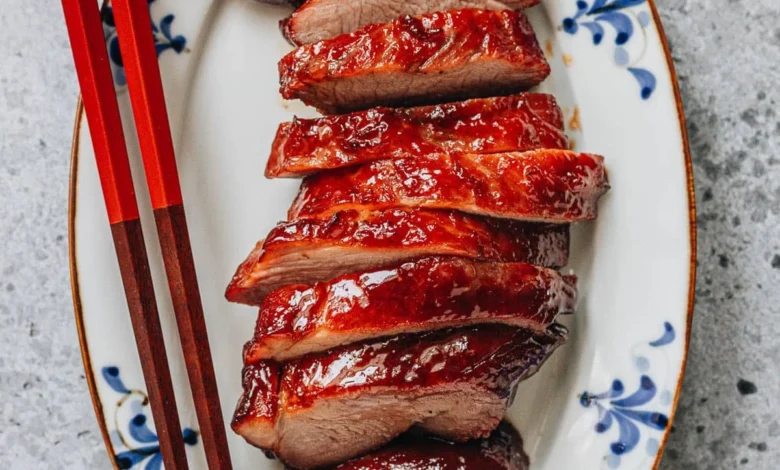
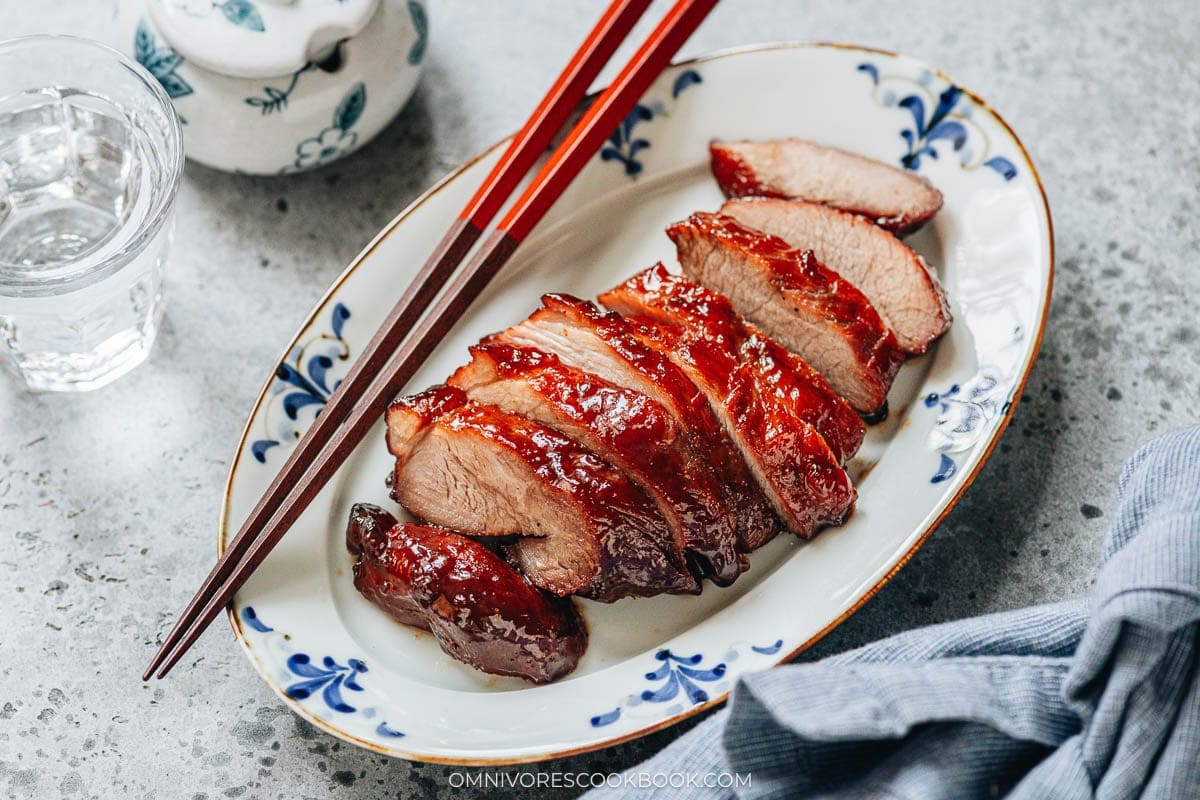
The culinary world of Cantonese cuisine is defined by its meticulous roasting techniques, among which char siu—literally translated as "fork-roasted"—occupies a position of preeminence. Traditionally suspended in the glass windows of bustling barbecue markets and dim sum establishments, this signature meat is instantly recognizable by its deep mahogany hue, charred edges, and glossy, viscous glaze. Replicating this professional standard within a domestic kitchen has long presented a challenge for home cooks due to the reliance on commercial open-flame roasters. However, recent culinary developments and refined home-cooking methodologies have successfully bridged the gap between industrial preparation and residential ovens.
Historical Origins and Evolution of Char Siu
Char siu traces its roots centuries back to the Guangdong province of China, evolving as a method to preserve and elevate cuts of pork through a sophisticated blend of spices and direct heat. The classic preparation requires long metal forks to suspend strips of meat over an open wood or gas fire, allowing the rendering fat to self-baste the pork while the exterior sugars caramelize.
As the Cantonese diaspora spread globally throughout the nineteenth and twentieth centuries, char siu traveled alongside immigrants, establishing a permanent fixture in Chinatowns worldwide. In contemporary metropolitan centers, the preparation has transitioned from specialized smokehouses into modern home kitchens. Culinary historians note that while traditional techniques demanded commercial setups, the advent of high-temperature domestic ovens and precise broiler controls now allows everyday cooks to achieve comparable textures and flavor profiles without specialized restaurant infrastructure.

Ingredient Selection and Chemical Dynamics
Achieving an authentic flavor profile and texture relies heavily on specific ingredient chemistry. According to culinary experts, the choice of protein is paramount. While leaner cuts like pork loin are frequently utilized by health-conscious cooks, culinary professionals consistently recommend well-marbled pork shoulder. The internal fat distribution of the shoulder ensures that the meat remains succulent during high-heat roasting, preventing the dryness often associated with lean pork preparations.
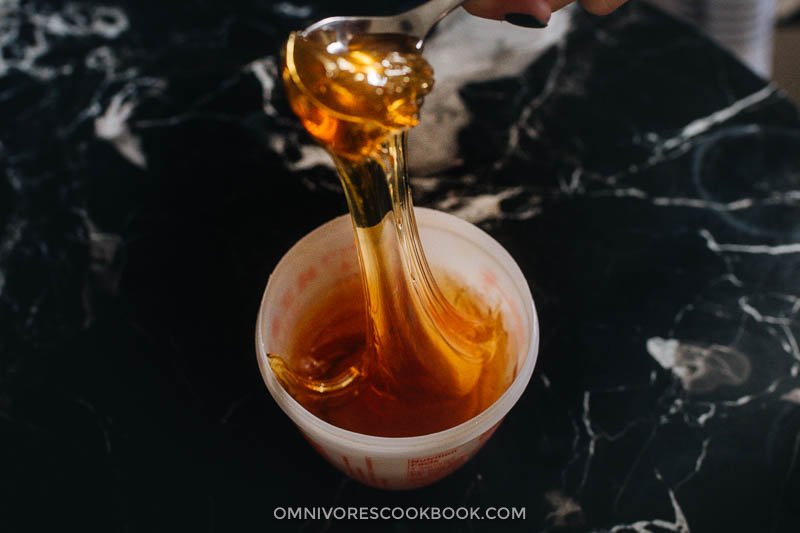
The foundational marinade relies on a classic Cantonese flavor matrix: light soy sauce, Shaoxing rice wine, hoisin sauce, and oyster sauce, integrated with grated garlic, five-spice powder, and salt. A critical component for achieving the signature glossy finish is maltose—a disaccharide derived from malted barley. Unlike standard granulated sugar or honey, maltose provides a distinct stickiness and a heavy, mirror-like sheen that clings firmly to the meat fibers under intense heat.

To achieve the iconic red edge historically associated with traditional char siu (which originally derived from red yeast rice), a minute quantity of food-grade coloring is often utilized in contemporary recipes to replicate the aesthetic standard of commercial Cantonese barbecue shops.
Step-by-Step Home Preparation Methodology
Executing a professional-grade char siu at home requires a structured, multi-stage timeline spanning at least twenty-four hours to allow proper flavor penetration.

Phase One: Butchering and Marinade Infusion
The preparation begins by slicing the pork shoulder along the grain into uniform strips measuring approximately two to three inches wide and one to one-and-a-quarter inches thick. Consistency in thickness is critical to ensure even thermal transfer during cooking.
The protein is then submerged in a portion of the prepared marinade within an airtight culinary bag, ensuring maximum surface contact. The remaining sauce is reserved separately in refrigeration to prevent cross-contamination and to serve as the base for the final glaze. Optimal molecular penetration requires a minimum of twenty-four hours of cold-storage marination, with some culinary practitioners extending this window to forty-eight hours for enhanced flavor depth.
Phase Two: Glaze Reduction and Thermal Application
Prior to roasting, the reserved marinade is combined with warmed maltose in a wide-bottomed skillet over medium heat. The mixture is reduced continuously for approximately three minutes until it coats the back of a spoon, achieving a syrup-like consistency.
The oven is preheated to high temperatures—typically 450°F (230°C) conventionally or 425°F (220°C) with convection. A specialized technique recommended to prevent excessive kitchen smoke involves pouring a thin layer of water into the base of the roasting tray beneath the elevated wire rack. This water catches dripping sugars before they can scorch against the hot metal surface.

The marinated pork strips are arranged on the rack, generously brushed with the reduced glaze, and subjected to an initial five-minute roast. Following this, the meat is glazed a second time and roasted for an additional five minutes until internal temperatures register between 140°F and 150°F (60°C to 65°C).
Phase Three: Broiling and Caramelization
The final textural phase requires activating the oven broiler. The pork is brushed with glaze, broiled for three minutes, and subsequently flipped. If the surface remains overly saturated, the glaze application is temporarily suspended, allowing the direct radiant heat to dry and firmly set the exterior coating. A final application of heat for three to four minutes produces characteristic charred edges and a glossy finish, bringing the internal temperature to a safe terminal range of 150°F to 155°F (65°C to 68°C).

Post-Cooking Rest and Culinary Applications
To preserve the internal moisture of the pork, the meat must undergo a mandatory resting period of ten to fifteen minutes before slicing. Cutting the meat crosswise across the grain yields tender, bite-sized strips ideal for traditional presentations.
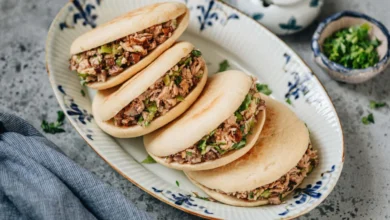
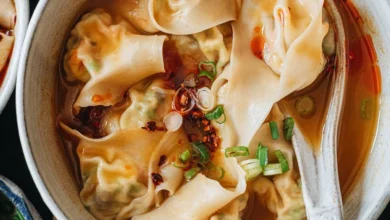
Conventionally, char siu is served warm over freshly steamed white rice, accompanied by blanched Chinese broccoli (gai lan) dressed in oyster sauce to balance the rich, sweet profile of the meat. Beyond direct consumption, leftover char siu serves as a versatile ingredient across numerous Asian dishes. Common culinary applications include incorporation into Cantonese wonton noodle soups, dicing for fried rice preparations, folding into lo mein noodles, or chopping as a savory filling for steamed char siu bao (barbecue pork buns).

Nutritional Profile and Storage Guidelines
Standard nutritional analysis for a single serving of homemade char siu indicates an energy density of approximately 237 kilocalories, accompanied by 31.1 grams of protein, 17.2 grams of carbohydrates, and 4.2 grams of total fat, of which 1.4 grams are saturated. Sodium content averages 878 milligrams per portion, largely driven by the soy sauce and savory elements of the marinade.
For optimal food safety and preservation, cooked char siu and its corresponding glaze should be stored in separate airtight containers within refrigeration for up to five days, or frozen for a maximum of two months. Reheating is best achieved by brushing the stored meat with reserved glaze and warming it gently in a 350°F (176°C) oven, successfully restoring the signature sticky exterior texture without compromising the interior tenderness.