Mastering the Art of Fusion Grilling: A Guide to Preparing Sichuan-Inspired Lamb Chops

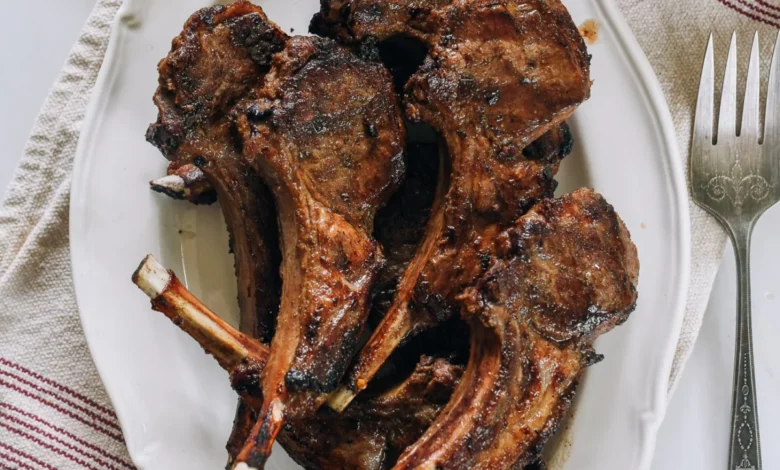
Culinary enthusiasts looking to elevate their grilling repertoire are increasingly turning to regional spice profiles that transcend traditional flavor boundaries. Among the latest culinary trends gaining traction in home kitchens is a unique marinade that bridges the gap between Sichuan and Northern Chinese flavor profiles while maintaining a versatile, universally appealing profile. Designed specifically for grilled lamb chops, this culinary approach relies on the strategic pairing of earthy cumin and citrus-forward Sichuan peppercorns to neutralize the naturally gamey notes of red meat without overwhelming the palate.
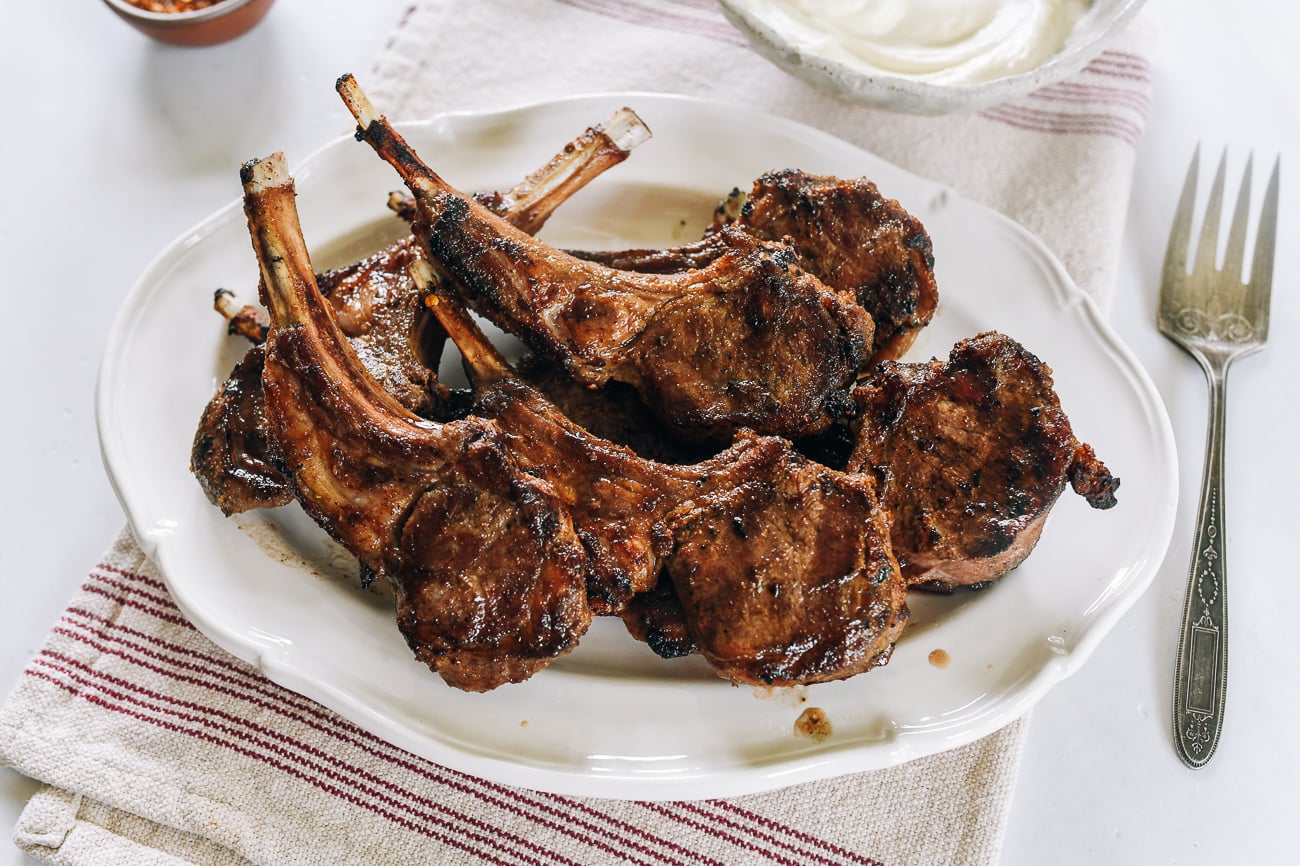
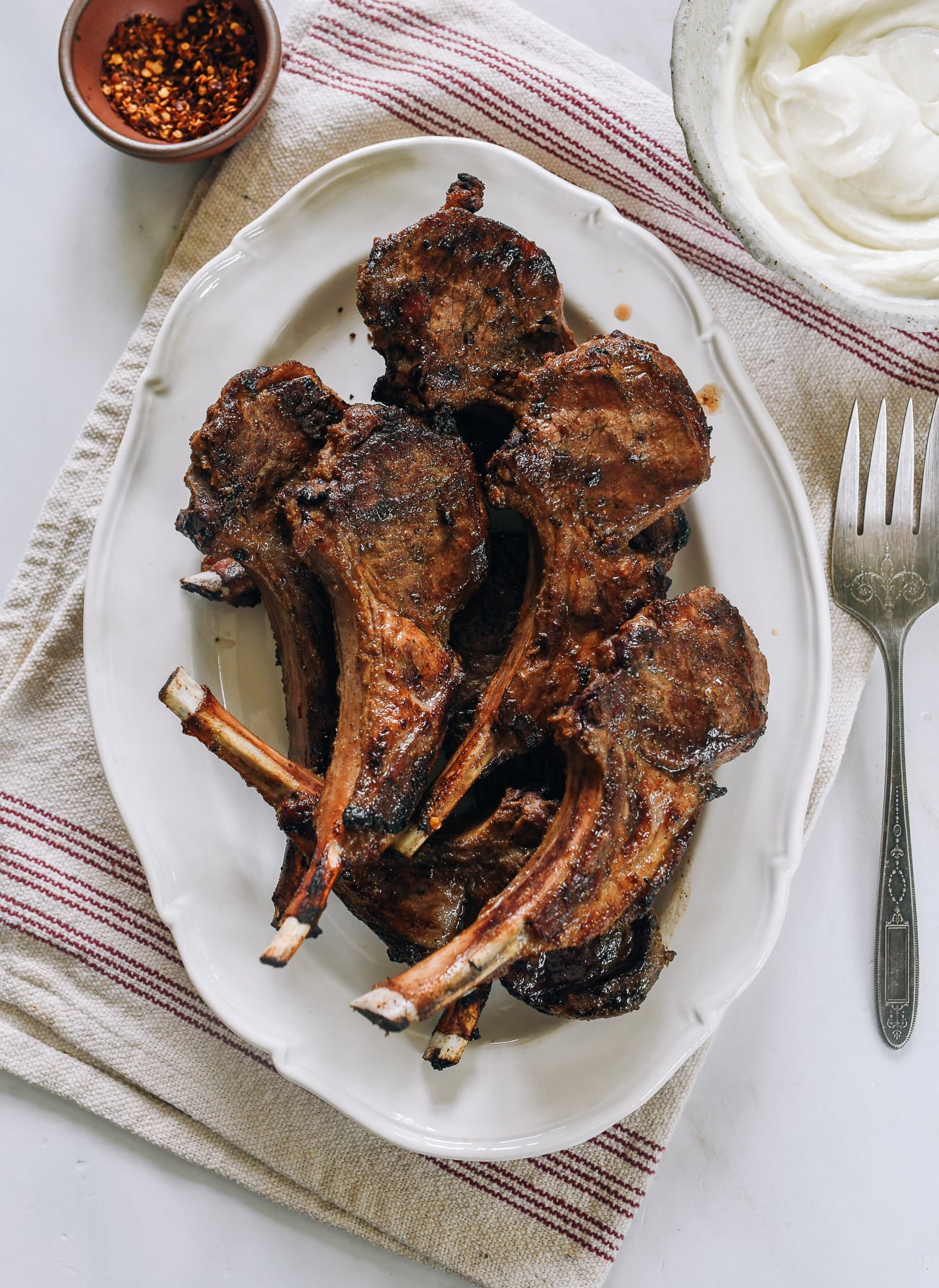
The global culinary footprint of cumin provides substantial context for its inclusion in modern lamb preparation. Across the Middle East, North Africa, South Asia, and Northwest China—regions where lamb remains a primary dietary staple—cumin is universally recognized as an essential counterpart to rich, fatty meats. When combined with the distinct numbing and citrus-like aromatics of Sichuan peppercorns, alongside the deep umami of soy sauce and a minimal touch of sugar, the resulting flavor matrix achieves a delicate balance of savory, sweet, and aromatic notes. Food scientists and culinary historians note that this interplay of compounds creates a complex flavor profile that pairs effortlessly with a wide array of global side dishes, ranging from classic Western roasted potatoes to Middle Eastern garlic sauces and refreshing Mediterranean cucumber salads.
Economical Sourcing and Butcher Strategies for Premium Lamb
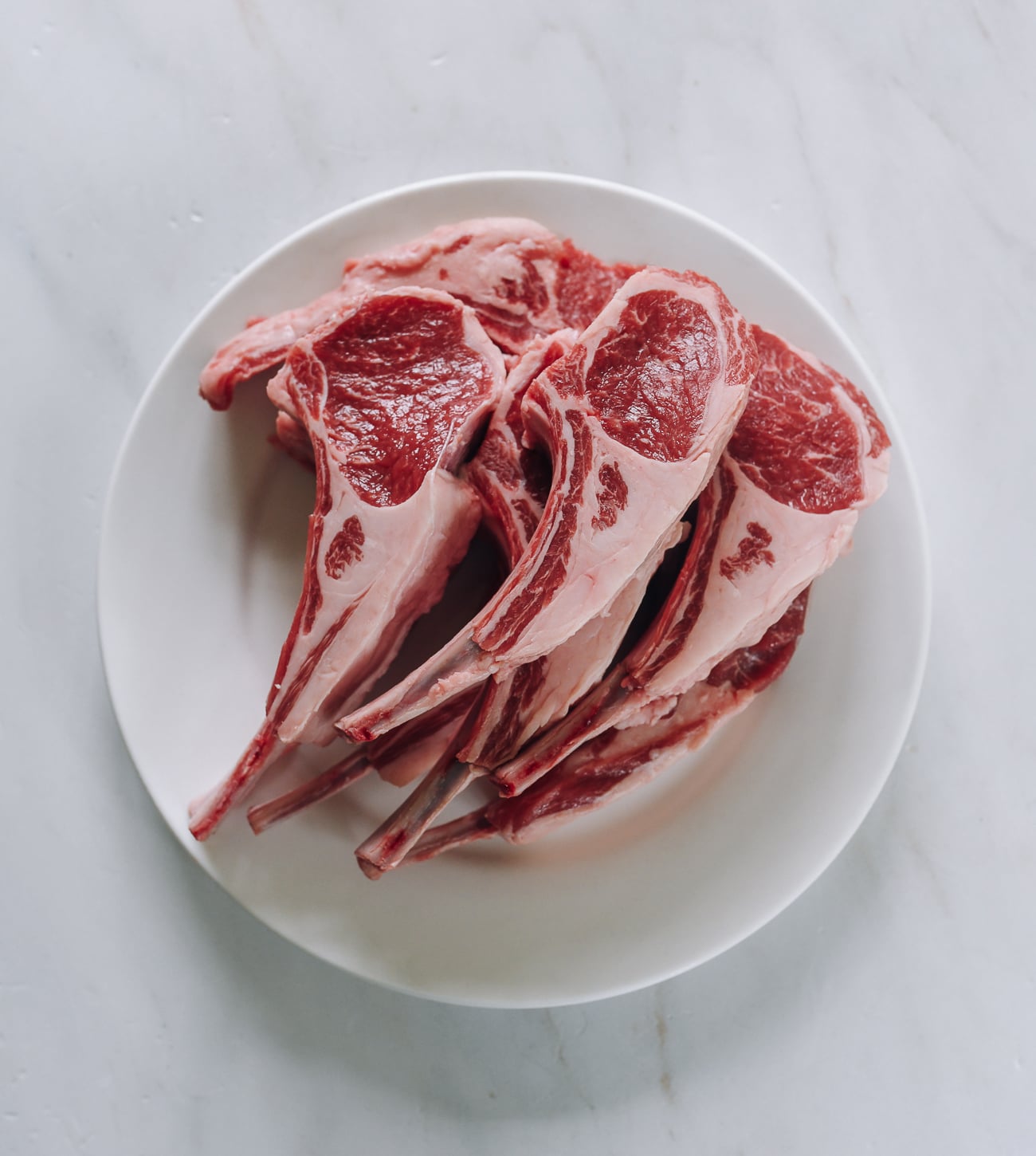
Purchasing high-quality cuts for outdoor grilling often presents economic challenges, particularly given the rising cost of red meat in retail markets. Tender lamb rib chops, frequently marketed as "lollipops" due to their distinct elongated bone and meat medallion presentation, are among the most expensive cuts available at conventional meat counters. To mitigate these expenses, culinary experts recommend purchasing an entire rack of lamb rather than pre-portioned chops.
Market analysis of retail meat pricing indicates that buying a whole rack—frequently available at wholesale club stores and specialized butcher shops—frequently yields cost savings per pound. Furthermore, whole racks generally retain a higher proportion of surrounding fat and meat. Culinary professionals advise against the traditional practice of "frenching" the bone, which involves scraping away the meat and fat near the end of the bone for aesthetic presentation. Industry data suggests that trimming these edges discards valuable, flavorful fat that is essential for optimal caramelization and moisture retention during the cooking process. Home cooks can easily portion a whole rack into individual chops using a standard chef’s knife, ensuring maximum yield and enhanced flavor retention.
Technological and Culinary Implications of High-Heat Grilling
Achieving the ideal texture and internal temperature for lamb chops requires adherence to precise thermodynamic principles during the cooking phase. Culinary technicians recommend a high-heat cooking environment, whether utilizing an outdoor gas or charcoal grill preheated to between 400 and 450 degrees Fahrenheit, or an indoor heavy-duty cast-iron skillet.
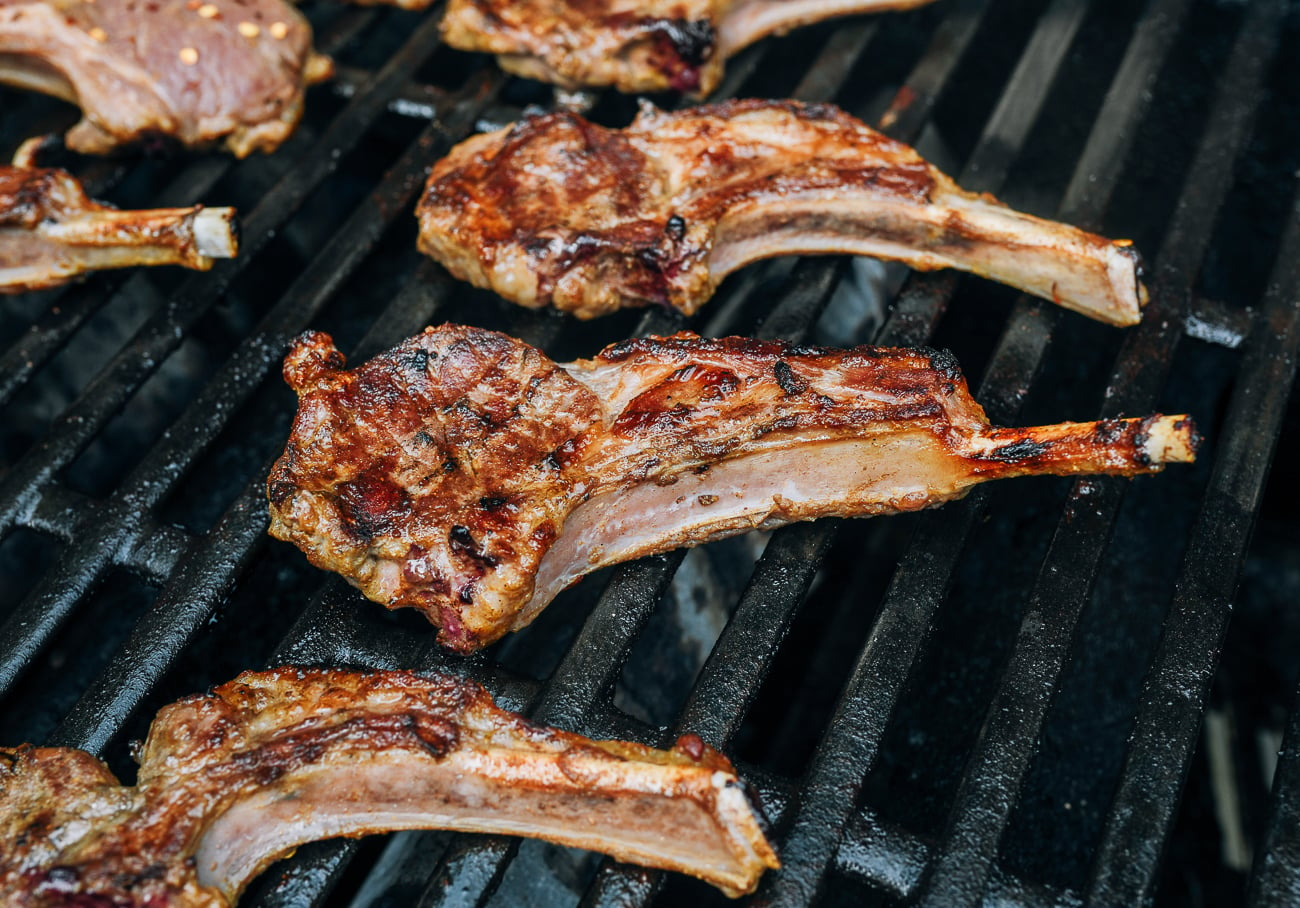
Unlike lean cuts of beef or pork that are universally preferred rare or medium-rare, well-marbled lamb chops benefit significantly from an extended cooking duration that allows the external fat cap to fully render and crisp. Food safety and culinary authorities note that cooking lamb to a blushing pink internal state—requiring approximately six minutes per side, depending on thickness—transforms the texture of the fat. Allowing the fat to render creates a barrier that locks in natural juices while imparting a rich, complex flavor to the muscle tissue. This technique mirrors the culinary evolution seen in the preparation of heavily marbled steaks, where slightly longer cooking times on high heat enhance overall palatability through the Maillard reaction.
Step-by-Step Execution and Preparation Methodology
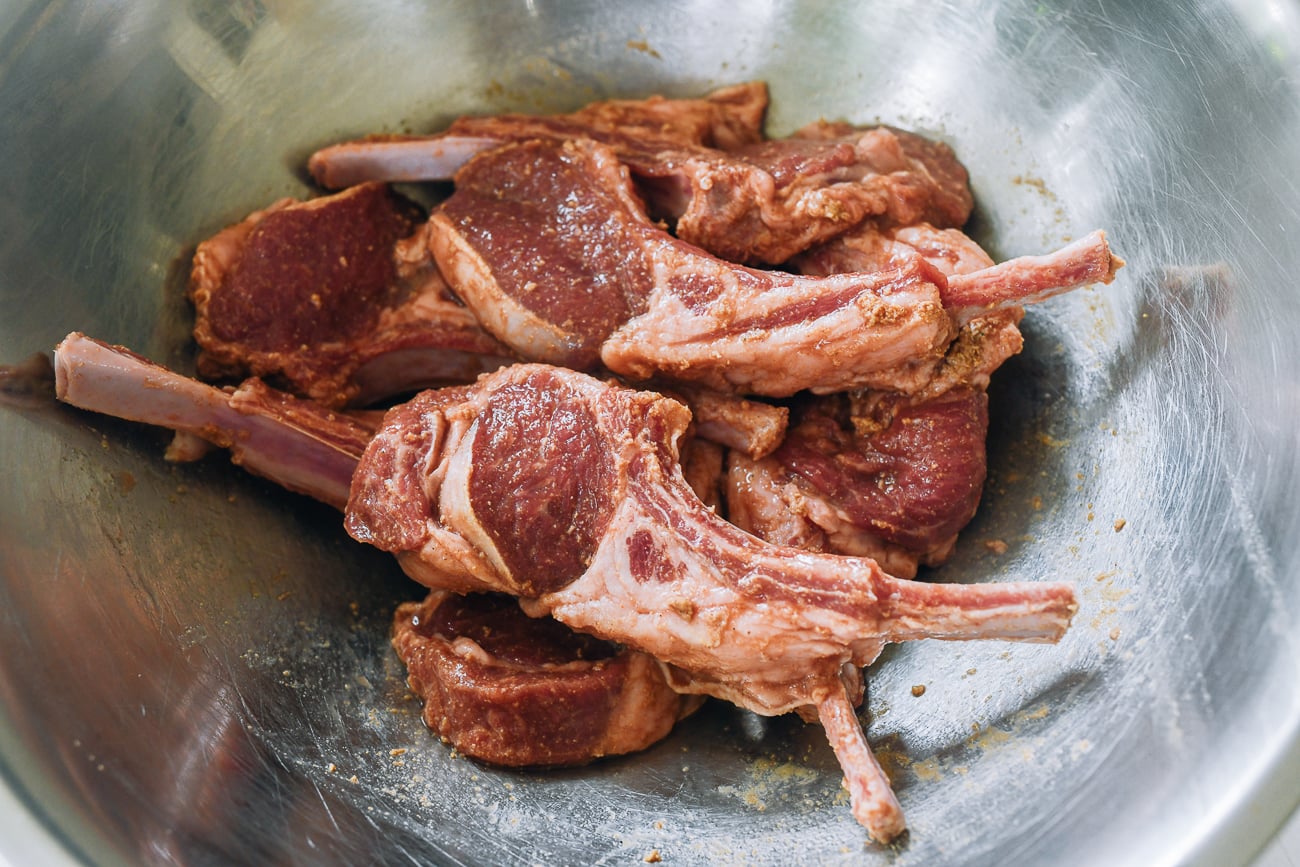
The preparation protocol emphasizes minimal marinating duration to preserve the intrinsic freshness of the protein. The process begins by thoroughly rinsing and patting dry individual rib chops. The meat is then transferred to a large mixing bowl where it is combined with a precise ratio of water, ground cumin, Sichuan peppercorn powder, salt, a touch of sugar, and light soy sauce. For leaner cuts of lamb, a small quantity of neutral cooking oil is incorporated into the mixture to enhance moisture retention.
Manual agitation of the ingredients is critical during this phase. Cooks are instructed to massage the marinade directly into the meat using their hands until all liquid is fully absorbed, leaving no standing residue. The meat is allowed to rest for a brief 15 to 30 minutes.
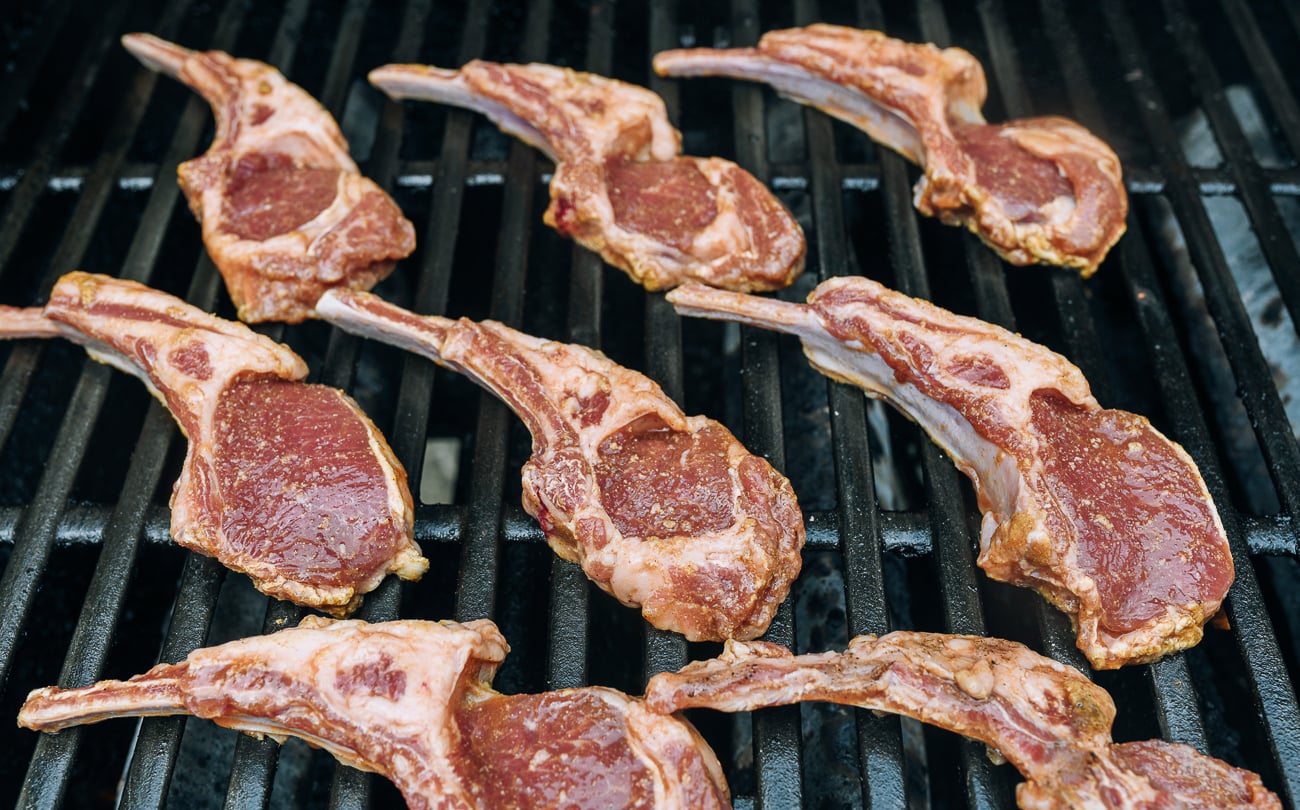
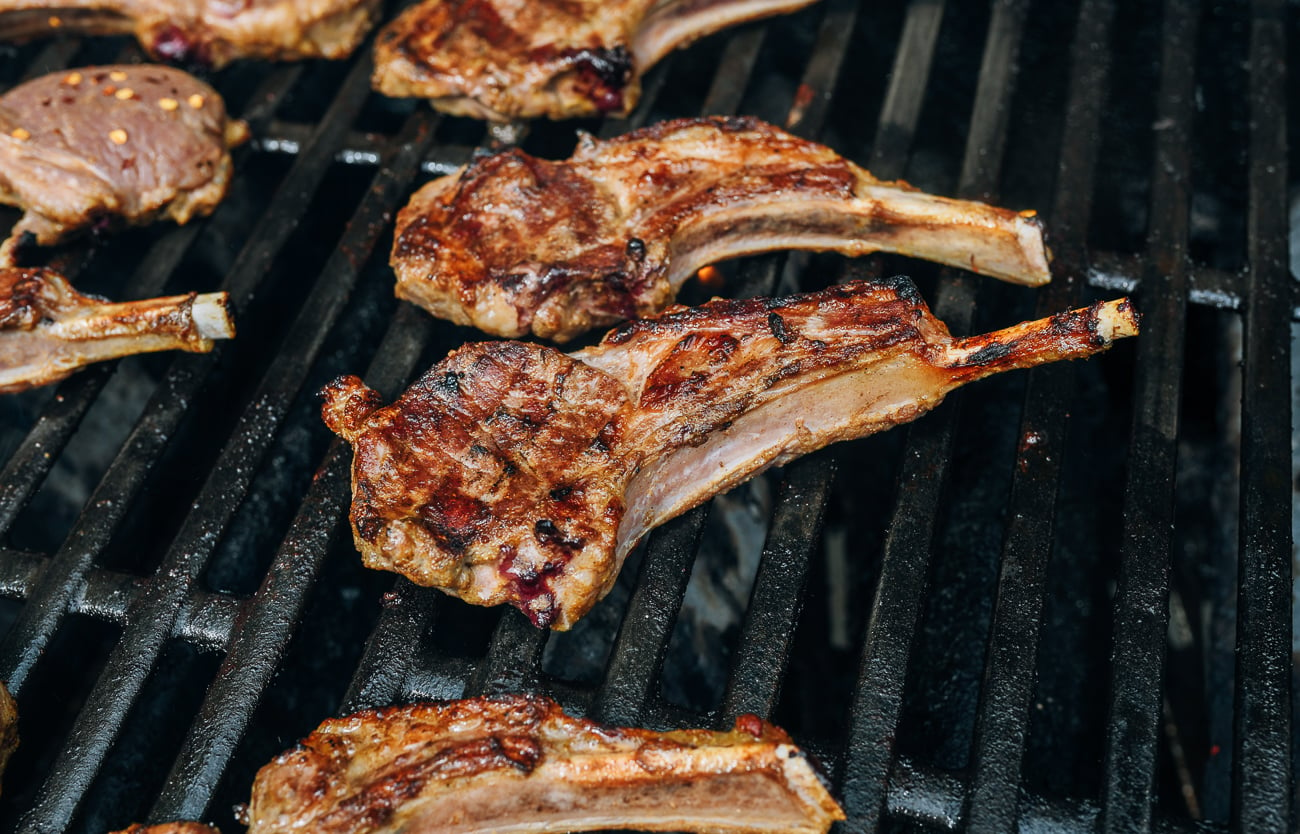
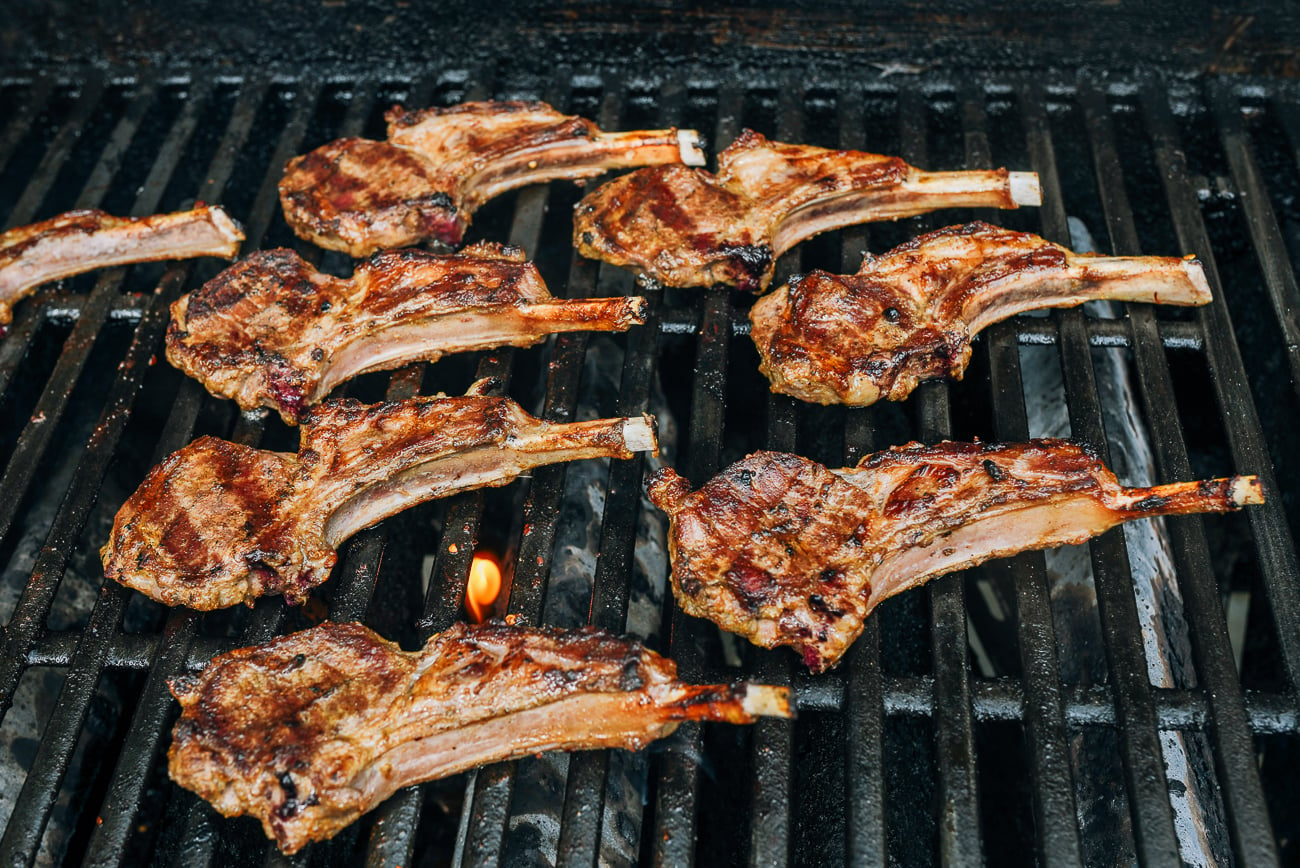
During the cooking phase, temperature control is paramount. The preheated grill surfaces ensure immediate searing upon contact. Chops are positioned on the grates and rotated at two-to-three-minute intervals to establish a distinct diamond pattern of grill marks, with the lid closed to maintain ambient heat convection. In the final one to two minutes of cooking, the chops are carefully turned onto their sides to directly expose the fat cap to the heat source, ensuring complete rendering and a golden, sizzling crust.
Nutritional Profile and Dietary Considerations
Analysis of the resulting dish indicates a nutrient-dense profile well-suited for high-protein diets. A standard serving of four grilled lamb chops contains approximately 425 kilocalories, driven primarily by a robust protein content of 46 grams, which satisfies a significant portion of daily nutritional requirements. The fat content registers at 25 grams, including 8 grams of saturated fat, reflecting the rich marbling and natural fat cap essential to the cooking method. Carbohydrate content remains exceptionally low at approximately 2 grams, making the dish adaptable to low-carb and ketogenic dietary frameworks.
Broader Implications for Contemporary Home Cooking
The rising popularity of cross-cultural flavor integration highlights a broader shift in contemporary home gastronomy. By utilizing foundational spices native to Asian culinary traditions within familiar Western protein preparations, home cooks can expand their repertoires without relying on complex, multi-step international recipes. The widespread acceptance of these flavor profiles underscores a growing consumer appetite for accessible, high-impact culinary techniques that prioritize bold seasoning, economic efficiency, and precise thermal execution.