Yukhoe Kimbap: The Culinary Evolution of a Traditional Korean Delicacy

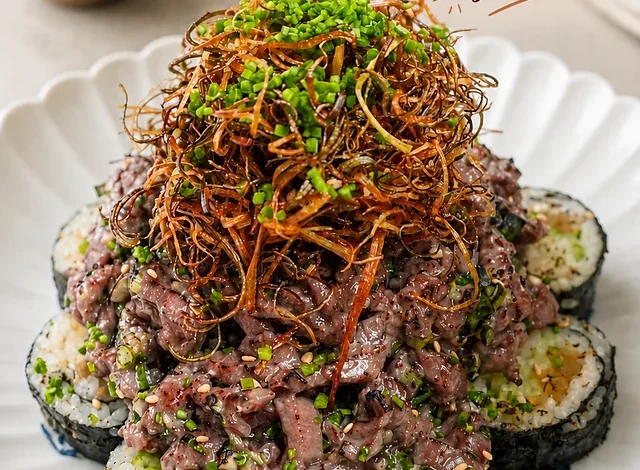
The fusion of traditional Korean flavors with contemporary presentation techniques has reached a new pinnacle with the emergence of Yukhoe Kimbap. This dish, which reimagines the classic Korean seaweed rice roll by incorporating premium raw beef tartare, represents a significant shift in modern Korean gastronomy. By moving away from the conventional inclusion of cooked proteins and vegetables inside the rice roll, chefs are creating a sophisticated appetizer that bridges the gap between casual street food and high-end dining.

Yukhoe, or Korean-style seasoned raw beef, has long been a staple of Korean cuisine, particularly within regions like Jeonju, where the preparation is treated with culinary reverence. Traditionally, the dish relies on the quality of lean cuts of beef—typically top round or eye of round—seasoned with a delicate balance of soy sauce, sesame oil, garlic, and scallions. The introduction of this preparation method to the kimbap format marks a strategic evolution in how Korean food is consumed globally, moving toward bite-sized, aesthetically driven servings suitable for social dining and modern event catering.

Historical Context and Culinary Evolution
The evolution of kimbap from a utilitarian packed meal to a gourmet offering reflects broader trends in the culinary industry. Historically, kimbap served as a practical, portable food item. However, the rise of "fusion" culinary arts, particularly in urban centers like Paris and Seoul, has seen chefs experiment with textures and temperatures. The integration of raw beef tartare into this format requires precise handling and a deep understanding of food safety protocols, as well as the balance of umami and sweetness.

In the traditional preparation of Yukhoe, the inclusion of Korean pear (bae) is essential. The fruit provides a crisp, refreshing acidity that cuts through the richness of the raw beef. By translating this pairing into a kimbap structure, culinary professionals are effectively standardizing a flavor profile that was once reserved for sit-down dining. This transition to a handheld format allows for greater accessibility and encourages a more communal dining experience, consistent with the culture of small plates and appetizers prevalent in contemporary gastronomy.

Technical Composition and Preparation Standards
The construction of Yukhoe Kimbap is a multi-stage process that emphasizes the structural integrity of the rice and the freshness of the protein. The base—nutty sesame rice rolled in roasted nori—provides a stable foundation for the topping. Unlike standard kimbap, where fillings are sealed inside, this version features a decorative and textural layer of seasoned raw beef placed atop the sliced roll.

Key technical requirements for this dish include:

- Temperature Control: The beef must be maintained at a specific temperature to ensure both food safety and texture. Often, the meat is slightly chilled to facilitate clean slicing and julienning.
- Emulsification: The sauce for the Yukhoe must be perfectly emulsified to coat the beef evenly without saturating the meat, which could alter its texture over time.
- Texture Balancing: The inclusion of fried green onion or leek provides a necessary crunch that mimics the experience of traditional fried accompaniments, adding a layer of depth that contrasts with the softness of the raw beef.
Culinary analysts suggest that the "torching" technique, sometimes applied as a finishing step, is a significant departure from traditional raw preparations. By lightly charring the surface of the beef, chefs introduce a smoky aroma that complements the sweetness of the Korean pear, creating a multi-sensory experience that appeals to a wider demographic, including those who may be hesitant toward entirely raw dishes.

Market Implications and Culinary Trends
The popularity of Yukhoe Kimbap in international supper clubs and modern Korean restaurants suggests a growing global appetite for "deconstructed" traditional dishes. From a market perspective, this dish serves as an entry point for diners unfamiliar with raw beef preparations. By pairing the tartare with familiar elements like pickled radish (danmuji) and cucumber, the dish provides a sense of comfort while introducing a more refined flavor profile.

Data regarding the shift toward "premium street food" indicates that diners are increasingly willing to pay a premium for dishes that utilize high-quality proteins in accessible formats. In major culinary hubs, the rise of the "small plate" movement has facilitated the success of dishes like Yukhoe Kimbap, which are inherently shareable and visually appealing for digital media platforms. The ability to prepare the base components in advance while performing the final assembly upon service also makes this dish highly efficient for professional kitchens, ensuring consistent quality during high-volume periods.

Safety and Sourcing Protocols
The viability of serving raw beef in a restaurant setting necessitates stringent supply chain management. Professionals emphasize that the success of Yukhoe Kimbap rests entirely on the quality of the beef. It is a standard industry practice to inform butchers of the intended raw application, ensuring the selection of the freshest possible cuts, such as tenderloin or top round.

Furthermore, the separation of volatile ingredients—such as raw garlic and green onion—until the final moment of assembly is a critical food safety and flavor management technique. This prevents the acidity of the aromatics from "cooking" the beef prematurely or overpowering the delicate, natural sweetness of the meat. These practices represent the intersection of traditional culinary wisdom and modern food science, ensuring that the final product remains both safe and flavorful.

Broader Cultural Impact
The continued innovation of dishes like Yukhoe Kimbap serves as a testament to the versatility of Korean cuisine. By honoring the traditional flavors of the Jeonju region while adopting modern plating and preparation techniques, chefs are successfully preserving the cultural heritage of the dish while ensuring its relevance in a global market. This approach does more than just offer a new recipe; it creates a bridge between the historical roots of Korean beef preparation and the future of international fine dining.

As these culinary techniques continue to evolve, it is expected that further variations of this dish will emerge, potentially incorporating regional ingredients from outside of Korea. However, the core components—the balance of raw protein, crisp fruit, and aromatic oils—will likely remain the defining characteristics of the dish. For the industry, the rise of Yukhoe Kimbap serves as a case study in how heritage-based recipes can be successfully adapted for modern, sophisticated audiences without compromising the integrity of the original culinary concept.

In conclusion, the emergence of this dish reflects a broader trend toward the professionalization of traditional street food. By focusing on ingredient quality, precise preparation, and a thoughtful balance of textures, the culinary community has transformed a classic preparation into a contemporary staple. As it continues to appear on menus worldwide, Yukhoe Kimbap stands as a symbol of the enduring, adaptable nature of Korean food culture, marking a new chapter in its ongoing global journey.