The Ultimate Back-to-School Meal Planning Guide: Nutritious Breakfasts, Lunches, and Weeknight Dinners


As the academic calendar approaches and families transition away from relaxed summer schedules, household logistics face a significant shift, with meal planning emerging as a primary daily challenge. The period leading into the autumn term traditionally triggers a surge in demand for efficient, nutritious, and appealing food preparation strategies that cater to busy parents, working professionals, and growing children alike. Culinary researchers and family nutritionists emphasize that establishing a structured meal routine during this transition can mitigate stress, improve nutritional intake, and prevent the fatigue associated with last-minute meal preparation.
The logistical complexity of managing back-to-school nutrition spans four distinct daily milestones: the morning rush, midday packed lunches, after-school energy demands, and fast weeknight dinners. Modern culinary data indicates that households adopting batch-cooking and meal-prep frameworks save an average of four to six hours per week compared to those relying on ad-hoc cooking methods. Furthermore, structured meal planning has been linked by nutritional epidemiologists to a reduction in processed food consumption and a more balanced intake of macronutrients among school-aged children.
The Evolution of the School Lunch and Workday Bento
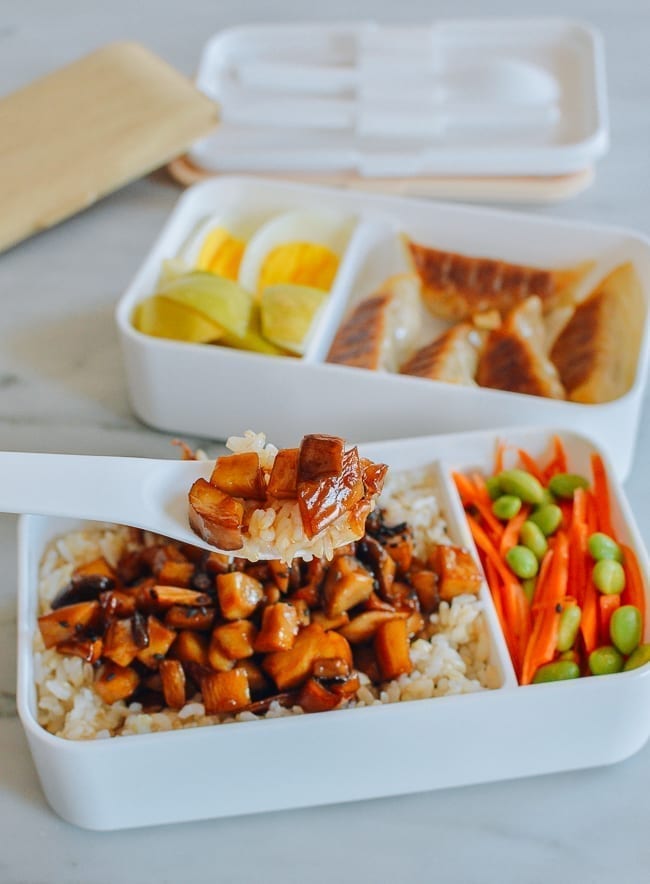
For generations, the standard midday meal for students and office workers relied heavily on cold sandwiches and pre-packaged snacks—a format that consumer research shows frequently leads to food fatigue and under-consumption. Nutritional experts note that midday meals must provide sustained energy to maintain cognitive focus throughout the afternoon. Consequently, a significant culinary trend has emerged favoring bento-style compartmentalized boxes and thermally insulated containers.
Utilizing a high-grade insulated thermos allows individuals to transport warm, nutrient-dense dishes such as braised proteins, noodle soups, and rice bowls without requiring access to a microwave. This method not only expands the variety of foods suitable for transport but also enhances meal satisfaction. Food safety specialists recommend pre-heating thermos containers with boiling water prior to packing hot foods to ensure internal temperatures remain safely above the danger zone until consumption.
Fast Weeknight Dinners for High-Demand Schedules
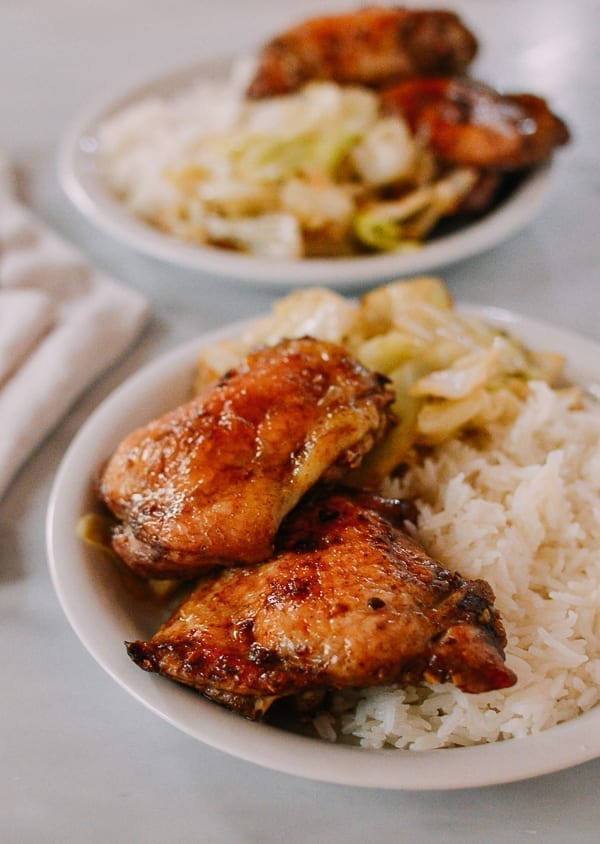
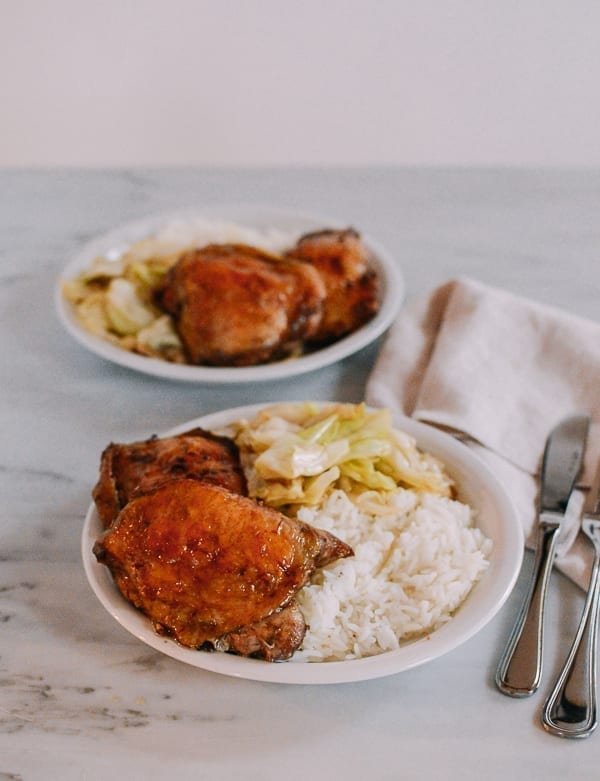
Weeknight dinners require a balance between speed and nutritional completeness. Culinary strategies that leverage quick-cooking proteins, minimal preparation techniques, and multi-functional kitchen appliances have become essential for modern households.
One-Pot Rice Cooker Meals
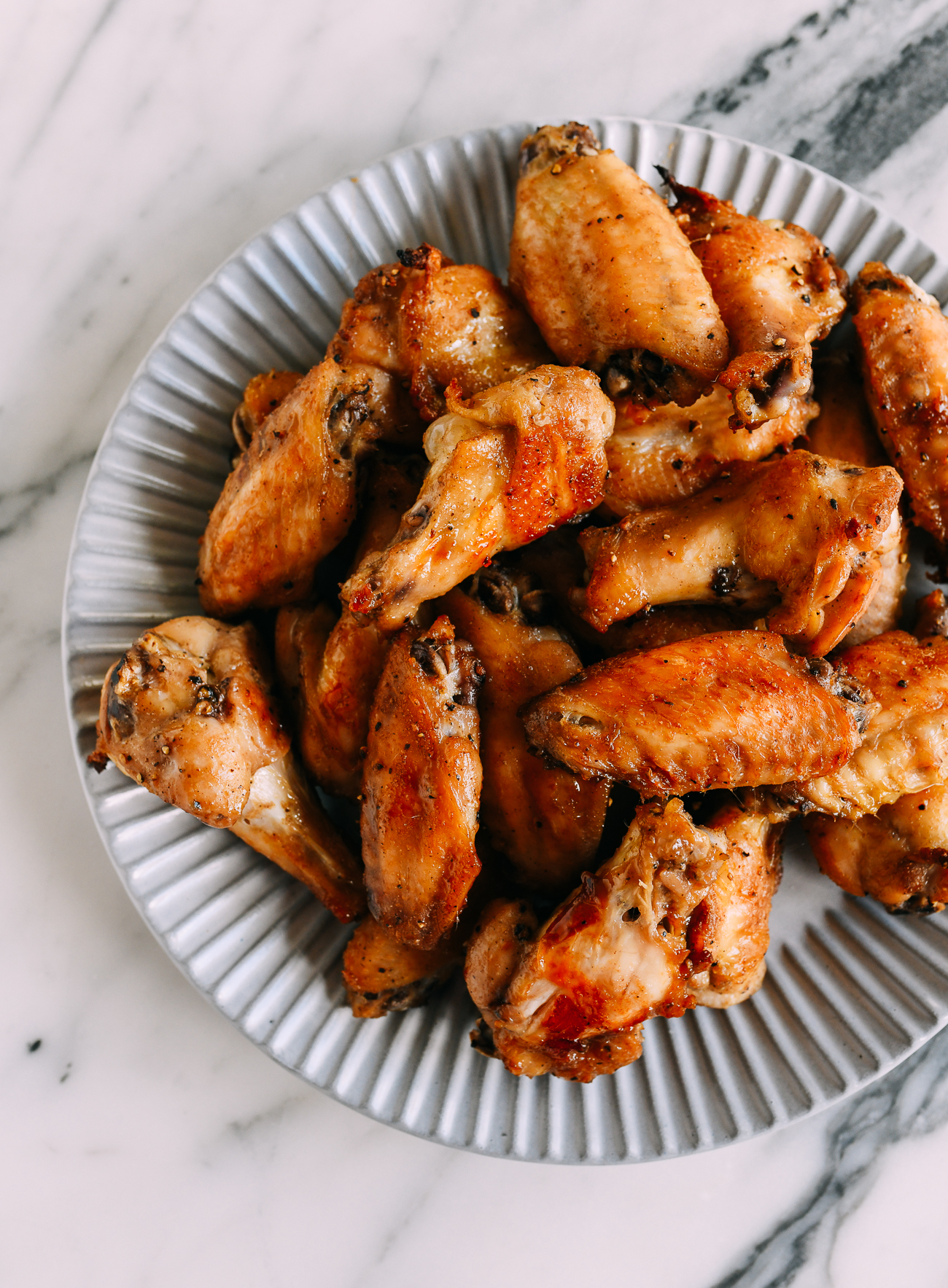
Rooted in traditional Cantonese and East Asian home cooking, rice cooker meals represent the pinnacle of efficiency. By combining washed grains, aromatic proteins such as Chinese sausage (lap cheong) or marinated pork ribs, and vegetables in a single vessel, cooks can produce a complete meal with minimal cleanup. According to culinary historians, this method preserves flavor compounds by steaming the ingredients directly within the rice’s aromatic vapor.
Rapid Stir-Flries and Braises
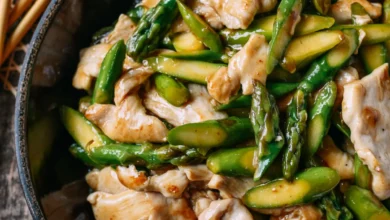
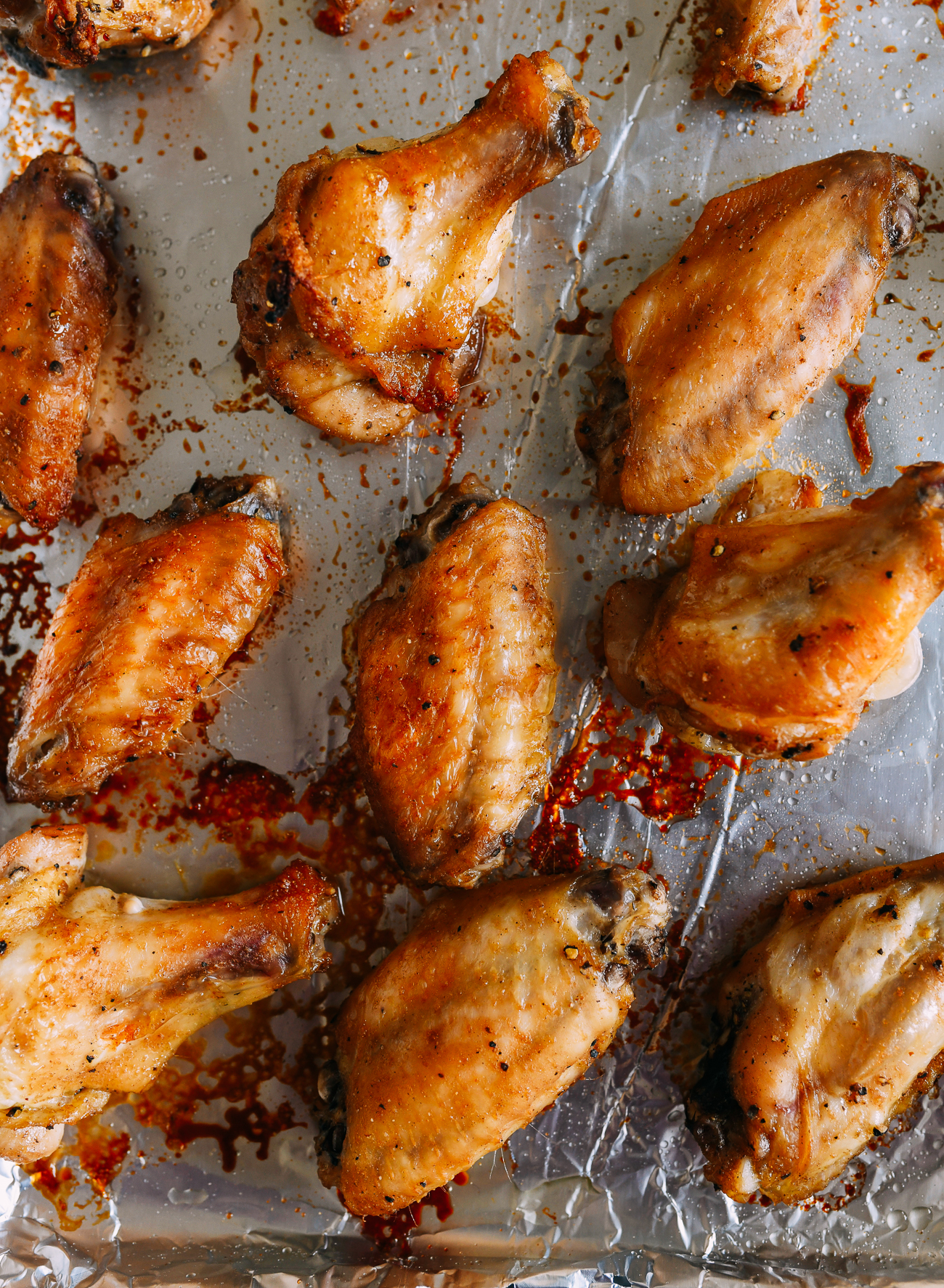
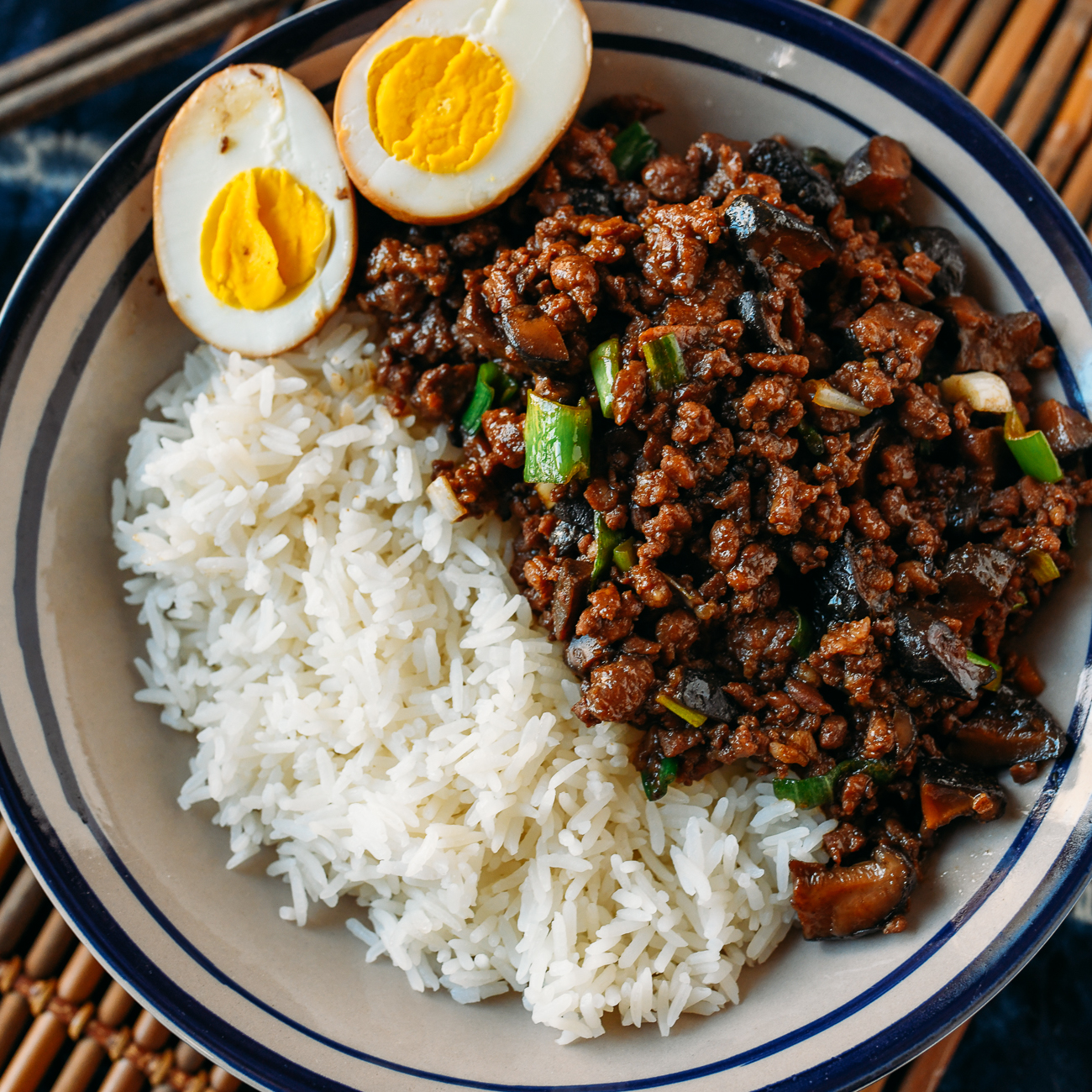
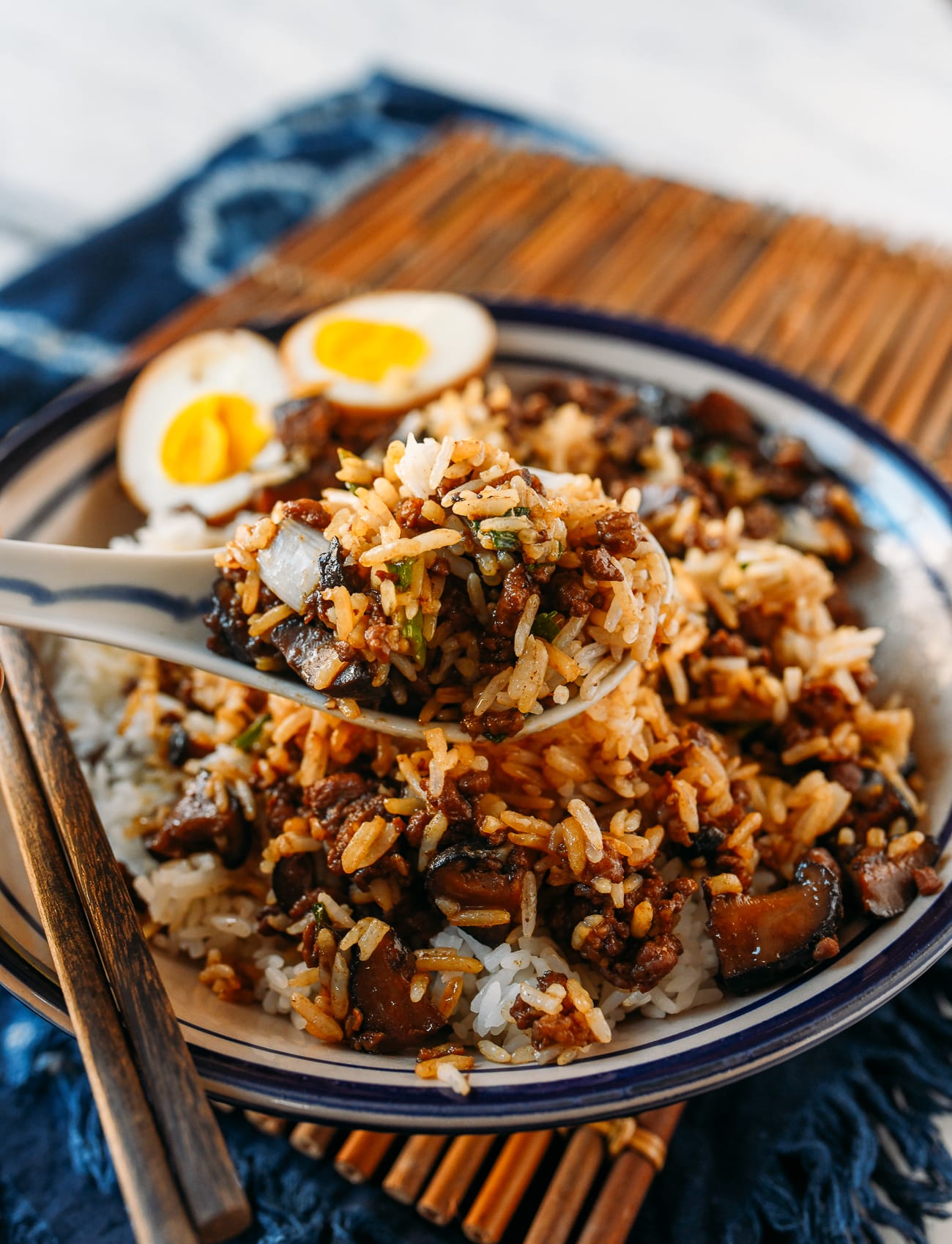
When time is constrained, quick stir-fries utilizing thinly sliced beef, chicken, or tofu paired with seasonal vegetables provide a rapid delivery of iron, vitamins, and lean protein. Similarly, minced meat braises—such as Taiwanese-style braised pork over rice (rou zao fan)—offer an economical and scalable dinner solution. These preparations require virtually no meat butchering and can be scaled up to yield multiple days of leftovers, reducing the cognitive load of daily meal curation.
Handheld and Grab-and-Go Options for Packed Lunches
For students and professionals who prefer portable formats that transcend the conventional sandwich, handheld savory items offer a practical alternative. Incorporating complex carbohydrates and proteins into portable packages ensures convenience without sacrificing nutritional value.
- Steamed Buns and Dumplings: Yeast-raised buns filled with spiced vegetables or savory meats, as well as classic pork and chive dumplings, can be prepared in large batches, frozen unbaked or uncooked, and steamed or heated as needed.
- Baked Savory Pastries: Utilizing puff pastry or enriched milk bread to encase fillings such as seasoned beef curry, char siu barbecue pork, or ham and cheese creates robust, satisfying lunchbox additions.
- Nutrient-Dense Tubers: Japanese sweet potatoes, known for their dense texture and natural sweetness, provide complex carbohydrates and dietary fiber when roasted in advance and packed as a nutritious side or snack.
Breakfast Strategies for Sustained Morning Energy
Nutritional authorities consistently designate breakfast as a critical component of cognitive development and metabolic regulation for students. However, weekday mornings rarely afford the time required to cook complex meals from scratch. The prevailing industry recommendation involves weekend batch-preparation of both savory and sweet baked goods.
- Savory Breakfast Items: Scallion flatbreads, bacon and scallion breads, chive egg pockets, and steamed scallion rolls can be frozen and rapidly reheated in a toaster oven. These options provide sustained energy through complex carbohydrates and fats rather than the rapid blood-sugar spikes associated with sugary cereals.
- Sweet Baked Goods: Nutrient-dense options such as mango muffins, banana-oat pancakes, and date cornbread offer portable, wholesome alternatives that appeal to younger palates while incorporating whole grains and real fruit.
Addressing the After-School Energy Gap
The physiological demands of growth and academic exertion often manifest as intense hunger immediately following the school day. Pediatric nutritionists note that an appropriate after-school snack should bridge the gap between lunch and dinner, supplying adequate protein and complex carbohydrates to stabilize blood sugar levels.
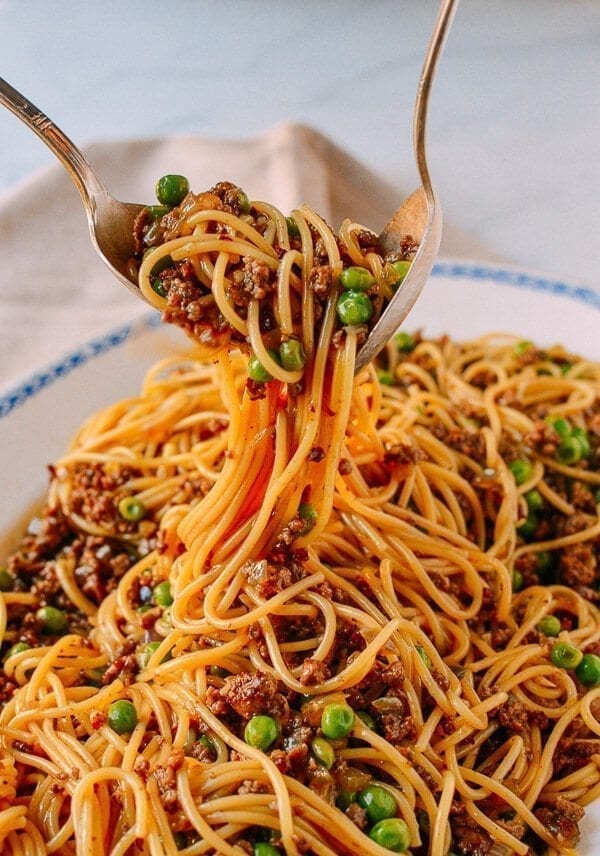
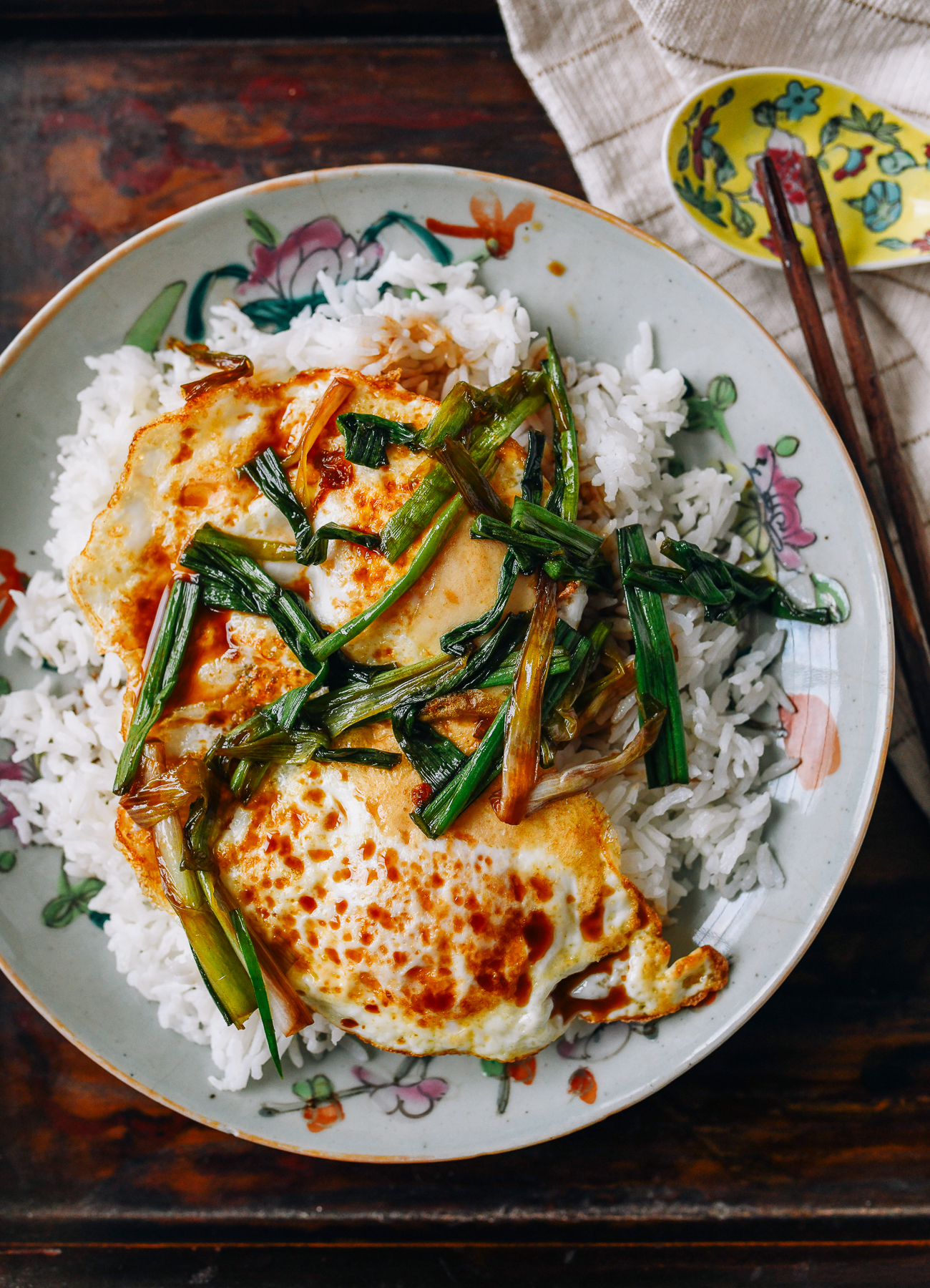
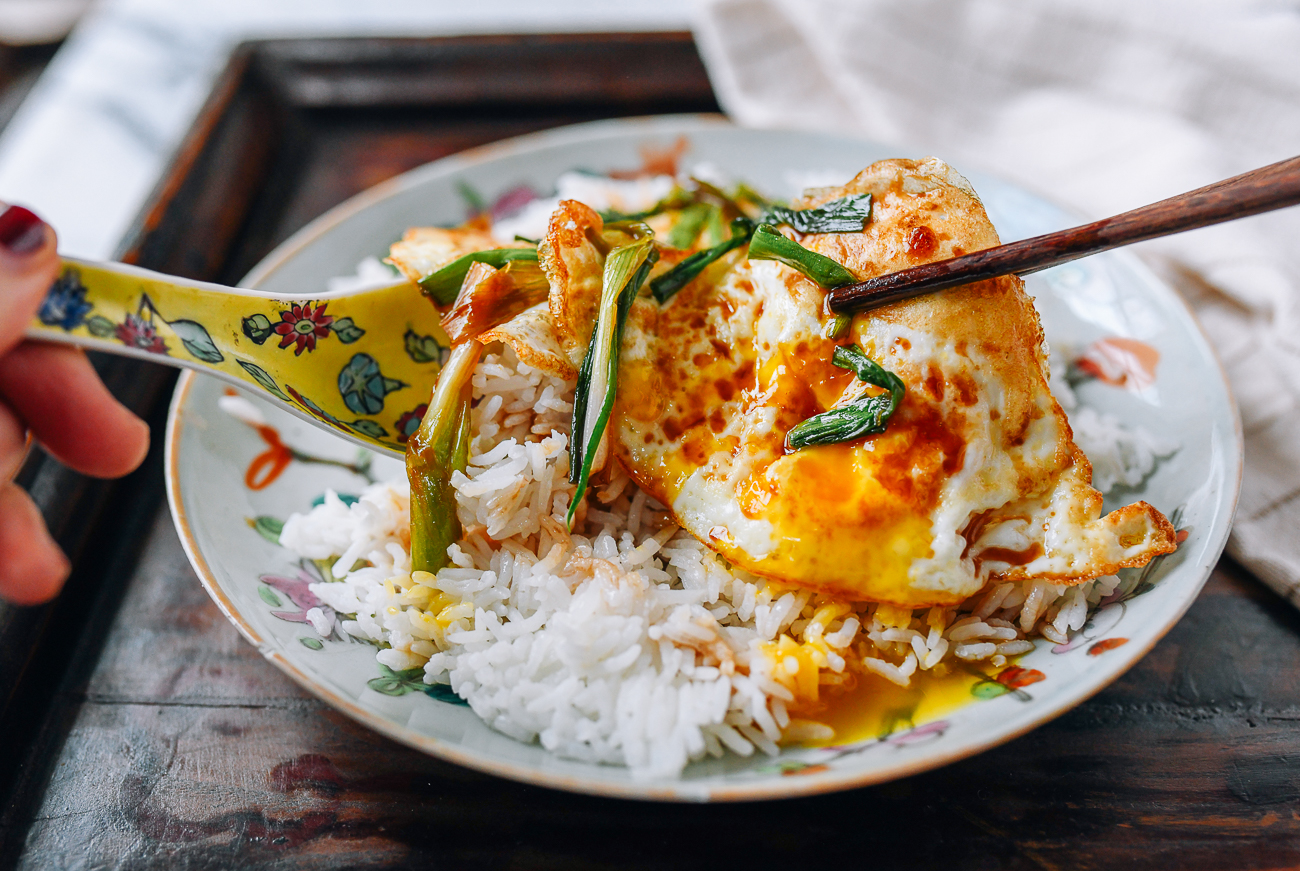
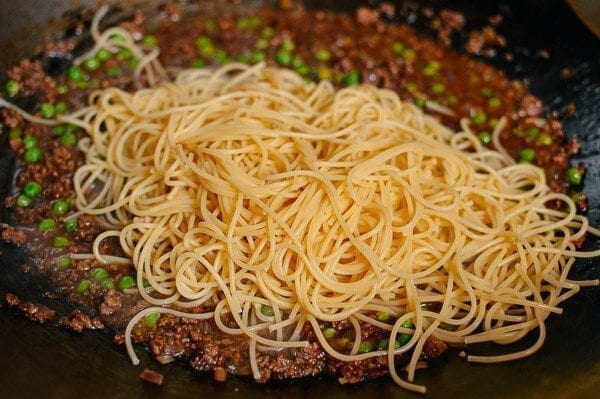
Historically, latchkey children and students returning home independently have relied on quick-preparation carbohydrate dishes that require minimal culinary intervention. Traditional solutions include simple pan-fried noodles seasoned with soy sauce, sesame oil, and chili; quick mixed-rice bowls (ban fan) utilizing leftover grains and fried eggs; and customized sandwiches prepared with wok-cooked proteins. These options empower older children to safely prepare their own snacks while ensuring adequate caloric intake during critical growth phases.
Economic and Nutritional Implications of Structured Meal Planning
A broader economic analysis of home meal preparation reveals significant financial savings compared to takeout or convenience food reliance. Families implementing structured weekly meal plans report reduced food waste due to targeted grocery purchasing. From a public health perspective, increasing the frequency of home-cooked meals correlates inversely with the prevalence of childhood and adult obesity, as home cooks retain full control over ingredient quality, sodium levels, and portion sizes.
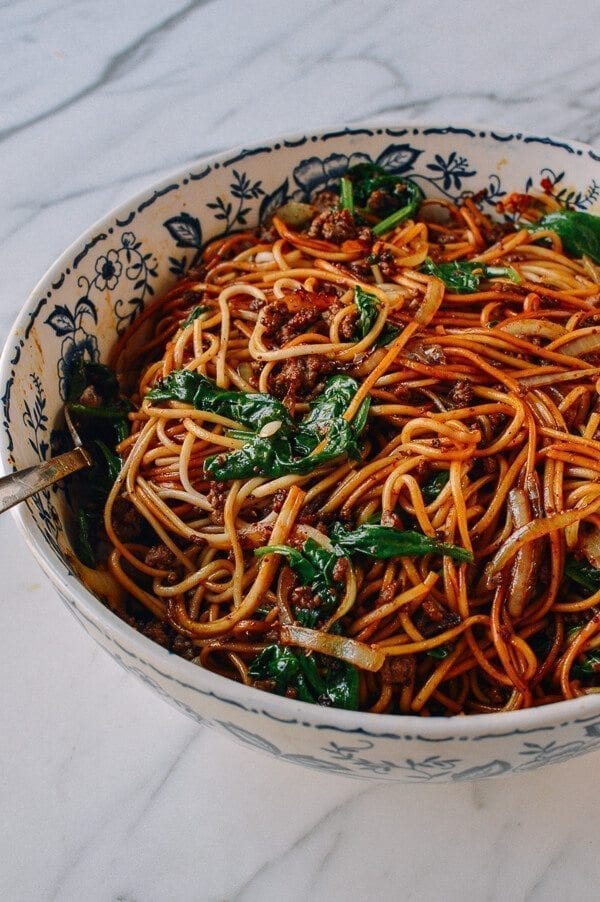
As educational institutions resume operations across the country, culinary experts urge households to view meal planning not as a burdensome chore, but as an opportunity for creative expression and nutritional stewardship. By embracing diverse global culinary traditions—ranging from Japanese bento assembly to Cantonese rice-cooker one-pot meals—families can navigate the autumn transition with confidence, flavor, and efficiency.