Mastering the Perfect Gailan with Oyster Sauce: A Quick and Authentic One-Pan Culinary Guide

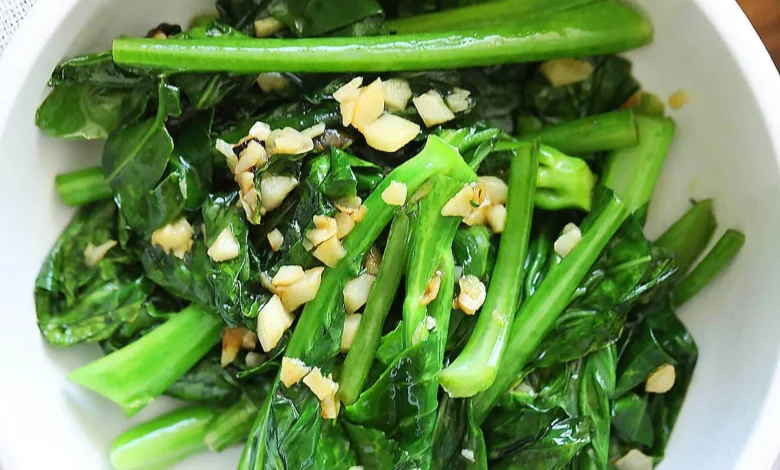
The global appetite for quick, nutrient-dense home-cooked meals has placed traditional vegetable side dishes at the forefront of modern culinary exploration. Among these, gailan—commonly known as Chinese broccoli—prepared with a savory oyster sauce glaze, represents a masterclass in culinary efficiency. Requiring just a single pan and four core ingredients, this classic Asian side dish bridges the gap between traditional heritage cooking and the demands of contemporary, fast-paced lifestyles. Culinary historians and home cooks alike continue to favor this preparation for its ability to preserve the vegetable’s natural crunch, vibrant emerald hue, and complex flavor profile without the need for complex multi-step cooking procedures.
Historical Background and Cultural Significance
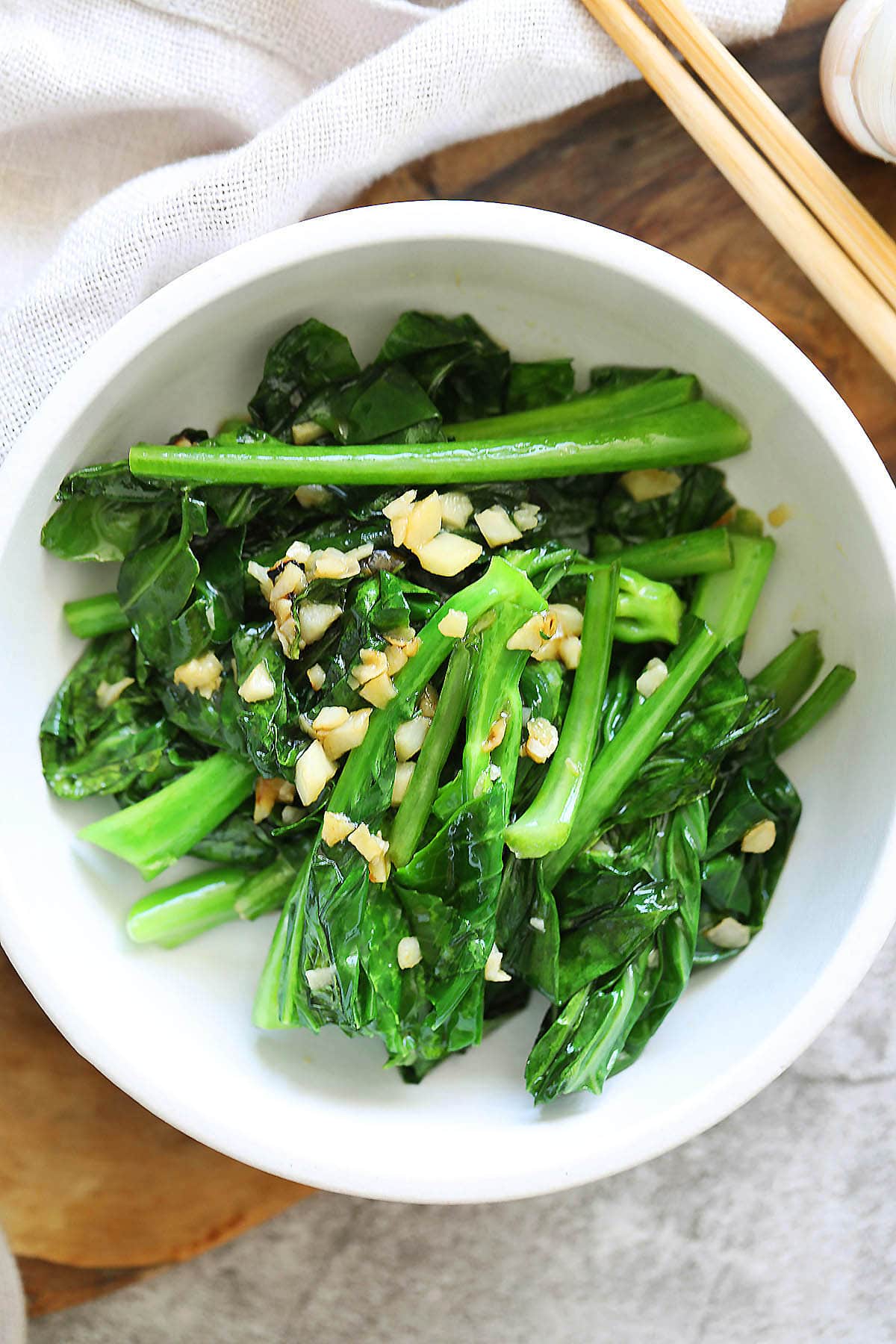
Chinese broccoli has served as a dietary staple in Southern Chinese and Cantonese cuisine for centuries. Historically cultivated along the fertile river basins of Guangdong and Hong Kong, gailan was prized for its remarkable resilience, thriving in subtropical climates where other leafy greens might falter.
In traditional Cantonese dining culture, vegetable dishes are rarely viewed as mere accompaniments; instead, they play a critical role in balancing the textures and thermal properties of a meal. While meat and seafood dishes often provide rich, heavy profiles, a well-executed plate of gailan introduces freshness, dietary fiber, and a satisfying textural contrast. Traditionally, home cooks utilized a blanching method—submerging the greens in a separate pot of boiling water before coating them in sauce. However, generational evolution in home kitchens has streamlined this process. Modern culinary practices favor direct pan-searing, a technique popularized by home cooks seeking to eliminate excess water retention and preserve the structural integrity of the vegetable.
Anatomical Breakdown and Selection of Premium Gailan
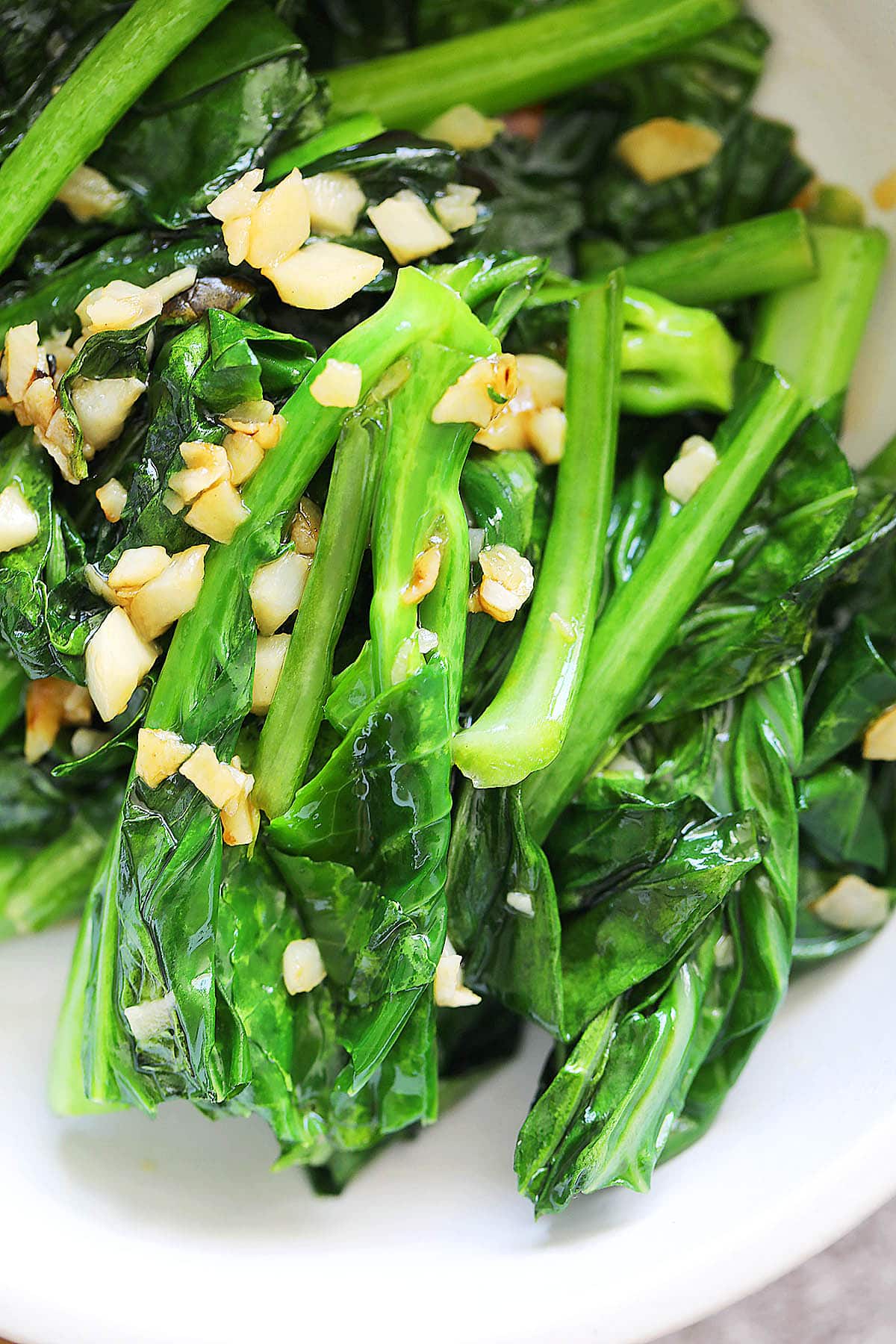
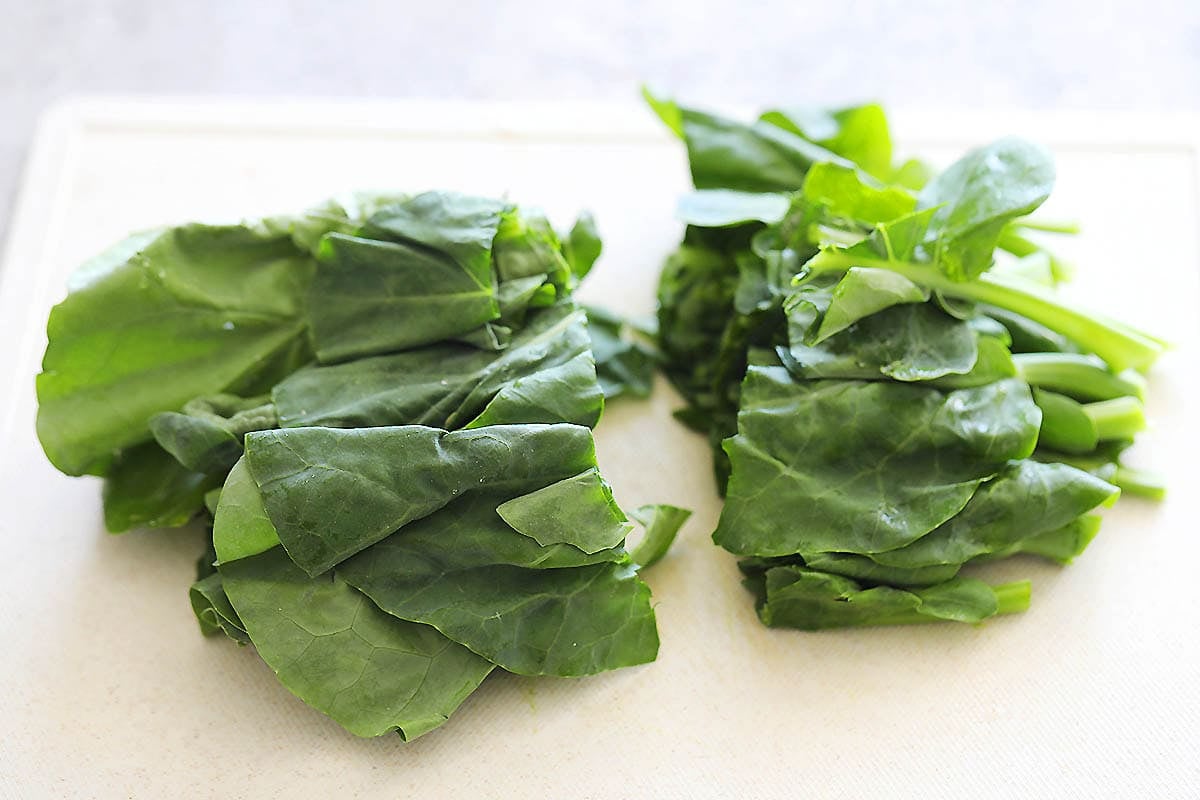
Understanding the anatomy of Chinese broccoli is essential for achieving optimal culinary results. Unlike standard western broccoli, which features heavy florets, gailan consists of thick, succulent stems, tender broad leaves, and small, delicate flower buds. The stems provide a crisp, clean bite reminiscent of asparagus, while the leaves act as natural sponges, absorbing aromatic garlic oils and umami-rich glazes.
Culinary experts emphasize that the selection process at the local market dictates the final quality of the dish. Premium gailan features firm, moist stems, tightly closed flower buds, and vibrant green leaves. Specimens exhibiting woody, hollow stems or open yellow flowers indicate an older harvest, which naturally yields a more bitter flavor profile and a fibrous texture. Proper preparation begins by trimming away the tough basal ends of the stalks and slicing the remaining stalks longitudinally. This bi-section ensures that the dense interior of the thicker stem cooks at the same rate as the delicate leafy canopy.
Nutritional Profile and Dietary Analysis
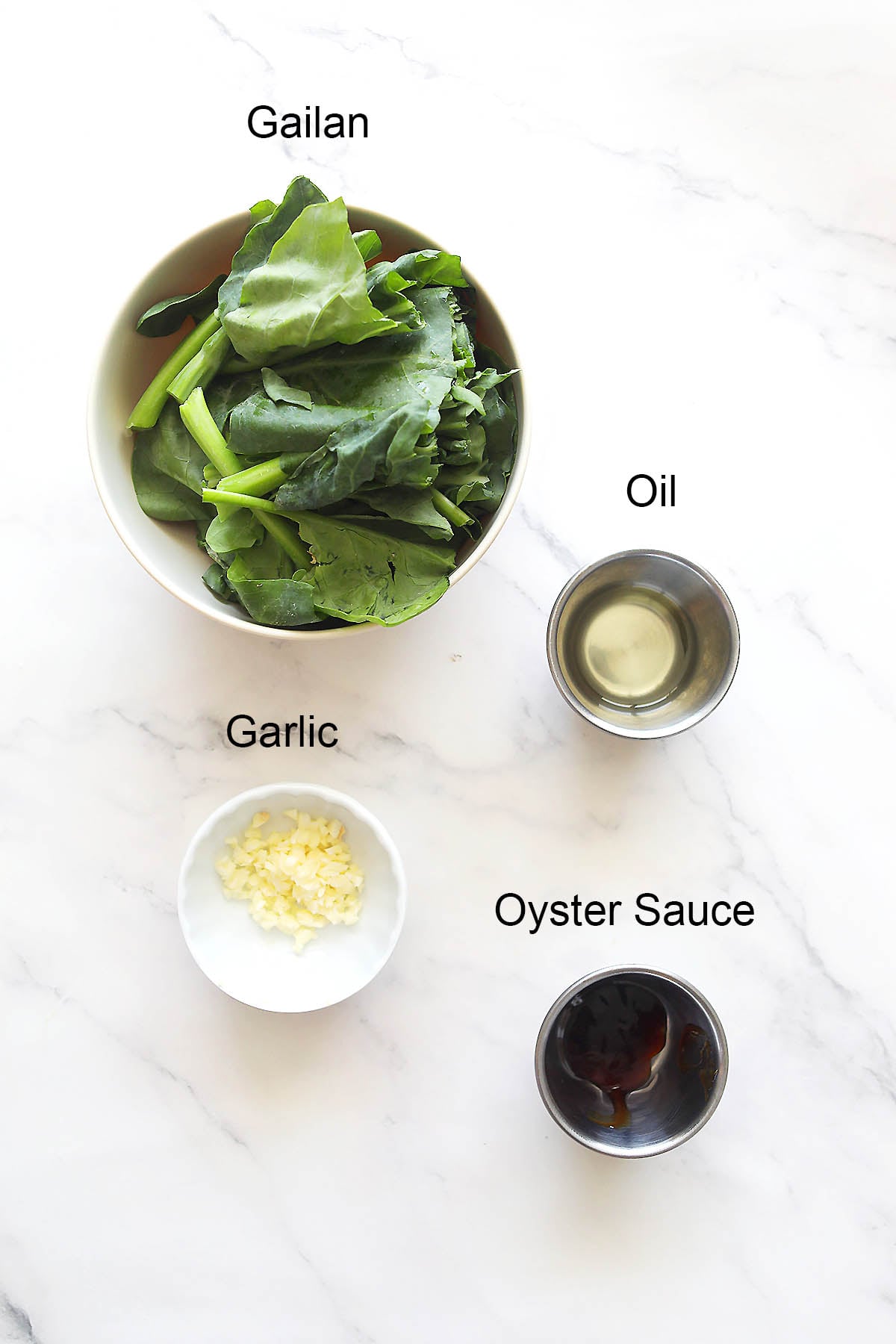
From a nutritional standpoint, gailan is a powerhouse of micronutrients and dietary fiber. Nutritional assessments indicate that a standard serving of stir-fried gailan with oyster sauce (calculated for two portions) contains approximately 105 calories, making it an exceptionally low-calorie addition to any meal plan.
The nutritional breakdown further reveals a robust profile:
- Carbohydrates: 6 grams
- Dietary Fiber: 4 grams
- Protein: 3 grams
- Total Fat: 9 grams (predominantly healthy monounsaturated and polyunsaturated fats derived from cooking oil)
- Sodium: 237 milligrams
Furthermore, gailan is exceptionally rich in fat-soluble vitamins and minerals. A single serving supplies substantial quantities of Vitamin A (approximately 9,913 International Units), Vitamin C (94 milligrams), calcium (260 milligrams), and iron (2 milligrams). The high fiber content—accounting for a significant portion of the total carbohydrate count—promotes digestive health, while the minimal sugar content (1 gram) ensures that glycemic impact remains negligible. For health-conscious consumers and those managing specific dietary restrictions, the dish offers a nutrient-dense profile without compromising on savory satisfaction.
The Culinary Methodology: Science of the One-Pan Stir-Fry
The transition from raw produce to a glistening, emerald-green side dish relies on precise thermal management. Traditional culinary science dictates that green vegetables often turn dull and olive-colored when exposed to prolonged heat due to the breakdown of chlorophyll into pheophytin. To combat this, the modern one-pan stir-fry method utilizes high heat and rapid cooking times.
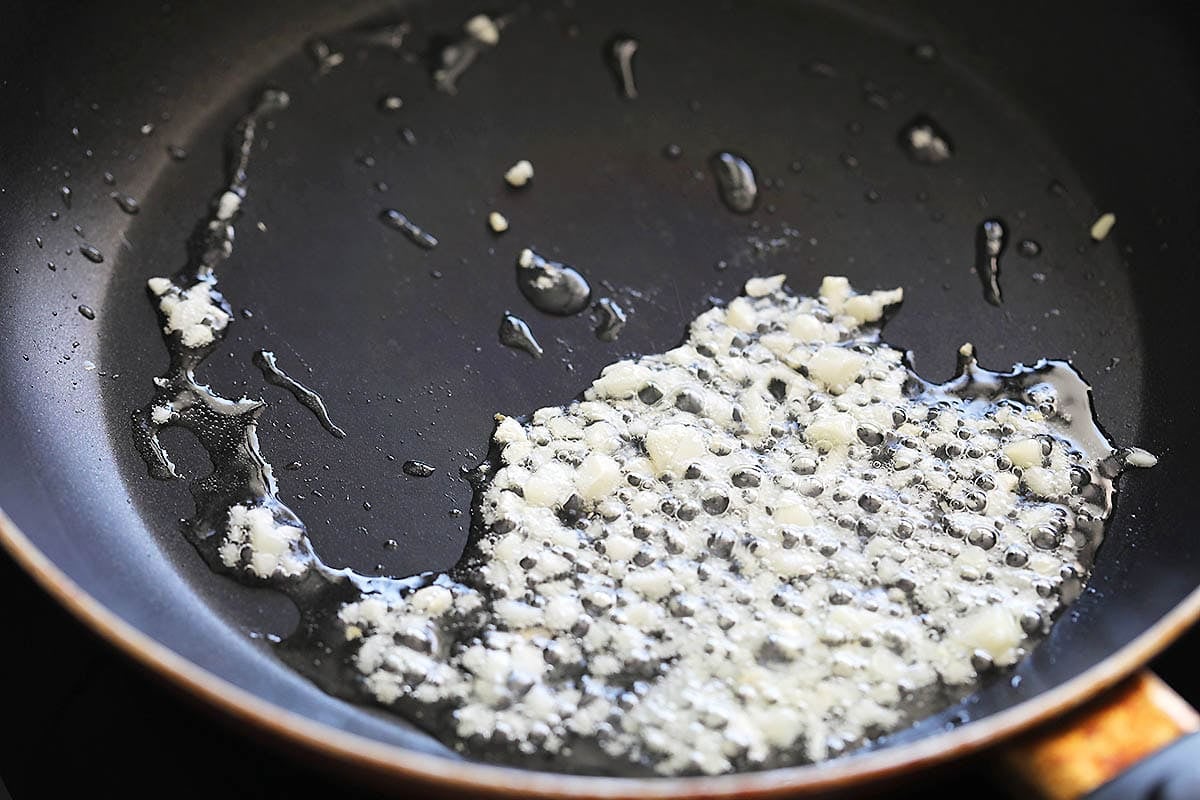
- Aromatics Activation: The process initiates by heating a wok or large skillet over medium-high heat, followed by the addition of high-smoke-point cooking oil and minced garlic. Sizzling the garlic for approximately 30 seconds releases volatile aromatic compounds, infusing the oil without scorching the delicate sugars in the garlic.
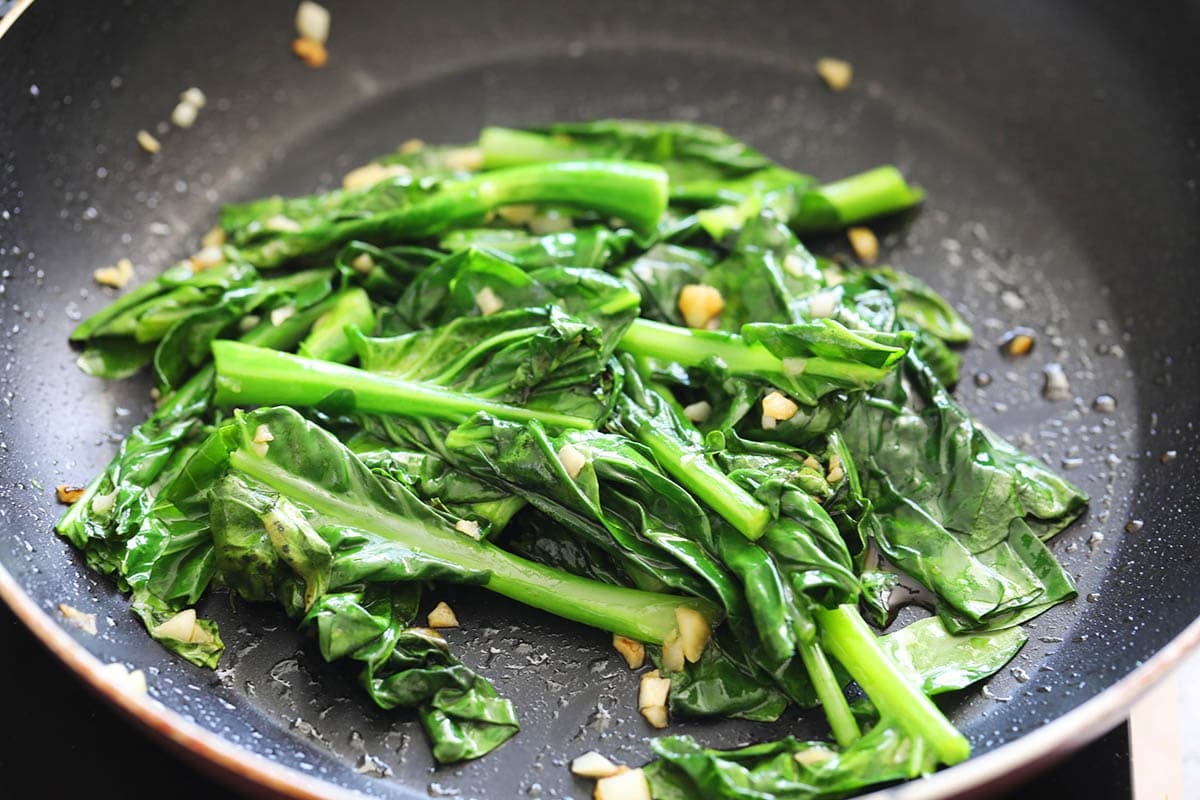
- Initial Searing: The prepared gailan is introduced directly into the hot garlic oil. Contact with the heated oil causes surface moisture on the leaves to instantly vaporize, transforming the dark foliage into a brilliant, glossy emerald green.
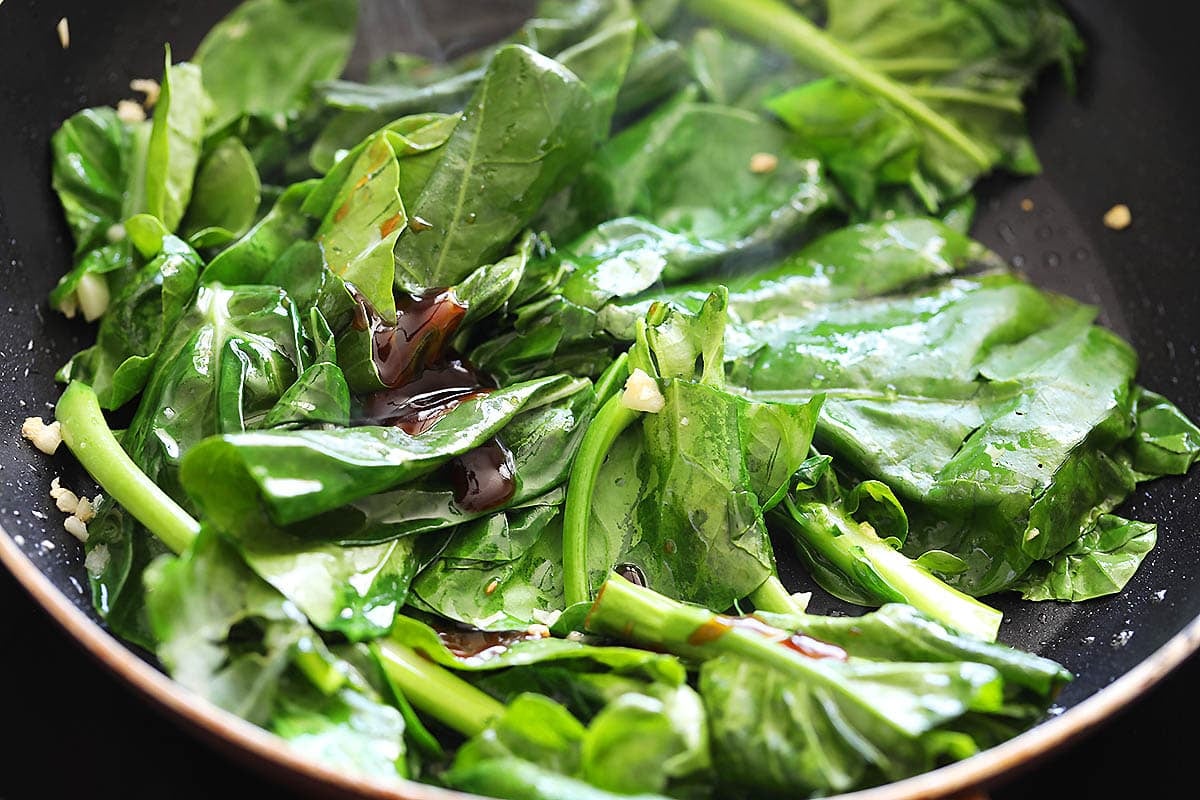
- Glazing and Steaming: The addition of premium oyster sauce—such as traditional formulations featuring extractives of oyster, sugar, and soy—introduces glutamates that amplify the natural savouriness of the vegetable. To ensure the thick stems achieve a tender-crisp texture without burning the sauce, chefs frequently employ a micro-deglazing technique, splashing 1 to 2 tablespoons of water into the pan. This generates a brief burst of steam that softens the fibrous stalks while maintaining the vibrant color of the leaves.
Ingredient Variations and Adaptability
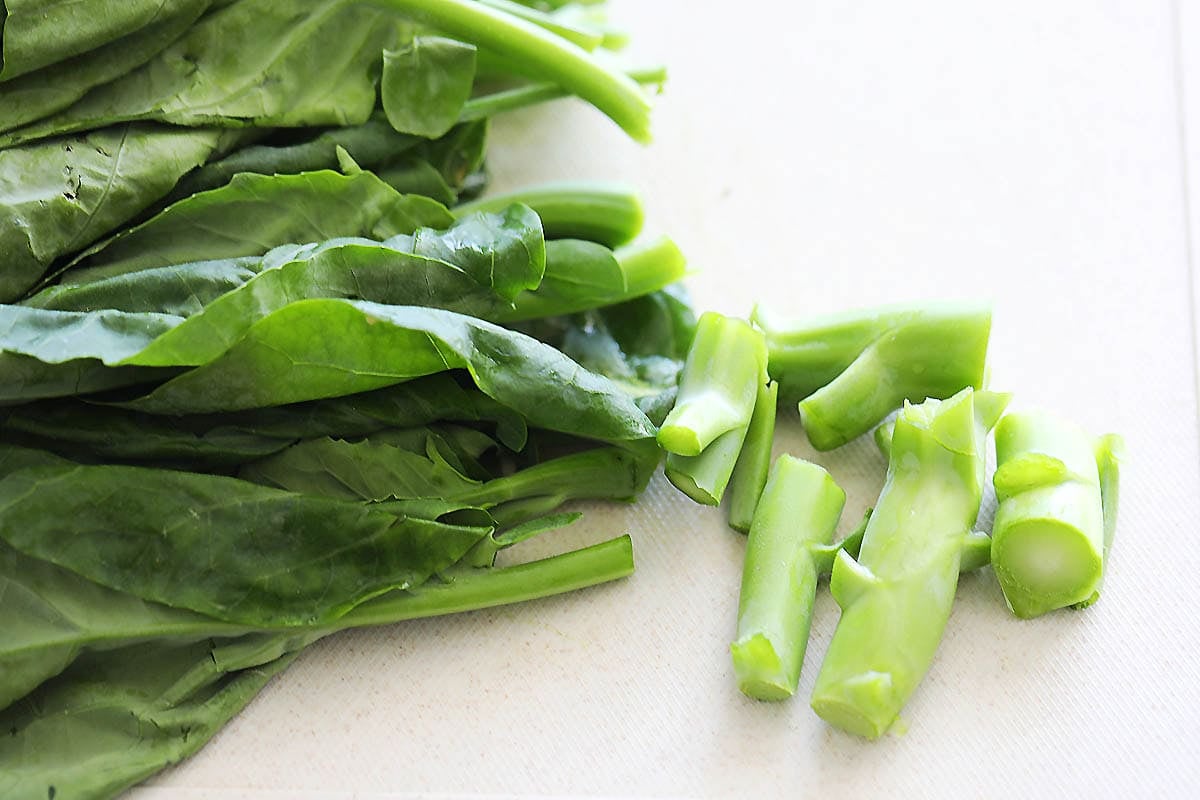
While the foundational recipe relies strictly on a triad of cooking oil, fresh garlic, and oyster sauce, culinary flexibility remains one of the dish’s primary strengths.
For individuals adhering to dietary restrictions, traditional oyster sauce can be seamlessly substituted with vegetarian oyster-flavored sauces derived from mushrooms, which successfully replicate the deep umami characteristics without shellfish allergens. To elevate the flavor profile further, home cooks often incorporate supplementary finishing agents:
- Sesame Oil: Added at the very end of cooking to impart a nutty aroma.
- White Pepper: Introduces a mild, earthy warmth that cuts through the richness of the oil.
- Shaoxing Wine or Chinese Rice Wine: Deglazes the pan and adds aromatic depth.
- Protein Integration: Sliced chicken breast, beef flank steak, peeled shrimp, or pan-fried tofu strips can be seared separately, set aside, and folded back into the greens alongside the sauce during the final stages of preparation.
Economic and Broader Market Implications
The enduring popularity of gailan with oyster sauce reflects broader shifts in consumer behavior toward home-based cooking and Asian culinary integration. As global interest in East Asian gastronomy continues to expand beyond restaurant dining rooms, home cooks increasingly seek accessible recipes that utilize minimal specialty ingredients. Oyster sauce, once considered a specialty item in Western supermarkets, is now a mainstream pantry staple.
This accessibility has driven steady demand for fresh Asian vegetables in conventional grocery supply chains. Agricultural producers have responded by expanding greenhouse cultivation of gailan in various international markets, ensuring year-round availability. From an economic perspective, dishes requiring fewer ingredients and rapid preparation times align with consumer desires for budget-friendly, efficient meal planning in the face of rising global food costs.
Storage, Preservation, and Best Practices
To maintain food safety and optimal textural quality, proper handling of leftovers is paramount. Cooked gailan should be allowed to cool completely before being transferred to an airtight container. When stored in refrigeration at or below 4 degrees Celsius (40 degrees Fahrenheit), the dish remains viable for up to three days.
Reheating requires careful attention to prevent the delicate leaves from becoming mushy. Culinary experts recommend reheating leftovers in a smoking-hot skillet or wok for no more than one to two minutes, tossing continuously until heated through. Microwaving is generally discouraged, as uneven heating tends to overcook the leafy portions while leaving the core stems lukewarm.
Conclusion
Gailan with oyster sauce endures as a testament to the elegance of simplicity in cooking. By combining rigorous thermal techniques, high-nutrient produce, and umami-rich flavoring agents, home cooks can replicate restaurant-quality results in minutes. As culinary traditions continue to evolve across global kitchens, this foundational green side dish remains a shining example of how minimal ingredients can yield maximum flavor, nutrition, and cultural appreciation.