Authentic Northern Chinese Napa Cabbage Rolls Bring Comfort and Heritage to the Modern Kitchen

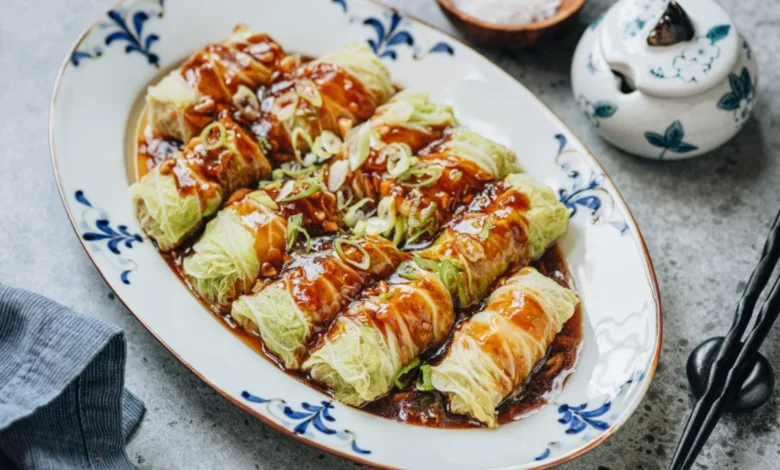
Culinary traditions often trace their origins back to necessity, evolving from seasonal preservation techniques and local agricultural constraints into beloved regional comfort foods. Among these culinary mainstays, meat-filled cabbage rolls are found across dozens of distinct global cuisines, each adapting the concept to local produce and flavor profiles. In Northern China, particularly during the brisk winters of Beijing, this culinary tradition manifests as a delicate, savory dish utilizing napa cabbage (Brassica rapa subsp. pekinensis) paired with a seasoned pork and shiitake mushroom filling.
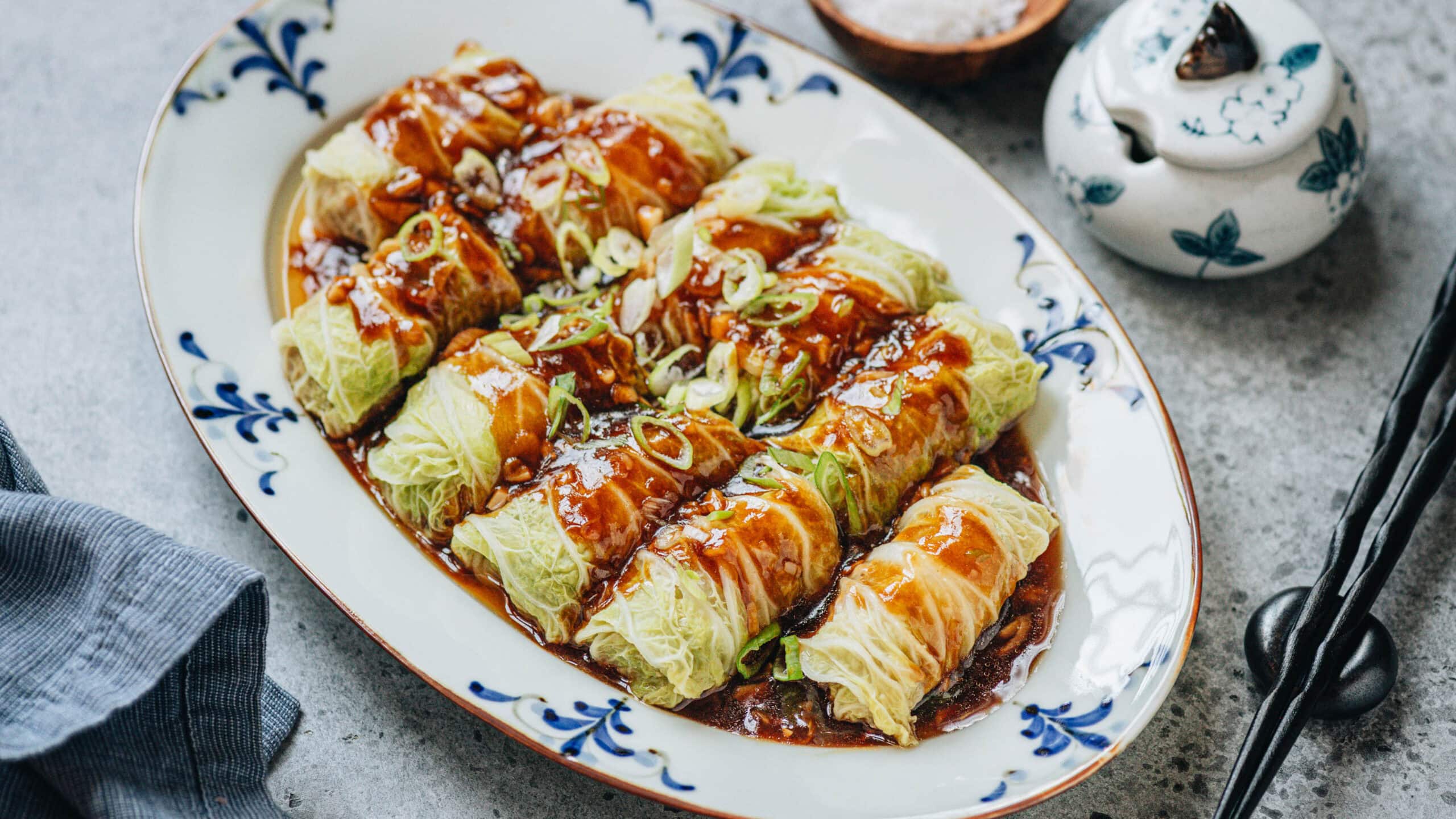
As contemporary home cooks increasingly seek approachable, nutrient-dense weeknight meals that bridge cultural heritage with kitchen efficiency, traditional Northern Chinese napa cabbage rolls have experienced a resurgence in popularity. Requiring less than an hour from preparation to plating, this steamed dish offers a modern solution to fast-paced cooking without sacrificing the complex flavor profiles characteristic of traditional Chinese gastronomy.
Historical Context and Agricultural Significance in Northern China
The reliance on napa cabbage as a dietary cornerstone in Northern China is deeply rooted in historical agrarian practices. During the early 1990s in Beijing, winter agricultural markets offered remarkably limited fresh produce varieties compared to contemporary supermarkets. Greenhouses were less prevalent, making cold-hardy vegetables essential for survival and daily nutrition. Napa cabbage, celebrated for its ability to withstand freezing temperatures and store effectively through harsh winter months, became a staple item procured in massive quantities by urban households.

Families frequently consumed napa cabbage multiple times a week, utilizing it in soups, dumplings, braises, and stir-fries. To combat menu fatigue during long winters, home cooks developed creative variations, transforming the ubiquitous vegetable into stuffed rolls. This technique elevated a humble, budget-friendly ingredient into a sophisticated main course by encasing savory proteins within the naturally sweet, tender layers of steamed napa cabbage leaves.
Culinary Mechanics: Why Napa Cabbage Outperforms Western Varieties
While European and Middle Eastern cabbage rolls traditionally rely on dense, tightly packed green or savoy cabbage leaves, the Northern Chinese variation specifically utilizes napa cabbage for distinct biochemical and structural reasons.

Green cabbage features thick, fibrous veins and tightly bound leaves that require extensive boiling or braising to soften sufficiently for rolling. In contrast, napa cabbage possesses a naturally higher water content, thinner and more flexible leaves, and a sweeter flavor profile. When briefly blanched, the green portions of the napa cabbage become pliable enough to wrap securely around a dense protein filling without tearing, while the firm white lower portions provide a contrasting structural crunch when minced and incorporated directly into the pork mixture.
Furthermore, the cooking method significantly impacts the final texture and flavor integrity of the dish. Rather than braising the rolls—a method that can sometimes lead to waterlogged textures or broken leaves—steaming preserves the structural integrity of the delicate wrapper while ensuring the interior pork filling remains exceptionally juicy. During the steaming process, the napa cabbage naturally releases significant amounts of flavorful moisture, which serves as the foundational base for an umami-rich finishing sauce.

Step-by-Step Culinary Methodology
Preparing authentic Chinese napa cabbage rolls involves a precise, multi-stage culinary process designed to maximize texture, moisture retention, and flavor development.
- Rehydrating Aromatics: Dried shiitake mushrooms are submerged in warm water for 10 to 15 minutes until softened. Once rehydrated, the stems are discarded, the caps are squeezed dry, and the mushrooms are finely minced to introduce concentrated umami into the filling.
- Blanching the Wrappers: Large, flexible inner and middle napa cabbage leaves are submerged in boiling water for approximately 20 seconds to soften. They are immediately shocked in cold water to halt the cooking process, drained thoroughly, and set aside.
- Formulating the Filling: Ground pork—optimally featuring a balanced fat-to-lean ratio to prevent dryness—is combined with minced shiitake mushrooms, Shaoxing wine, light soy sauce, oyster sauce, sesame oil, grated ginger, and cornstarch. The mixture is vigorously stirred until it achieves a tacky, cohesive consistency. Finely minced napa cabbage whites are then folded in to add textural contrast.
- Assembly and Steaming: One to two tablespoons of filling are placed near the base of each blanched leaf. The leaf is rolled over the pork, the sides are tucked inward to secure the contents, and the finished cylinder is placed seam-side down on a heat-proof plate. The rolls are steamed over boiling water for 12 minutes.
- Sauce Synthesis and Reduction: The seasoned liquid pooled on the steaming plate is harvested and combined with oyster sauce, light soy sauce, and dark soy sauce. Aromatics consisting of minced garlic and scallion whites are gently fried in oil before the seasoned liquid is introduced. A cornstarch slurry is gradually whisked in until the sauce achieves a glossy consistency capable of coating the back of a spoon.
Nutritional Profile and Dietary Implications
From a nutritional perspective, steamed napa cabbage rolls align well with modern dietary recommendations emphasizing lean proteins, fiber intake, and controlled carbohydrate consumption.

A standard serving of four cabbage rolls typically yields approximately 231 kilocalories, 12 grams of protein, 17 grams of total fat (5 grams of which are saturated), and 8 grams of carbohydrates. The inclusion of napa cabbage and shiitake mushrooms contributes significant dietary fiber (2 grams per serving), essential micronutrients including Vitamin C and calcium, and bioactive compounds associated with immune support. Because the primary cooking medium is steam rather than oil, the dish maintains a lower caloric density compared to pan-fried or deep-fried alternatives common in international comfort food categories.
Serving Traditions and Modern Adaptations
In traditional homestyle dining settings, napa cabbage rolls are served as the centerpiece of the meal, accompanied by a generous portion of steamed white rice. The glossy oyster-soy sauce is spooned liberally over the top, allowing the grains of rice to absorb the savory reduction.

To create a balanced multi-course winter dinner, home cooks frequently pair the dish with complementary accompaniments. A simple stir-fried green vegetable, such as baby bok choy or garlic broccoli, introduces visual contrast and crisp texture, while a light broth-based soup, such as traditional egg drop soup, rounds out the meal without overwhelming the palate.
While ground pork remains the traditional and optimal protein choice due to its natural fat content and moisture retention, modern dietary adjustments have led to successful substitutions. Ground chicken or turkey can be utilized for leaner dietary preferences, though cooks must account for a slightly drier final texture. Similarly, ground beef offers a robust alternative, though its distinct flavor profile alters the traditional balance between the sweet cabbage and the savory oyster sauce base.

Broader Culinary Impact and Accessibility
The enduring appeal of Northern Chinese napa cabbage rolls highlights a broader trend in contemporary home cooking: the rediscovery of traditional, technique-driven comfort foods that utilize accessible, whole-food ingredients. By transforming simple winter staples into an elegant, cohesive dining experience, this traditional recipe demonstrates how historical resourcefulness continues to inspire modern culinary innovation across global kitchens.