Transforming the Palate: How Curated Educational Wine Clubs Are Bridging the Gap Between Curiosity and Mastery


The global direct-to-consumer wine market has experienced a profound structural evolution over the past decade, shifting away from generic subscription boxes toward hyper-curated, educational experiences. Modern consumers are no longer satisfied with merely receiving a randomized assortment of bottles at their doorstep; instead, a growing segment of oenophiles and casual enthusiasts alike are demanding deep sensory education, historical context, and transparency regarding production methods. In response to this shifting consumer demand, specialized wine clubs have emerged as sophisticated educational platforms. These programs are designed to transform passive consumption into active mastery by pairing handpicked international selections with comprehensive digital modules, professional tasting notes, and direct insights from winemakers.
The Rise of Educational Wine Tourism and At-Home Discovery
For centuries, achieving a nuanced understanding of wine required formal sommelier training, extensive travel through global wine-producing regions, or access to high-end wine bars. However, recent economic shifts and technological advancements have decentralized wine education. Industry analysts note that contemporary wine consumers increasingly view beverages through an experiential lens, prioritizing the narrative, terroir, and cultural heritage behind each bottle over sheer brand recognition.

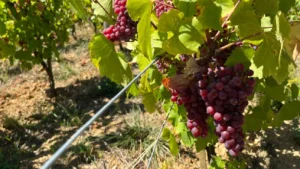
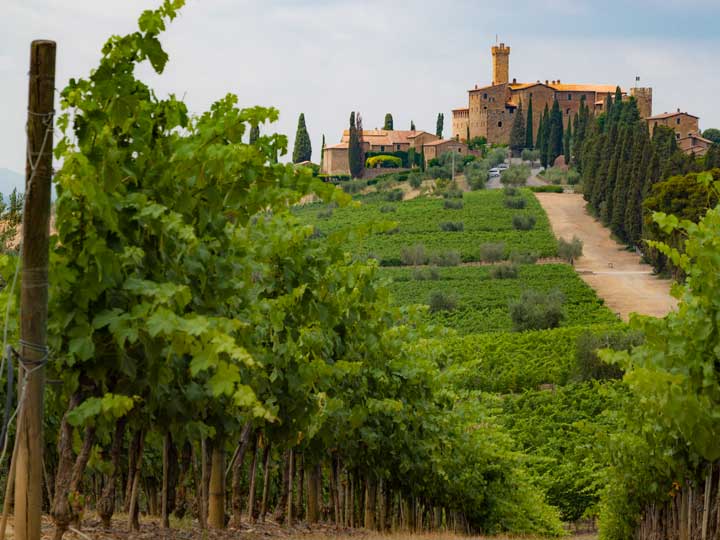
Educational wine clubs capitalize on this trend by curating bottles that tell a distinct story. Rather than relying on commercially ubiquitous labels found in standard retail environments, these programs source unique selections from small-batch producers, heritage vineyards, and emerging regions. This approach not only supports independent winemakers who lack massive distribution networks but also exposes members to rare varietals and non-traditional vinification techniques that they might never encounter locally.
The Anatomy of a Curated Wine Journey
A typical modern educational wine subscription operates on a multidisciplinary framework that combines logistics, digital content creation, and enology. When a subscriber joins such a program, the experience usually begins with an onboarding preference assessment designed to gauge their current knowledge level, flavor preferences, and regional curiosities. Based on this data, logistics teams handpick bottles from diverse global terroirs.
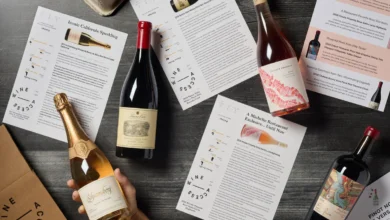
However, the core differentiator of these programs lies in the accompanying educational apparatus. Upon receiving a shipment, members gain access to a secure digital portal containing a wealth of multimedia resources. These typically include:
- Comprehensive varietal breakdowns detailing the biological and botanical characteristics of the grapes.
- Historical context outlining the cultural evolution of the specific wine-producing region.
- Agronomic insights into the producer’s farming practices, ranging from sustainable and organic agriculture to biodynamic vineyard management.
- Step-by-step guidance on optimal serving temperatures, glassware selection, and decanting requirements.
By integrating these elements, the subscription model bridges the gap between theoretical study and practical sensory evaluation. Subscribers are encouraged to participate in comparative or vertical tastings, allowing them to discern subtle variations in acidity, tannin structure, and oak influence across different vintages and microclimates.
Consumer Reception and Testimonials
The transition toward knowledge-centric wine consumption has garnered overwhelmingly positive feedback from participants who feel empowered by the structured format.
Laura M., a long-term subscriber to an educational wine platform, highlighted the meticulous design of the program in a recent review: "I really, really, really love your entire format for this club! You have really honed this to perfection. I appreciate all the information on the members area on the website that includes varietal info, winery info, how to serve the particular wine, etc."

Similarly, Christine B. emphasized the value of professional storytelling and continuous learning: "I love the in depth information about the wine every month, the wineries and your experiences with each of them. Thank you so much for helping me expand my wine knowledge and of course the opportunity to sample them too!!"
For enthusiasts residing in geographic regions with limited retail selection, these clubs offer access to rare bottles that defy local inventory constraints. Milford C., another active participant, noted: "You have brought wines that I can not source locally which is awesome. I also like comparison, vertical tasting, and exploring taste pairings. And if that is not enough, I love learning about and tasting value wines. I really enjoy the club."
Leveraging Technology and Professional Expertise
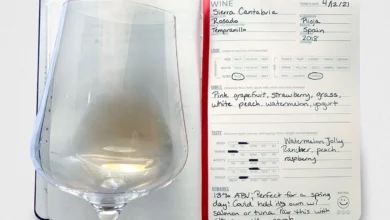
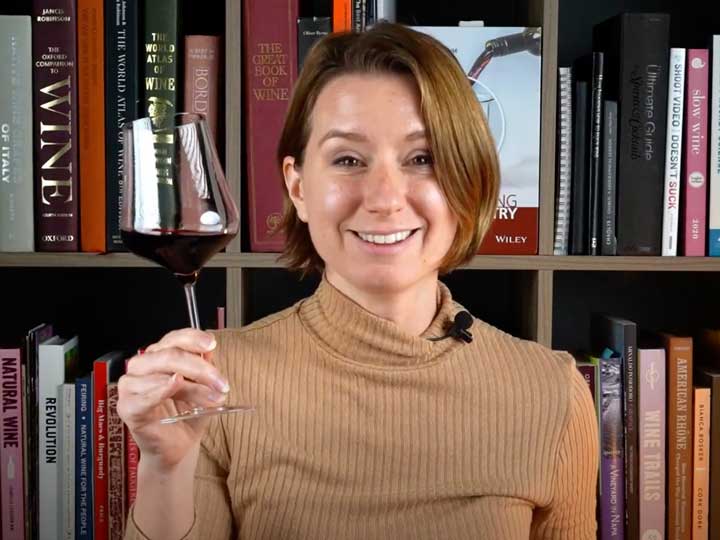
To maintain high educational standards, these subscription programs rely heavily on contributions from certified professionals, including masters of wine, advanced sommeliers, and experienced educators. These experts draft personal tasting notes that serve as a navigational tool for members as they uncork their bottles. These notes often break down complex tasting profiles into accessible descriptors, helping novices identify subtle notes of stone fruit, minerality, or secondary aging aromas such as leather and tobacco.
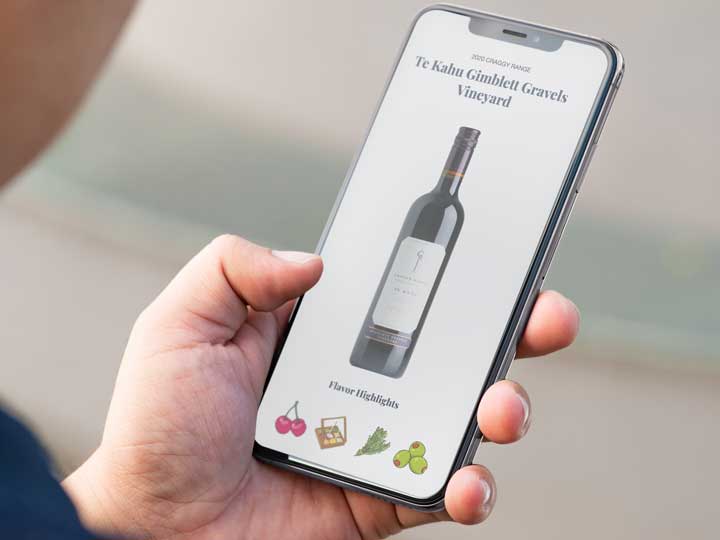
Furthermore, digital accessibility has transformed how consumers interact with this information. Members portal architectures are optimized for multi-device usage, allowing enthusiasts to log in via smartphones, tablets, or desktop computers from anywhere in the world. Whether consulting a food-pairing guide while cooking dinner or reviewing a producer’s backstory while traveling, users maintain uninterrupted access to a centralized repository of wine knowledge.
Gifting Culture and Market Expansion
Beyond individual self-improvement, the market for educational wine experiences has expanded significantly into the gifting sector. Industry data indicates that experiential gifts—those providing intangible value, skill acquisition, or memorable moments—have outperformed traditional material goods in recent years.
To meet this demand, wine clubs have introduced flexible gifting frameworks. Consumers can purchase prepaid packages ranging from short-term introductions of two or three months to comprehensive year-long subscriptions. These packages are frequently tailored for milestones such as holidays, corporate achievements, wedding anniversaries, or birthdays, allowing gift-givers to share a sophisticated, educational journey with friends, family members, or colleagues.
Economic Implications and Industry Outlook
The proliferation of direct-to-consumer educational wine clubs reflects broader structural changes in the global alcoholic beverage industry. Independent producers, squeezed by consolidated wholesale distribution networks, find a vital lifeline in curated subscription platforms that guarantee direct access to engaged consumers willing to pay for quality and provenance.
Concurrently, consumers benefit from an increasingly democratized approach to luxury goods. By decoupling high-end wine education from elitist tasting rooms and expensive certification courses, subscription models have lowered the barrier to entry for culinary arts enthusiasts. As logistics networks improve and digital content creation becomes more sophisticated, the intersection of e-commerce and oenological education is poised to capture an even larger share of the specialty food and beverage market in the coming years.