Here is how to master at-home clarification, fermentation, force carbonation and more.

The evolution of the home bar has transcended the basic procurement of high-end spirits and artisanal glassware. For the modern enthusiast, the kitchen has increasingly become a laboratory, mirroring the sophisticated techniques previously reserved for world-class cocktail bars. This shift toward "molecular" home mixology reflects a broader trend in culinary hobbies, where access to specialized tools and technical knowledge has democratized professional-grade preparation methods. By mastering advanced techniques such as fat-washing, clarification, fermentation, force carbonation, and spirit switching, the home bartender can manipulate texture, flavor profile, and clarity with a degree of precision that was historically impossible outside of a commercial setting.

The Rise of the Culinary Home Bar
The current movement is deeply rooted in the "New Golden Age of Cocktails," which began in the early 2000s with the resurgence of pre-Prohibition classics. As home bars became more refined, the gap between the professional bar program and the home setup narrowed. Key milestones in this timeline include the 2007 debut of the Benton’s Old-Fashioned at New York’s PDT (Please Don’t Tell), which introduced fat-washing to the mainstream, and the subsequent publication of Dave Arnold’s Liquid Intelligence in 2014, which provided a foundational manual for scientific mixology. Today, the prevalence of e-commerce platforms has made items like iSi whippers, food-grade agar-agar, and CO2 carbonation rigs readily accessible, turning experimental mixology into a standard weekend project for the dedicated hobbyist.
Mastering Fat-Washing: A Textural Transformation
Fat-washing is perhaps the most accessible "next-level" technique. Originally conceptualized to infuse the savory, smoky essence of bacon into bourbon, the process relies on the chemistry of lipid solubility. Because fats contain flavor compounds that are soluble in alcohol but insoluble in water, the infusion process allows for the extraction of rich, savory notes without the inclusion of the fat’s solid mass.

The procedure is straightforward: a liquid fat (such as coconut oil, brown butter, or peanut butter) is combined with a spirit and left to macerate at room temperature for several hours. The mixture is then placed in a freezer. As the temperature drops, the fat solidifies at the top of the container, allowing the clear, flavor-infused spirit to be strained away. This results in a cocktail with a silky, fuller mouthfeel and a nuanced, savory depth. Beyond the classic Benton’s Old-Fashioned, modern bartenders are experimenting with toasted sesame oil and even duck fat to add complexity to high-proof spirits, creating layers of flavor that simple syrups or bitters cannot replicate.
The Art of Clarification: Achieving Visual and Sensory Purity
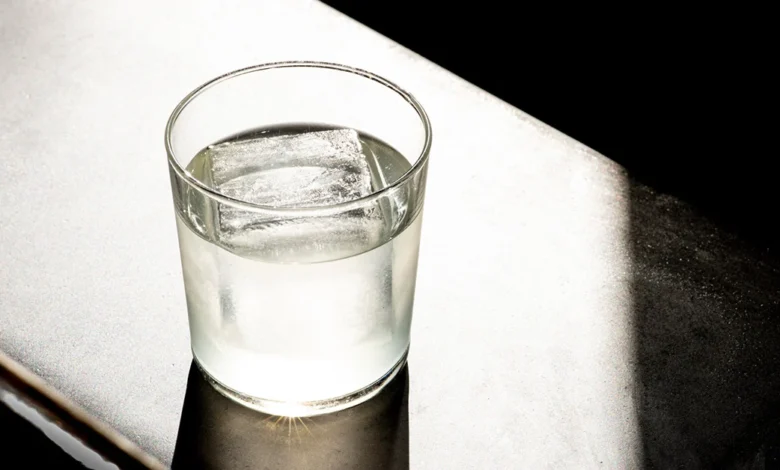
Clarification, often associated with the classic English Milk Punch, has seen a resurgence as a means of altering both the appearance and the texture of a drink. By removing microscopic solids, a bartender can turn a murky, pulp-heavy cocktail into a crystal-clear, shelf-stable liquid.

There are three primary methodologies for home clarification:
- Agar-Agar Gelation: This technique uses a seaweed-derived gelling agent to trap solids. Once the mixture gels, it is broken up and passed through a fine-mesh filter or muslin, leaving behind a clear, bright liquid.
- Milk Curdling: By introducing an acidic component (such as citrus juice) to milk, the proteins denature and curdle, trapping the tannins and impurities from the cocktail. When strained, the resulting punch is silky and remarkably smooth.
- Powdered Milk Technique: A more recent innovation championed by contemporary mixologists, this method uses dehydrated milk powder rather than liquid milk. This allows for the "toasting" of the milk powder beforehand, introducing nutty, Maillard-reaction flavors that are impossible to achieve with traditional liquid milk.
The implications of these techniques are significant for the home bartender; a clarified cocktail is not only visually stunning but often possesses a softened, integrated flavor profile, as the harsh tannins of citrus or tea are stripped away during the filtration process.

Fermentation as a Flavor Engine
While fermentation is a cornerstone of human history, its application in the home bar is a modern frontier. Utilizing wine yeast or wild cultures to ferment juices, teas, and syrups allows for the creation of ingredients that possess a complexity, acidity, and effervescence unmatched by store-bought mixers.
The process is inherently biological, requiring strict sanitation to prevent spoilage. However, once mastered, the results are transformative. Lacto-fermentation of fruits—such as cherries or peaches—produces a tangy, savory syrup that can elevate a standard Highball. Fermenting celery juice into a "celery soda" creates a sophisticated, savory mixer for mezcal or gin, providing a depth of flavor that complements the earthiness of agave spirits. This approach turns the cocktail into a dynamic ecosystem, where ingredients are not just mixed but actively evolve over time.

Force Carbonation: The Science of the Highball
Carbonation is often overlooked as a mere physical state, yet in the context of professional mixology, it is treated as a critical ingredient. Force carbonation—the act of dissolving carbon dioxide into a liquid under pressure—ensures a consistent, long-lasting bubble structure that standard store-bought sodas cannot replicate.
The "gold standard" for home carbonation involves a full-scale rig consisting of a CO2 tank, a regulator, and a carbonation cap. However, the use of an iSi whipper with CO2 cartridges provides a compact, high-efficiency alternative. By chilling the liquid to near-freezing temperatures before carbonating, the gas dissolves more effectively, resulting in a drink that is colder, fizzier, and more refreshing. This technique is essential for the "ideal" Gin & Tonic or for creating nitrogen-infused cocktails that feature a thick, velvety foam head without the need for eggs or aquafaba.

The "Switching" Method: A Frankenstein Approach
"Switching" represents the most advanced frontier in spirit modification. The process involves taking a spirit—such as gin or bourbon—and using a high-powered freezer to separate the water content from the ethanol. Because water and alcohol have different freezing points, one can effectively "switch" the water component out for another liquid, such as high-quality coconut water, fresh fruit juice, or even a different alcohol.
This technique, advocated by pioneers like Iain McPherson, allows for the creation of "spirit-forward" drinks that retain the body and proof of the original liquor while completely altering the flavor profile. While it requires a freezer capable of reaching extreme temperatures (typically around -27°C or -17°F), the results are nothing short of transformative. It effectively allows the bartender to re-engineer a spirit to match the specific needs of a cocktail recipe.

Implications for the Modern Bartender
The adoption of these advanced techniques reflects a fundamental shift in how we perceive the cocktail. It is no longer enough to merely combine ingredients; the modern enthusiast seeks to understand the underlying physical and chemical properties of the drink. While the equipment costs and time commitments are higher, the payoff is a level of creative control that turns the home bar into a space for genuine culinary innovation. As these techniques continue to move from professional bar programs to home kitchens, we are witnessing a new era of "prosumer" mixology, where the home bartender is limited only by their equipment, their patience, and their imagination.