Transforming the Direct-to-Consumer Wine Market Through Educational Subscriptions: A Comprehensive Industry Analysis

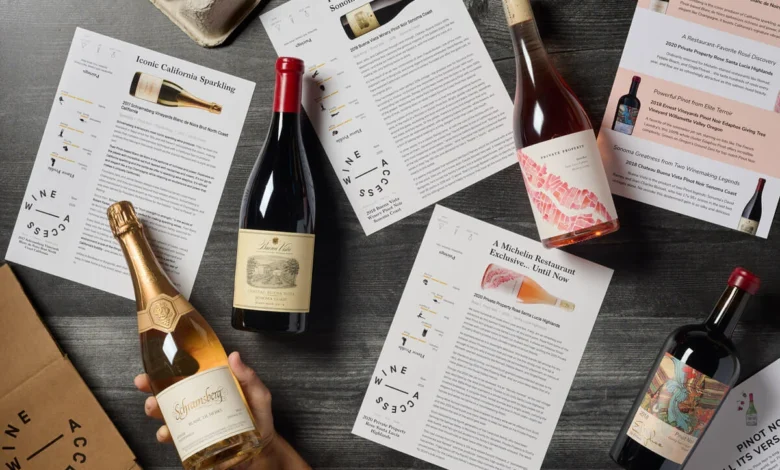
The landscape of direct-to-consumer (DTC) e-commerce has experienced a significant paradigm shift over the past decade, with subscription-based models emerging as a dominant force across various retail sectors. Within the beverage alcohol industry, the wine club segment has historically relied on recurring shipments of regional bottles or bulk-discounted inventory to retain members. However, consumer preferences have evolved rapidly, steering away from passive consumption toward experiential, knowledge-driven engagements. Addressing this growing demand for educational and curated discovery, prominent wine education platforms have launched specialized subscription services designed to bridge the gap between casual curiosity and professional mastery.
Priced starting at $99 per month, these tailored experiences move beyond standard commercial offerings by integrating handpicked international selections with comprehensive digital masterclasses, producer insights, and structural tasting guides delivered directly to the consumer’s doorstep. This analysis examines the operational mechanics, consumer reception, economic implications, and broader industry impact of modern educational wine clubs.
The Evolution of Wine Clubs: From Bulk Shipping to Curated Education
Traditionally, wine clubs served as a straightforward inventory-clearing mechanism for vineyards or an automated delivery service for local retailers. Consumers typically received a predetermined selection of quarterly or monthly bottles based on broad categories such as red, white, or mixed. While convenient, these legacy models frequently lacked contextual depth, leaving consumers to independently decipher complex flavor profiles, regional terroirs, and vintage characteristics.

As the global palate matured—fueled by the democratization of digital information, specialized culinary programming, and accessible online education—a distinct market segment emerged. Consumers increasingly expressed a desire not merely to drink wine, but to understand its origins, production methodologies, and cultural significance.
Recognizing this shift, industry leaders developed interactive formats that combine tangible products with robust digital ecosystems. The contemporary educational wine club model is engineered to transform the living room into a virtual tasting room. By curating rare bottles that are frequently unavailable through local retail channels, these services introduce subscribers to niche varietals, lesser-known international producers, and emerging wine regions that might otherwise escape the notice of the average buyer.
Chronology and Development of Experiential Wine Subscriptions
The integration of educational content into direct-to-consumer wine shipments did not happen overnight; it represents the culmination of a multi-year evolution within beverage logistics and digital publishing.
During the early 2010s, digital wine media platforms began scaling their audiences through foundational guides, visual charts, and introductory courses. As digital communities expanded, users consistently voiced a common challenge: translating online knowledge into practical, real-world tasting experiences. Sourcing specific, high-quality, educational bottles locally proved difficult for enthusiasts residing outside major metropolitan hubs.

By the mid-2010s, pilot programs began testing the viability of bundled shipments that paired physical bottles with digital companion guides. These initial offerings demonstrated high retention rates compared to traditional clubs, validating the hypothesis that consumers valued the educational narrative as much as the liquid inside the bottle.
In subsequent years, platforms refined their fulfillment networks, forging direct relationships with boutique international winemakers. This supply chain optimization allowed for the inclusion of exclusive producer notes, history modules, and vertical tasting itineraries. Today, fully integrated membership portals offer rich media content, personal tasting notes from master sommeliers, and structured multi-month programs designed to systematically build a subscriber’s proficiency over time.
Core Features and Operational Framework
A successful educational wine subscription relies on a multi-tiered framework designed to engage both the senses and the intellect. Industry standards in this niche typically incorporate several key components:
-
Global Curation and Discovery: Rather than relying on mass-produced commercial inventory, curators select wines based on their capacity to illustrate specific regional characteristics, historical contexts, or winemaking philosophies. Members frequently receive bottles that highlight unique terroirs from historic Old World appellations as well as innovative New World producers.

-
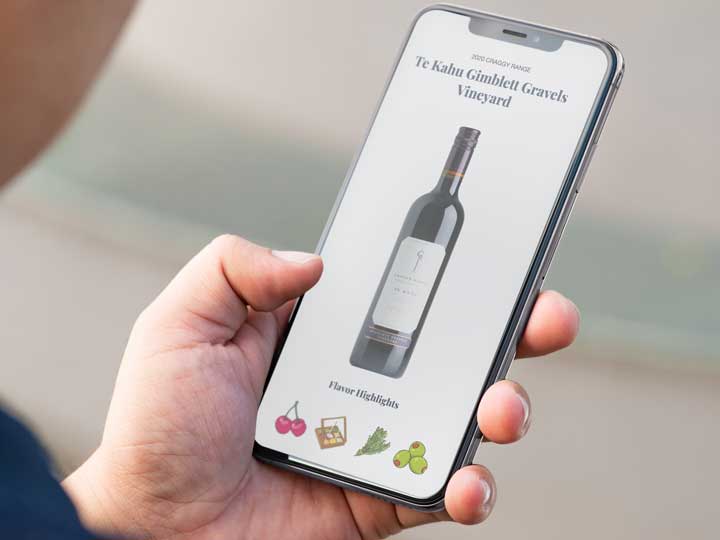
Comprehensive Digital Portals: Members gain secure access to an online portal containing rich media resources. This includes detailed varietal breakdowns, winery histories, optimal serving temperatures, decanting guidelines, and customized food-pairing recommendations.
-
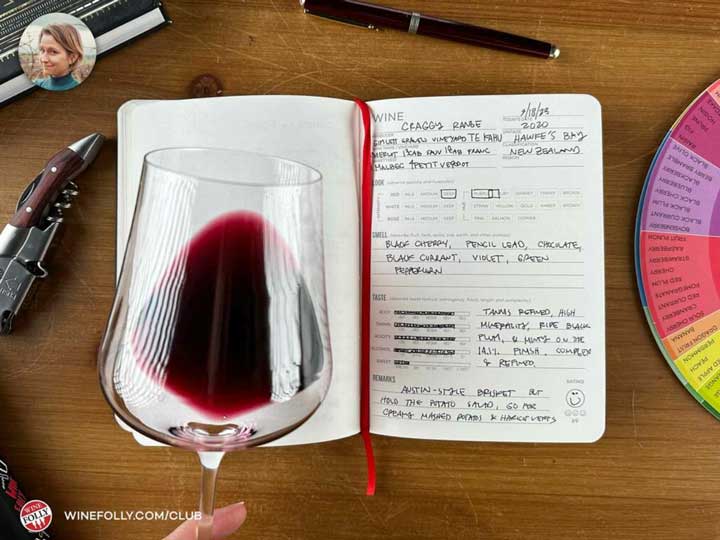
Professional Tasting Notes: To guide the consumer through the sensory evaluation process, packages feature personal tasting notes compiled by certified wine professionals. These notes assist beginners in identifying primary, secondary, and tertiary aromas, thereby building confidence in their own sensory assessments.
-
Flexibility and Personalization: Recognizing that consumer preferences vary widely, modern platforms incorporate intake surveys to tailor upcoming shipments. Furthermore, flexible terms—including the ability to pause or cancel memberships at any time—reduce the friction traditionally associated with long-term subscription commitments.
-
Gifting Infrastructure: To capitalize on seasonal and celebratory retail spikes, these programs often feature structured gifting options, allowing purchasers to select durations ranging from two to twelve months.
Consumer Response and Testimonials
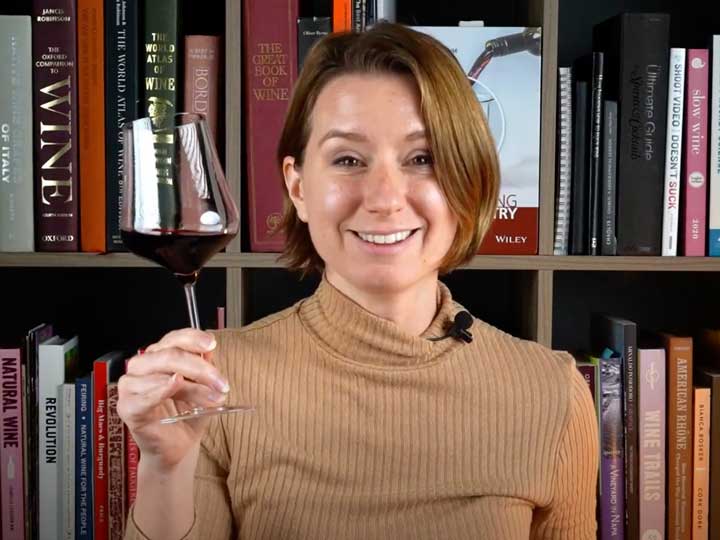
The quantifiable success of educational wine subscriptions is best reflected in customer retention metrics and qualitative member feedback. User responses consistently highlight the value of structured learning over passive purchasing.
Laura M., a long-standing member of a leading educational wine club, noted the efficacy of the digital portal’s organizational structure. "I really, really, really love your entire format for this club! You have really honed this to perfection. I appreciate all the information on the members area on the website that includes varietal info, winery info, how to serve the particular wine, etc.," she stated, awarding the service top marks.
Similarly, Christine B. emphasized the expansion of her personal expertise and the unique window into producer practices. "I love the in-depth information about the wine every month, the wineries, and your experiences with each of them. Thank you so much for helping me expand my wine knowledge and of course the opportunity to sample them too!!"
Geographic exclusivity remains another primary driver of customer satisfaction. Milford C., who utilizes the club to explore comparative and vertical tastings, observed the logistical advantage of the service: "You have brought wines that I cannot source locally, which is awesome. I also like comparison, vertical tasting, and exploring taste pairings. And if that is not enough, I love learning about and tasting value wines. I really enjoy the club."
Economic Implications and Market Analysis
The proliferation of knowledge-centric wine clubs carries significant economic implications for both boutique winemakers and the broader retail ecosystem.
For small-scale producers—particularly those operating in boutique international regions—securing distribution in overseas markets can be prohibitively expensive due to regulatory hurdles, tier-three distribution laws, and high marketing overhead. Educational subscription services provide these producers with a reliable, guaranteed export volume while simultaneously building brand equity among an engaged, international consumer base. By sharing direct producer stories and historical context, these clubs act as powerful marketing agents for wineries that lack multi-million-dollar advertising budgets.
From an economic standpoint for the consumer, the $99 monthly entry point positions these subscriptions in the mid-to-high tier of the direct-to-consumer market. While this price point is higher than discount-driven mass-market wine clubs, the inclusion of curated rare bottles, professional education, and digital access justifies the expenditure for dedicated enthusiasts. Industry analysts note that consumers view this cost not merely as a grocery expense, but as an investment in experiential education—comparable to the cost of attending a localized cooking class or a professional tasting seminar.
Broader Industry Impact and Future Outlook
The success of educational wine clubs signals a permanent shift in how consumers interact with specialty food and beverage categories. As digital literacy continues to intersect with physical e-commerce, the expectation for transparency, provenance, and educational value will likely expand across other specialty goods, such as specialty coffee, artisanal cheese, and craft spirits.
Traditional brick-and-mortar retailers are also feeling the competitive pressure. To counter the rise of specialized online clubs, local wine shops are increasingly adopting hybrid models—hosting in-store educational seminars, curated monthly pickups, and digital tasting groups to foster the same sense of community and discovery that online platforms deliver efficiently via web portals and home delivery.
In conclusion, the modern educational wine subscription has successfully transformed a routine retail transaction into an engaging, interactive journey. By bridging the gap between curiosity and mastery, these programs have redefined consumer expectations, proving that commercial viability in the modern beverage market relies as much on intellectual engagement as it does on exceptional quality in the glass.