The modern cocktail landscape is currently defined by a duality of extreme familiarity and relentless reinvention. On one hand, the industry is witnessing an unprecedented period of "Martini madness," where the quintessential gin-based drink has been dissected, reconstructed, and celebrated in every conceivable iteration—from the high-acid "dirty" variations to the minimalist, ice-cold service that dominates elite bar programs. Simultaneously, the Negroni has transcended its status as a classic Italian aperitivo to become a modular platform for creative expression, appearing in seasonal variations that incorporate everything from localized botanicals to experimental flavors like panettone or rhubarb.
While these titans of the bar world command the spotlight, there exists a vast, largely dormant archive of "minor classics" and long-lost recipes that offer a different perspective on cocktail history. These drinks, while perhaps lacking the universal recognition of a G&T or a Manhattan, serve as vital links to the evolution of bar culture, reflecting the tastes and social customs of the 20th century. Examining these forgotten gems reveals not only a richer history of mixology but also a roadmap for contemporary bartenders looking to balance heritage with modern flavor profiles.

The Evolution of the Aperitivo: The Cardinale Legacy
The Cardinale stands as a testament to the mid-century refinement of the Italian aperitivo scene. Originally conceptualized in Rome in 1950, the drink was reportedly crafted to honor a visiting dignitary—a Cardinal—whose title subsequently became the moniker for the cocktail. The historical original followed a distinct architectural path, favoring a blend of gin, white wine, and Campari.
Over the decades, however, the recipe has undergone a functional evolution. Modern bartenders have largely replaced the white wine with dry vermouth, a shift that drastically alters the cocktail’s profile. By moving away from the softer, more oxidative notes of wine toward the structured, herbal bitterness of dry vermouth, the Cardinale has transitioned into a "bone-dry" experience. Industry experts, including renowned bartender Naren Young, have championed this transition, noting that the modern interpretation demands higher quality bitters, such as Contratto Bitter, to maintain the drink’s austere, sophisticated edge. The recent surge in popularity of pre-bottled Italian RTDs, specifically those featuring Campari Soda, has further introduced the Cardinale to a wider audience, proving that even a drink conceived in a Roman hotel seven decades ago can find relevance in today’s convenience-focused market.
Culinary Intersection: The Star Daisy and the Art of Balance
The Star Daisy serves as an essential case study in the intersection of classic mixology and creative ingredient pairing. Introduced to many within the modern craft cocktail movement by the late, legendary bartender Sasha Petraske at the seminal New York establishment Milk & Honey, the drink represents a bridge between eras.

The composition is deceptively complex: London dry gin, apple brandy, and dry Curaçao. While these components may seem disparate, the resulting flavor profile is remarkably balanced, offering a crisp, citrus-forward attack with the grounding, orchard-fruit depth of apple brandy. Joaquín Simó, a prominent figure in the New York bar scene, has noted that the drink’s versatility makes it a year-round staple. By introducing a precise measurement of simple syrup, contemporary practitioners have managed to soften the edges of the dry spirit base, creating a silky texture that elevates the drink from a mere "classic" to a sophisticated modern experience. The Star Daisy’s endurance is a direct result of this adaptability; it satisfies the need for something bright and refreshing in the summer while providing the warming, complex notes required for autumnal consumption.
The Tropical Aesthetic: Revisiting the Gin Fizz Tropical
The history of the "Fizz" category is deeply rooted in the mid-1930s, a period defined by a fascination with exoticism and travel. The Gin Fizz Tropical, first documented in Charles H. Baker’s 1939 anthology The Gentleman’s Companion, is a prime example of the era’s "silver fizz" aesthetic. Baker, a travel writer and epicurean, captured the spirit of a world increasingly connected by aviation and global trade.
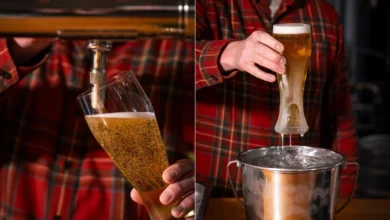
In the hands of modern culinary leaders like Charles Phan, this drink has been reimagined for the contemporary palate. Phan’s version replaces the original, potentially inconsistent pineapple juice with a more controlled pineapple gum syrup, which provides a deeper mouthfeel and a cleaner sweetness. Perhaps the most significant change is the substitution of heavy cream for aromatic orgeat, a move that aligns the drink with the nutty, complex profiles found in modern tiki-adjacent mixology. The technique remains paramount here; as Phan has emphasized, the structural integrity of the froth is not a result of ingredients alone but of mechanical energy. The instruction to use large, dense ice cubes and an extended shaking period is a technical requirement that transforms the drink into a luxurious, cloud-like experience.

Modern Classics: The Wibble and the London Influence
Not all "unsung" classics are products of the early 20th century. The Wibble, created by the influential London bartender Dick Bradsell in the 1990s, occupies a unique space as a "minor classic" that has yet to achieve global ubiquity. The recipe—a blend of gin, sloe gin, grapefruit, lemon, and crème de mûre—is a masterclass in balance, utilizing the berry-forward sweetness of sloe gin and blackberry liqueur to counter the sharp acidity of grapefruit and lemon.
Data from recent European bar trends suggest the Wibble is currently experiencing a "slow-burn" revival. With documented appearances on cocktail menus in Copenhagen, Gothenburg, and Amsterdam, the drink is following a path of organic growth rather than top-down marketing. This reflects a broader trend in the industry where European "hub" cities act as testing grounds for forgotten recipes. The Wibble’s resurgence is not an accident but a result of a new generation of bartenders seeking drinks that are approachable, visually striking, and historically grounded without the weight of the "classic" label.
The Obituary and the Power of Nomenclature
Perhaps no drink illustrates the cultural weight of a cocktail better than the Obituary. A New Orleans-born riff on the Martini, the Obituary distinguishes itself through the addition of a few dashes of absinthe. While the recipe gained traction in the mid-20th century, its current profile is largely owed to the dedicated curation at establishments like Maison Premiere, which has featured the drink on its menu for over a decade.

The success of the Obituary provides a fascinating look at the sociology of the bar menu. As William Elliott of Maison Premiere has noted, the name itself is a functional marketing tool. In an era where "Martini" can mean anything from a vodka-based dessert drink to a traditional gin serve, the name "Obituary" creates a point of intrigue that forces engagement. The drink’s rise in popularity correlates with the broader "absinthe renaissance" of the last fifteen years, proving that once-stigmatized ingredients can find new life when paired with established, high-demand templates like the Martini.
Broader Implications for the Industry
The survival and periodic revival of these drinks highlight several critical trends in the global bar industry:
- Technical Sophistication: The transition from using "fresh juice" to "gum syrups" and high-end bitters demonstrates that the modern craft cocktail movement is moving toward a more precise, culinary-driven approach to ingredient sourcing.
- The "Third Space" of Drinks: The emergence of drinks like the Wibble suggests that there is a growing market for cocktails that sit between the "entry-level" classics and the "over-complicated" signature drinks. Consumers are increasingly searching for drinks that carry a story but do not feel like a history lesson.
- The Role of Naming: As seen with the Obituary, the psychological aspect of a menu—the way a name can influence a patron’s choice—remains a powerful, often under-utilized tool in bar management.
As the industry continues to move forward, the "unsung" category of cocktails will likely remain a critical resource. These recipes provide a historical tether, ensuring that the innovation of today does not drift too far from the foundational principles of balance, texture, and flavor harmony. Whether it is the bone-dry austerity of a Cardinale or the frothy, tropical allure of a Gin Fizz, these drinks represent more than just recipes; they are the living history of the bar, waiting for the right moment and the right hands to bring them back into the light.