
Italian Rice Pie Ii

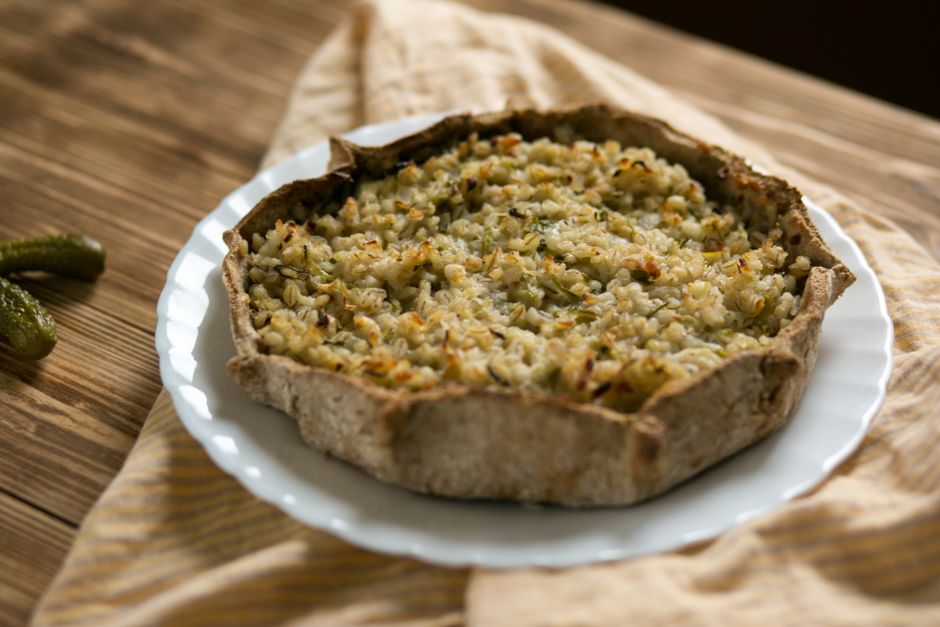
Italian Rice Pie: A Deep Dive into the Irresistible Torta di Riso
The Italian rice pie, known universally as Torta di Riso, is a cherished dessert with roots deeply embedded in the culinary traditions of Italy, particularly in regions like Emilia-Romagna and Lombardy. Far from a simple rice pudding baked into a crust, this is a sophisticated yet comforting creation that showcases the subtle elegance of Italian baking. Its texture is a remarkable interplay between the creamy, almost custard-like filling and a delicate, often buttery crust. The base can vary, sometimes employing a traditional shortcrust pastry (pasta frolla), while other iterations opt for a simpler, almost biscuit-like foundation. The filling itself is typically built upon cooked rice, most commonly Arborio or Carnaroli, which absorb milk, sugar, and eggs to create a dense yet yielding core. Lemon zest is a near-ubiquitous ingredient, its bright citrus notes cutting through the richness and adding a crucial layer of aroma and flavor. Vanilla, sometimes paired with a hint of cinnamon, further enhances the sweetness and complexity. While the classic Torta di Riso is a masterpiece of simplicity, regional variations abound, introducing ingredients like chocolate chips, raisins, or even liqueurs like Strega or Maraschino, each adding a unique character to this beloved Italian delicacy. Understanding the essence of this pie lies in appreciating the transformation of humble ingredients into a dessert that is both deeply satisfying and surprisingly refined.
The Genesis and Regional Variations of Torta di Riso
The origins of Torta di Riso are somewhat fluid, with many historians tracing its lineage back to monasteries and convents across Italy, where rice, a relatively precious commodity, was often incorporated into baked goods. These early versions were likely simpler, focusing on the fundamental combination of rice, milk, and sugar. Over centuries, as culinary practices evolved and ingredients became more accessible, the Torta di Riso developed into the more elaborate dessert we recognize today.
Emilia-Romagna, particularly the province of Bologna, is arguably the most ardent proponent of Torta di Riso. Here, the pie is a staple, often served during holidays and celebrations. Bolognese Torta di Riso typically features a rich, creamy filling, often enriched with a generous amount of eggs and sugar, and frequently infused with lemon zest and vanilla. The crust is usually a classic pasta frolla, providing a crumbly yet sturdy base.
In contrast, Lombardy, and specifically Milan, offers its own interpretation. While still featuring a rice-based filling, Milanese Torta di Riso might incorporate different spices, such as cinnamon, and sometimes includes ingredients like candied citrus peel or raisins. The textural contrast is also a key element, with some versions emphasizing a firmer, almost cake-like consistency of the rice filling.
Further south, in regions like Tuscany and Umbria, variations might lean towards a slightly lighter filling or incorporate local nuts like almonds. The choice of rice itself can also subtly influence the final texture, with shorter-grain varieties potentially yielding a creamier result compared to longer-grain rice. The pervasive presence of lemon zest, however, remains a unifying thread across most Italian iterations, serving as a bright counterpoint to the inherent sweetness of the rice and dairy. This adaptability, allowing for local ingredients and preferences to shape its character, is a testament to the enduring appeal of Torta di Riso.
The Art of the Filling: Creaminess, Texture, and Flavor Profiles
The heart of any exceptional Torta di Riso lies in its filling. Achieving the perfect balance of creaminess, delicate texture, and harmonious flavor is paramount. The foundation, of course, is cooked rice. The choice of rice is crucial. Arborio and Carnaroli, known for their high starch content, are the preferred varieties. When cooked, they release starches that contribute to the characteristic creamy, almost risotto-like texture of the filling. Overcooking is generally avoided to prevent a mushy consistency; the rice should be tender but still possess a slight bite.
The cooking liquid is typically whole milk, which provides a rich base. Some recipes may introduce a portion of cream for added decadence, though a well-executed Torta di Riso with just milk can be equally satisfying. Sugar is, naturally, a key component, its sweetness balanced by the other elements. The quantity of sugar can vary based on regional preferences and personal taste, but it should never overpower the subtle flavors of the rice and lemon.
Eggs are essential for binding the filling and creating its custardy texture. Typically, whole eggs are used, along with additional egg yolks for an even richer and smoother consistency. The eggs are gently incorporated to prevent them from scrambling.
Lemon zest is the undisputed star flavoring agent. The zest of one or two lemons, depending on size and desired intensity, is usually incorporated. It’s vital to use only the yellow part of the peel, as the white pith is bitter. The zest imparts a bright, aromatic citrus note that cuts through the richness, preventing the pie from becoming cloying.
Vanilla extract or a vanilla bean provides a warm, aromatic sweetness that complements the lemon and rice beautifully. A touch of cinnamon, though not present in all recipes, can add another layer of warmth and spice, particularly in more autumnal or wintery iterations.
Optional additions like raisins, often plumped in warm water or liqueur, or chocolate chips can introduce pockets of sweetness and texture. Some recipes might also call for a tablespoon or two of a liqueur like Strega or Maraschino, adding a sophisticated, aromatic complexity to the filling. The goal is to create a filling that is smooth, luscious, and deeply flavored, with the distinct taste of lemon and vanilla shining through the creamy rice.
The Crucial Role of the Crust: Pasta Frolla and Beyond
The crust of a Torta di Riso serves as the essential vessel, providing structure and a delightful textural counterpoint to the soft filling. The most traditional and widely recognized crust is the Italian shortcrust pastry, known as pasta frolla. This is a rich, tender pastry made with flour, butter, sugar, and eggs. The key to a good pasta frolla is the proper handling of the ingredients to ensure a crumbly, melt-in-your-mouth texture rather than a tough, elastic one. Cold butter, cut into small pieces and quickly incorporated into the flour and sugar, is crucial for creating flaky layers. The addition of egg yolks contributes to richness and tenderness.
Pasta frolla can be used in two primary ways for Torta di Riso. It can be rolled out and fitted into a pie dish, forming a base and sides, and then the rice filling is poured into it. Alternatively, some recipes call for a layer of pasta frolla at the bottom of the dish, with the filling poured directly over it, and then a decorative lattice or a full top crust of pasta frolla is added. This top crust can be simple strips or a more intricate design.
However, not all Torta di Riso recipes adhere strictly to pasta frolla. Some simpler, more rustic versions might employ a biscuit-like crust, made by crushing digestive biscuits or similar cookies and binding them with melted butter. This creates a firmer, more crumbly base that is quicker to prepare. These biscuit crusts are often found in variations where the filling is more liquid or intended to set firmer.
The thickness of the crust is also a consideration. A delicate pasta frolla should be relatively thin, allowing the filling to be the star. A biscuit crust can be slightly thicker to provide more structural integrity. Regardless of the specific type of crust, its purpose is to provide a foundation that complements, rather than competes with, the creamy rice filling. A well-made crust should be buttery, slightly sweet, and possess a satisfying crumble.
Baking and Serving: Achieving Perfection and Presentation
The baking process for Torta di Riso requires careful attention to temperature and time to ensure both the crust is golden and the filling is perfectly set. Typically, the pie is baked in a moderately preheated oven, usually around 170-180°C (340-350°F). The initial baking phase is crucial for cooking the crust and beginning to set the filling.
The duration of baking can vary significantly depending on the size and depth of the pie, as well as the specific recipe. It can range from 45 minutes to over an hour. The pie is generally considered done when the crust is golden brown and the filling is set but still has a slight wobble in the center. Overbaking can lead to a dry filling and a tough crust. A common test for doneness is to insert a knife or skewer into the center; it should come out clean, and the filling should appear cooked through.
Cooling is an integral part of the process. Torta di Riso is almost always best served at room temperature or even slightly chilled. Allowing the pie to cool completely on a wire rack is essential. As it cools, the filling will continue to set, achieving its desired dense yet creamy consistency. Attempting to slice a hot Torta di Riso will likely result in a messy disintegration.
Presentation is relatively simple, reflecting the rustic charm of this dessert. A light dusting of powdered sugar is a classic and elegant finishing touch. Some may opt to serve it with a dollop of whipped cream or a small scoop of vanilla gelato, though this is often considered unnecessary as the pie itself is rich and flavorful enough. In some regions, particularly during festive occasions, the top of the pie might be decorated with additional pasta frolla cut into shapes, or even a light glaze.
Serving Torta di Riso is a celebration of Italian comfort food. It’s a dessert that invites slow enjoyment, its subtle sweetness and satisfying texture making it perfect for an afternoon coffee break, a family gathering, or as a refined ending to a meal. The aroma that fills the kitchen as it bakes is an undeniable invitation to indulge.
Nutritional Considerations and Dietary Adaptations
While traditional Torta di Riso is a delightful indulgence, its components – rice, milk, sugar, butter, and eggs – contribute to a moderate to high calorie count, with significant amounts of carbohydrates and fats. For individuals mindful of their dietary intake, several adaptations can be explored without sacrificing too much of the pie’s essence.
Reducing the sugar content is a primary area for modification. Many recipes can accommodate a reduction of 20-30% without drastically altering the flavor profile, especially when the sweetness of the rice and dairy is already present. Alternatively, natural sweeteners like maple syrup or honey can be explored, though these will impart their own distinct flavors and may require adjustments to liquid content.
For those seeking a lower-fat option, whole milk can be substituted with semi-skimmed or skimmed milk. Similarly, reducing the amount of butter in the pasta frolla, or opting for a lighter crust alternative like a whole-wheat biscuit base, can also lower the fat content.
The use of eggs can also be adjusted. While eggs are crucial for binding, some recipes might allow for the reduction of a yolk or two, or the substitution of some whole eggs with egg whites, to decrease cholesterol and fat content.
For individuals with gluten sensitivities or celiac disease, the crust is the primary hurdle. Gluten-free flour blends can be used to create a pasta frolla alternative, though achieving the same tender crumb can be challenging. Alternatively, a naturally gluten-free crust made from ground nuts (like almonds or hazelnuts) bound with butter and a sweetener can be a delicious and suitable option.
Lactose intolerance can be addressed by using lactose-free milk or plant-based milk alternatives such as almond, soy, or oat milk. However, it’s important to note that plant-based milks can affect the texture and flavor of the filling, with nut milks potentially adding their own distinct taste.
Even with these modifications, it’s important to remember that Torta di Riso, in its essence, is a rich dessert. These adaptations aim to make it more accessible to a wider range of dietary needs and preferences, allowing more people to enjoy this comforting Italian classic.
Conclusion: The Enduring Allure of Torta di Riso
Torta di Riso stands as a testament to the enduring power of simple, high-quality ingredients transformed through culinary skill and tradition. Its creamy, comforting filling, often kissed with the bright zest of lemon, encased in a delicate crust, offers a sensory experience that transcends mere sweetness. The regional variations, from the rich indulgence of Emilia-Romagna to the nuanced variations found elsewhere, highlight its adaptability and deep cultural significance within Italy.
More than just a dessert, Torta di Riso is an invitation to slow down, to savor the moment, and to connect with a culinary heritage that values both comfort and elegance. Whether enjoyed as a celebratory treat or a simple indulgence, its presence on the table signifies warmth, hospitality, and a deep appreciation for the art of Italian baking. The continued popularity of Torta di Riso, both within Italy and across the globe, underscores its timeless appeal and its rightful place as a beloved classic in the pantheon of Italian desserts. Its ability to satisfy diverse palates and its capacity for thoughtful adaptation ensure its continued relevance for generations to come.


