
Smoked Chicken Hot Wings

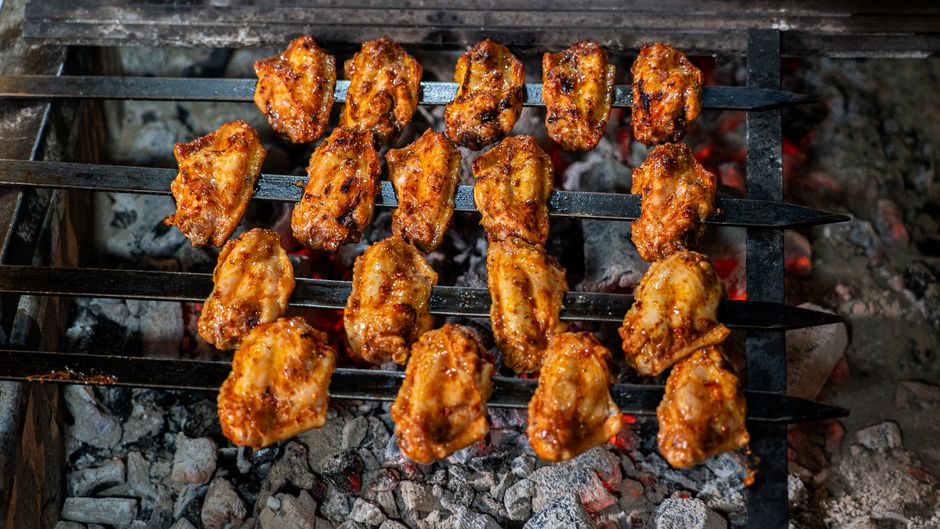
Smoked Chicken Hot Wings: The Ultimate Guide to Flavor, Technique, and Perfection
The art of crafting exceptional smoked chicken hot wings transcends mere cooking; it’s a culinary endeavor that balances the primal satisfaction of smoky char with the vibrant punch of spice. This comprehensive guide delves into every facet of creating these coveted appetizers, from selecting the optimal chicken cuts and mastering the smoking process to achieving the perfect crispness and coating them in irresistible sauces. Understanding the nuances of wood selection, temperature control, and post-smoke finishing is paramount to elevating ordinary chicken wings into extraordinary flavor experiences. Whether you’re a seasoned pitmaster or an aspiring home chef, this exploration will equip you with the knowledge and techniques to consistently produce smoked chicken hot wings that are both tender and intensely flavorful, leaving a lasting impression on your palate and that of your guests.
The foundation of any great smoked chicken hot wing lies in the selection of the chicken itself. While whole chickens can be smoked and then broken down, purchasing wings directly offers a more targeted approach. Primarily, two types of wings are available: flats (or wingettes) and drumettes. Flats, with their two-bone structure, tend to be meatier and absorb smoke beautifully, offering a satisfying chew. Drumettes, resembling miniature drumsticks, are often favored for their compact shape and ease of eating, yielding a succulent, bone-in bite. When selecting your wings, prioritize freshness. Look for plump, well-formed wings with a light pink hue and no signs of bruising or dryness. The skin should be intact, a crucial element for achieving that coveted crispness during the smoking and finishing stages. Consider purchasing "party wings," which are already separated into flats and drumettes, saving you a preparatory step. The quality of the chicken directly impacts the final flavor and texture, making this initial choice a non-negotiable aspect of achieving wing perfection. For those seeking a richer, deeper flavor profile, opting for free-range or organic chicken can subtly enhance the inherent taste of the meat, allowing the smoke and sauce to shine even brighter.
Mastering the smoking process is where the magic of smoked chicken hot wings truly begins. This involves meticulous attention to temperature, wood selection, and smoke duration. For chicken wings, a medium-low smoking temperature is generally recommended, typically between 225°F and 275°F (107°C to 135°C). This temperature range allows the chicken to cook through evenly while imparting a significant amount of smoke flavor without drying out the delicate wing meat. Overcooking at higher temperatures will result in tough, leathery wings, defeating the purpose of smoking. Wood selection plays a pivotal role in shaping the smoke profile. For chicken, milder woods are often preferred to avoid overpowering the natural flavor of the poultry. Popular choices include:
- Hickory: A classic choice, hickory offers a robust, smoky flavor that pairs exceptionally well with chicken. Its strength is balanced enough not to overwhelm.
- Applewood: Imparts a sweet, fruity, and mild smoke. It’s an excellent option for those who prefer a more delicate smoky essence.
- Cherrywood: Similar to applewood, cherry offers a slightly richer, fruitier, and subtly sweet smoke. It provides a beautiful reddish hue to the cooked chicken.
- Pecan: A fantastic option, pecan delivers a sweet and nutty smoke that is slightly milder than hickory but more pronounced than apple or cherry.
- Mesquite: While often used for beef, mesquite can be used judiciously for chicken, but its strong, pungent flavor can easily dominate. If opting for mesquite, use it sparingly, perhaps a small amount mixed with a milder wood.
The form of wood used – chips, chunks, or pellets – will dictate how it’s introduced into your smoker. For electric smokers, wood chips are common. For charcoal or pellet smokers, chunks are typically used. Pellets are the fuel and smoke source for pellet grills. Ensure your wood is properly soaked (for chips) or dry (for chunks) according to your smoker’s instructions to produce clean, blue smoke. Excessive white, acrid smoke can impart an unpleasant, bitter flavor. The goal is a consistent, thin stream of aromatic smoke. Smoke time will vary based on the size of the wings and the smoker’s temperature, but expect to smoke for approximately 1.5 to 3 hours, or until the internal temperature of the thickest part of the wing reaches 165°F (74°C). It’s crucial to remember that smoking is a process of infusing flavor, not necessarily cooking the wings to their final desired tenderness.
The quest for perfectly crisp smoked chicken hot wings is often a two-stage process. While smoking imparts unparalleled flavor, it can leave the skin somewhat flabby. To achieve that satisfying crunch, a post-smoke crisping method is essential. There are several highly effective techniques:
- Broiling: This is a popular and efficient method. After smoking, pat the wings thoroughly dry with paper towels to remove any excess moisture. Arrange them in a single layer on a baking sheet lined with parchment paper or foil. Broil for 2-5 minutes per side, watching them very closely to prevent burning. The high, direct heat from the broiler will render the fat and crisp the skin beautifully.
- Grilling: If you have a grill, you can use it for crisping. After smoking, crank up your grill to medium-high heat. Place the wings directly on the grates and grill for a few minutes per side, turning frequently, until the skin is crispy and golden brown. Again, constant vigilance is key to avoid charring.
- Air Frying: Air fryers are excellent for achieving crispiness. Preheat your air fryer to around 400°F (200°C). Arrange the smoked wings in a single layer, ensuring they are not overcrowded. Air fry for 8-12 minutes, flipping halfway through, until they reach your desired level of crispness. This method is particularly convenient for smaller batches.
- Baking: While not as intensely crisp as broiling or grilling, baking can still yield a pleasant crunch. After smoking, increase the oven temperature to 400°F (200°C). Spread the wings on a wire rack set inside a baking sheet. Bake for 15-25 minutes, flipping halfway through, until the skin is rendered and starting to crisp.
Regardless of the method chosen, thorough drying of the wings before the crisping stage is paramount. Moisture is the enemy of crispiness. This pre-crisping drying can be achieved through various means. A common and highly effective technique involves refrigerating the patted-dry wings uncovered on a wire rack overnight. This allows the skin to dehydrate, leading to superior crisping results. Another method is to lightly dust the smoked wings with a small amount of baking powder (not baking soda) before crisping. Baking powder creates a slight alkalinity on the skin’s surface, which helps to break down proteins and accelerate the Maillard reaction, resulting in a crispier finish. Ensure the baking powder is evenly distributed and excess is lightly shaken off.
The culmination of the smoked chicken hot wing experience lies in the sauce. The sauce is the vehicle for delivering that signature "hot" element and a layer of complementary flavors that bind the smoky essence with the spice. A well-chosen sauce will enhance, not mask, the underlying smoky chicken. The spectrum of hot wing sauces is vast, ranging from classic Buffalo to innovative, globally inspired creations.
Classic Buffalo Sauce: The quintessential hot wing sauce, Buffalo sauce is a simple yet powerful emulsification of cayenne pepper hot sauce (like Frank’s RedHot), melted butter, and sometimes a splash of vinegar. The butter provides a smooth texture and tempers the heat, while the vinegar adds a tangy counterpoint.
- Basic Ratio: 1 part hot sauce to 1 part melted butter. Adjust to taste.
- Variations: Add a pinch of garlic powder, onion powder, or a dash of Worcestershire sauce for added depth.
Spicy Garlic Parmesan: This sauce offers a savory and slightly pungent kick.
- Ingredients: Melted butter, minced garlic, grated Parmesan cheese, cayenne pepper or red pepper flakes, and a touch of lemon juice.
- Method: Sauté garlic in butter, stir in Parmesan and cayenne, then toss with lemon juice.
Honey Sriracha: A popular sweet and spicy combination.
- Ingredients: Honey, Sriracha, soy sauce, and a touch of rice vinegar.
- Method: Whisk ingredients together and gently heat to combine.
Asian-Inspired Glazes: These sauces often incorporate umami-rich ingredients.
- Examples: Teriyaki, Gochujang (Korean chili paste), or a sweet chili sauce. These can be used as is or enhanced with ingredients like ginger, sesame oil, and soy sauce.
Smoked Paprika & Chipotle: For an extra layer of smoky heat.
- Ingredients: Melted butter, adobo sauce from canned chipotle peppers, smoked paprika, and a touch of brown sugar.
- Method: Combine ingredients and gently warm.
When saucing, the goal is to evenly coat the wings without making them soggy. It’s often best to toss the crisped wings in the warm sauce immediately before serving. Alternatively, you can serve the sauce on the side for dipping, allowing individuals to control their desired level of heat and coverage. For optimal coating, use a large bowl and toss gently but thoroughly.
Beyond the core elements of chicken, smoke, and sauce, several preparatory and finishing touches can elevate your smoked chicken hot wings. A good dry rub applied before smoking can impart an initial layer of flavor. This can be as simple as salt, pepper, and garlic powder, or more complex blends incorporating smoked paprika, chili powder, cumin, and brown sugar. Ensure the rub is applied evenly to all surfaces of the wings. The "rest" after smoking and before crisping is also important. Allowing the wings to sit for a short period helps the juices redistribute, contributing to a more tender bite. When saucing, don’t oversauce. Too much sauce can mute the smoky flavor and lead to a greasy texture. Aim for a glossy coating that allows the wing’s natural color and texture to show through.
The perfect accompaniments to smoked chicken hot wings are crucial for a complete culinary experience. These are typically cooling and refreshing, offering a counterpoint to the heat and richness of the wings.
- Celery Sticks and Carrot Sticks: The classic pairing. Their crisp texture and mild, refreshing flavor cut through the richness of the wings.
- Blue Cheese Dip or Ranch Dip: These creamy dips are traditional accompaniments. Blue cheese offers a sharp, tangy contrast, while ranch provides a mild, herbaceous coolness.
- Pickled Vegetables: Pickles, pickled onions, or pickled jalapeños offer a bright acidity that cleanses the palate.
- Coleslaw: A creamy or vinegar-based coleslaw can provide a refreshing crunch and a touch of sweetness or tang.
When serving, consider the presentation. Arrange the sauced wings attractively on a platter, garnished with fresh herbs like parsley or chives, and accompanied by your chosen dipping sauces and crudités.
Smoked chicken hot wings represent a harmonious marriage of primal smoking techniques and vibrant, bold flavors. By meticulously selecting your chicken, mastering the art of smoke infusion, employing effective crisping methods, and thoughtfully choosing and applying your sauces, you can consistently create a crowd-pleasing appetizer that satisfies on every level. The journey from raw wing to smoky, spicy perfection is a rewarding one, offering endless opportunities for culinary exploration and personal customization. Experiment with different wood types, explore a myriad of sauce recipes, and fine-tune your crisping techniques to discover your ultimate smoked chicken hot wing.


