
Sour Cream Mashed Potatoes

The Ultimate Sour Cream Mashed Potatoes: Creamy, Tangy, and Irresistible
Sour cream mashed potatoes represent a culinary paradox, simultaneously comforting and elevated. The inherent richness of mashed potatoes is transformed by the distinct tang of sour cream, creating a side dish that is both familiar and surprisingly sophisticated. This is not just about boiling potatoes and mashing them; it’s about understanding the nuances of ingredients and technique to achieve a superior texture and flavor profile. The magic lies in the interplay between the starchy potatoes and the cultured dairy, a combination that yields a mash that is impossibly creamy, wonderfully light, and possesses a subtle yet impactful sour note that cuts through richness and awakens the palate. This article will delve deep into the world of sour cream mashed potatoes, exploring the optimal potato varieties, the critical role of sour cream, the science behind achieving perfect creaminess, essential additions and variations, troubleshooting common issues, and finally, how to present this masterpiece for maximum impact.
Selecting the right potato is the foundational step for any great mashed potato, and for sour cream variations, certain types shine brighter. The ideal candidate possesses a high starch content and a low moisture content. This combination ensures that when cooked and mashed, the potatoes will break down easily, yielding a fluffy texture rather than a gummy one. Starchy potatoes, often referred to as "mealy" potatoes, absorb liquids readily, which is crucial for incorporating the sour cream and butter without creating a watery mess. The gold standard for mashed potatoes, including those enhanced with sour cream, are Russet potatoes. Their earthy flavor and dense, dry flesh make them exceptionally forgiving and lend themselves to a wonderfully light and airy mash. Yukon Golds are another excellent choice, offering a slightly creamier texture and a buttery flavor that complements the sour cream beautifully. While they have a bit more moisture than Russets, their inherent richness makes them a strong contender. Red potatoes and waxy potatoes like Fingerlings or new potatoes are generally not recommended for mashing, as their high moisture and low starch content will result in a dense, gummy, and unappealing texture, regardless of how much sour cream is added. The starch molecules in waxy potatoes remain more intact during cooking, leading to a cohesive rather than crumbly mash. For sour cream mashed potatoes, the goal is a delicate, cloud-like consistency, which necessitates the selection of starchy varieties. When purchasing potatoes, look for firm, blemish-free specimens. Avoid any with green spots, as these indicate the presence of solanine, a bitter compound.
The star of this dish, beyond the potato itself, is undoubtedly the sour cream. Its inclusion is not merely for added richness but for its transformative tang. Sour cream is a fermented dairy product, meaning it has undergone lactic acid fermentation. This process gives it its characteristic sourness, a bright acidity that balances the inherent sweetness and starchiness of the potatoes. When choosing sour cream, opt for full-fat, regular sour cream. Low-fat or fat-free versions contain stabilizers and emulsifiers that can alter the texture of the mash, often leading to a less desirable, slightly gelatinous consistency. The fat content in full-fat sour cream also contributes significantly to the overall creaminess and mouthfeel of the potatoes, creating a luxurious and decadent experience. The quantity of sour cream is also a consideration. Too little, and its impact will be subtle, barely noticeable. Too much, and the potatoes can become overly soured, bordering on unpleasant, or develop a watery texture if the sour cream is not fully integrated. A good starting point for a pound of potatoes is typically ¼ to ½ cup of sour cream, but this can be adjusted to personal preference. The temperature of the sour cream is also a factor. Room temperature sour cream will incorporate more smoothly into the hot mashed potatoes, preventing it from cooling down the potatoes too rapidly and ensuring a uniform distribution of flavor and texture.
The method of cooking and mashing is paramount to achieving the coveted creamy texture in sour cream mashed potatoes. Begin by thoroughly washing your potatoes and cutting them into uniform pieces. This ensures even cooking. Aim for roughly 1.5 to 2-inch chunks. Place the cut potatoes in a large pot and cover them with cold water. Adding salt to the cooking water is essential; it seasons the potatoes from the inside out, a step that cannot be replicated once the potatoes are cooked. Bring the water to a boil and cook until the potatoes are fork-tender. This means a fork or a sharp knife should pierce them easily with little resistance. Overcooking is a common pitfall, leading to waterlogged potatoes that will result in a mushy, rather than fluffy, mash. Once tender, drain the potatoes thoroughly. Return the drained potatoes to the hot pot and place it over low heat for a minute or two. This gentle heat helps to evaporate any residual moisture clinging to the potatoes, a crucial step for achieving dryness. Now comes the mashing. Avoid using a food processor or a blender; these appliances will overwork the potatoes, breaking down the starch molecules too aggressively and producing a gummy, wallpaper paste-like consistency. A potato ricer is the gold standard for achieving the lightest, fluffiest mashed potatoes. It extrudes the potato through small holes, creating delicate strands that are perfect for incorporating other ingredients. A good-quality potato masher is the next best option. Mash the potatoes while they are still hot. This is when they are most pliable and will absorb the fats and liquids most effectively. Add your softened, unsalted butter to the hot, mashed potatoes and stir until it has melted and is fully incorporated. The butter adds richness and helps to create a smooth emulsion. Then, gradually add the room-temperature sour cream, mashing or stirring gently until it is fully combined and the potatoes are uniformly creamy and devoid of lumps. Season generously with salt and freshly ground black pepper. Taste and adjust seasoning as needed.
While the classic sour cream mashed potato is a triumph in its own right, numerous additions and variations can elevate this dish to new heights, catering to diverse palates and occasions. Garlic is a natural partner for potatoes, and its inclusion can add a pungent depth of flavor. Roasted garlic, with its sweet and mellow profile, is particularly well-suited for mashed potatoes. Roast whole garlic heads until softened, then squeeze the cloves and mash them into the potatoes along with the sour cream and butter. Fresh herbs, such as chives, parsley, dill, or rosemary, can provide a burst of freshness and aroma. Finely chop the herbs and stir them in towards the end of the mashing process to preserve their vibrant color and flavor. A touch of nutmeg, grated fresh, can add a subtle warmth and complexity that pairs wonderfully with dairy. For a richer, more decadent experience, consider incorporating cream cheese alongside or in place of some of the sour cream. The cream cheese will add a distinct velvety texture and a milder tang. A sprinkle of sharp cheddar or Gruyère cheese, melted into the mash, transforms it into a cheesy potato gratin-like delight. For a smoky element, stir in some crumbled cooked bacon or a pinch of smoked paprika. Some adventurous cooks even experiment with a swirl of hot sauce for a spicy kick, or a drizzle of truffle oil for an undeniable touch of luxury. The beauty of sour cream mashed potatoes lies in their adaptability; they serve as a magnificent canvas for a multitude of complementary flavors.
Troubleshooting common issues encountered when making sour cream mashed potatoes is essential for consistently achieving perfect results. The most prevalent problem is gummy or watery mashed potatoes. Gummy potatoes are typically the result of using the wrong type of potato, overworking the potatoes during mashing, or not draining them thoroughly enough. As mentioned, opt for starchy potatoes and use a ricer or masher, avoiding high-powered blenders. Ensuring the potatoes are well-drained and even briefly dried in the pot after draining is crucial. Watery mashed potatoes can occur if the potatoes are overcooked and absorb too much water, or if too much liquid (sour cream, milk, or butter) is added too quickly. Start with a moderate amount of sour cream and butter and add more gradually, tasting as you go. If the potatoes are too stiff, you can always add a little more sour cream or a splash of warm milk or cream to loosen them up. If the flavor is too bland, it often means insufficient salt was used. Always salt the cooking water generously, and then season the finished mash to taste. Don’t be shy with the salt; potatoes are quite absorbent. A lack of tang can indicate that not enough sour cream was used, or that the sour cream was not of sufficient quality (e.g., low-fat). Conversely, an overly sour flavor can be corrected with a touch more butter or cream, which will temper the acidity. Ensuring all ingredients, especially the sour cream and butter, are at room temperature before incorporating them will also lead to a smoother, more homogenous mash and prevent temperature fluctuations that can affect texture.
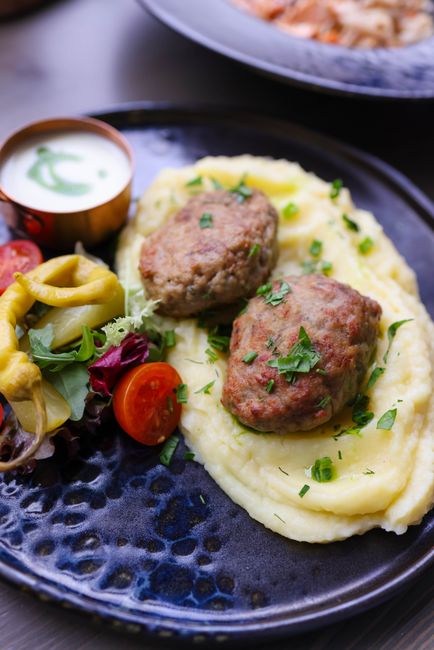
The presentation of sour cream mashed potatoes can transform them from a simple side dish into a star attraction on any table. For a rustic and inviting look, spoon the mashed potatoes directly from the pot into a serving bowl. Create swirls and peaks with the back of a spoon, resembling soft, pillowy clouds. A generous knob of butter melting into the center of the mash is a classic and appealing touch. Garnish with freshly chopped chives, parsley, or a sprinkle of smoked paprika for a pop of color and added visual interest. For a more refined presentation, consider serving individual portions. Use a piping bag fitted with a star tip to pipe elegant rosettes of mashed potatoes onto plates. This technique not only looks impressive but also allows for individual customization of toppings. A drizzle of gravy, a scattering of crispy fried onions, or a dollop of herbed sour cream can further enhance the visual appeal and flavor profile of the piped potatoes. Another elegant option is to serve them in small ramekins or cocottes, perhaps baked briefly with a sprinkle of cheese on top until golden and bubbly. This creates a warm, comforting, and visually appealing individual serving. For a large gathering, a large, attractive chafing dish lined with parchment paper can keep the mashed potatoes warm and presentable throughout the meal, allowing guests to serve themselves. The key to attractive presentation is to ensure the potatoes are still warm and slightly glossy, indicating their freshness and appealing texture. The vibrant colors of fresh herbs or the rich hue of paprika can provide a striking contrast against the pale creaminess of the potatoes.
In conclusion, mastering the art of sour cream mashed potatoes involves a deliberate approach to ingredient selection, meticulous cooking and mashing techniques, and an understanding of how to balance flavors and textures. By choosing the right potatoes, utilizing full-fat sour cream, and employing proper mashing methods, one can consistently achieve a side dish that is both deeply satisfying and remarkably elegant. The versatility of sour cream mashed potatoes allows for endless customization, making them a staple that can adapt to any meal or occasion. Whether served as a humble accompaniment or as the centerpiece of a comforting meal, the creamy, tangy, and irresistible nature of perfectly executed sour cream mashed potatoes is undeniable, securing their place as a beloved classic in the culinary world.


