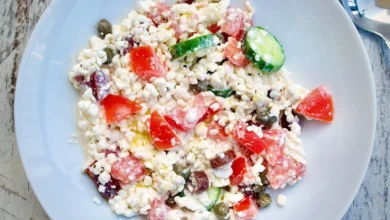
The Ultimate Guide to Traditional Mediterranean Soups, Salads, Sides, Breads, and Snacks for Healthy Living

The global culinary landscape has increasingly pivoted toward the Mediterranean diet, recognized consistently by nutritional scientists and health organizations as a gold standard for cardiovascular health, longevity, and metabolic wellness. Rooted in the traditional dietary patterns of countries bordering the Mediterranean Sea—such as Greece, Italy, and Spain—this lifestyle emphasizes whole grains, fresh vegetables, legumes, nuts, and healthy fats, primarily extra virgin olive oil. Recent dietary data from public health researchers underscore that adopting a Mediterranean-style eating pattern can reduce the risk of chronic illnesses, including type 2 diabetes and heart disease, by up to 30%. To meet growing consumer demand for authentic, nutrient-dense culinary resources, home economists and traditional food historians have compiled an extensive compendium of time-tested recipes spanning comforting soups, vibrant salads, rustic breads, wholesome sides, and flavorful snacks.
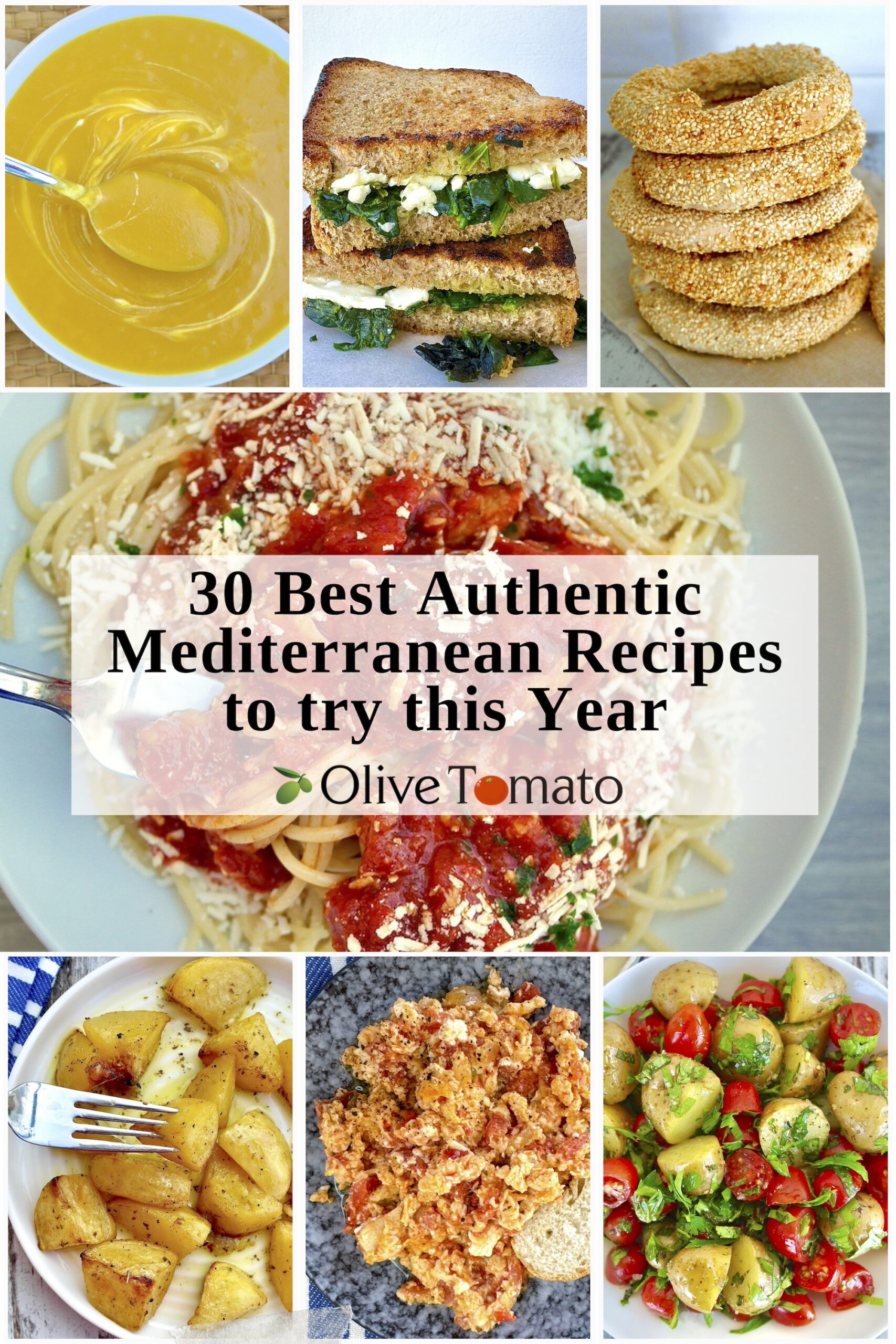
The Nutritional and Cultural Significance of Mediterranean Soups
Soups hold a foundational place in Mediterranean households, serving not merely as appetizers, but as complete, nourishing meals designed to utilize seasonal harvests. Historically, agrarian communities across Greece and southern Italy relied on broths and stews to maximize the nutritional value of readily available legumes, root vegetables, and wild greens.
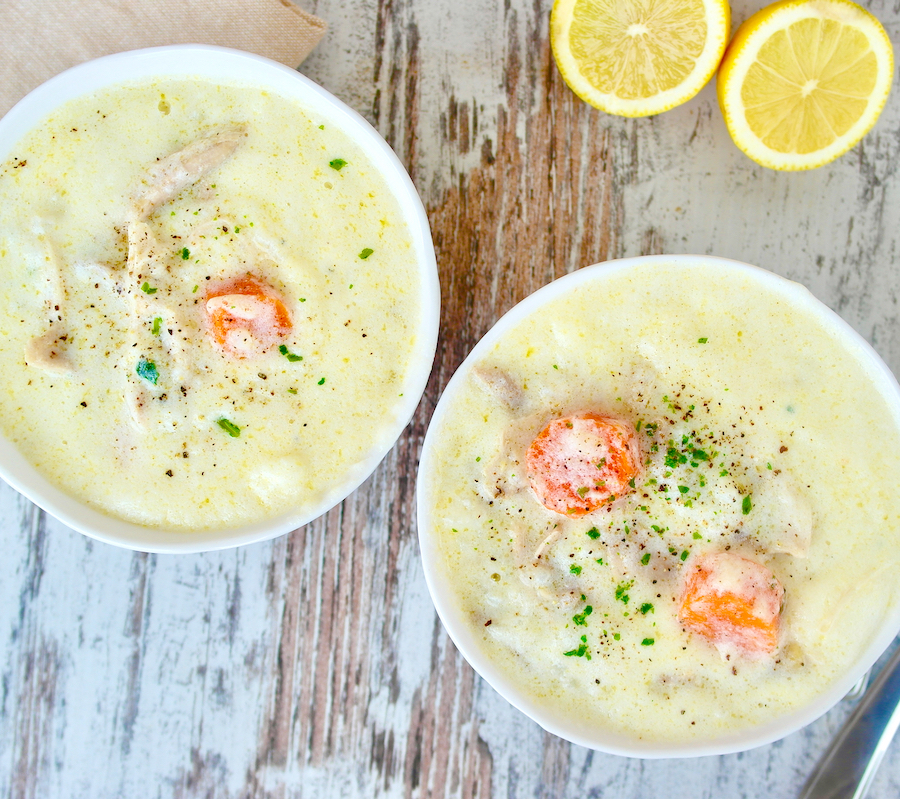
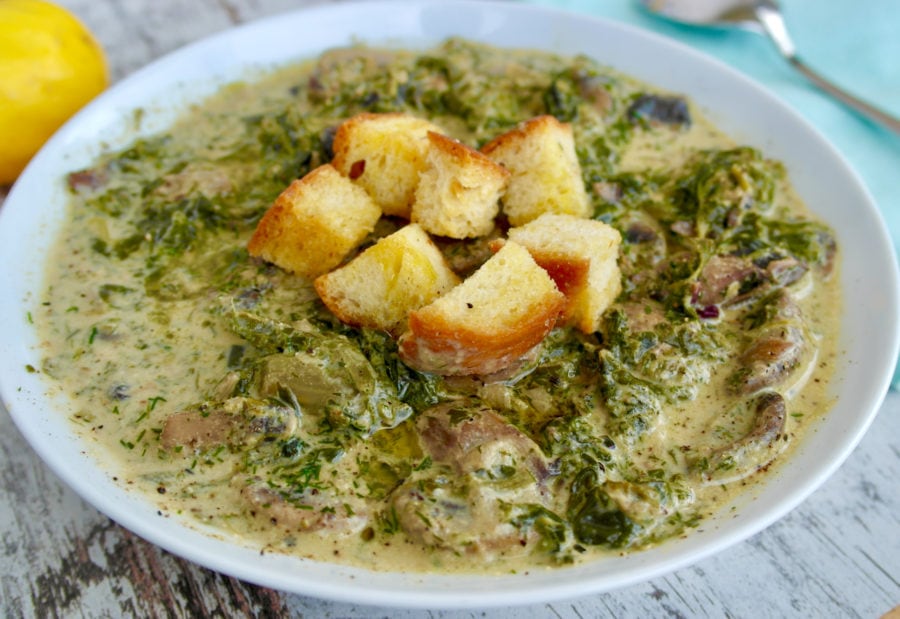
Among the most celebrated regional preparations is Authentic Avgolemono Soup, a traditional Greek chicken and rice dish elevated by a rich, velvety lemon-egg emulsion. The incorporation of whole eggs whisked with fresh lemon juice—known as the avgolemono technique—adds a creamy texture without the need for heavy dairy fats, providing a high-protein, vitamin-rich profile. Similarly, Hearty Greek Creamy Mushroom Soup utilizes wild mushrooms paired with nutrient-dense leafy greens, seasoned delicately with a distinctive lemon-tahini sauce. This plant-forward variation supplies essential B vitamins, minerals, and healthy plant-based fats, demonstrating the versatility of Mediterranean culinary traditions.
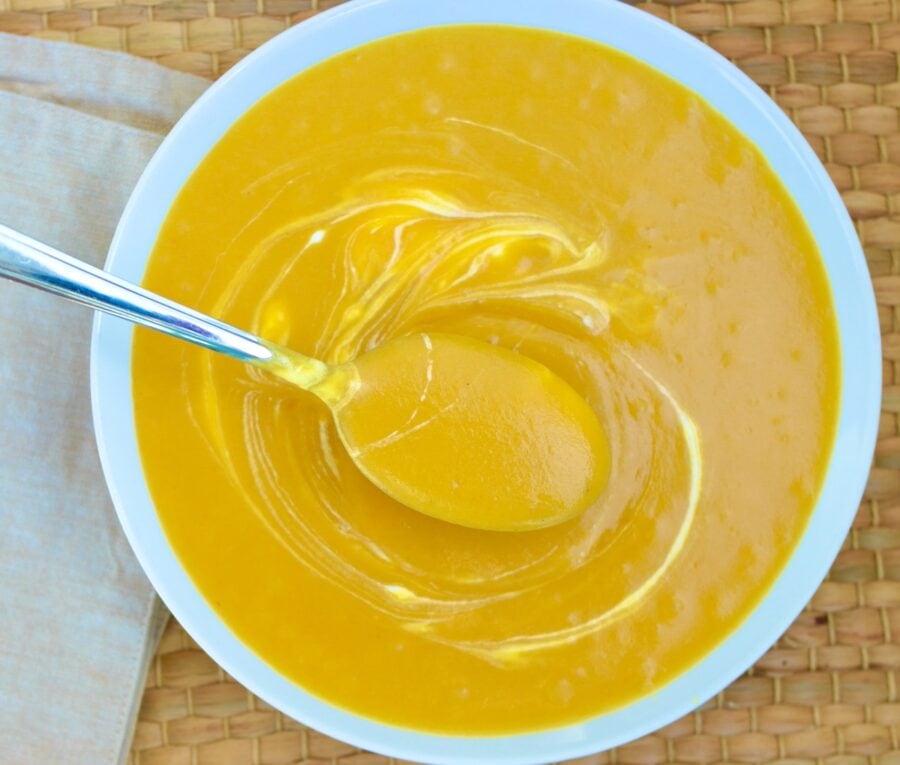
For those seeking autumnal comfort, Quick and Easy Butternut Squash Soup offers a streamlined approach to seasonal eating. Combining roasted butternut squash, starchy potatoes, and onions sautéed in extra virgin olive oil, the dish is finished with a swirl of tangy Greek yogurt. Nutritional analysts note that this combination delivers a robust source of dietary fiber, beta-carotene, and probiotics, aligning with modern dietary guidelines that advocate for increased vegetable consumption and gut health support.
Vibrant Salads Highlighting Seasonal Produce and Plant Proteins
Salads in the Mediterranean tradition defy the modern perception of side dishes as mere leafy afterthoughts. Instead, they function as nutrient-dense centerpieces that balance complex carbohydrates, lean proteins, and healthy lipids.
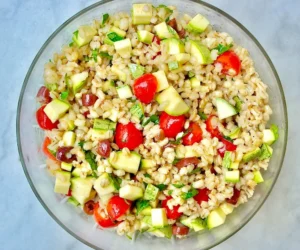
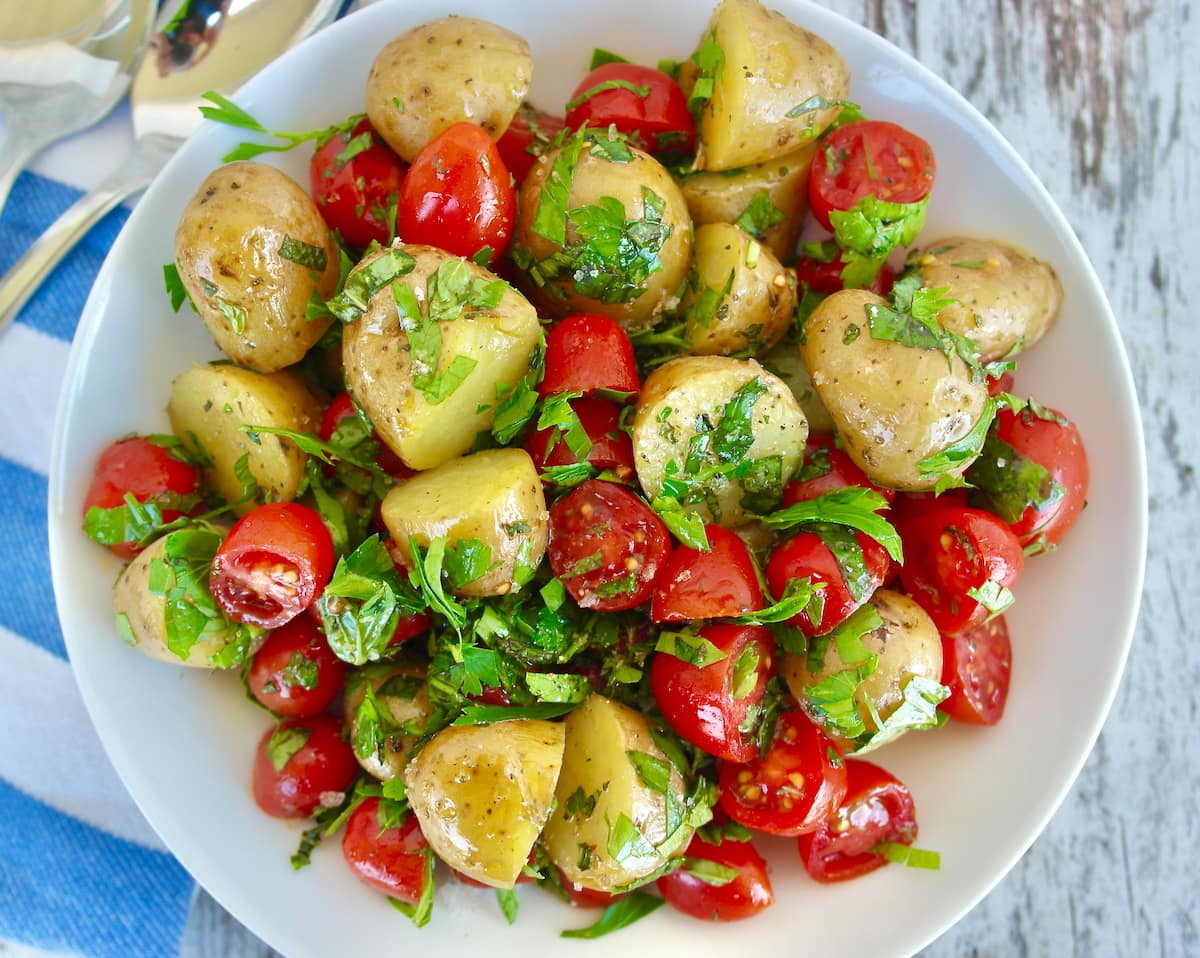
The Mediterranean Potato Salad with Herbs and Tomatoes reimagines the classic picnic staple by replacing heavy mayonnaise dressings with cold-pressed extra virgin olive oil, fresh lemon juice, and an abundance of tender baby potatoes, cherry tomatoes, and garden herbs. This formulation significantly reduces saturated fat content while maximizing antioxidant intake from lycopene-rich tomatoes and polyphenols found in high-grade olive oil.
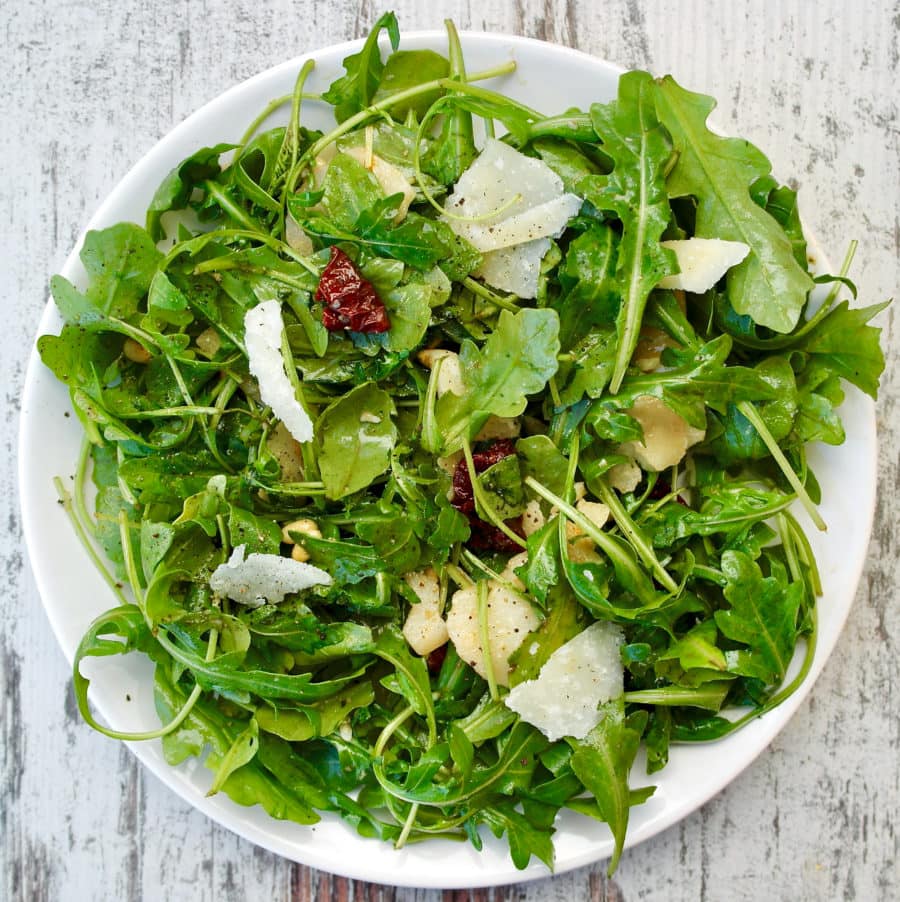
For a more robust flavor profile, the Classic Arugula-Parmesan Salad marries the peppery bite of fresh arugula with the salty, umami-rich notes of aged Parmesan cheese and sweet sundried tomatoes. Garnished with nutrient-dense pine nuts and a balanced balsamic-honey vinaigrette, the dish exemplifies the Mediterranean philosophy of balancing contrasting flavor profiles to enhance palatability without relying on excessive sodium.
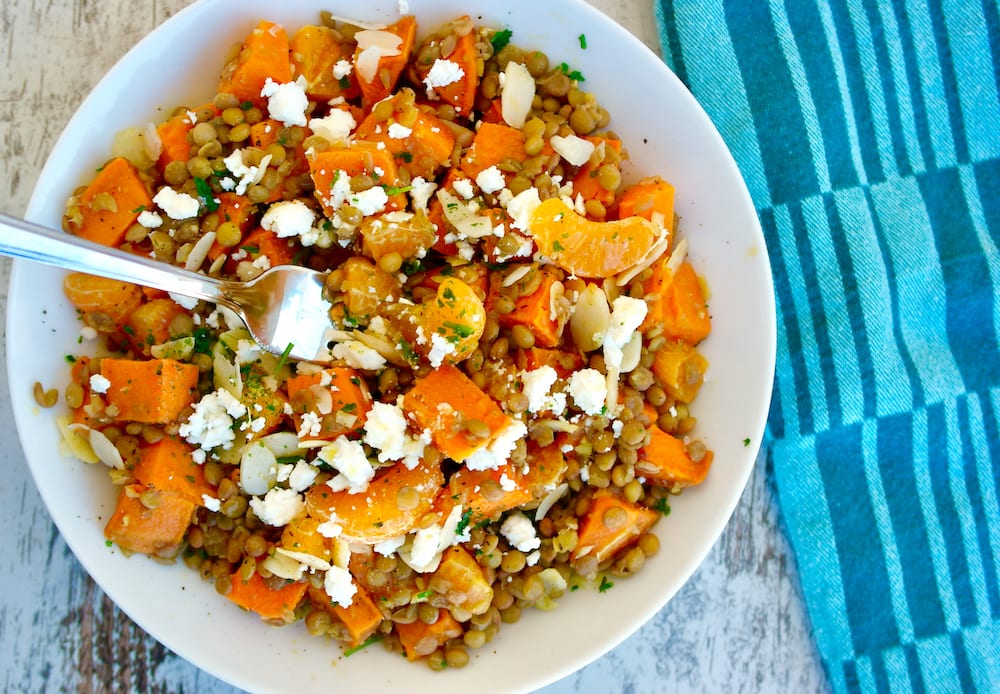
Further expanding the scope of plant-based dining, the Mediterranean Lentil and Sweet Potato Salad integrates earthy lentils with caramelized roasted sweet potatoes, crunchy almonds, and juicy segments of fresh mandarins. Nutritional epidemiologists frequently highlight lentils as an exceptional source of soluble fiber and plant protein, making this salad a complete meal that supports sustained energy levels and stable glycemic control.
Authentic Mediterranean Sides and Vegetable Stews
Side dishes in Mediterranean cuisine frequently take center stage, transforming humble vegetables into complex, flavorful main courses through the culinary technique known as lathera—foods cooked in oil.
A prime example is Authentic Greek Green Beans (Fasolakia Lathera), a traditional dish featuring tender green beans and potatoes slow-simmered in a rich tomato, herb, and extra virgin olive oil broth. Public health advocates often cite dishes like Fasolakia Lathera as key drivers of the health benefits associated with the Mediterranean diet, as the generous use of olive oil enhances the bioavailability of fat-soluble vitamins found in the green beans.
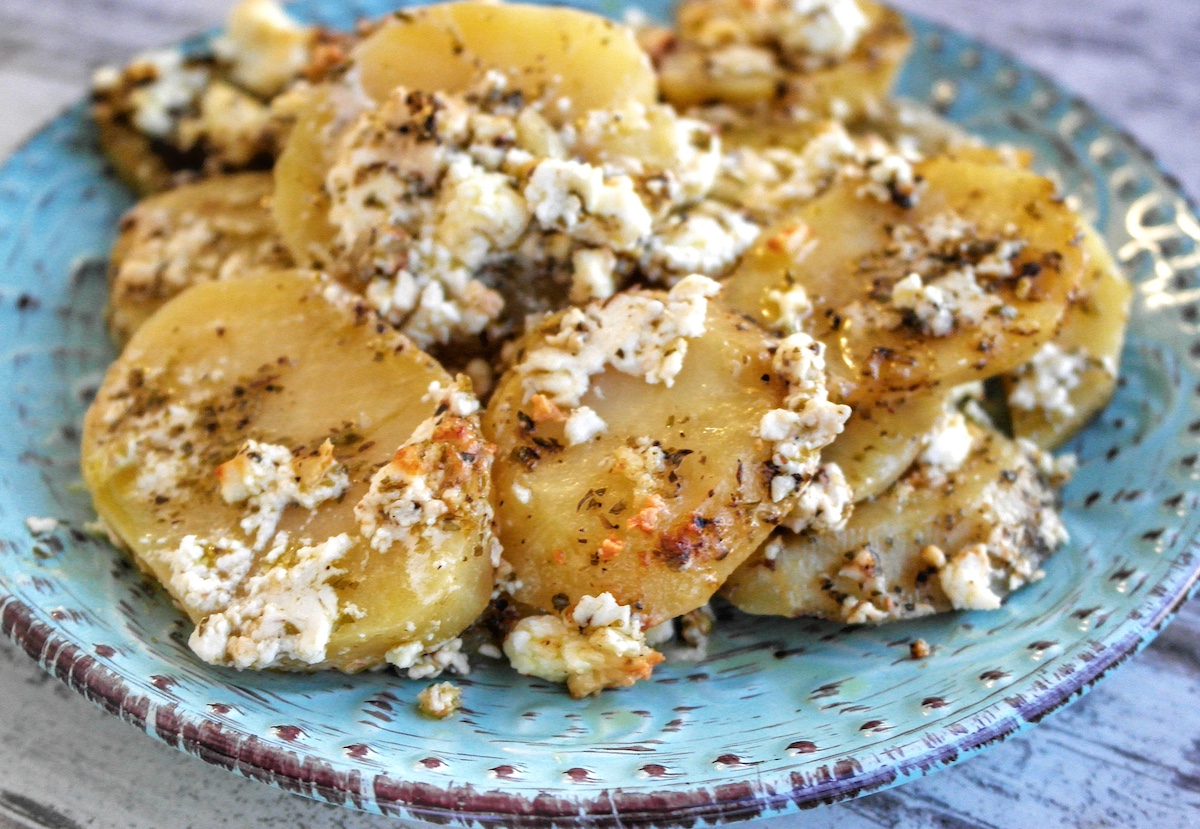
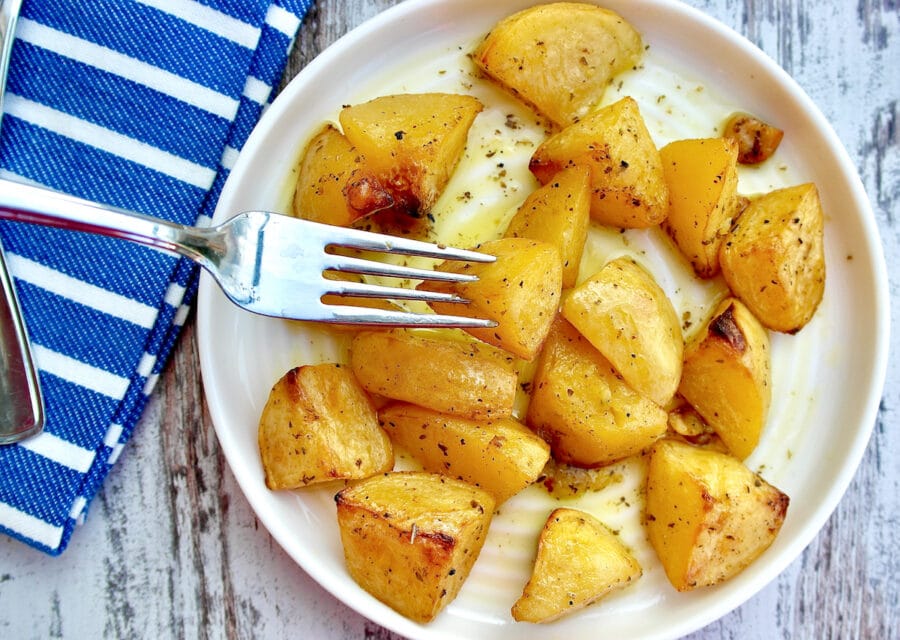
Potatoes also receive traditional preparation in recipes such as Authentic Greek Lemon Potatoes (Patates Fournou) and Mediterranean Scalloped Potatoes with Feta Cheese. By roasting potato wedges with garlic, oregano, and lemon juice, or layering tender spuds with creamy feta cheese, these dishes provide comforting textures while adhering to traditional flavor architectures that minimize processed ingredients.
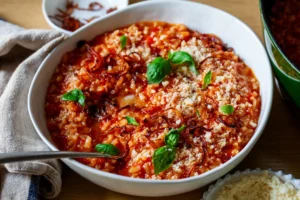
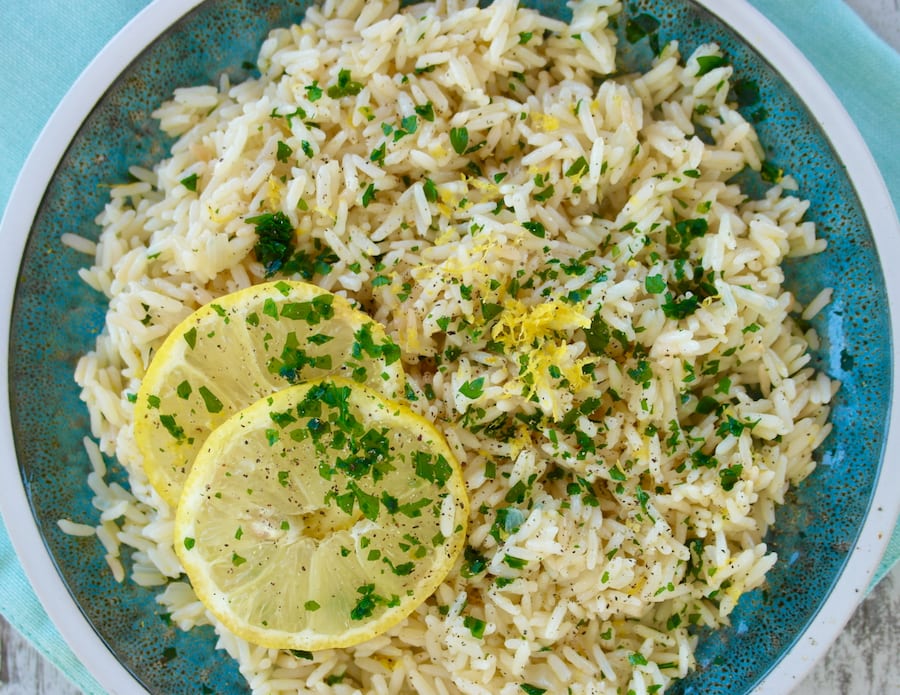
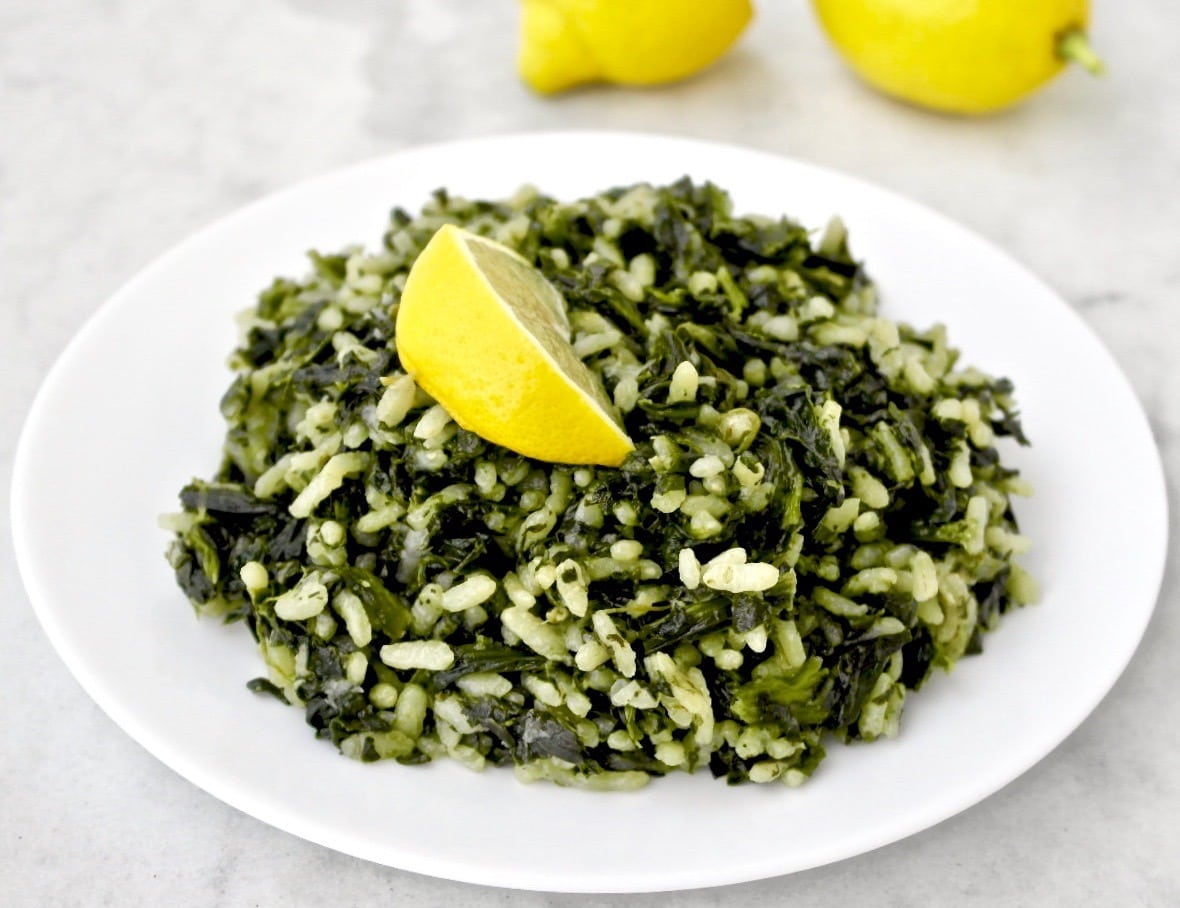
For grain-based accompaniments, Authentic Lemon Rice (Rizi Lemonato) and Spinach and Rice (Spanakorizo) offer aromatic alternatives to plain starches. Spanakorizo, in particular, merges iron-rich spinach with rice simmered in vegetable broth and olive oil, creating a traditional winter comfort food that delivers essential micronutrients in a digestible, satisfying format.
Traditional Breads: Crafting Artisanal Staples at Home
Bread baking remains an integral cultural practice across the Mediterranean, where bread is viewed as a sacred staple meant to be shared at every meal. Modern culinary interest has surged around traditional baking methods that avoid commercial additives in favor of fermentation, whole grains, and simple pantry staples.
The Easy Koulouri or Simit Recipe highlights a iconic ring-shaped bread popular throughout Greece and the broader Eastern Mediterranean. Coated generously in toasted sesame seeds, the bread achieves a crisp, golden exterior while maintaining a soft, chewy interior. Nutritional scientists note that sesame seeds contribute significant amounts of calcium, magnesium, and healthy lignans, enhancing the nutritional profile of the baked good.
Similarly, Best Homemade Pita Bread provides home cooks with a foolproof method for producing pocketed flatbreads that can be served warm straight from the oven. Unlike mass-produced commercial alternatives, homemade pita requires only flour, water, yeast, olive oil, and a touch of salt, ensuring a clean ingredient list free of chemical preservatives.
For gatherings and celebratory meals, Homemade Parmesan Garlic Knots and Olive Oil Biscuits offer regional twists that incorporate extra virgin olive oil and Greek yogurt in place of traditional butter and shortening. These adaptations reduce overall saturated fat content while retaining the tender crumb and savory appeal expected from artisanal baked goods.
Mediterranean Snacks, Dips, and Light Bites
Snacking in the Mediterranean model centers on nutrient density and mindful eating, often bridging the gap between meals with protein- and fiber-rich components.
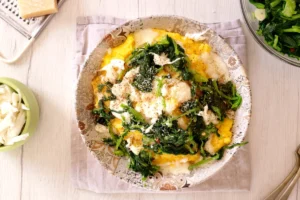
The Grilled Feta and Spinach Sandwich reinterprets the traditional grilled cheese by utilizing fiber-rich whole-grain bread, mineral-rich spinach, and tangy feta cheese, grilled to perfection without excessive butter. This balanced snack provides a steady release of energy and sustained satiety.
Similarly, Savory Greek-Style Zucchini and Feta Muffins offer a portable, vegetable-packed option suitable for breakfast, school lunches, or outdoor gatherings. Incorporating grated zucchini, crumbled feta, and protein-packed Greek yogurt, these muffins provide an accessible way to increase vegetable intake for demographics resistant to traditional side dishes.
No overview of Mediterranean dips is complete without Authentic Tzatziki. Based on strained Greek yogurt mixed with crisp grated cucumber, pungent garlic, and fresh dill or mint, authentic tzatziki serves as a versatile condiment rich in probiotics and calcium. Culinary historians trace the preparation back centuries, noting its historical role in aiding digestion during heavy meat-based feasts.
Broader Public Health Implications and Implementation
As lifestyle-related chronic conditions continue to challenge global healthcare systems, public health officials increasingly advocate for the adoption of traditional dietary patterns as a cost-effective preventive medicine strategy. The culinary compendium outlined here demonstrates that adhering to a Mediterranean lifestyle does not require culinary complexity, but rather a return to whole, minimally processed ingredients.
Food policy analysts and nutritional economists emphasize that institutional promotion of Mediterranean dietary guidelines can yield significant reductions in long-term healthcare expenditures associated with cardiovascular disease and obesity. By empowering home cooks with authentic, accessible recipes ranging from soups and salads to breads and snacks, public health initiatives can bridge the gap between clinical dietary recommendations and everyday kitchen practices, fostering sustainable lifestyle modifications for generations to come.