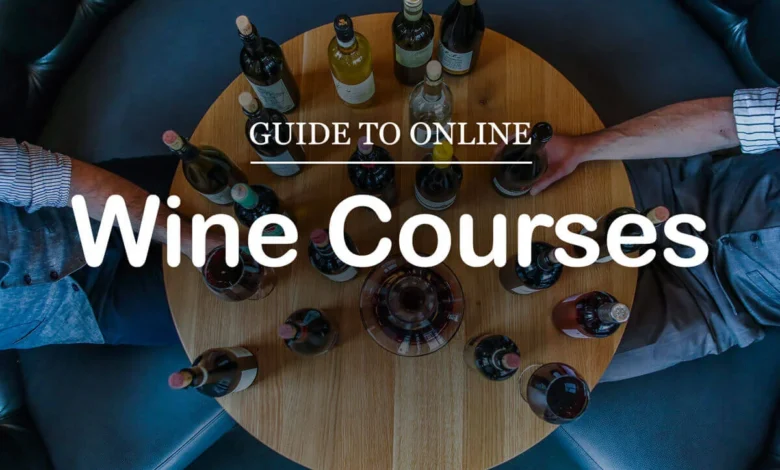
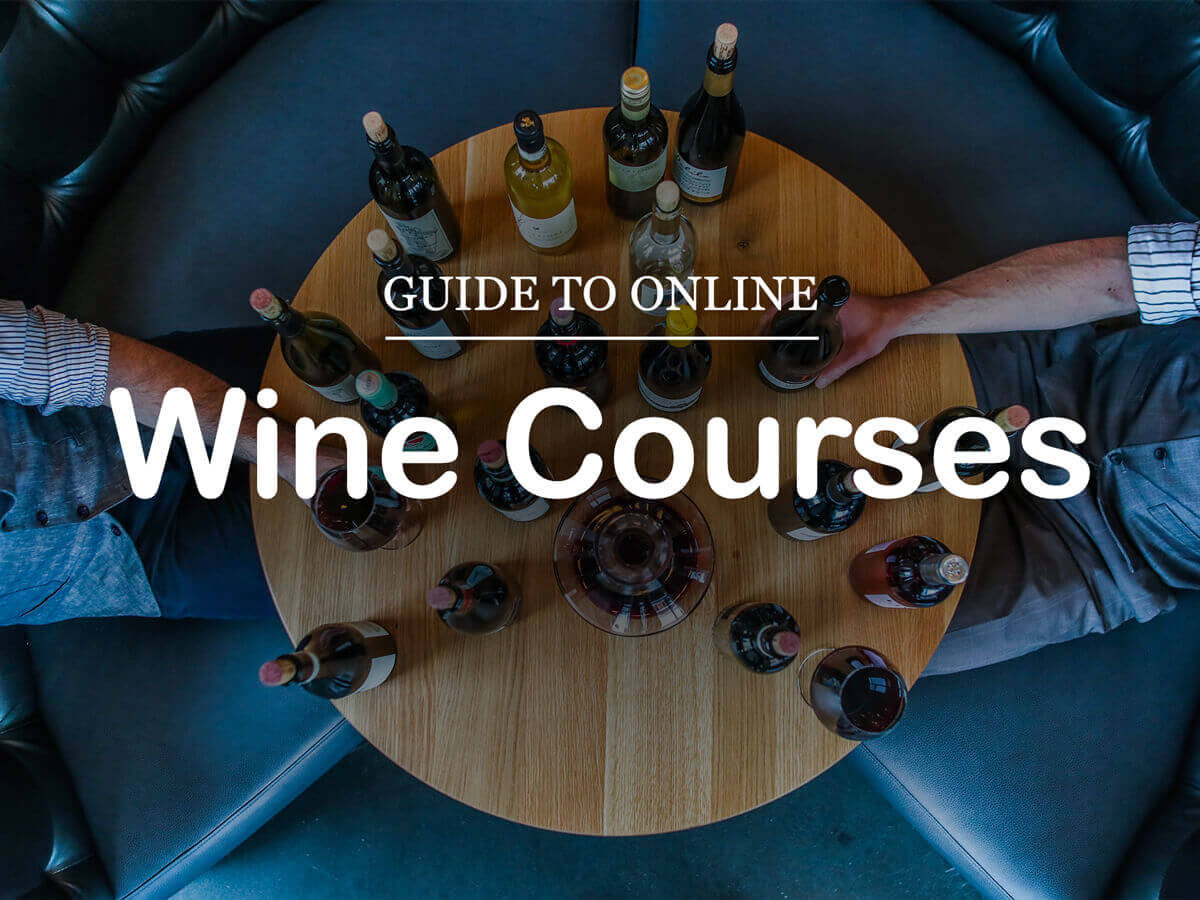
The global shift toward remote learning and digital education has permanently transformed how enthusiasts and industry professionals acquire specialized knowledge, and the wine sector is no exception. Whether individuals seek to advance their careers in hospitality or simply wish to refine their personal appreciation, online wine courses have emerged as a flexible, comprehensive alternative to traditional classroom settings. Today, learners can access structured curricula, tutored tastings, and professional certifications directly from their living rooms, democratizing an educational space that was once restricted by geography and high tuition costs.

Evolution of Wine Education: From Traditional Cellars to Digital Classrooms
Historically, formal wine education required physical attendance at specialized institutes, culinary schools, or regional academies, often located in major metropolitan areas or established winemaking regions. Institutions such as the Wine & Spirit Education Trust (WSET) and the Court of Master Sommeliers set the gold standard for certification, but their programs demanded significant time commitments and travel.
The advent of digital learning platforms over the past decade transformed this landscape. The COVID-19 pandemic further accelerated the adoption of virtual instruction, forcing wine educators to innovate rapidly. What began as basic video tutorials has evolved into sophisticated, multi-tiered virtual academies featuring live webinars, interactive peer discussions, shipped tasting kits, and rigorous digital examinations. This digital pivot has lowered barriers to entry, enabling working professionals and remote enthusiasts to study under Master Sommeliers and Masters of Wine without disrupting their daily schedules.
Navigating Educational Pathways: Free Versus Paid Instruction
Prospective students generally encounter two primary avenues for virtual wine education: self-directed free resources and structured, fee-based paid programs. Each category serves distinct learning objectives, budgets, and commitment levels.
The Value of Free, Patchwork Learning
For beginners seeking foundational knowledge without financial investment, the internet offers a wealth of high-quality, decentralized content. Platforms like YouTube host extensive libraries produced by respected authorities, including the Wine and Spirit Education Trust, GuildSomm, and Wine Folly.
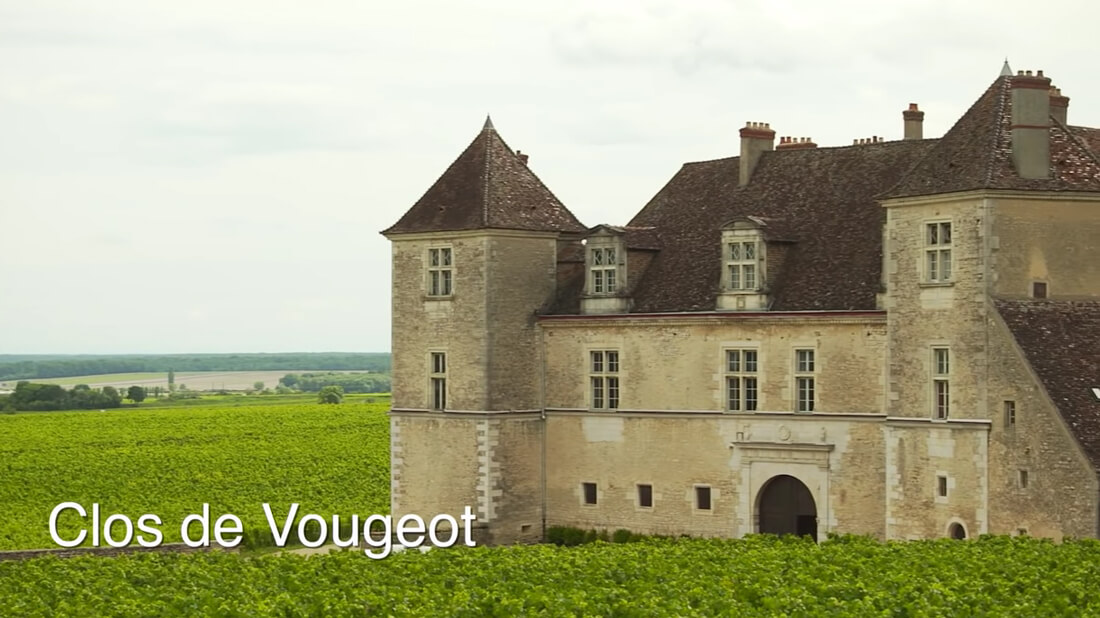
While free resources offer exceptional expert-led insights into wine theory, regional characteristics, and basic service techniques, they inherently lack a linear curriculum. To address this fragmentation, industry publications have curated specific playlists designed to guide learners through logical progressions:
- General Wine Knowledge: Seven-hour self-directed modules covering professional tasting methodologies, foundational viticulture, and major global wine regions.
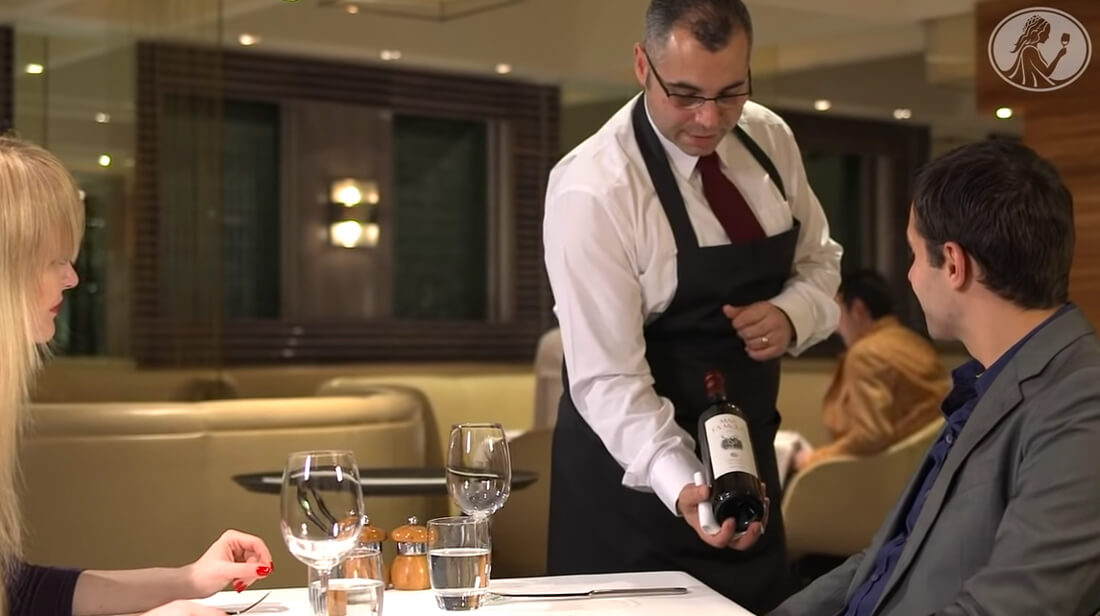
- Wine Service and Hospitality: Targeted instruction for restaurant and hospitality staff, detailing proper bottle presentation, corkscrew handling, and strategies to prevent service accidents such as over-pressurized Champagne cork mishaps.
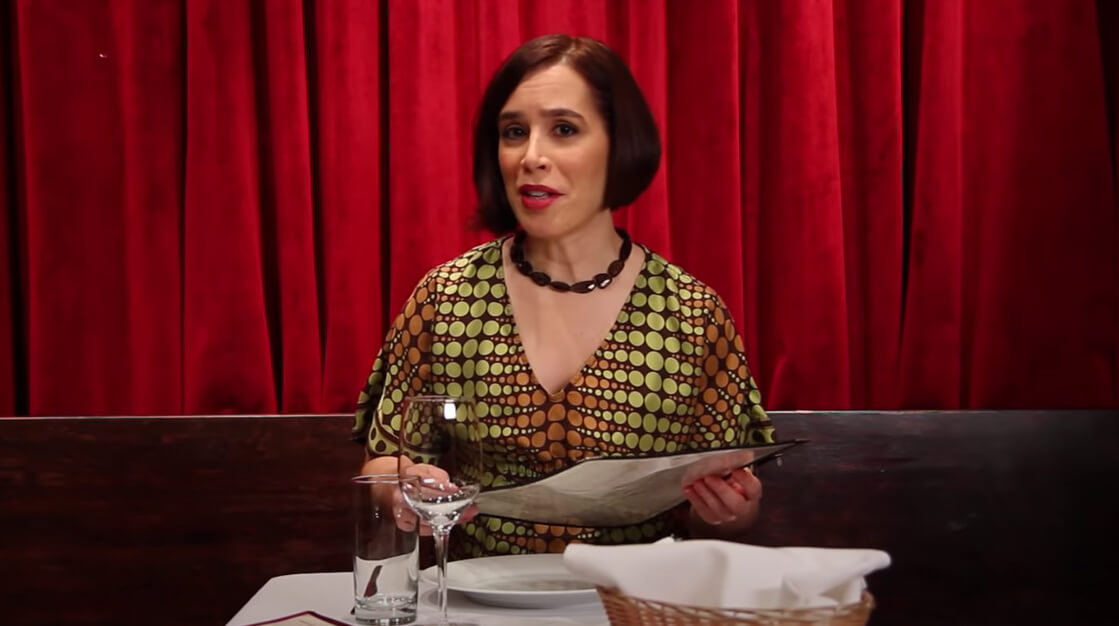
- Etiquette and Food Pairing: Practical guidance on navigating complex restaurant wine lists, interpreting labeling terminology, and mastering the principles of food and wine synergy, led by veteran wine communicators.
While these resources provide an excellent starting point, educational experts note that free learning lacks the accountability, formal assessment, and credentialing required for career advancement.
Structured Paid Courses and Professional Certifications
For those pursuing professional recognition or deep academic rigor, paid online programs offer comprehensive curricula backed by institutional support and verifiable credentials. Industry analysts highlight several prominent tiers within the paid sector, ranging from introductory consumer courses to college-level certifications.
At the accessible end of the spectrum, digital masterclasses led by globally recognized authorities—such as Jancis Robinson’s collaboration with BBC Maestro or James Suckling’s 100-point rating system breakdown—offer unique philosophical insights into how top critics evaluate wine. While these programs occasionally require students to source their own tasting bottles, they provide invaluable confidence and perspective for intermediate learners.
For structured, career-oriented credentials, advanced academies have successfully transitioned their flagship programs to hybrid digital formats:
- WSET Level 2 and Level 3 Certificates: Delivered via partners such as the Napa Valley Wine Academy, these multi-week programs combine asynchronous digital modules with live, instructor-led group tastings and shipped tasting samples (subject to regional shipping regulations).
- Certified Specialist of Wine (CSW): Intensive 9-week programs, such as those offered by the San Francisco Wine School and led by Master Sommeliers, cover advanced viticulture, enology, wine chemistry, and global laws, culminating in an official proctored examination and professional pin.
- Regional Wine Scholar Programs: Administered by the Wine Scholar Guild, these specialized curricula focus deeply on the specific terroirs, laws, and classifications of France, Italy, and Spain, serving as the benchmark for serious enthusiasts and educators.
Pedagogical Analysis: The Importance of Peer Interaction and Sensory Engagement
Educational researchers consistently emphasize that remote learning presents unique cognitive challenges, particularly in subjects requiring sensory evaluation. Tasting wine in isolation limits a student’s ability to benchmark their perceptions against consensus views. Consequently, leading virtual wine programs increasingly incorporate live webinars, peer-to-peer discussion forums, and interactive virtual tastings.
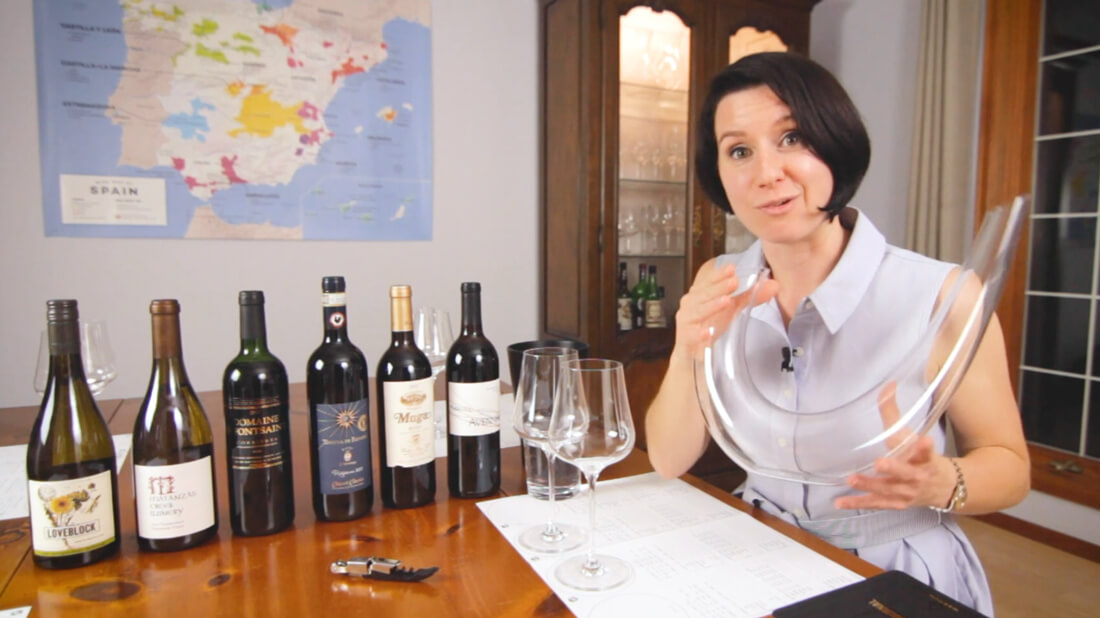
Studies in adult learning theory suggest that collaborative environments significantly enhance knowledge retention and palate calibration. To replicate the benefits of a physical classroom, educational experts recommend that online students form local tasting groups of three to five peers. By pooling resources to purchase course-recommended wines collectively, students can share the financial investment while engaging in guided, comparative tasting exercises that reinforce the theoretical concepts learned online.
Industry Implications and Future Outlook
The maturation of online wine education has profound implications for the global beverage industry. By removing geographic and financial friction, digital platforms are cultivating a more knowledgeable and discerning consumer base. Restaurants and hospitality employers increasingly value digital certifications, recognizing that staff trained through rigorous online academies possess a standardized baseline of product knowledge and service etiquette.

Furthermore, the integration of shipped tasting kits and augmented reality vineyard tours continues to narrow the gap between digital theory and physical experience. As technology advances, the boundary between virtual and in-person wine education will likely continue to blur, cementing online learning as a permanent, pillar institution within the global wine community.