The Comprehensive Global Guide to 15 Essential Squash and Pumpkin Varieties for the Modern Kitchen

From the silky purées of winter squash to the crisp, fresh profiles of summer varieties, the global culinary landscape relies heavily on the diverse Cucurbitaceae family. Far beyond their seasonal association with autumn decorations and holiday baking, pumpkins and squashes offer a spectrum of textures—ranging from fluffy and potato-like to noodle strands and dense starches—that dictate their precise application in professional and home kitchens. Understanding the structural and flavor profiles of these 15 distinct types and groups allows culinary practitioners to select the ideal ingredient for applications spanning from high-end restaurant service to home-cooked comfort food.
Botanical Classification and Historical Context
The Cucurbitaceae family, commonly known as gourds, squashes, or pumpkins, ranks among humanity’s oldest domesticated crop groups. Archaeological evidence from the Americas indicates that indigenous populations cultivated squash as early as 10,000 years ago, long before the domestication of maize and beans. These three crops historically formed the agricultural foundation known as the "Three Sisters" in Native American farming systems, where the squash plants provided living mulch to suppress weeds and retain soil moisture while utilizing the structural support of cornstalks.
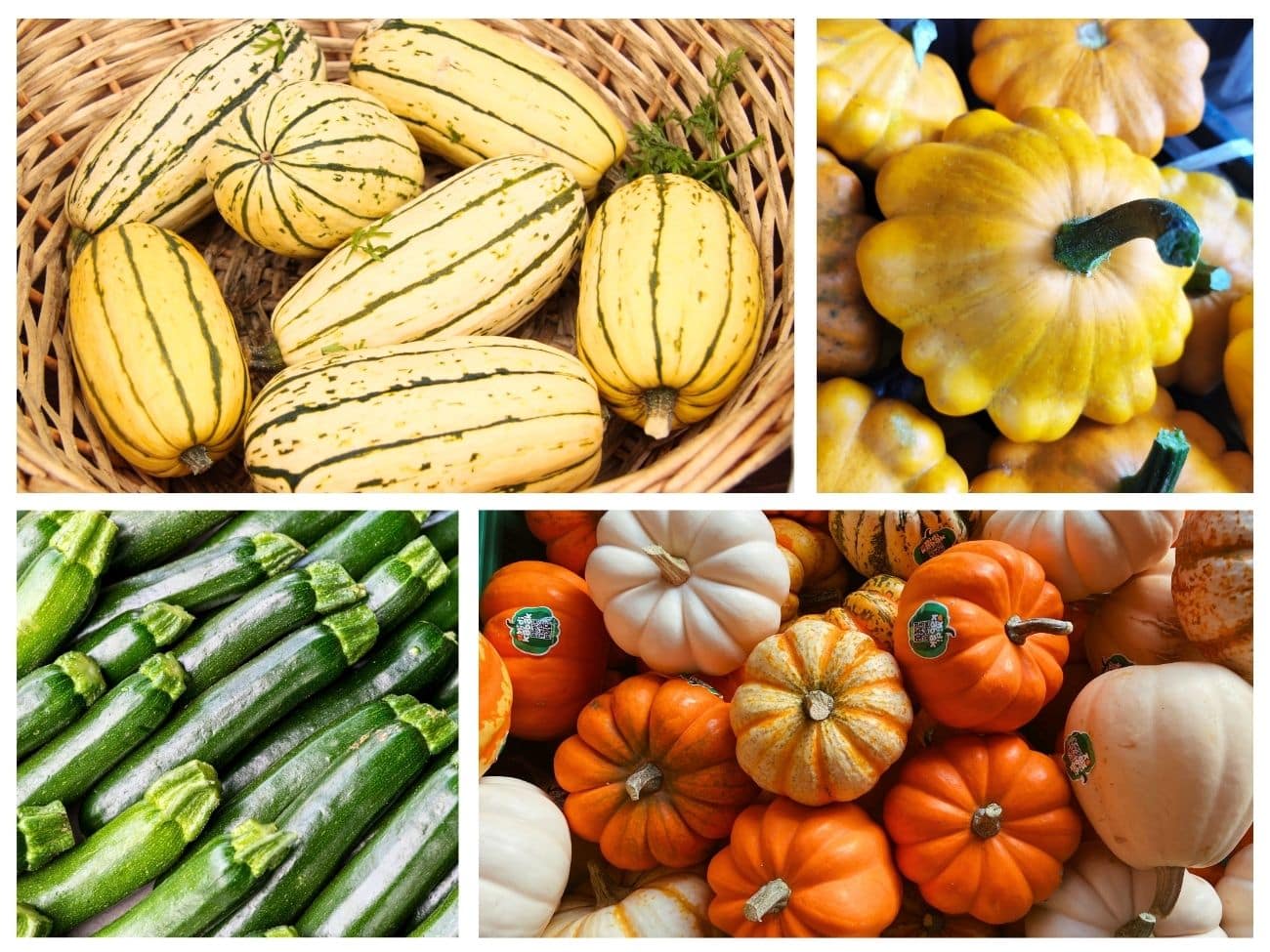
Over centuries of global trade, agricultural dissemination, and selective breeding, countless cultivars emerged, adapting to diverse microclimates across Asia, Europe, Australia, and the Americas. Modern culinary taxonomy generally divides these cultivars into winter squash and summer squash, categorized primarily by the maturity of the fruit at harvest and the durability of its rind. Winter squashes are allowed to fully mature on the vine, developing hard, protective outer shells and dense, starchy flesh that ensures prolonged storage capabilities through colder months. Conversely, summer squashes are harvested prematurely while their rinds remain tender and their moisture content high, necessitating prompt consumption.
Winter Squash and Pumpkins
- Butternut Squash
Best for: Soups, roasted wedges, curries, and stews.
Pairs well with: Sage, brown butter, warming spices, and aged cheeses.
As one of the most commercially successful and widely adopted winter squashes, butternut squash serves as an indispensable all-rounder in contemporary gastronomy. Developed in the 1940s through crossbreeding efforts in Massachusetts, it features a smooth, pale tan skin enclosing a vibrant orange, fine-grained flesh. Its flavor profile is distinctly sweet and lightly nutty, intensifying through caramelization when exposed to high-heat roasting.

In professional kitchens, butternut squash is prized for its reliability. It blends into a velvety purée without the stringiness common in older heirloom varieties, holds its structural integrity when cubed for stews and curries, and pairs exceptionally well with both savory herbs like sage and sweet aromatics such as nutmeg and cinnamon.
- Acorn Squash
Best for: Stuffed roasted halves.
Pairs well with: Wild rice, mushrooms, apples, pecans, thyme, and maple syrup.
Characterized by its deeply ridged, dark green exterior and compact form, acorn squash functions naturally as a single-serving vessel. Its flesh is milder and somewhat more fibrous than that of butternut squash, making it an ideal complement to robust, savory fillings rather than the dominant flavor profile of a dish.
Culinary applications typically involve halving the squash, removing the seed cavity, and filling the hollow interior with grain-based mixtures, roasted meats, or autumn fruits before baking. The interaction between the caramelized edges of the squash and savory ingredients like wild rice, sausage, and mushrooms underscores its value in seasonal menus.

- Delicata Squash
Best for: Roasted rings, grain bowls, and autumn salads.
Pairs well with: Goat cheese, pomegranate, sage, brown butter, and bitter greens.
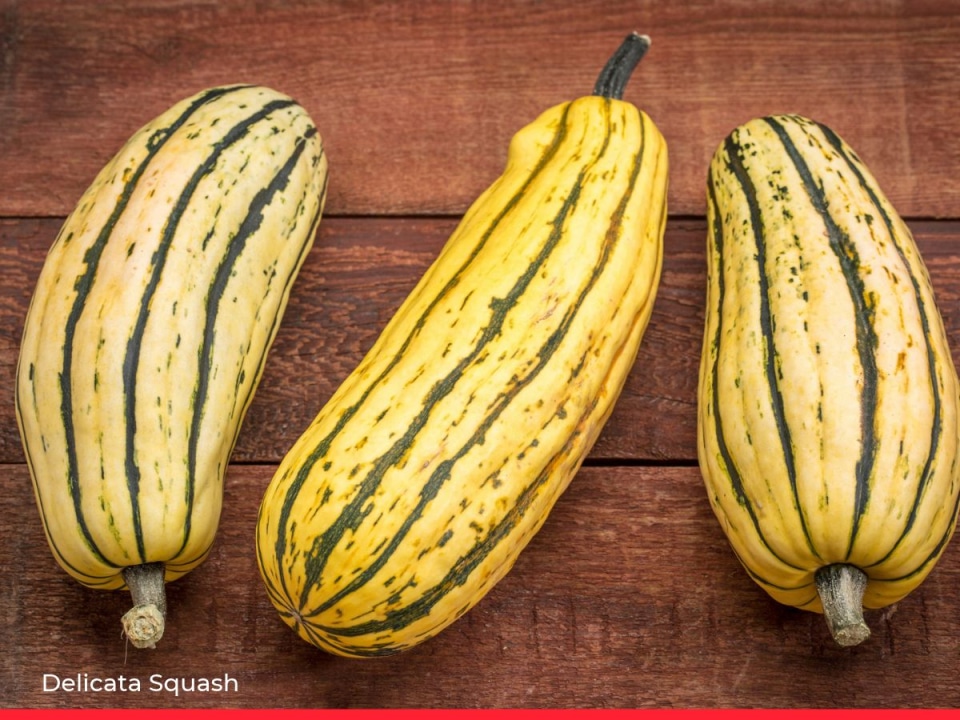
Delicata squash distinguishes itself through a major practical advantage: a paper-thin skin that softens completely during cooking, eliminating the laborious peeling process required by most winter varieties. Sporting elongated, cream-colored cylinders striped with deep green, Delicata yields a sweet, dense flesh often compared to sweet potato or brown sugar.
When sliced into rings or half-moons and roasted, the edges crisp while the interior turns exceptionally creamy. This textural duality makes it a favorite for modern grain bowls and autumn salads, where its natural sweetness contrasts sharply with acidic dressings, bitter greens, and sharp cheeses like goat cheese or feta.
- Kabocha Squash
Best for: Tempura, simmered dishes, and thick soups.
Pairs well with: Miso, dashi, sesame, soy sauce, and warming spices.
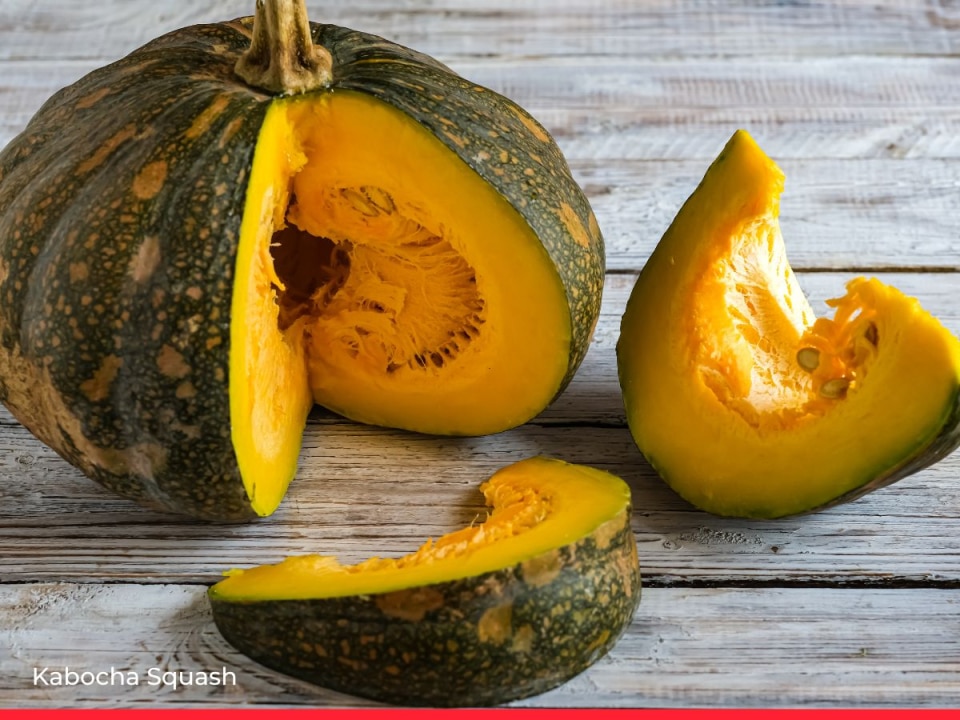
Occupying a prominent position in Japanese cuisine, Kabocha is a small, dark green, squat pumpkin prized for its dense, dry, and starchy texture. Unlike the high moisture content of standard pumpkins, cooked Kabocha yields a texture closely resembling a cross between a sweet potato and a roasted chestnut.
This unique property makes it superior for Japanese culinary techniques such as tempura, where excess moisture would ruin the batter, and traditional simmered dishes (nimono) where the squash absorbs savory broths while maintaining its shape. Furthermore, its starch content naturally thickens soups and purées without requiring dairy fats.
- Spaghetti Squash
Best for: Vegetable strands with flavorful toppings.
Pairs well with: Tomato sauce, pesto, brown butter, sage, and meat sauces.
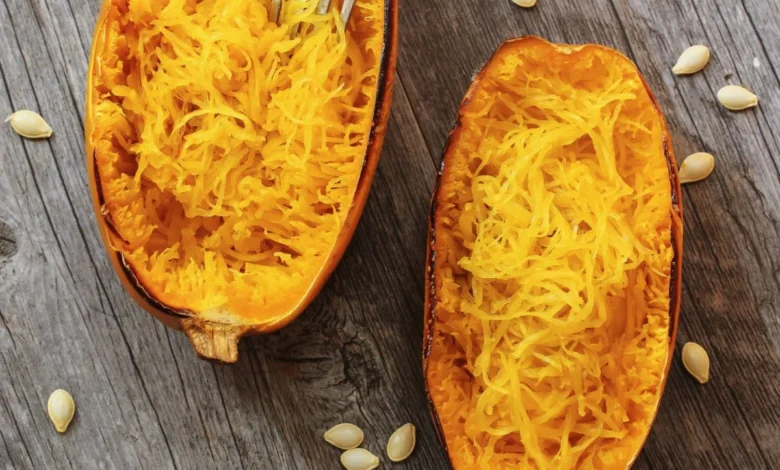
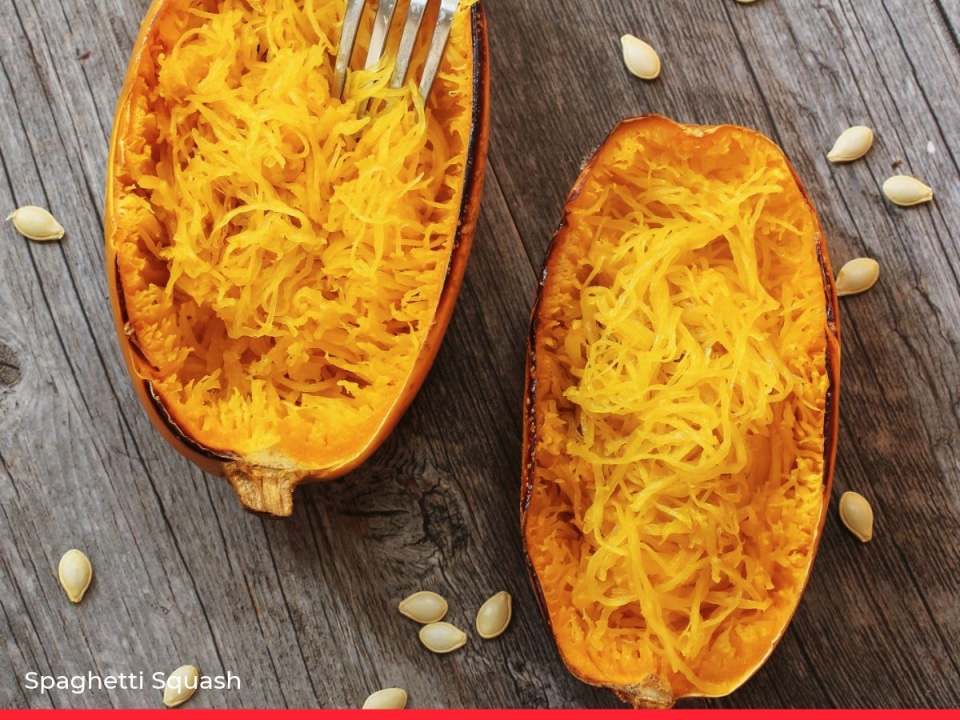
Spaghetti squash is botanically unique due to the structural organization of its flesh. Upon cooking, the internal pulp separates automatically into long, translucent, noodle-like strands that offer a mild flavor and a slight al dente bite.
While frequently utilized as a low-carbohydrate alternative to traditional pasta, culinary experts emphasize treating it as a distinct vegetable base that benefits from robust, acidic, or savory sauces. Because the cooked strands retain significant moisture, successful preparation requires thorough draining before the incorporation of marinara, pesto, or meat ragùs.
- Hubbard Squash
Best for: Batch cooking, soups, purées, and pies.
Pairs well with: Brown butter, maple syrup, warming spices, and sharp cheese.
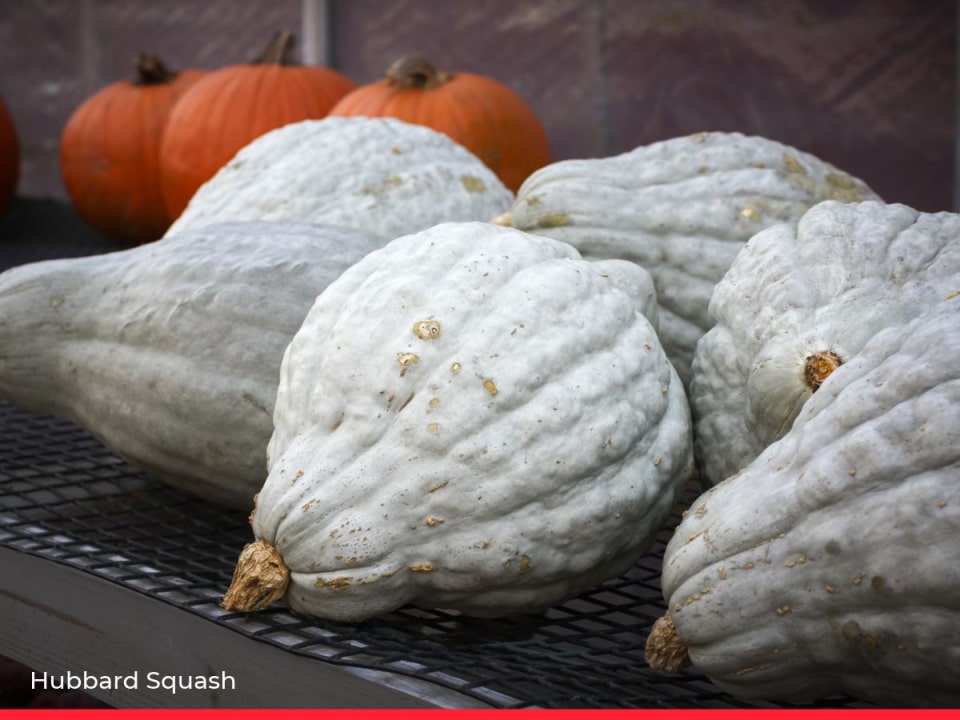
Renowned for their massive size and rugged, heavily textured rinds—which can appear in shades of blue-grey, dark green, or bright orange—Hubbard squashes are the heavyweights of the winter squash family. Their sheer volume makes them ideal for commercial food production, institutional catering, or large-scale batch cooking.
The bright orange interior is exceptionally sweet and fine-grained, lending itself effortlessly to large batches of soup, pie fillings, and dense purées. Due to the impenetrable hardness of a whole Hubbard shell, consumers and commercial buyers frequently purchase pre-cut wedges to bypass the structural challenges of breaking down the intact gourd.
- Red Kuri Squash
Best for: Gratins, smooth soups, and roasted wedges.
Pairs well with: Chestnuts, thyme, cream, Gruyère, and nutmeg.
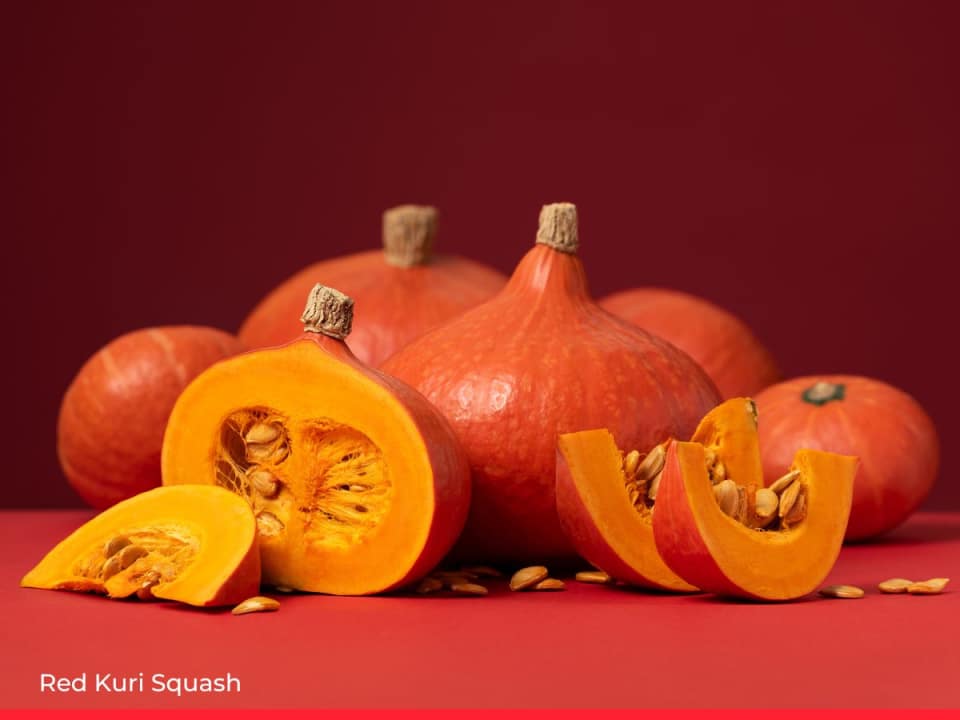
Originating from Japanese breeding lines but widely cultivated globally, Red Kuri squash is easily identifiable by its teardrop shape and vibrant, reddish-orange skin. The flesh is remarkably smooth, dense, and naturally sweet, carrying a subtle, pleasant chestnut undertone.
Like Delicata, Red Kuri features an edible skin when cooked, streamlining preparation for roasted wedges and gratins. Its low moisture content and rich flavor profile make it a premier choice for French-style gratins paired with Gruyère and thyme, or velvety soups enriched with heavy cream and roasted chestnuts.
- Honeynut Squash
Best for: Roasted halves and individual side dishes.
Pairs well with: Brown butter, miso, tahini, thyme, and rosemary.
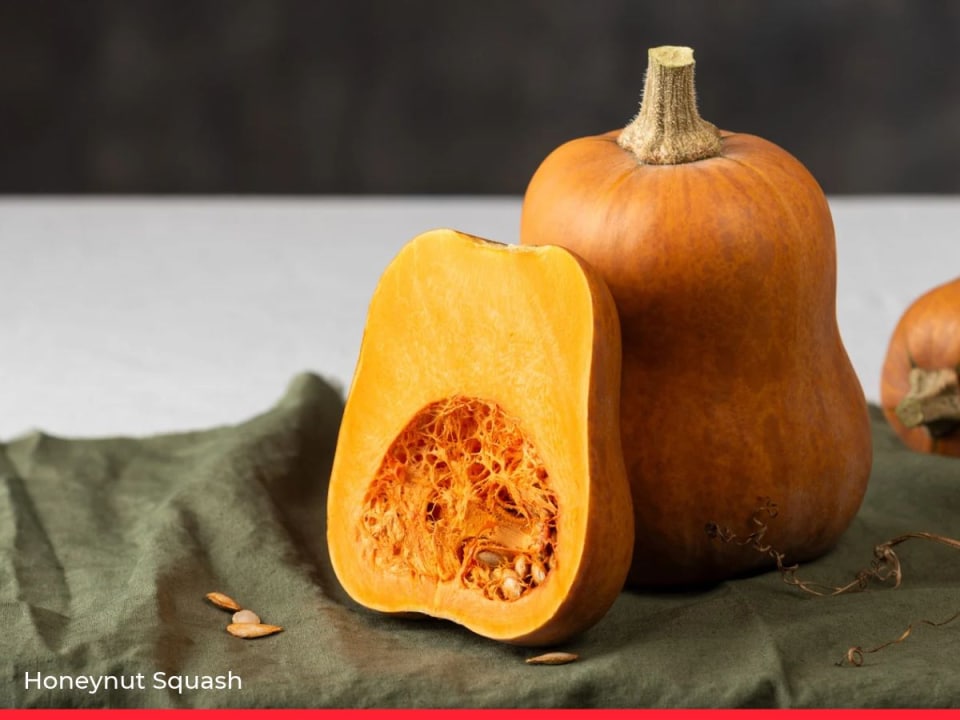
Developed relatively recently through selective breeding at Cornell University, Honeynut squash was engineered to be a miniaturized, vastly improved version of the butternut squash. It features the same iconic shape but possesses a darker, amber skin and a significantly sweeter, more concentrated flavor.
Because of its compact scale, a single roasted half serves as an elegant, self-contained side dish on restaurant plates. Its thin skin requires no peeling, and its intense natural sugars respond exceptionally well to savory, umami-rich glazes such as miso butter or tahini dressings.
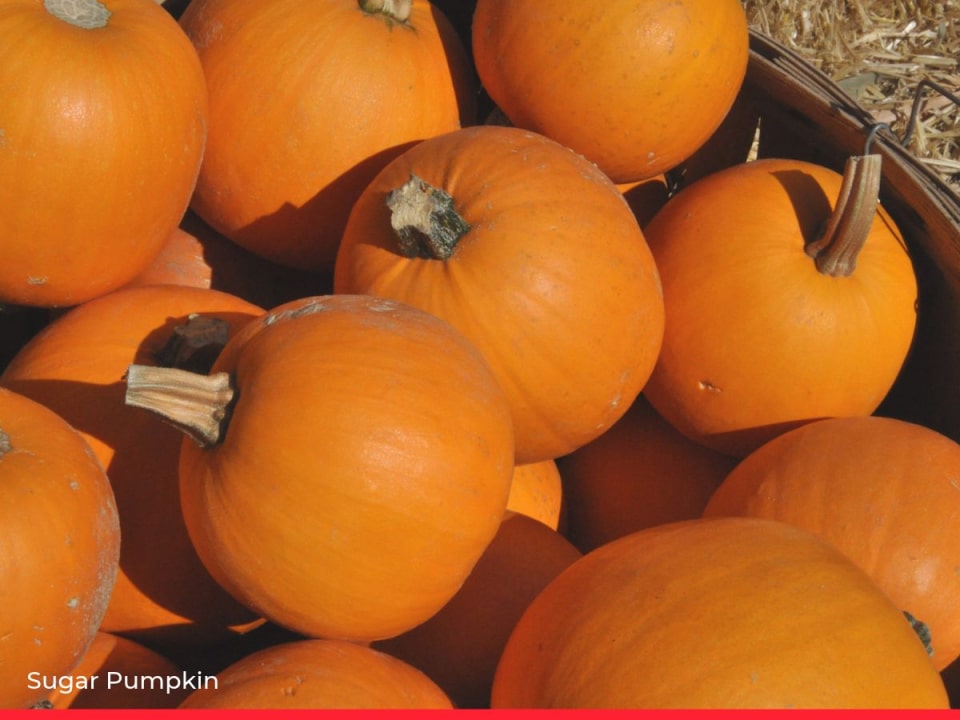
- Sugar Pumpkin (Pie Pumpkin)
Best for: Pumpkin purée, pies, breads, and soups.
Pairs well with: Cinnamon, ginger, nutmeg, cloves, maple syrup, and cream.
Distinguished from large ornamental field pumpkins bred solely for carving, sugar pumpkins—often marketed as pie pumpkins—are specifically cultivated for culinary consumption. They possess smaller cavities, thicker flesh walls, and a significantly higher sugar-to-water ratio.
These pumpkins form the foundational ingredient for authentic, scratch-made autumn baking, providing the natural base for traditional pumpkin pies, spiced quick breads, and rich seasonal soups. Roasting and puréeing fresh sugar pumpkins yields a vastly superior flavor profile compared to canned alternatives, characterized by earthy sweetness and aromatic depth.
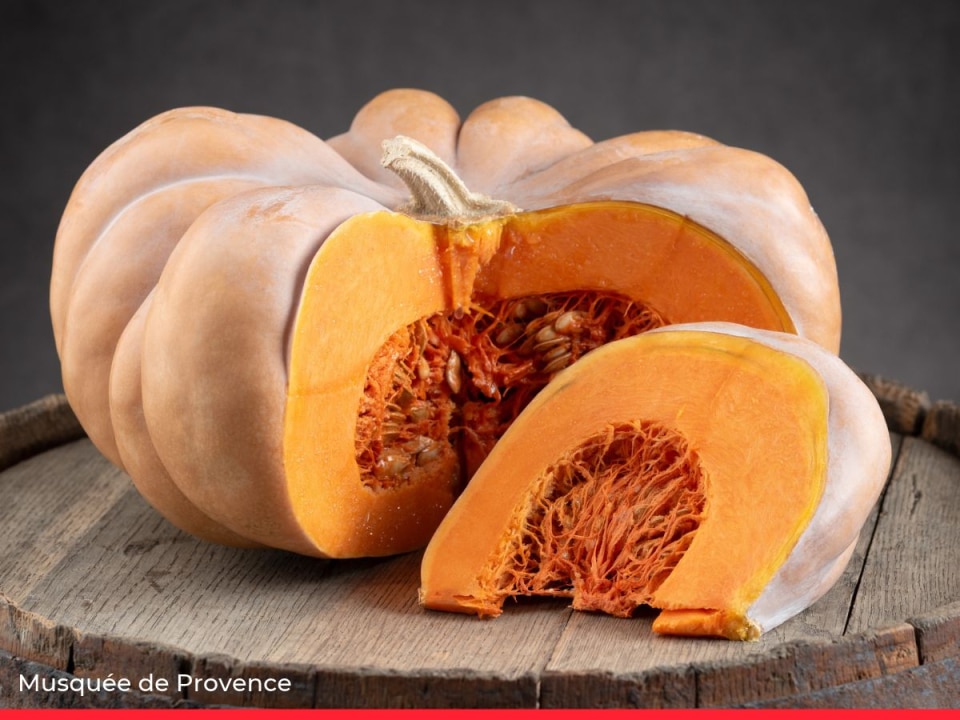
- Musquée de Provence
Best for: Gratins, soups, and slow-cooked dishes.
Pairs well with: Olive oil, garlic, thyme, cream, and aged cheeses.
A magnificent French heirloom cultivar, the Musquée de Provence is a large, heavily ribbed pumpkin featuring a distinct flattened profile and a color transition from deep green to a rich, tan terracotta as it ripens. Inside, the deep orange flesh is exceptionally thick, dense, and aromatic.
Highly regarded in European gastronomy, this pumpkin excels in long, slow cooking processes. Whether incorporated into a rustic gratin with aged alpine cheese or simmered gently with garlic, olive oil, and fresh herbs, Musquée de Provence delivers a savory depth that elevates simple preparations into refined dishes.
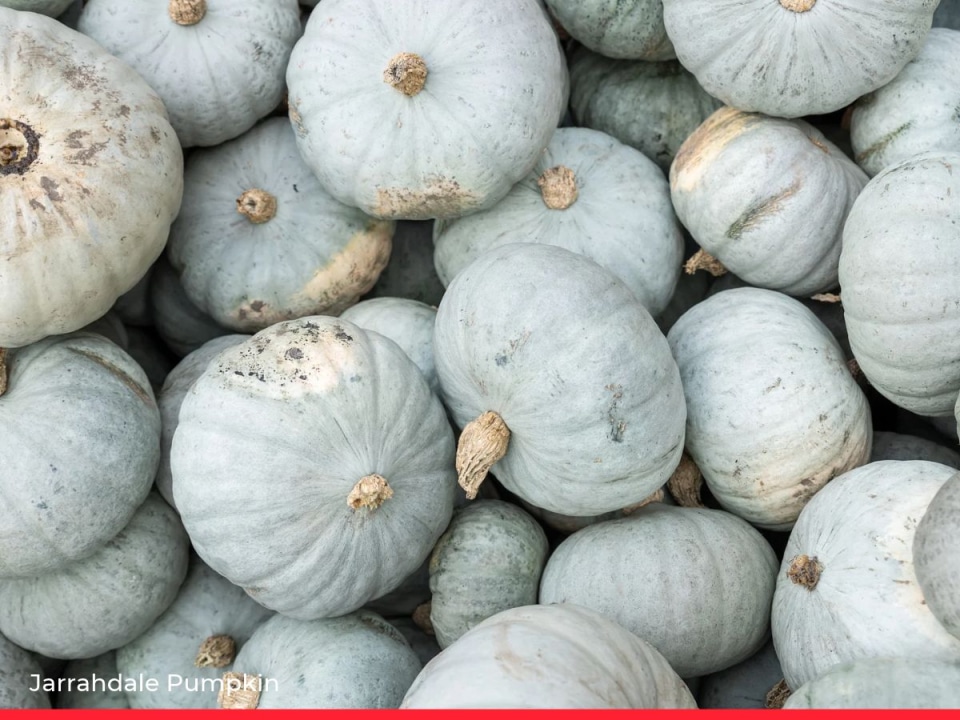
- Jarrahdale Pumpkin (Blue Pumpkin)
Best for: Roasted wedges, concentrated purées, soups, and pies.
Pairs well with: Brown butter, sage, cream, warming spices, and robust cheeses.
Originating in Australia, the Jarrahdale pumpkin is instantly recognizable by its striking slate blue-grey skin, prominent ribs, and unique silhouette. Beneath the striking exterior lies a dry, dense orange flesh characterized by a sweet, earthy flavor profile.
Jarrahdale stands out for its structural resilience; when cut into wedges and roasted, the flesh caramelizes without collapsing into mush. This quality makes it equally suited for rustic side dishes, dense purées, and traditional baking applications where moisture control is critical.
Summer Squash
- Zucchini
Best for: Grilling, sautéing, pasta, frittatas, and baking.
Pairs well with: Lemon, garlic, basil, Parmesan, and tomatoes.
Zucchini reigns supreme as the most adaptable summer squash in global cuisine. Characterized by its cylindrical shape and dark green skin, it offers a mild, versatile flavor profile that harmonizes with a broad spectrum of ingredients, from Mediterranean aromatics to rich dairy products.
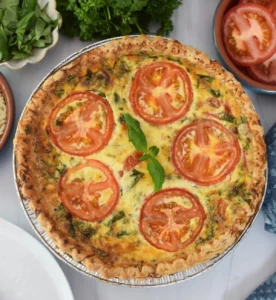
The primary technical challenge in cooking zucchini lies in its high water content. Professional kitchens frequently employ salting and draining techniques to eliminate excess moisture before incorporating the vegetable into tarts, quiches, pasta sauces, or grated quick breads.
- Yellow Squash (Straightneck and Crookneck)
Best for: Quick vegetable sides, grilling, and summer vegetable mixes.
Pairs well with: Corn, tomatoes, basil, butter, feta, and lemon.
Encompassing both straightneck and curved-neck (crookneck) cultivars, yellow summer squash shares a direct culinary lineage with green zucchini. While crookneck varieties often feature a slightly textured, bumpy skin, both types offer a tender rind and a mild, buttery flavor profile.
These squashes shine in quick, high-heat cooking methods such as sautéing and grilling. They pair naturally with other seasonal summer produce like sweet corn, ripe tomatoes, and fresh basil, making them a staple of warm-weather side dishes and vegetable medleys.
- Pattypan Squash
Best for: Stuffing, roasting, and grilling.
Pairs well with: Goat cheese, fresh herbs, lemon, breadcrumbs, and light cream sauces.
Instantly identifiable by its scalloped, flying-saucer morphology, pattypan squash occurs in vibrant shades of yellow, white, and pale green. Its flesh is delicate, crisp, and mildly sweet, with a texture that holds up well to roasting and direct heat.
The distinct shape lends itself exceptionally well to hollowed-out, stuffed presentations. Chefs frequently use small, tender pattypans as edible bowls filled with herb-infused breadcrumbs, soft cheeses, and aromatic vegetables, or slice them into medallions for grilling.
- Cousa Squash
Best for: Stuffed squash and gently simmered preparations.
Pairs well with: Rice, lamb, tomatoes, allspice, cinnamon, pine nuts, and mint.
Cousa squash represents a distinct group of short, pale green, tapered summer squashes prominently featured in Middle Eastern culinary traditions. While visually similar to a short zucchini, cousa possesses a thinner skin and a sweeter, more tender interior flesh.
Its primary claim to fame is its foundational role in kousa mahshi, a classic dish where the squashes are cored and stuffed with a spiced mixture of ground lamb, rice, and aromatic warm spices like allspice and cinnamon, then simmered slowly in a rich tomato broth until completely tender.

Market Implications and Consumer Trends
The growing culinary appreciation for heirloom and specialized squash varieties reflects broader shifts in consumer behavior toward agricultural diversity and seasonal eating. According to agricultural market analysts, demand for specialty squashes—particularly single-portion varieties like Honeynut and Delicata, as well as heritage European pumpkins like Musquée de Provence—has experienced steady year-over-year growth across farmers’ markets and specialty grocers.
This trend has driven agricultural producers to expand crop rotations beyond standard commodity pumpkins and zucchini, offering chefs and home cooks unprecedented access to global flavors. Fact-based market analysis indicates that this diversification not only supports agricultural biodiversity but also empowers culinary professionals to utilize local, sustainable ingredients across diverse seasonal menus. By matching the precise chemical and textural properties of each squash variety to its optimal cooking method, modern kitchens continue to elevate these humble gourds from seasonal novelties to culinary centerpieces.