As temperatures drop, the culinary focus across North America shifts toward comforting, nutrient-dense meals, with traditional Mexican soups emerging as a staple of seasonal home cooking. While international perception of Mexican cuisine is often dominated by tacos and burritos, the country’s gastronomic history is deeply rooted in sophisticated, slow-simmered soups that utilize regional produce, aromatic herbs, and complex flavor bases. The integration of these dishes into home kitchens is increasingly facilitated by a renewed emphasis on scratch-made stocks, which serve as the foundation for the diverse flavor profiles found in Mexican liquid-based dishes.

The Role of Traditional Stock in Modern Gastronomy
The foundation of any reputable Mexican soup is the stock, or caldo. Historically, Mexican kitchens relied on long-simmering processes that utilized the entire animal, resulting in collagen-rich, flavorful bases. In contemporary cooking, the shift toward homemade stocks has become a significant movement, as home chefs seek to avoid the high sodium content and artificial preservatives often found in mass-produced store-bought alternatives.
Data from recent culinary surveys indicate that home-prepared stocks, whether chicken or vegetable-based, can reduce sodium intake by up to 40% compared to commercial counterparts. Furthermore, the practice of creating stock from scraps—such as onion skins, celery ends, and roasted carcasses—aligns with the growing "zero-waste" movement in domestic kitchens. By utilizing nutritional yeast or roasted aromatics, home cooks are finding ways to replicate the deep umami flavor profiles previously only achievable through long-term commercial extraction.
Chronology and Evolution of Mexican Soup Varieties
The evolution of Mexican soup recipes has transitioned from regional, indigenous preparations to a standardized set of global favorites. The following categories represent the breadth of these traditions:
The Legume-Based Staples
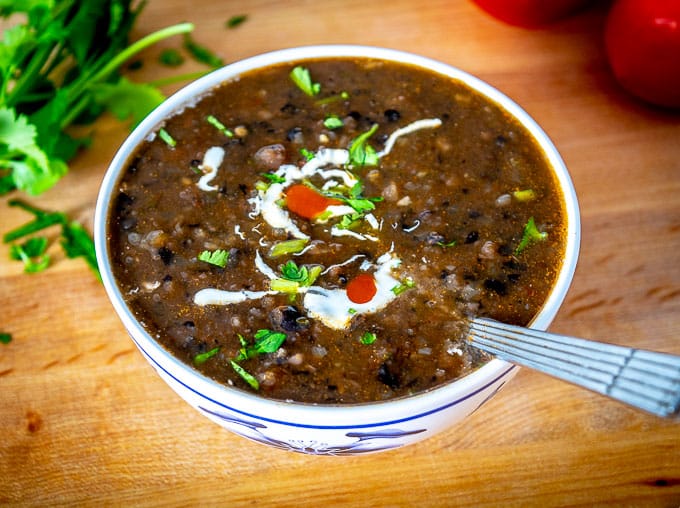
Mexican Bean Soup, whether prepared with black, pinto, or peruano beans, remains the most accessible entry point for home cooks. Historically, these beans were prepared in clay pots over open fires; however, modern pressure cookers and slow cookers have condensed the preparation time while retaining the essential fiber and protein content.

The Noodle Tradition: Sopa de Fideo
Sopa de Fideo is perhaps the most iconic example of comfort food in the Mexican household. This dish relies on a simple, vibrant base of pureed tomato, onion, and garlic. The technical innovation here involves the browning of thin, vermicelli-style noodles before adding the liquid, which imparts a toasted, nutty flavor profile to the final dish.
Meat-Forward Preparations: Albondigas
Albondigas soup, which features meatballs infused with fresh mint, highlights the Mediterranean influence on Mexican cuisine. This specific preparation is frequently cited by culinary historians as a reflection of the fusion of Spanish colonial techniques with indigenous herbs. The use of mint is a distinguishing factor, providing a cooling aromatic balance to the savory broth.

Analysis of Regional Ingredients and Flavor Profiles
A critical component of these soup varieties is the strategic use of capsicum. The Roasted Poblano Soup, for instance, serves as a case study in heat management. The poblano pepper, when roasted, undergoes a chemical transformation that converts starches into sugars, resulting in a depth of flavor that is distinct from the raw state.
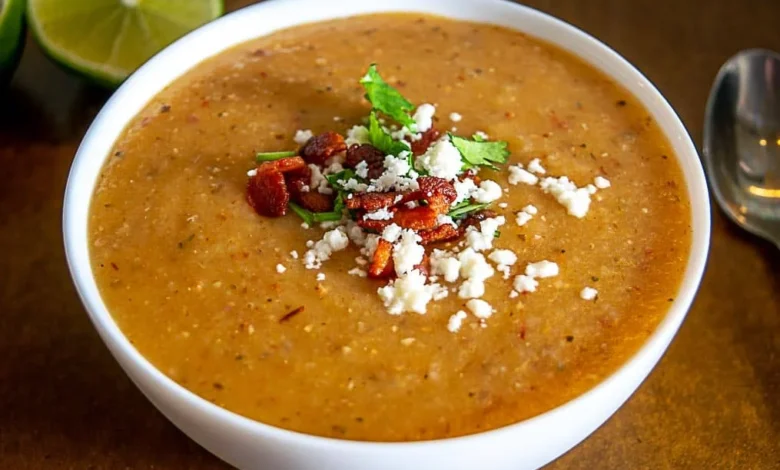
Market analysts note that the popularity of chipotle-based soups—such as the Potato Chipotle Soup with Bacon—has surged alongside the global demand for "smoky" flavor profiles. This aligns with a broader consumer trend toward bold, complex spices rather than simple, one-dimensional heat.

Nutritional and Economic Implications
The shift toward preparing these soups at home carries significant economic and health implications. A home-prepared batch of Mexican soup, utilizing pantry staples such as rice, beans, and potatoes, can cost as little as $1.50 per serving. Compared to the average price of a restaurant-grade specialty soup, which can range from $8 to $14 per bowl, the cost-saving potential is substantial.
From a nutritional perspective, these soups offer a balanced macro-nutrient profile. The combination of complex carbohydrates from potatoes or rice, plant-based proteins from beans, and the hydration provided by the broth makes these dishes an ideal candidate for meal planning. Dietitians frequently recommend these soups for their ability to maintain satiety while keeping caloric density manageable.

Addressing Common Culinary Challenges
Common difficulties reported by home chefs include the "thinness" of broth or the over-saturation of starch (specifically when cooking rice directly in the soup). Expert culinary advice suggests that the secret to a professional-grade finish lies in the final seasoning adjustments.
- The Salt Balance: If a soup lacks "punch," the issue is almost exclusively related to the salt level. The addition of small, incremental amounts of salt, adjusted at the end of the cooking process, can elevate the entire flavor profile.
- Acid Balancing: A dash of lime juice or a vinegar-based hot sauce can cut through the richness of heavier soups, such as those featuring cream or roasted fats.
- Texture Modulation: For soups utilizing rice, it is often more efficient to cook the rice separately and add it to the bowl just before serving. This prevents the grain from over-absorbing the liquid and turning the soup into a stew.
Industry Outlook: The Future of Home-Cooked Mexican Cuisine
As the culinary industry continues to prioritize transparency and ingredient sourcing, the "back to basics" approach to Mexican soup is expected to grow. The rise of digital resources and recipe-sharing platforms has allowed for the preservation of regional techniques that might otherwise have been lost to urbanization.

Furthermore, the environmental impact of shifting to vegetable-based stocks, enriched with nutritional yeast or roasted vegetable concentrates, suggests that these recipes are well-positioned for an eco-conscious consumer base. The versatility of these dishes—where one recipe can be adapted to accommodate whatever ingredients are currently in the pantry—positions them as the ultimate "crisis-proof" culinary repertoire.
Summary of Best Practices for the Home Kitchen
To successfully integrate these recipes into a weekly rotation, practitioners should focus on the following core principles:

- Prioritize the Foundation: Do not view the stock as a secondary ingredient. It is the primary vehicle for flavor.
- Embrace Flexibility: Mexican soup culture is inherently improvisational. The absence of a specific pepper or bean should not deter the cooking process; rather, it should encourage experimentation with substitutes.
- Garnish for Complexity: The use of fresh cilantro, crema, or crispy tortilla strips is not merely aesthetic. These additions provide the textural contrast and freshness required to balance long-simmered, savory broths.
By focusing on these twelve recipes and the underlying techniques of stock production and flavor balancing, home cooks can effectively bridge the gap between simple home cooking and the sophisticated traditions of authentic Mexican cuisine. As these soups remain a permanent fixture in the culinary landscape, their ability to provide both nutritional value and psychological comfort remains their greatest asset.