Cocadas (Coconut Candy): A Traditional Dominican Delicacy Bridging Cultural Heritage and Modern Culinary Arts

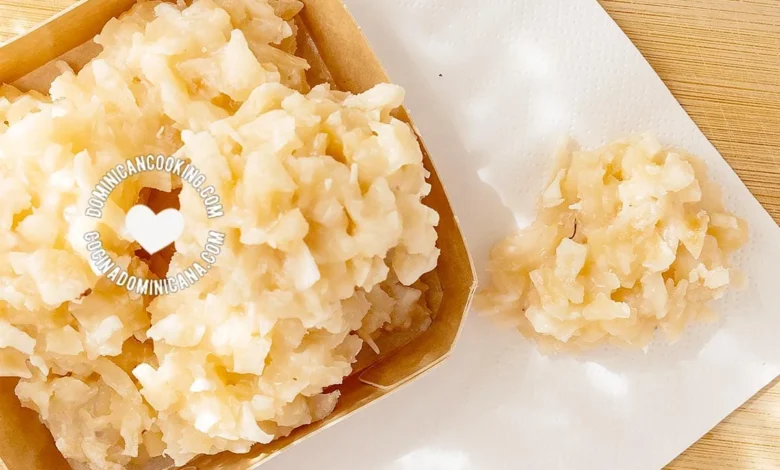
The global appetite for authentic, regional confectionery has experienced a significant resurgence, bringing traditional treats like the Dominican cocada into the international culinary spotlight. Long a staple of Caribbean culture, these dry coconut candies—traditionally displayed in giant glass jars on the counters of neighborhood colmados (corner stores) across the Dominican Republic—represent far more than a simple sweet. They embody a rich history of resourcefulness, agricultural heritage, and culinary preservation. Crafted from just a handful of basic ingredients, cocadas demonstrate how Caribbean households historically transformed abundant local produce into shelf-stable delicacies capable of lasting for weeks without refrigeration. As home cooks and professional pastry chefs alike seek out uncomplicated, naturally gluten-free treats, this traditional confection offers a compelling intersection of cultural storytelling and accessible gastronomy.
Historical Roots and Cultural Significance
The origins of the cocada are deeply intertwined with the agricultural history of the Caribbean, where the coconut palm (Cocos nucifera) has served as a fundamental pillar of local diet, economy, and culture for centuries. While variations of coconut-based sweets exist across Latin America, Spain, and the Philippines, the Dominican variant holds a distinct place in the nation’s culinary identity. Historically known in various regions as dulcitos de coco, coquitos, or cocadas secas, these flourless coconut mounds were born out of a necessity to preserve fresh tropical produce before the widespread availability of modern cooling technologies.
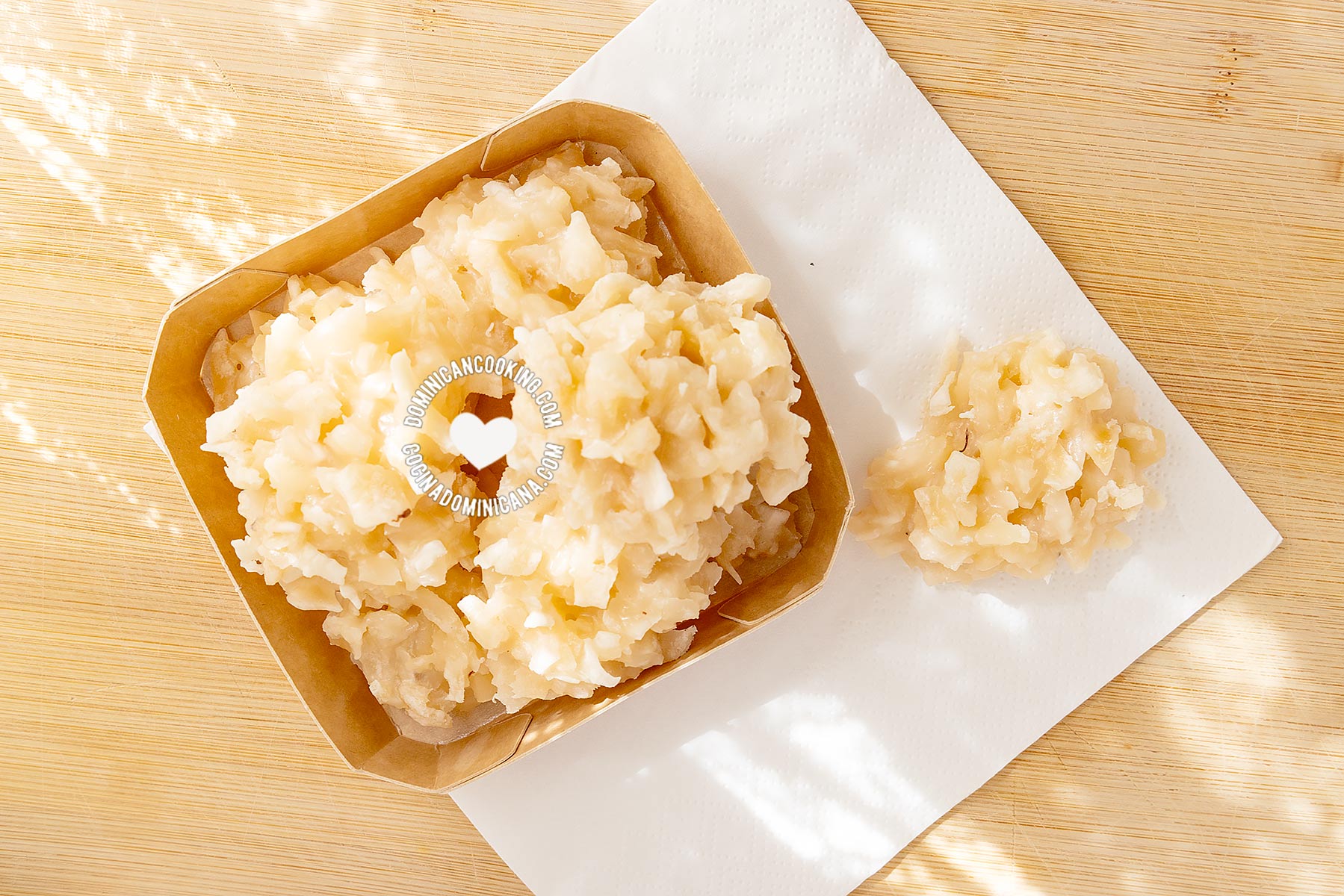
In the traditional Dominican household and community landscape, the colmado functions as a vital social hub. For generations, these local corner stores have featured prominently positioned glass jars filled with homemade cocadas, often tinted a vibrant shade of red using traditional food coloring to catch the eye of passersby. This direct, community-centered method of distribution embedded the candy deeply into the daily rhythms of Dominican life. Whether served as a sweet conclusion to a midday comida (the main meal of the day) or offered to visitors alongside a cup of locally grown coffee, the cocada has remained an enduring symbol of hospitality and simple indulgence.
Culinary Composition and the Science of Sugar Crystallization
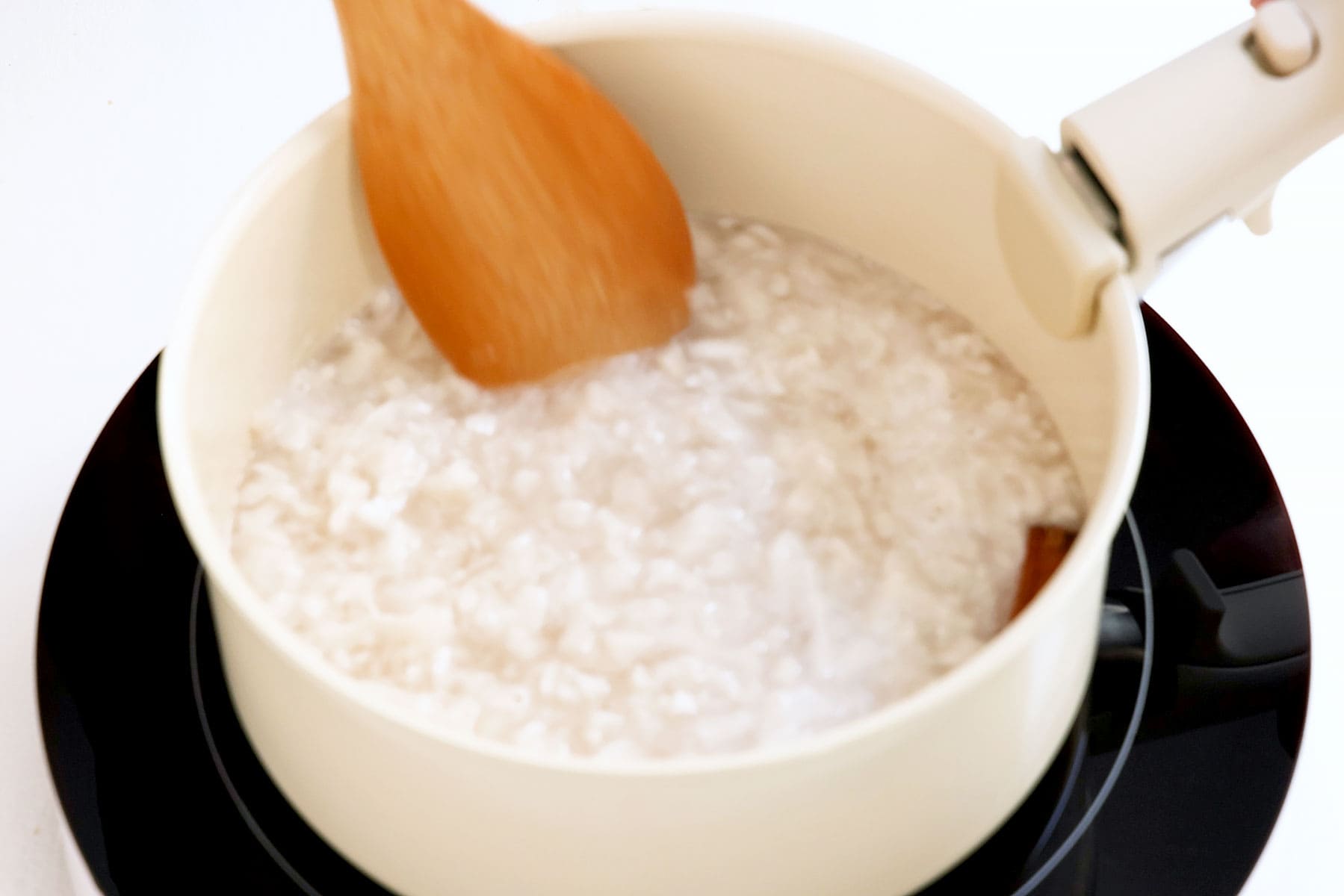
From a technical standpoint, the preparation of authentic Dominican cocadas appears deceptively simple, requiring only fresh shredded coconut, granulated sugar, water, and aromatic spices such as cinnamon. However, mastering the confection requires a precise understanding of sugar chemistry.
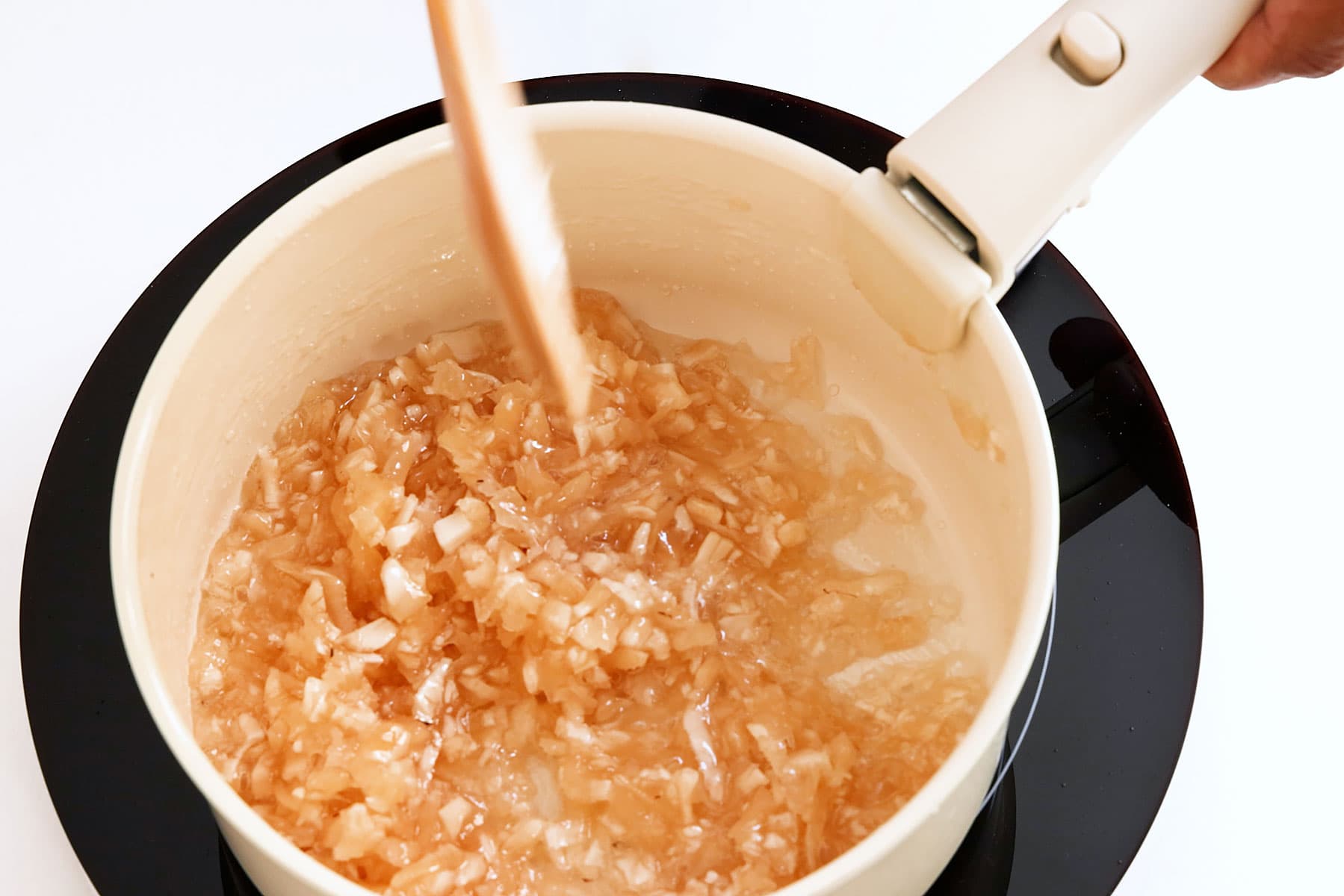
Culinary experts note that the primary technical challenge in crafting traditional cocadas lies in managing the reduction of sugar. Without proper technique, reducing sugar alongside moisture can easily yield a chewy caramel or a sticky paste rather than the desired texture. The objective is to achieve complete sugar crystallization, resulting in a distinctively crunchy exterior and a tender, flavorful coconut center without relying on flour, eggs, or complex binding agents.

Renowned culinary educator and recipe developer Clara Gonzalez, known to her followers as Tía Clara, emphasizes a specific methodological approach to guarantee success. By introducing a portion of the sugar toward the end of the cooking process, the mixture rapidly accelerates its crystallization phase. This technique prevents the confection from melting into a soft syrup and consistently produces the structurally sound, non-sticky texture characteristic of authentic island-style cocadas. Modern adaptations also allow for flexibility, giving cooks the option to omit traditional red food coloring in favor of the natural, rustic golden-brown tones achieved during the cooking and caramelization of the fresh coconut meat.
Nutritional Profile and Dietary Relevance
As contemporary consumers increasingly scrutinize the ingredient lists of commercial snacks, traditional sweets like cocadas offer a transparent and naturally wholesome alternative. Analysis of a standard single-serving portion (approximately one-sixth of a standard batch, weighing roughly 50 grams) reveals a calorie count of approximately 269 kilocalories.
Because the primary components are fresh coconut and sugar, the nutritional breakdown reflects the inherent properties of the tropical drupe:
- Carbohydrates: 38 grams, predominantly from natural fruit sugars and sucrose.
- Dietary Fiber: 4 grams, contributed directly by the fresh, coarsely grated coconut meat, which aids in digestion and provides a more sustained energy release than highly refined, fiber-depleted candies.
- Total Fat: 14 grams, consisting largely of medium-chain triglycerides (MCTs), specifically lauric acid, which is naturally abundant in coconut fat.
- Sodium and Minerals: A low sodium content of 105 milligrams, complemented by trace minerals such as potassium (117 milligrams), calcium, and iron.
Because cocadas contain no wheat flour, dairy derivatives, or artificial preservatives, they naturally align with the growing consumer demand for gluten-free and allergen-conscious snack options. Their inherent stability—maintaining optimal texture and flavor for weeks when stored properly in airtight containers—further enhances their appeal in an era focused on reducing food waste and embracing meal-prep efficiency.
Economic and Global Market Implications
The increasing visibility of regional Caribbean recipes on digital platforms highlights a broader economic and cultural shift in how culinary traditions are shared globally. Food blogs, video-recipe repositories, and social media channels have transformed localized treats into items of international culinary curiosity.
For the Dominican diaspora, preparing traditional dishes like cocadas serves as a vital cultural bridge, maintaining a connection to homeland traditions while living abroad. Simultaneously, for mainstream culinary enthusiasts, engaging with these recipes fosters cross-cultural appreciation and expands home-cooking repertoires beyond conventional Western baking standards. The low cost of production—utilizing inexpensive, accessible ingredients like whole coconuts and basic pantry staples—makes the recipe economically viable for households across diverse socioeconomic backgrounds, reinforcing the democratic appeal of traditional street and home-style foods.
Future Outlook and Preservation of Culinary Heritage
As culinary tourism continues to grow and digital connectivity breaks down geographic barriers, the preservation of authentic preparation methods becomes both an opportunity and a responsibility. Culinary historians and cultural preservationists stress the importance of documenting traditional techniques—such as hand-grating fresh coconut on the coarse side of a box grater rather than relying exclusively on heavily processed, unsweetened or sweetened desiccated coconut flakes—to maintain the structural integrity and authentic flavor profile of heritage dishes.
Ultimately, the enduring popularity of cocadas demonstrates that culinary excellence does not require elaborate equipment or exhaustive ingredient lists. By combining minimal components with precise traditional knowledge, this classic Dominican sweet continues to captivate new generations of cooks, securing its place not only in the glass jars of local colmados, but on dining tables around the world.