Mastering the Art of 15-Minute Vietnamese Shrimp Cakes with Crispy Rice Paper

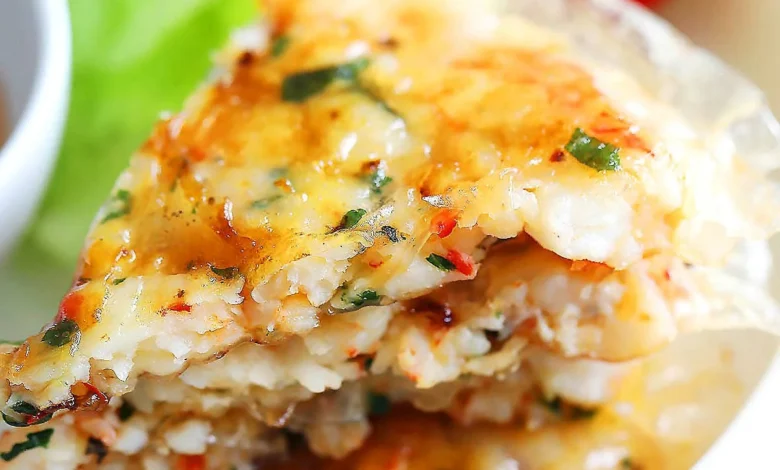
The global culinary landscape has long celebrated the complex, multi-layered textures of traditional Vietnamese street food, yet home cooks frequently encounter significant barriers when attempting to replicate authentic preparations in domestic kitchens. Among the most revered regional delicacies is Tau Hu Ky, traditionally composed of savory, spiced shrimp paste wrapped delicately in soybean curd sheets before undergoing deep-frying. Originating as a staple of street food culture and gaining immense popularity within diaspora communities—such as Little Saigon in Westminster, Southern California—this dish delivers a striking contrast between an ultra-crisp exterior and a succulent, bouncy seafood interior. However, the traditional deep-frying methodology presents persistent domestic hurdles, including excessive oil consumption, high heat splattering, lingering odors, and complex cleanup processes.
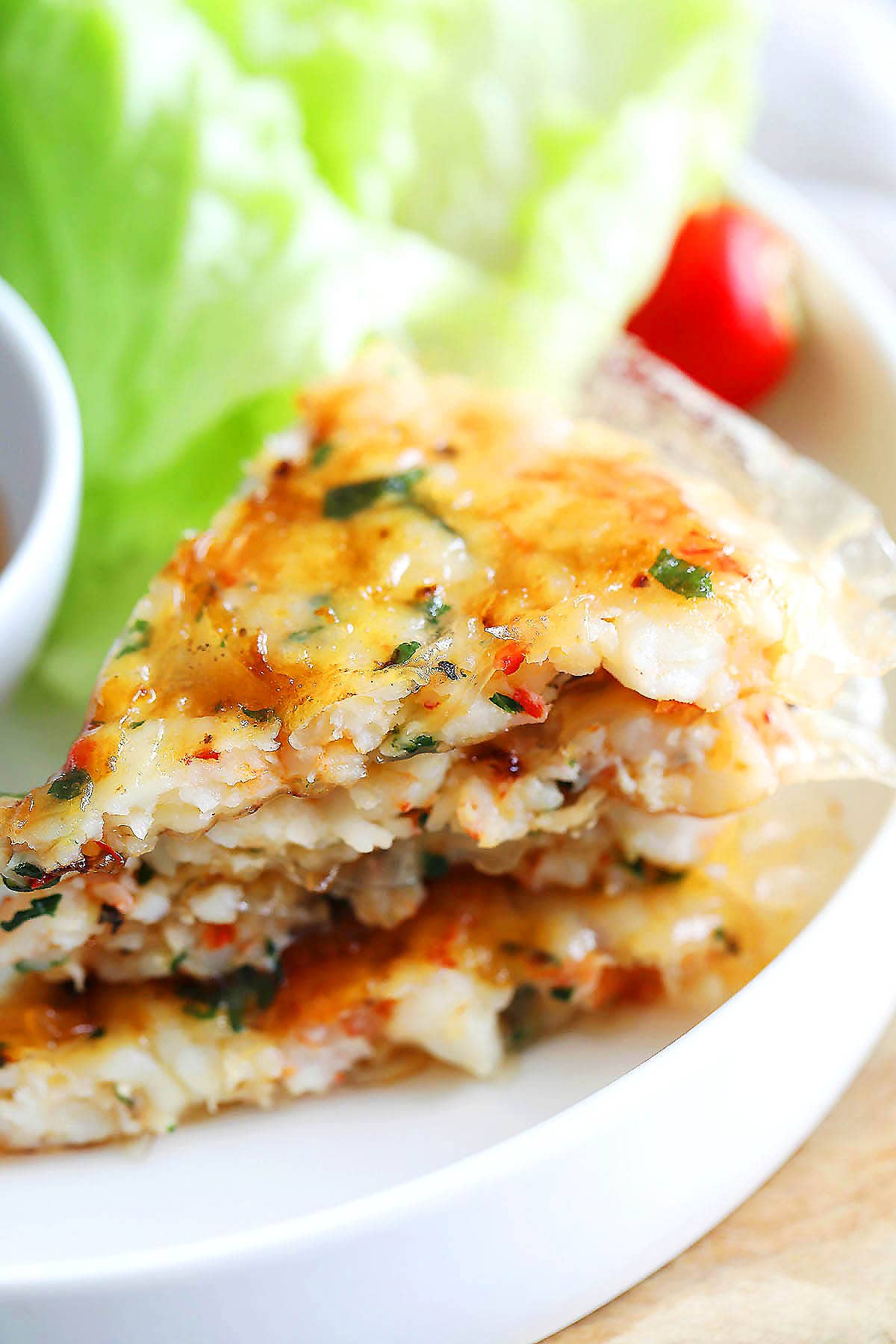
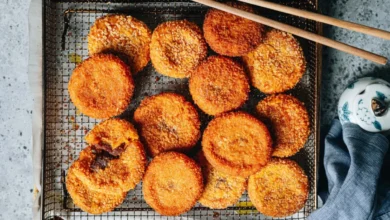
In response to these culinary challenges, modern recipe developers have introduced an innovative, streamlined adaptation that substitutes traditional soybean curd or heavy, flour-based batters with dry Vietnamese rice paper sheets (banh trang). This culinary evolution maintains the structural integrity and sensory appeal of the heritage dish while significantly reducing preparation time, fat content, and kitchen maintenance. By utilizing a shallow pan-frying technique requiring only a minimal amount of neutral cooking oil, home cooks can achieve a golden, shatteringly crisp exterior in roughly 15 minutes. The resulting dish bridges the gap between authentic Southeast Asian flavor profiles and contemporary weeknight efficiency, offering a practical pathway for global enthusiasts to explore complex Asian gastronomy without specialized culinary infrastructure.
Historical Context and Regional Variations of Vietnamese Seafood Cakes
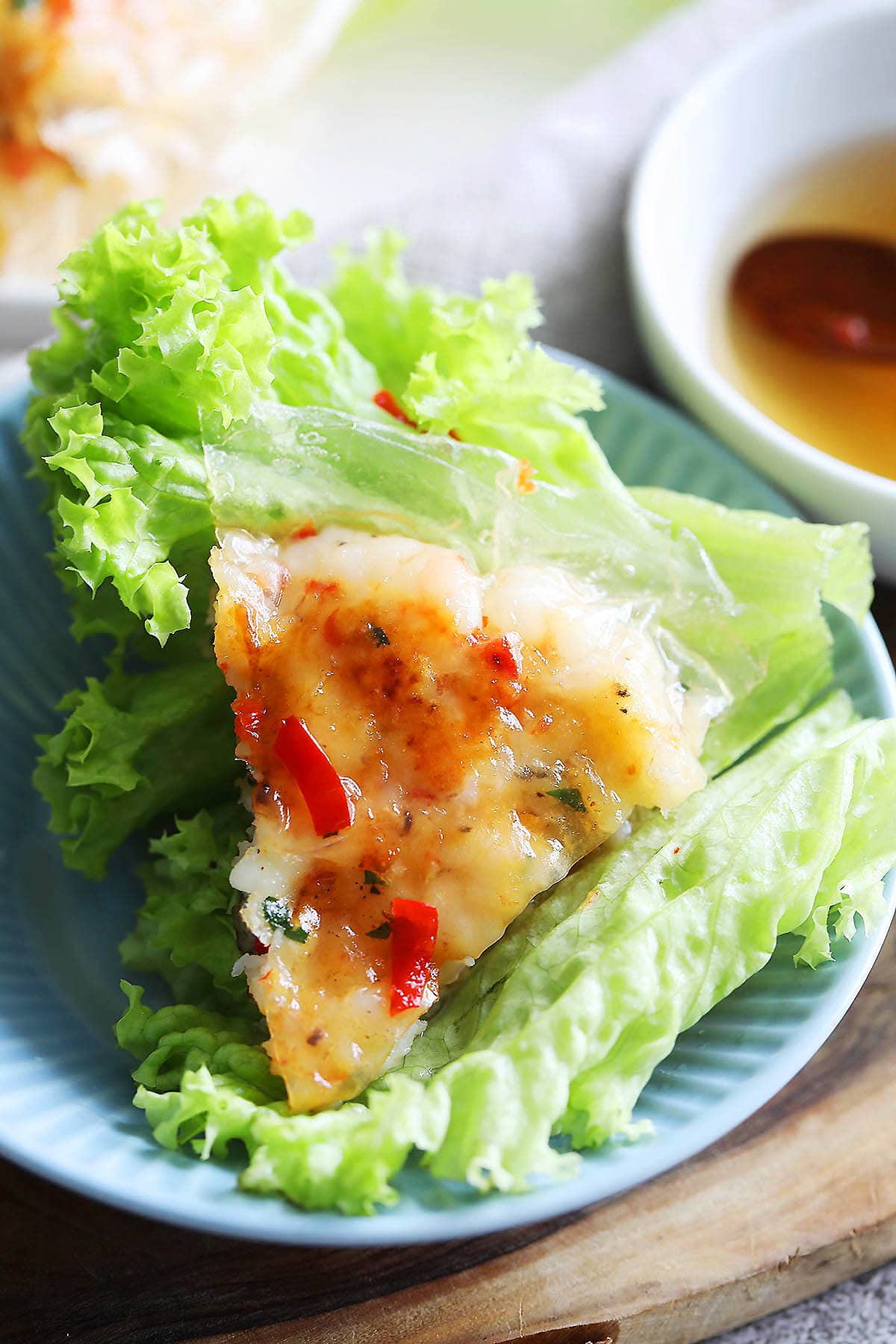
To fully appreciate the significance of this simplified rice paper adaptation, one must examine the diverse taxonomy of Vietnamese seafood preparations. Vietnamese cuisine heavily features minced seafood pastes bound by natural proteins rather than artificial binders, a technique deeply rooted in coastal traditions where fresh tiger prawns and white shrimp are abundant. Regional variations across Vietnam showcase distinct wrapping and cooking methods. For instance, Chao Tom involves molding seasoned shrimp paste around aromatic sugarcane sticks, which are then grilled or steamed before a final searing, infusing the seafood with subtle, natural sweetness.
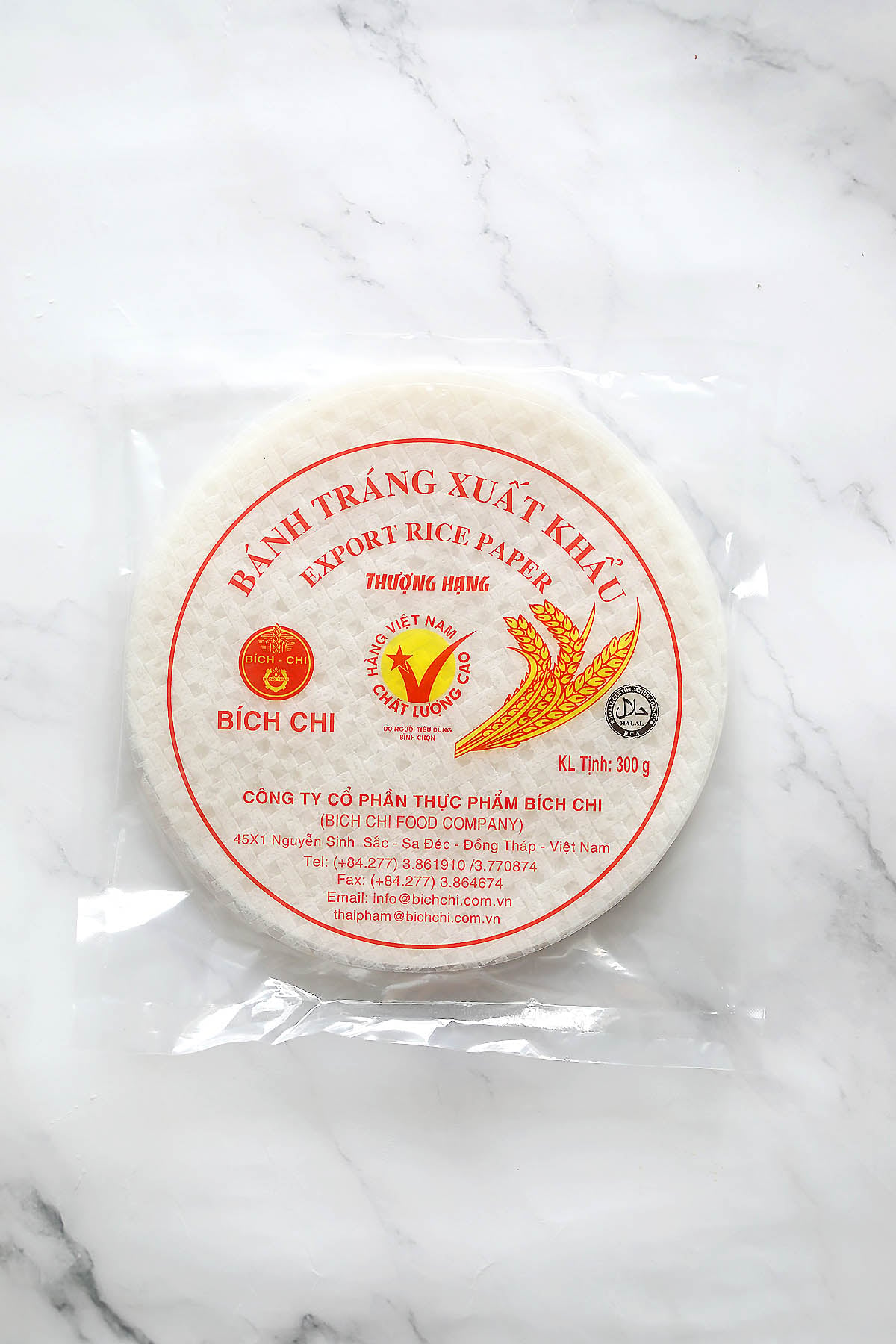
Conversely, Tau Hu Ky relies on bean curd skins derived from soy milk residue, imparting a rich, nutty flavor profile when fried. While these traditional methods yield exceptional results, they demand specialized ingredients—such as fresh sugarcane or delicate, non-fragile bean curd sheets—that are frequently unavailable in standard Western supermarkets. The introduction of dry rice paper as a structural envelope democratizes the dish. Rice paper, a ubiquitous pantry staple in Vietnamese households used primarily for fresh summer rolls (goi cuon) or fried spring rolls (nem ran), provides an accessible, durable medium that adheres tightly to seafood pastes. This cross-utilization of ingredients highlights the ingenuity of modern home cooking, adapting accessible dry-goods to emulate complex, artisanal street food specialties.
Anatomical Breakdown of Ingredients and Technical Selection
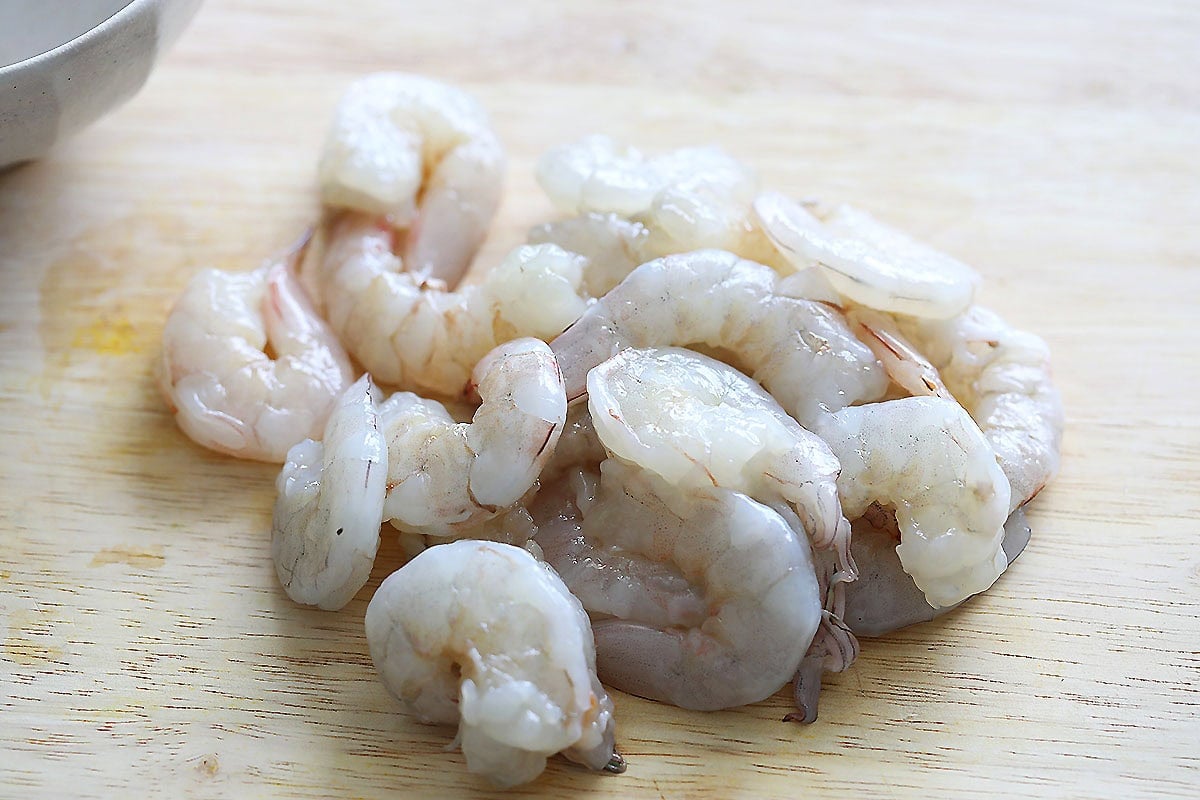
Achieving success with this 15-minute preparation relies heavily on ingredient selection and precise mechanical execution. Professional culinary standards dictate that the primary component—the shrimp—must be handled with rigorous attention to temperature and moisture control. Culinary experts strongly recommend utilizing fresh tiger prawns or wild white shrimp due to their superior natural sweetness and elastic, springy mouthfeel (cue). Frozen raw peeled shrimp serve as an acceptable alternative provided they undergo slow, overnight thawing in a refrigerator or a rapid 15-minute cold water immersion, followed by thorough pat-down drying using paper towels. Pre-cooked shrimp must be strictly avoided, as thermal processing denatures the proteins prematurely, resulting in a rubbery, dense texture that cannot form a cohesive paste.
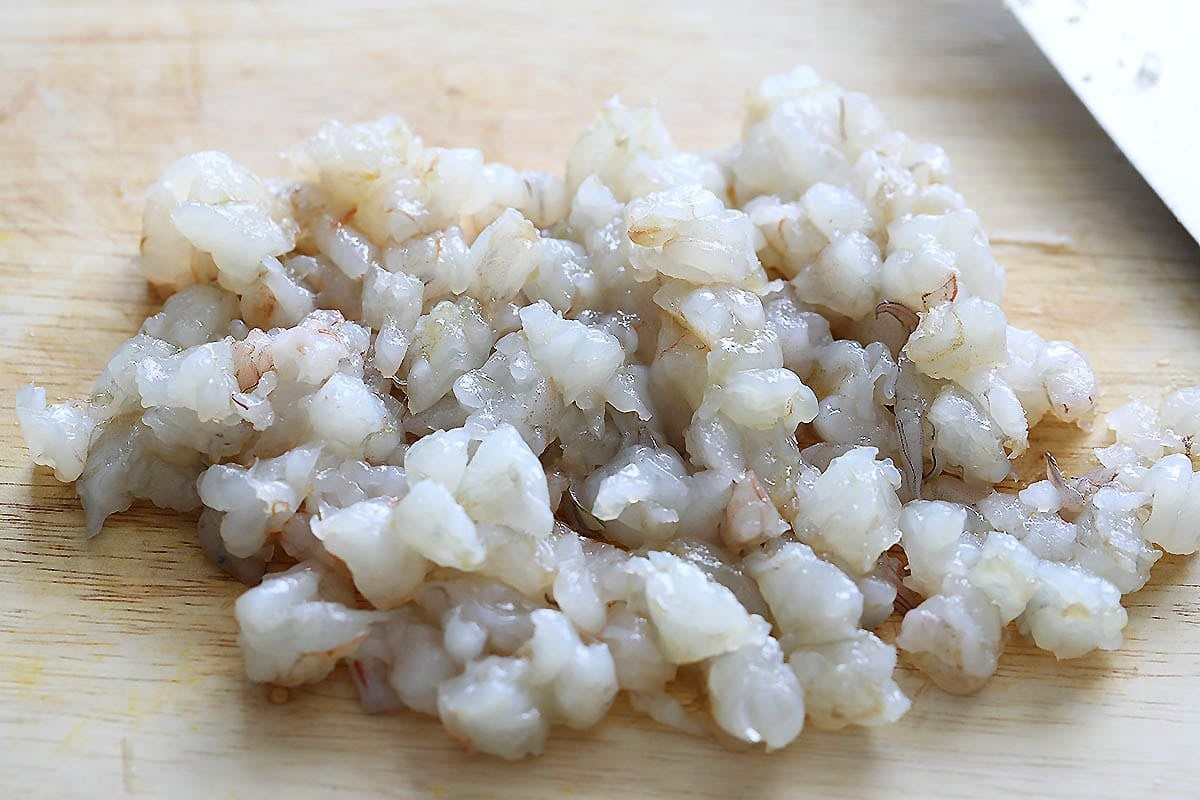
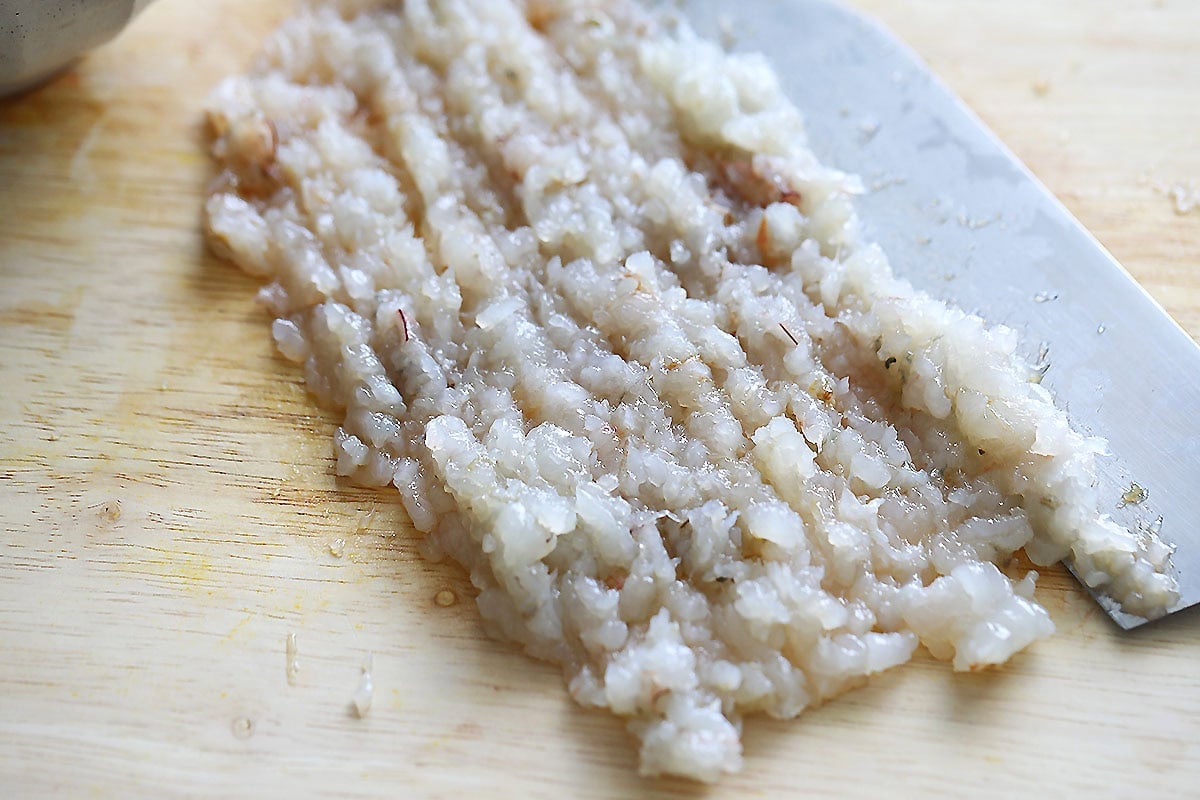
The binding agent in this recipe represents a masterclass in culinary physics. Rather than relying on extraneous additives such as egg whites or cornstarch, the recipe achieves structural cohesion through textural division. By finely mincing half of the shrimp volume into a sticky, gelatinous paste while coarsely chopping the remaining half into distinct pieces, the natural myosin proteins in the shrimp bind the mixture together autonomously.
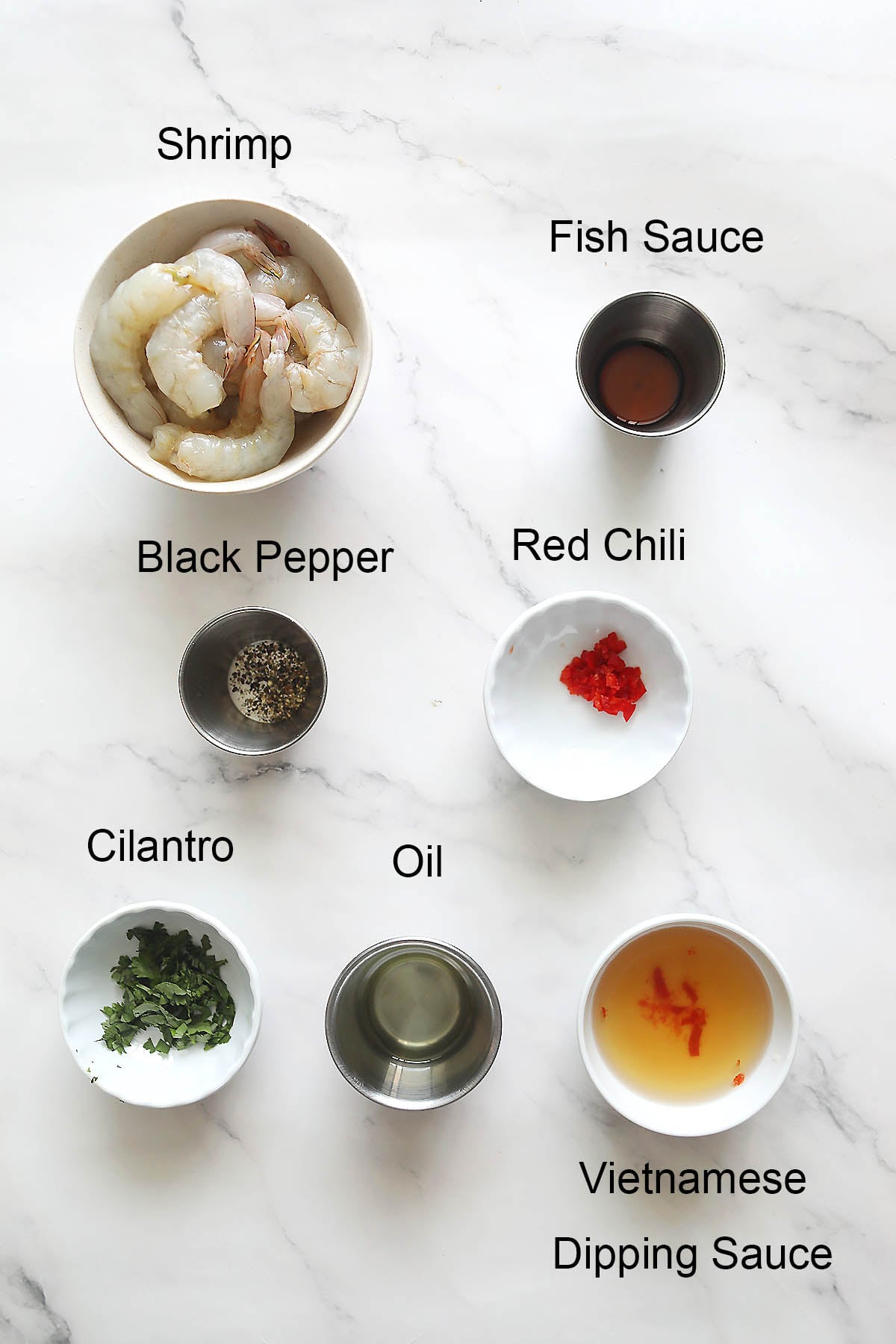
Flavor profiling relies on authentic foundational elements of Vietnamese cuisine. Fish sauce (nuoc mam), an indispensable umami catalyst, provides a deep, savory salinity that standard sodium chloride cannot replicate. Gastronomic authorities recommend premium commercial designations such as Red Boat or Three Crabs to ensure a clean, rounded flavor profile. Complementing the fish sauce are finely chopped red chilies for localized heat, fresh cilantro leaves for herbaceous brightness, and coarsely ground black pepper—or alternatively, white pepper for a sharper, more floral aromatic note—which punctuates the rich crustacean base with subtle warmth.
Step-by-Step Chronology of Preparation and Pan-Frying Execution
Executing this recipe efficiently requires a structured timeline that prioritizes moisture management and thermal regulation.
Phase One: Preparation of the Seafood Matrix
The operational workflow begins with the thorough desiccation of the thawed shrimp. Utilizing paper towels, the cook eliminates all surface moisture to prevent steam pockets from forming during cooking. The shrimp are subsequently divided. Half of the quantity is subjected to rigorous knife-mincing until a smooth, adhesive paste is achieved, while the remaining half is cut into small, uniform cubes to provide textural contrast.
Phase Two: Seasoning and Homogenization
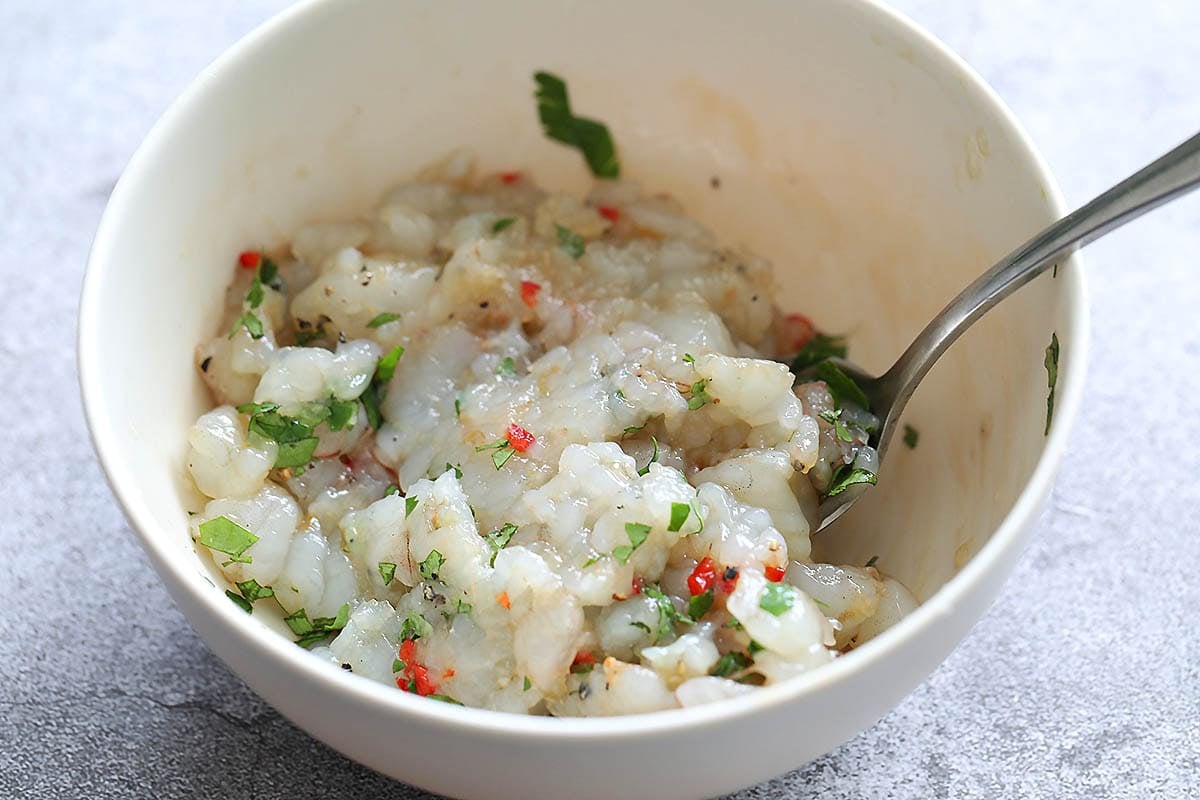
The minced paste and cubed shrimp are transferred to a mixing bowl, where they are amalgamated with premium fish sauce, black pepper, and chopped red chilies. Fresh cilantro is folded into the matrix gently at the final stage to prevent bruising, ensuring even distribution of botanical aromatics throughout the mixture.
Phase Three: Assembly and Encapsulation
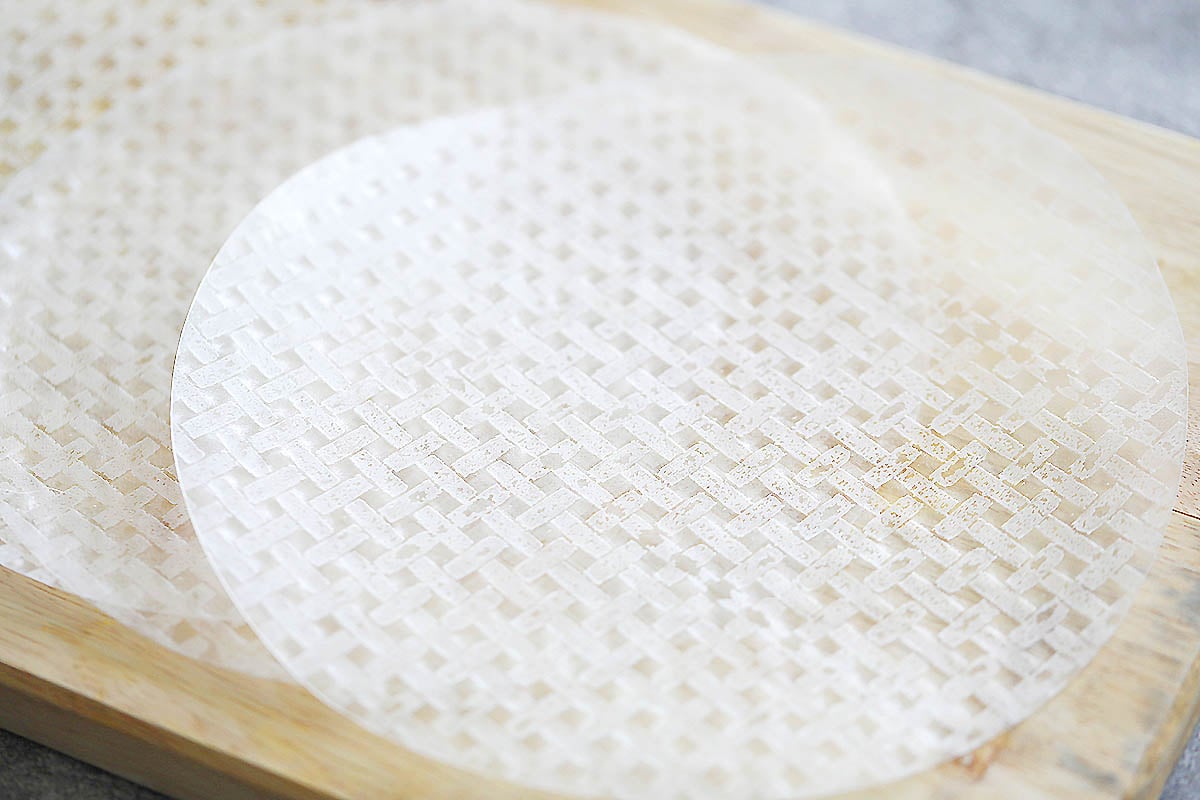
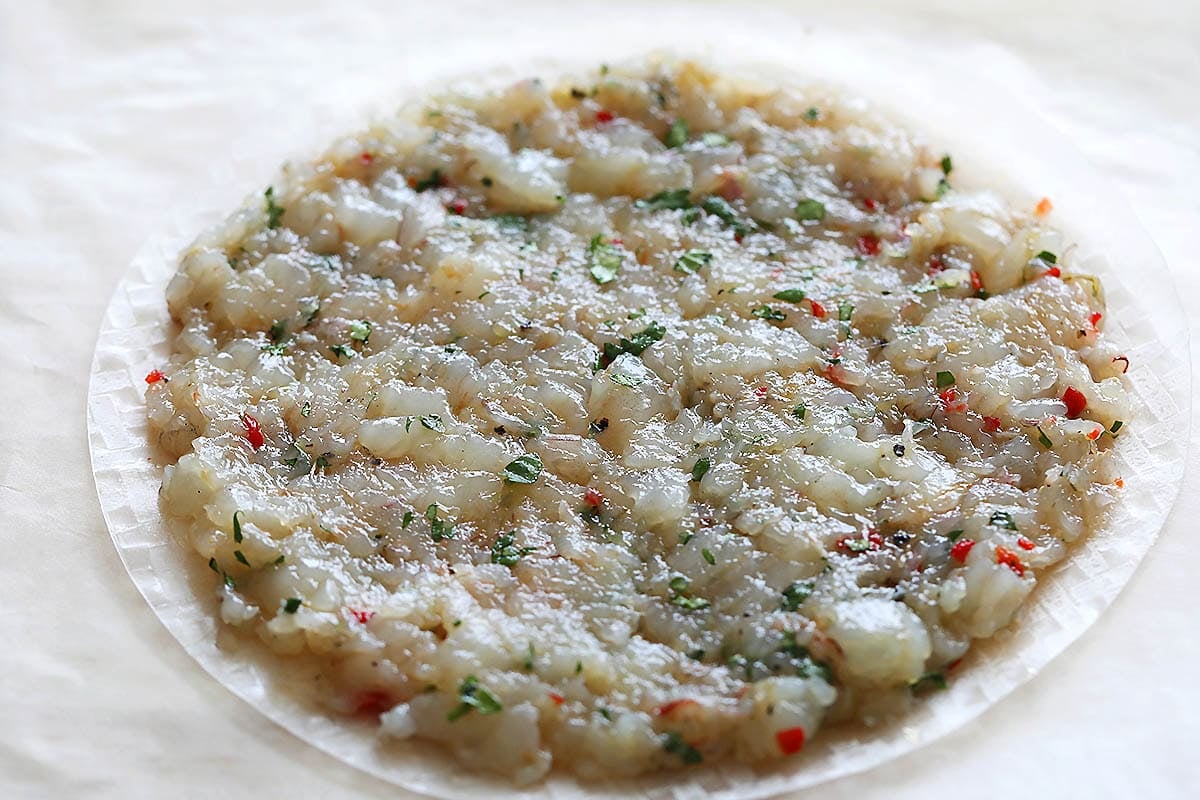
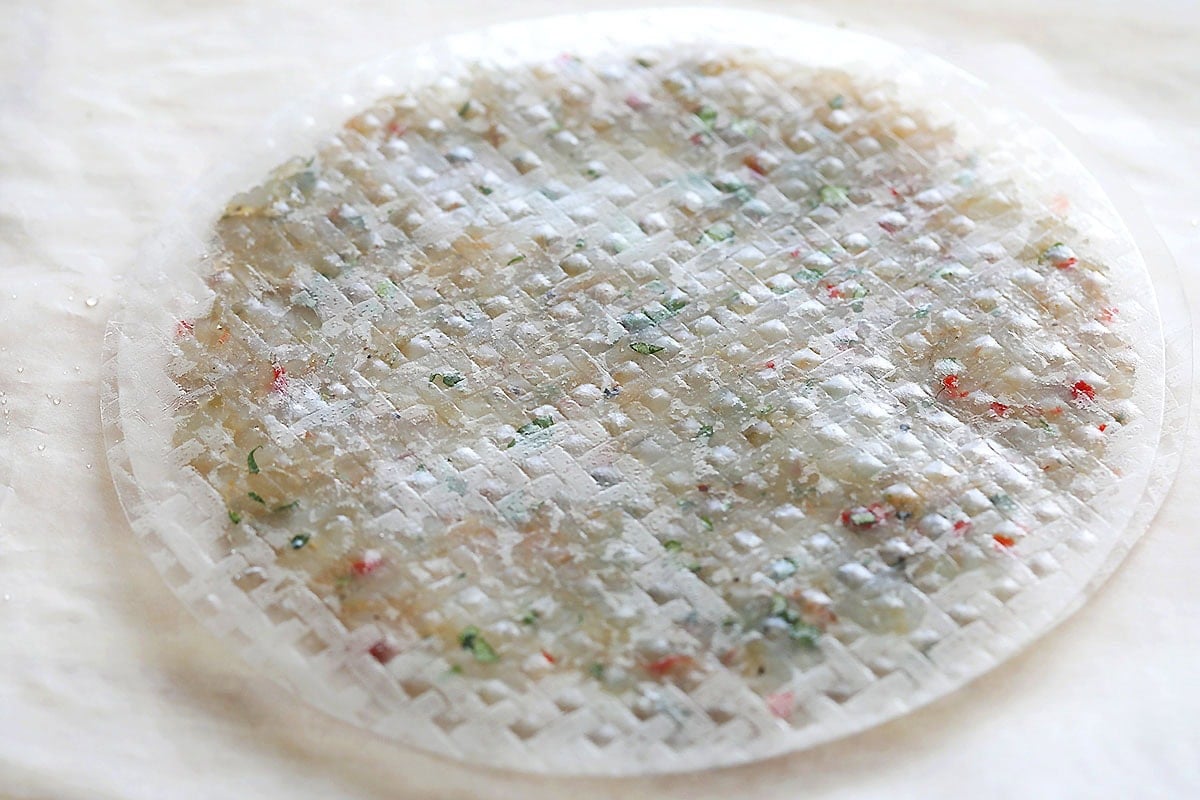
A single sheet of dry Vietnamese rice paper is placed upon a clean work surface with its rougher textural side facing upward. The seasoned shrimp mixture is transferred onto the sheet and spread into a remarkably thin, uniform layer using the back of a spoon. A crucial technical parameter during this stage is maintaining a strict one-centimeter clear border around the perimeter of the rice paper. Overfilling the center or extending the filling to the edge compromises the seal, leading to structural failure during cooking. A second sheet of rice paper is inverted and placed atop the filling, and the dry outer margins are firmly pinched together by hand to hermetically seal the seafood interior.
Phase Four: Thermal Processing
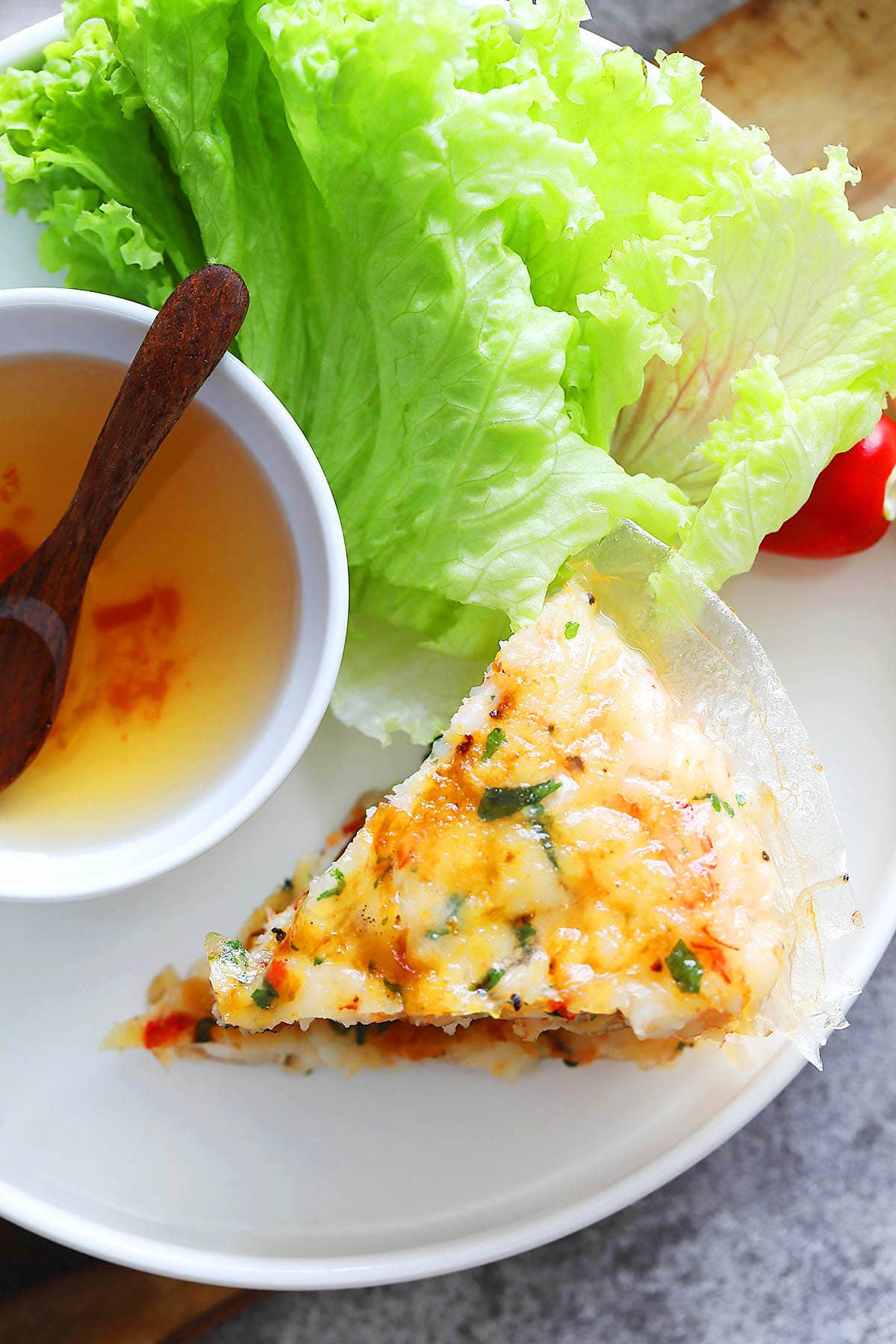
A wide skillet is charged with a thin film of neutral cooking oil and heated over medium flame. The assembled shrimp cake is carefully introduced into the hot fat. As the bottom layer of rice paper contacts the thermal energy, it transitions from opaque to translucent, accompanied by the formation of microscopic surface bubbles. Using a wide spatula, the cook executes a single, decisive flip, searing the reverse side until a light golden-brown hue is achieved throughout. The entire cooking process requires minimal active time, culminating in a finished product that is transferred to a cutting board and sectioned into eight neat, symmetrical wedges.
Nutritional Profile and Dietary Implications
From a nutritional standpoint, this streamlined shrimp cake offers a remarkably lean profile compared to its deep-fried counterparts. Analytical calculations indicate that a standard serving consisting of one wedge yields approximately 37 kilocalories, accompanied by 2 grams of carbohydrates, 7 grams of protein, and a minimal fat content of 0.2 grams (with negligible saturated fats). The high protein-to-calorie ratio stems directly from the crustacean base, making the dish an attractive option for health-conscious consumers seeking nutrient-dense protein sources without excessive lipid loads.
Furthermore, the cholesterol content registers at approximately 51 milligrams per slice, paired with 115 milligrams of sodium, largely attributable to the fish sauce seasoning. Because the pan-frying method utilizes only a fraction of the oil required for traditional immersion frying, the total caloric density and trans-fat exposure are kept to absolute minimums.
Troubleshooting, Alternative Cooking Methods, and Storage Protocols
While the pan-frying methodology yields optimal results, home cooks occasionally encounter technical setbacks that can be mitigated through adherence to established culinary troubleshooting guidelines.
Structural Integrity and Tearing
Instances of rice paper tearing or bursting during the cooking process are almost exclusively linked to excess moisture within the seafood paste or overstuffed filling layers. Ensuring that raw shrimp are completely desiccated prior to chopping and maintaining a thin, restrained filling profile eliminates this vulnerability.
Alternative Cooking Modalities: Air Frying
For individuals seeking an even lower fat profile, air frying serves as a viable alternative. By preheating an air fryer to 375°F (190°C) and cooking the assembled cake for 8 to 10 minutes—with a mandatory halfway flip and a generous surface oil spray on both sides—cooks can attain a comparable crispness. Standard oven baking, however, is strongly discouraged, as dry heat tends to desiccate the exterior rice paper wrapper into a tough, unpalatable texture before the interior seafood matrix has fully cooked.
Storage and Reheating Protocols
Due to the hygroscopic nature of rice paper—which rapidly absorbs ambient moisture—these shrimp cakes are best consumed immediately upon preparation. Storing assembled, uncooked cakes for extended periods causes the wrappers to soften and tear. However, fully cooked leftover wedges may be stored in an airtight container within a refrigerator for up to 48 hours. Reheating must be conducted in a dry skillet over medium heat for several minutes per side to restore the shatteringly crisp exterior texture. Microwave regeneration is strictly contraindicated, as it induces moisture redistribution that renders the rice paper soft, gummy, and rubbery.
Broader Industry Impact and Consumer Accessibility
The proliferation of simplified adaptations for traditional ethnic dishes like the Vietnamese shrimp cake reflects a broader democratization of global cuisine within domestic spaces. By systematically deconstructing complex street food techniques and replacing specialized, hard-to-source components with universally accessible pantry alternatives—such as transitioning from bean curd sheets to dry rice paper—culinary innovators empower broader demographics to engage with authentic international flavors. This trend not only supports cross-cultural culinary exploration but also aligns with contemporary consumer demands for rapid, efficient weeknight meal preparation that refuses to compromise on flavor, texture, or cultural integrity. As home cooking continues to evolve in an interconnected digital era, such accessible adaptations ensure that heritage recipes remain vibrant, dynamic, and enduringly relevant across diverse global kitchens.