
Sauteed Apples And Onions

The Ultimate Guide to Sauteed Apples and Onions: A Versatile Culinary Staple
Sauteed apples and onions, a seemingly simple combination, unlocks a world of culinary possibilities. This foundational dish, characterized by its sweet and savory balance, tender textures, and aromatic depth, serves as an exceptional side dish, a flavorful topping, and a key component in a myriad of main courses. Understanding the nuances of its preparation, from ingredient selection to cooking techniques, is paramount for achieving optimal results. The fundamental principle behind this dish lies in the Maillard reaction, the chemical process responsible for browning and developing complex flavors in food when subjected to heat, and caramelization, the browning of sugars in the apples and onions. Mastering these reactions through precise heat control and ingredient ratios transforms humble produce into a culinary triumph.
The success of sauteed apples and onions hinges significantly on ingredient quality. For apples, a balance of sweetness and tartness is ideal. Varieties such as Honeycrisp, Gala, Fuji, or Pink Lady offer a pleasing texture that holds its shape during cooking while providing a natural sweetness that complements the savory notes of the onion. Granny Smith apples, with their pronounced tartness, can also be used, but may require a touch more sweetener to achieve the desired flavor profile. The apple should be firm and free from bruising or soft spots, as these will negatively impact texture and flavor. For onions, yellow or sweet onions (like Vidalia or Walla Walla) are generally preferred due to their inherent sweetness and mild flavor. Red onions can be used, but their color may bleed into the dish, and their flavor can be more pungent, requiring a longer cooking time to mellow. White onions are also suitable but tend to be sharper. The key is to select onions that are firm, dry, and free of any green sprouts, which indicate staleness.
The cooking fat plays a crucial role in both flavor and texture. Butter is a classic choice, imparting richness and a slight nutty aroma as it browns. Unsalted butter allows for greater control over the final saltiness of the dish. Ghee, clarified butter, offers a higher smoke point and a more intense nutty flavor, making it excellent for achieving a deeper caramelization. Olive oil, particularly extra virgin olive oil, can contribute a fruity note, though its lower smoke point might require careful heat management. A neutral-flavored oil like canola or grapeseed oil is a good option if the goal is to let the flavors of the apples and onions shine without additional fatty notes. A combination of butter and oil is also a popular choice, as the oil raises the smoke point of the butter, preventing it from burning while still allowing for the rich flavor of butter.
The preparation of the ingredients is straightforward but requires attention to detail. Apples should be cored and sliced into uniform pieces, approximately ¼ to ½ inch thick. Wedges or half-moons are common cuts, ensuring even cooking. Leaving the peel on adds visual appeal and nutritional value, but if preferred, the apples can be peeled. Onions should be peeled and sliced thinly, about ¼ inch thick, or diced. Uniformity in slicing is crucial for ensuring that both apples and onions cook at a similar rate, preventing some pieces from becoming mushy while others remain undercooked. The amount of each ingredient can be adjusted based on personal preference, but a roughly equal ratio of apples to onions is a good starting point.
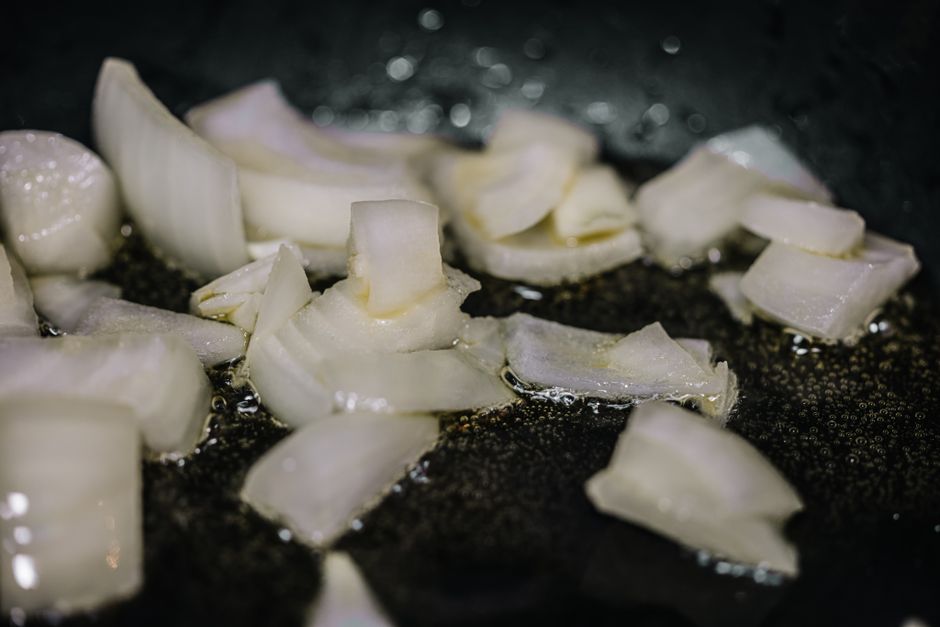
The cooking process for sauteed apples and onions involves several distinct stages, each contributing to the final flavor and texture. Begin by heating the chosen fat in a large skillet or frying pan over medium heat. Once the fat is shimmering, add the sliced onions. It is essential to cook the onions first, allowing them to soften and begin to caramelize before introducing the apples. This process can take anywhere from 5 to 10 minutes, depending on the heat and the thickness of the onion slices. Stir the onions frequently to prevent sticking and promote even browning. As the onions become translucent and develop a golden hue, they will release their natural sugars, contributing to the sweetness of the dish.
Once the onions have softened, add the sliced apples to the skillet. Increase the heat slightly to medium-high to facilitate the caramelization of the apples. Stir the apples and onions together, ensuring they are evenly distributed in the pan. The apples will begin to soften and release their juices. Cook, stirring occasionally, for another 10 to 15 minutes, or until the apples are tender but not mushy. The goal is to achieve a pleasant al dente texture, with a slight bite remaining. During this stage, the natural sugars in both the apples and onions will continue to caramelize, creating a rich, glossy coating on the ingredients.
Seasoning is a critical element in elevating sauteed apples and onions. Salt is essential for balancing the sweetness and bringing out the inherent flavors of the produce. A pinch of black pepper adds a subtle warmth and complexity. For added sweetness, a tablespoon or two of brown sugar or maple syrup can be incorporated, especially if tart apples are used or a sweeter profile is desired. The sugar will dissolve and contribute to the caramelization. A touch of cinnamon is a classic pairing with apples, adding a warm, aromatic spice. Nutmeg, allspice, or even a hint of ground ginger can also be used to create nuanced flavor profiles. For a more savory dimension, a splash of apple cider vinegar or balsamic vinegar towards the end of cooking can introduce a pleasant tang, cutting through the sweetness and adding brightness. A sprig of fresh thyme or rosemary, added during the last few minutes of cooking, can infuse the dish with herbaceous notes.
The versatility of sauteed apples and onions is what makes it such a valuable recipe. As a side dish, it pairs exceptionally well with pork dishes, particularly pork chops, pork tenderloin, and roasted pork loin. The sweetness of the apples and onions complements the richness of the pork, creating a harmonious flavor combination. It also serves as an excellent accompaniment to roasted chicken, turkey, or duck. The natural sugars in the dish create a glaze that enhances the savory notes of poultry. For a vegetarian or vegan meal, sauteed apples and onions can be served alongside roasted vegetables, grilled halloumi, or plant-based sausages.
Beyond its role as a side dish, sauteed apples and onions excel as a topping. Spread generously on a grilled cheese sandwich, it transforms a simple classic into something extraordinary. The combination of gooey cheese, sweet apples, and savory onions is a delightful textural and flavor contrast. It makes a fantastic topping for burgers, adding a gourmet touch to a backyard barbecue. Piled high on hot dogs, it offers a sophisticated alternative to traditional condiments. It can also be used as a topping for pizzas, flatbreads, or even savory tarts.
In main courses, sauteed apples and onions can be incorporated directly into recipes. They add sweetness and moisture to meatloaf, stuffing, or casseroles. When folded into mashed potatoes, they introduce pockets of sweet and savory flavor. They can be a core component of a hearty stew or a rich gravy. For those who enjoy a sweet and savory breakfast, sauteed apples and onions are a natural fit for omelets, frittatas, or as a topping for pancakes or waffles.
To achieve optimal caramelization, it is important to avoid overcrowding the pan. If the skillet is too full, the ingredients will steam rather than sauté, hindering the browning process. Cook in batches if necessary, and keep the first batch warm while cooking the second. The moisture released by the apples and onions will help deglaze the pan, lifting any flavorful browned bits from the bottom, which contribute to the overall depth of flavor.
Storage and reheating are also important considerations. Leftover sauteed apples and onions can be stored in an airtight container in the refrigerator for up to 3-4 days. They can be reheated gently on the stovetop over low heat or in a microwave. Be mindful that reheating may soften the apples further. Freezing is not generally recommended, as the texture of the apples can become mushy upon thawing.
Variations on the classic sauteed apples and onions abound, allowing for endless culinary exploration. Adding a pinch of red pepper flakes can introduce a subtle heat that beautifully contrasts with the sweetness. Smoked paprika can impart a smoky depth. A splash of Worcestershire sauce or soy sauce can add umami and complexity. For a touch of richness, a knob of cream cheese or a tablespoon of heavy cream can be stirred in at the end of cooking to create a more decadent sauce. Nuts, such as chopped pecans or walnuts, can be added during the last few minutes of cooking for a delightful crunch and nutty flavor. Dried cranberries or raisins can also be incorporated for an extra burst of sweetness and chewiness.
For those mindful of dietary restrictions, modifications are easily made. To make it vegan, use a plant-based butter or oil and omit any dairy additions. The sweetness can be enhanced with agave nectar or coconut sugar. For a low-carb option, focus on using only onions and perhaps a smaller portion of low-glycemic apples, or opt for a less sweet variety and rely on savory seasonings.
The SEO potential of this article is derived from its comprehensive nature, targeting keywords such as "sauteed apples and onions recipe," "how to cook apples and onions," "best apples for sauteing," "onion and apple side dish," "pork chop topping," "burger topping recipe," and "caramelized apples and onions." By providing detailed instructions, ingredient suggestions, and numerous serving ideas, this article caters to a wide range of culinary searches. The emphasis on techniques like caramelization and the Maillard reaction adds depth for more experienced cooks. The inclusion of variations and dietary considerations further broadens its appeal. The organized structure, with clear headings and actionable advice, makes it easily scannable and informative for readers seeking to master this fundamental dish. The intrinsic appeal of the combination, promising a balance of sweet and savory, also drives interest. Ultimately, this article serves as an authoritative resource for anyone looking to create delicious and versatile sauteed apples and onions.


