
Alaskan Cod And Shrimp With Fresh Tomato

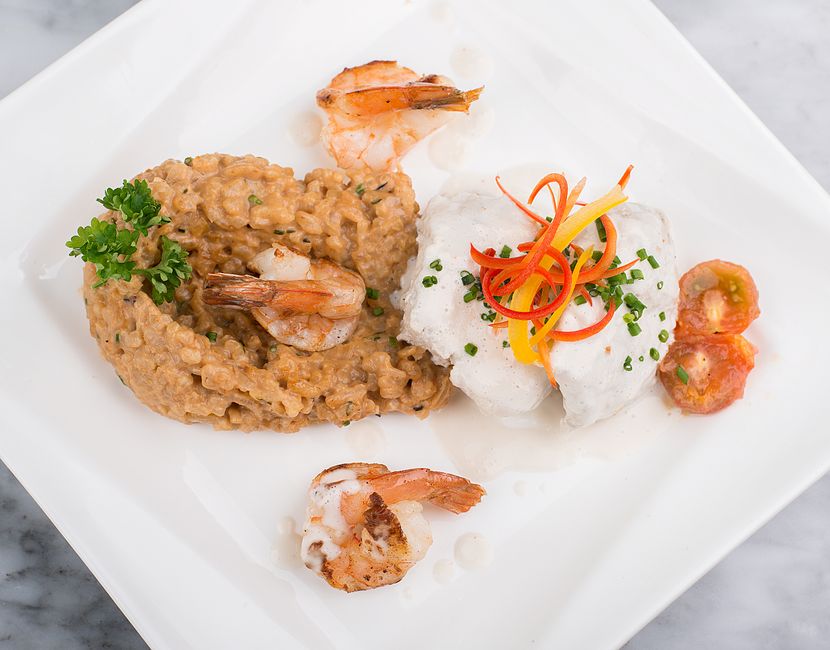
Alaskan Cod and Shrimp with Fresh Tomato: A Culinary Exploration of Sustainable Seafood and Vibrant Flavors
Alaskan cod (Gadus macrocephalus) and Pacific white shrimp (Pandalus borealis) represent two cornerstones of sustainable and highly sought-after seafood from the pristine waters of Alaska. The Alaskan cod fishery, managed by the National Oceanic and Atmospheric Administration (NOAA) Fisheries, is renowned for its rigorous conservation measures, ensuring long-term health and abundance of this commercially important groundfish. This commitment to sustainability translates into a product of exceptional quality, characterized by its firm texture, mild flavor, and flaky white flesh. Similarly, Alaska’s pink shrimp fishery, often referred to as Northern shrimp, also adheres to strict management protocols, emphasizing responsible harvesting practices. These shrimp, known for their sweet, delicate flavor and succulent texture, are a testament to the biodiversity and health of Alaskan marine ecosystems. The combination of these two premium ingredients, Alaskan cod and shrimp, with the vibrant acidity and sweetness of fresh tomatoes, creates a dish that is both nutritionally rich and remarkably flavorful, highlighting the inherent quality of these sustainable seafood staples. The omega-3 fatty acids present in both cod and shrimp contribute significantly to cardiovascular health, while the lean protein offers a satisfying and healthy dietary option. The natural sweetness of the shrimp complements the mild, slightly buttery notes of the cod, and the acidity of the tomatoes acts as a palate cleanser and flavor enhancer, cutting through the richness and bringing all the elements together in a harmonious culinary experience. This article will delve into the unique characteristics of Alaskan cod and shrimp, explore their sustainable sourcing, and provide a comprehensive guide to preparing them with fresh tomatoes, focusing on techniques that maximize flavor and showcase the quality of the ingredients.
The geographical location and environmental conditions of Alaska play a pivotal role in the development of its exceptional seafood. The cold, nutrient-rich waters of the North Pacific and Bering Sea create an ideal habitat for both cod and shrimp populations. These frigid temperatures slow the growth of fish, resulting in denser muscle tissue and a more pronounced flavor profile. For shrimp, the cold water contributes to their sweet taste and firm texture. The Alaskan fishing industry operates under some of the most stringent regulations in the world, overseen by bodies like the Alaska Department of Fish and Game and the North Pacific Fishery Management Council. These regulations encompass catch limits, fishing seasons, gear restrictions, and observer programs, all designed to prevent overfishing and minimize bycatch. The Marine Stewardship Council (MSC) certification is frequently awarded to Alaskan fisheries, a globally recognized standard for sustainable fishing. Consumers can often find MSC-certified Alaskan cod and shrimp, providing an additional layer of assurance regarding their environmental responsibility. The sustainability of these fisheries is not merely an environmental concern; it is intrinsically linked to the economic viability of coastal Alaskan communities and the long-term availability of these valuable food resources. Understanding the origin and responsible management of Alaskan cod and shrimp enhances appreciation for the dish, connecting the consumer to the vital ecosystems and dedicated efforts that bring these ingredients to the table. The traceability of Alaskan seafood further empowers consumers, allowing them to make informed choices and support businesses committed to ethical practices.
Alaskan cod, a member of the Gadidae family, is a large, bottom-dwelling fish prized for its versatility in the kitchen. The flesh is lean, with a moisture content that makes it susceptible to drying out if overcooked. However, when prepared correctly, it offers a delicate, slightly sweet flavor that pairs beautifully with a wide array of accompaniments. Its flaky texture makes it ideal for baking, pan-searing, poaching, and frying. The mildness of cod allows it to absorb marinades and sauces without being overpowered, making it a perfect canvas for the vibrant flavors of fresh tomatoes. The sustainable harvesting of Alaskan cod typically involves trawling or longlining, with strict measures in place to reduce interactions with non-target species. Different species of cod exist, but the most prevalent commercially in Alaskan waters is the Pacific cod. Its nutritional profile is impressive, offering high-quality protein, vitamin B12, selenium, and phosphorus, while being relatively low in fat and calories. The clean, unpolluted waters of Alaska contribute to the purity of the cod, free from many of the contaminants found in seafood from more industrialized regions. This inherent purity translates directly into a cleaner, more refined taste.
Pacific white shrimp, often sourced from the cold, deep waters of the Gulf of Alaska, are small to medium-sized crustaceans known for their delicate sweetness and firm, succulent texture. Unlike some farmed shrimp, Alaskan shrimp are wild-caught and their populations are carefully managed to ensure sustainability. The primary species harvested are Northern shrimp (Pandalus borealis) and Sidestripe shrimp (Pandalus jordani). The cold-water environment is crucial for their development, contributing to their superior flavor and texture. When cooked, they turn a characteristic pink hue, and their natural sweetness is a hallmark of their quality. Shrimp are a fantastic source of lean protein, selenium, iodine, and vitamin B12. Their rapid cooking time makes them a convenient ingredient, but they are also prone to becoming rubbery if overcooked. The sustainability of Alaskan shrimp fisheries is a testament to dedicated management efforts, including seasonal closures and spatial management to protect spawning grounds and juvenile shrimp. The minimal environmental footprint associated with their harvesting, often using selective gear, further underscores their sustainable credentials. The inherent sweetness of these shrimp is a natural flavor enhancer, requiring minimal seasoning to shine.
Fresh tomatoes, the vibrant counterpoint to the oceanic bounty of Alaskan cod and shrimp, provide essential acidity, sweetness, and a burst of freshness. The type of tomato chosen can significantly influence the final flavor profile. Heirloom tomatoes, with their diverse shapes, colors, and intense flavors, can add complexity. Cherry tomatoes or grape tomatoes, when halved or quartered, offer concentrated sweetness and a pleasing pop. Ripe, in-season standard slicing tomatoes will also work effectively, providing a good balance of acidity and juiciness. The key is to use tomatoes at their peak ripeness, ensuring maximum flavor and sweetness. Tomatoes are rich in lycopene, an antioxidant, and provide vitamins C and K, as well as potassium. When cooked, tomatoes release their sugars, creating a naturally sweet and savory base that complements seafood exceptionally well. The acidity of the tomatoes helps to cut through any richness from the cod or any added fats, brightening the overall dish and enhancing the natural flavors of the seafood. Their versatility allows them to be incorporated in various ways: diced and sautéed, roasted to intensify their sweetness, or incorporated into a fresh salsa-like topping. The natural pigments in tomatoes, like carotenoids, also contribute visually to the dish, creating an appealing and appetizing presentation.
The preparation of Alaskan cod and shrimp with fresh tomatoes offers a multitude of culinary avenues. A simple yet elegant approach involves pan-searing or baking the cod and then gently poaching the shrimp in the same pan with the tomatoes. Begin by searing the cod fillets until golden brown on both sides and cooked through. Remove the cod and add diced fresh tomatoes, garlic, and a splash of white wine or seafood broth to the pan. Allow the tomatoes to soften and release their juices, creating a light sauce. Gently add the shrimp to the pan, cooking just until they turn pink and opaque. The residual heat from the pan will finish cooking the shrimp. Plate the cod and top with the tomato and shrimp mixture. Seasoning is crucial, but should be done judiciously to avoid overpowering the delicate flavors of the seafood. Fresh herbs like basil, parsley, or oregano can be added towards the end of cooking to impart their aromatic qualities. A squeeze of fresh lemon juice just before serving can further enhance the brightness of the dish.
Another compelling preparation method involves creating a robust tomato base by roasting the tomatoes. Halve or quarter cherry tomatoes, toss with olive oil, salt, pepper, and perhaps a pinch of red pepper flakes, and roast at a moderate temperature until they begin to caramelize and intensify in flavor. While the tomatoes are roasting, pan-sear the cod. Once the cod is cooked, remove it from the pan. In the same pan, add the roasted tomatoes, their accumulated juices, and the poached shrimp. Allow the shrimp to cook through in the tomato mixture. This method yields a deeper, more concentrated tomato flavor. The slow roasting process concentrates the natural sugars in the tomatoes, creating a delightful sweetness that pairs exquisitely with the mild cod and sweet shrimp. This preparation also allows for the incorporation of other aromatics like shallots or capers, adding layers of complexity to the dish.
For a lighter, fresher take, a raw or lightly cooked tomato salsa can be prepared. Finely dice ripe tomatoes, red onion, jalapeño (optional, for heat), cilantro, and a squeeze of lime juice. Season with salt. Pan-sear or bake the cod and quickly sauté the shrimp. Serve the cod and shrimp alongside or atop the fresh tomato salsa. This preparation emphasizes the raw, vibrant flavors of the ingredients and is particularly refreshing in warmer weather. The textural contrast between the flaky cod, the succulent shrimp, and the crisp salsa is highly appealing. The lime juice in the salsa not only adds brightness but also helps to slightly "cook" the shrimp if they are incorporated into the salsa for a ceviche-like effect, though caution is advised with raw seafood.
When considering sourcing, prioritize purchasing Alaskan cod and shrimp from reputable suppliers who can provide information on their sustainability certifications and origins. Look for labels that indicate MSC certification or other recognized sustainable seafood programs. The freshness of the tomatoes is equally important; opt for ripe, firm tomatoes with good color. The combination of responsibly sourced seafood and peak-season produce ensures a dish that is not only delicious but also ethically and environmentally sound. The economic benefits of supporting sustainable fisheries extend to the communities that depend on these resources, creating a positive ripple effect from ocean to table.
Nutritionally, Alaskan cod and shrimp with fresh tomatoes present a balanced and healthy meal. The lean protein content aids in satiety and muscle repair. The omega-3 fatty acids found in fatty fish like cod are crucial for brain health and reducing inflammation. Shrimp, while leaner than some other seafood, still provides beneficial nutrients. The tomatoes contribute vitamins, minerals, and antioxidants. This dish is naturally gluten-free and can be adapted to be dairy-free and low-carb, making it suitable for a variety of dietary needs. The focus on whole, unprocessed ingredients underscores the inherent health benefits. The fiber from the tomatoes adds to the digestive health benefits, making this a complete and wholesome meal.
In conclusion, Alaskan cod and shrimp, when paired with fresh tomatoes, offer a culinary experience that celebrates sustainability, quality ingredients, and vibrant flavors. The rigorous management of Alaskan fisheries ensures the long-term health of these marine ecosystems, while the inherent deliciousness of the seafood, enhanced by the bright acidity and sweetness of ripe tomatoes, creates a dish that is both satisfying and nourishing. Understanding the origin and responsible sourcing of these ingredients elevates the dining experience, connecting us to the pristine waters of Alaska and the dedication to preserving them for future generations. The simplicity of preparation often belies the complexity of flavor, making this a universally appealing dish for home cooks and discerning diners alike. The visual appeal, with the pearly white cod, pink shrimp, and ruby-red tomatoes, is as enticing as the taste, promising a delightful and healthful meal.


