A Culinary Triumph: Black Pepper Tofu Emerges as a Plant-Based Champion

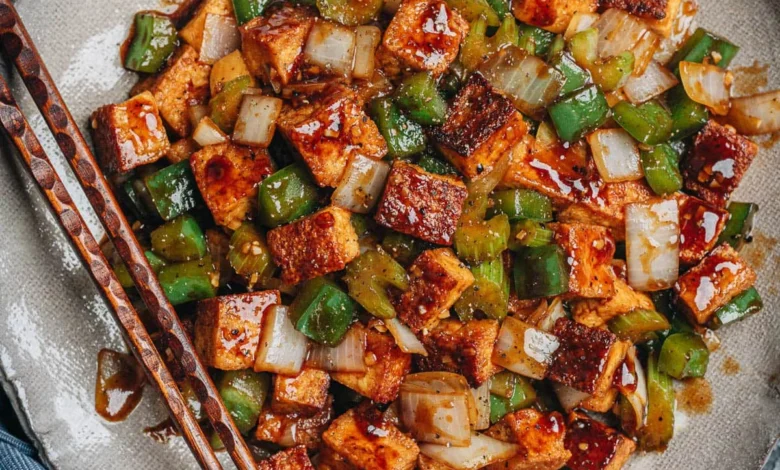
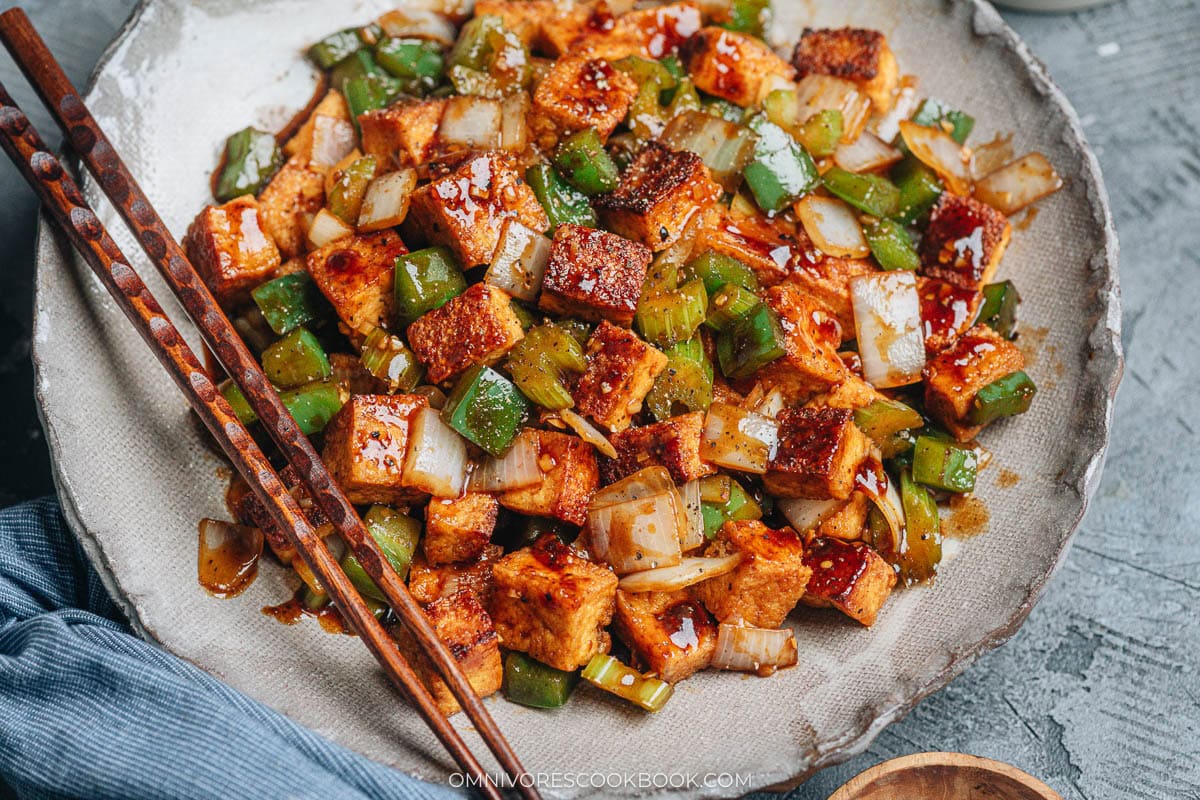
For years, the culinary landscape has seen a steady rise in plant-based options, with many aiming to replicate the satisfying textures and robust flavors traditionally associated with meat dishes. Among these innovative creations, black pepper tofu has emerged as a standout, consistently winning over even the most devoted meat enthusiasts. This versatile dish, characterized by its small, pan-fried tofu squares boasting a golden, slightly chewy exterior, is tossed with a medley of crisp vegetables in a rich, glossy brown sauce. The sauce’s foundation lies in the potent kick of black pepper, complemented by the savory depth of soy sauce and a subtle hint of sweetness, creating a flavor profile that is both complex and utterly delicious.
The development of this particular black pepper tofu recipe addresses a common challenge faced by home cooks: the desire for healthy, flavorful meals on busy weeknights. Its creator, a seasoned culinary artist with years of experience, highlights its universal appeal. "My best friend is not usually a tofu person, but she actually requests this one," the author shares, attributing the dish’s success to its compelling texture. This emphasis on texture is crucial; pan-frying the tofu until it achieves a delightful golden crust while maintaining a tender interior offers a satisfying mouthfeel that often eludes softer tofu preparations. This textural contrast is key to its ability to convert even tofu skeptics.
The entire process of preparing this flavorful dish is remarkably efficient, typically coming together in under 20 minutes with minimal preparation. The method involves a straightforward sequence: pan-frying the tofu, cooking the vegetables in the same skillet, and then incorporating a pre-mixed sauce. The star ingredient, black pepper, is best utilized when freshly ground, lending its full aromatic potency to the dish. Served steaming hot over fluffy rice, this black pepper tofu represents an easy, yet deeply satisfying, dinner solution.
The Anatomy of Flavor: Ingredients and Preparation
The recipe meticulously divides its components into two distinct groups: the sauce and the stir-fry elements. This organization facilitates a streamlined cooking process, particularly for those seeking efficiency in the kitchen.
The Sauce: A Symphony of Savory Notes
The sauce is the heart of this dish, a carefully balanced blend designed to coat every morsel with rich flavor. Key ingredients include:
- Light Soy Sauce: Provides a foundational salty and umami base.
- Dark Soy Sauce: Contributes a deeper, more complex color and a nuanced savory depth.
- Shaoxing Wine: A crucial element in Chinese cooking, adding a distinct aromatic complexity and subtle sweetness.
- Freshly Ground Black Pepper: The undisputed star, delivering its characteristic pungent heat and aroma. The author stresses the importance of freshly ground pepper, as pre-ground varieties can lose their potency over time.
- Sugar: Balances the saltiness and adds a touch of sweetness, rounding out the flavor profile.
- Vegetable Bouillon: Enhances the overall savory notes of the sauce.
- Water: Used to achieve the desired sauce consistency.
- Cornstarch: Acts as a thickening agent, transforming the liquid mixture into a glossy glaze that clings beautifully to the tofu and vegetables.
The Stir-Fry Components: Texture and Color
The accompanying ingredients are chosen for their ability to complement the tofu and absorb the flavorful sauce:
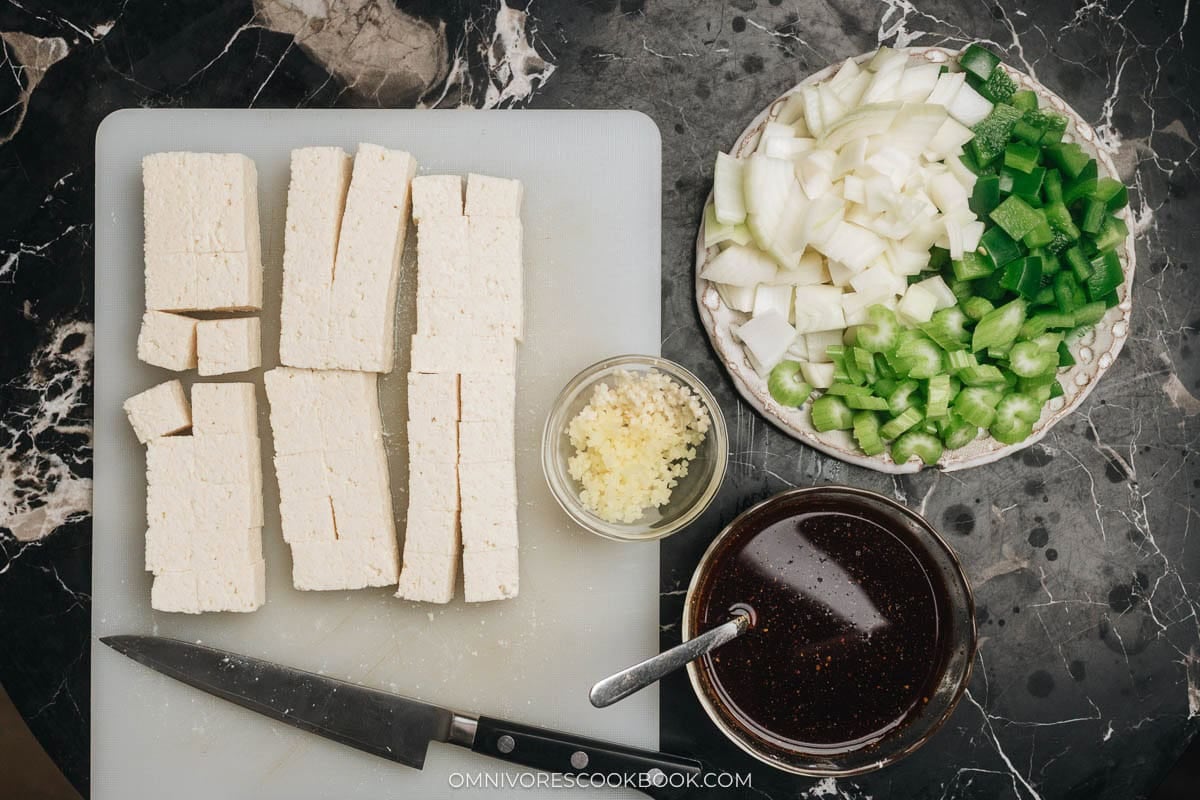
- Extra-Firm Tofu: Cut into small squares and meticulously patted dry. This step is paramount for achieving the desired crispy exterior.
- Garlic and Ginger: The aromatic foundation of many stir-fries, providing pungent and zesty notes.
- White Onion: Adds a mild sweetness and a pleasant crunch when lightly cooked.
- Bell Pepper: Contributes vibrant color and a crisp texture.
- Celery: Offers a refreshing crunch and a slightly vegetal note that balances the richness of the sauce.
The combination of these vegetables provides a visually appealing and texturally diverse counterpoint to the golden tofu.
The Art of Execution: Step-by-Step Culinary Mastery
The preparation of black pepper tofu follows a logical and efficient sequence, designed for maximum flavor and minimal fuss.
1. Harmonizing the Sauce:
The initial step involves combining all the pre-portioned sauce ingredients in a small bowl. This allows the flavors to meld while the cook prepares the other components. The mixture is then set aside, ready to be introduced at the opportune moment.
2. Achieving Tofu Perfection:
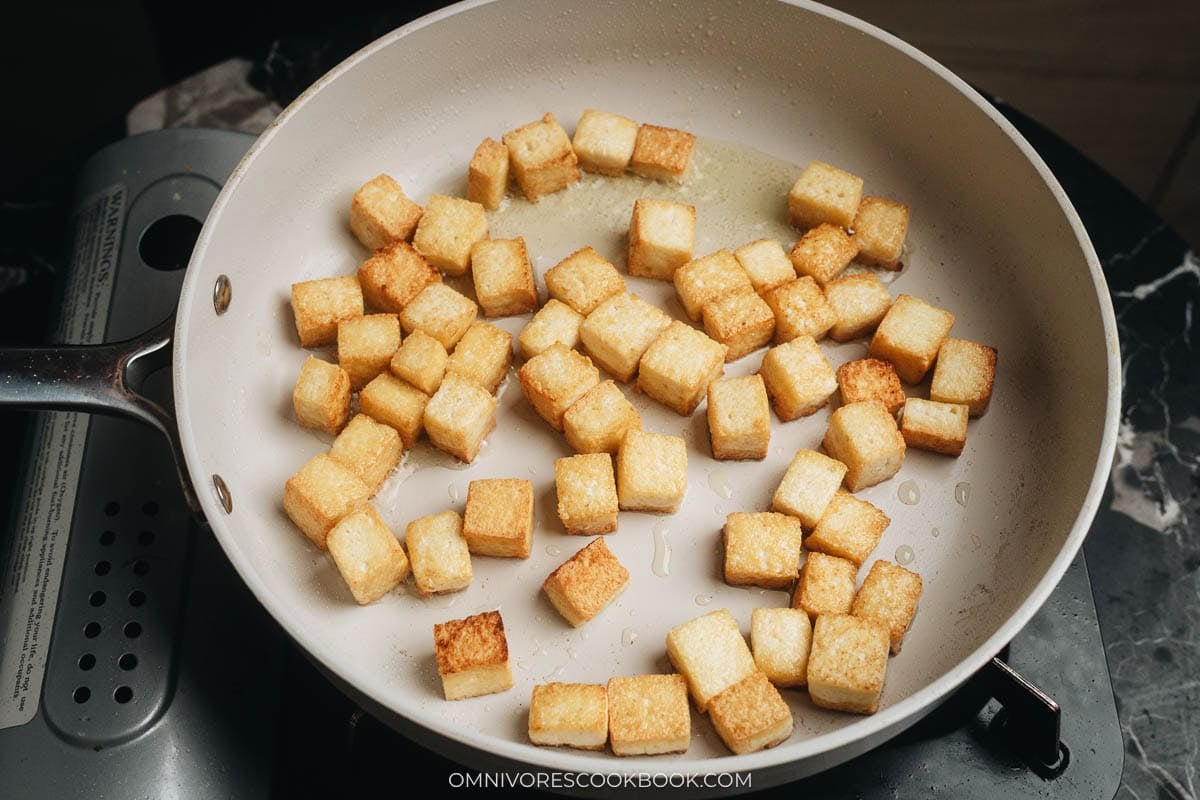
The process begins by heating a generous amount of oil in a large skillet over medium-high heat. The tofu squares are then carefully placed in a single layer, ensuring they are not overcrowded, which would lead to steaming rather than searing. The tofu is allowed to cook undisturbed for several minutes, building a golden-brown crust on its underside. Once this initial sear is achieved, the tofu is flipped to brown the remaining sides. This patient approach is critical for developing the desired crispy texture. The perfectly seared tofu is then transferred to a separate plate.
3. Awakening the Aromatics:
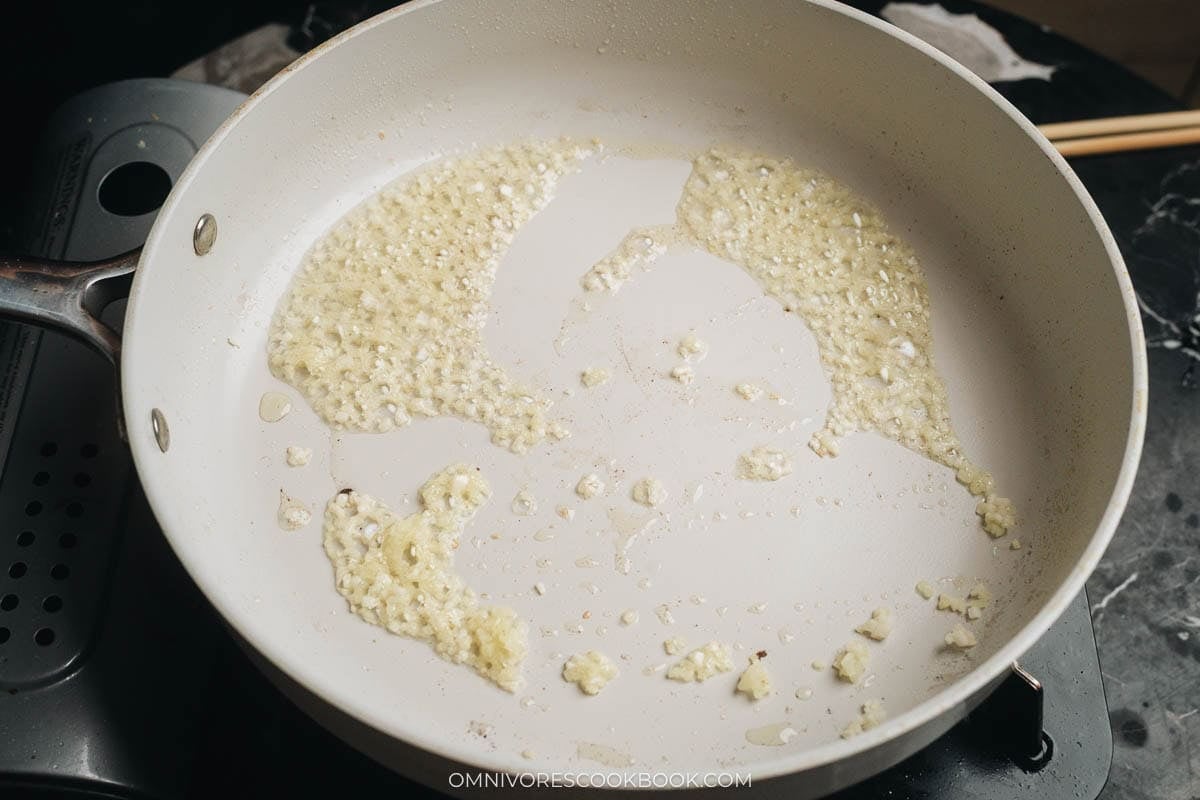
After draining most of the oil from the skillet, leaving approximately one tablespoon, the heat is reduced to medium-low. Minced garlic and ginger are added to the residual oil and stirred for a few seconds until their fragrant aromas are released. This brief sautéing process infuses the oil with their essential flavors, forming the aromatic base for the vegetables.
4. The Vibrant Vegetable Medley:
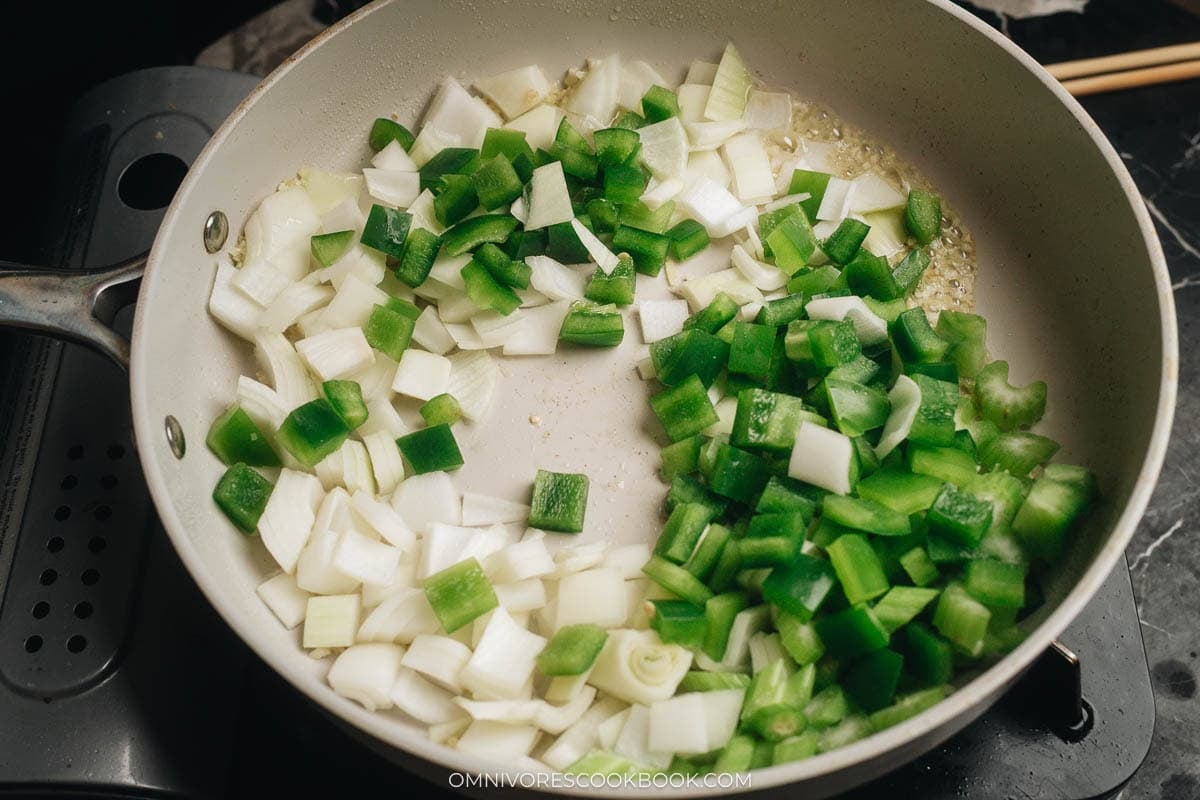
The heat is then returned to medium-high. The chopped onion, bell pepper, and celery are added to the skillet. They are stir-fried for approximately one minute, just long enough to begin softening while retaining a satisfying crunch. This brief cooking time ensures the vegetables maintain their vibrant color and crisp texture, providing a delightful contrast to the tofu.
5. The Unification of Flavors:
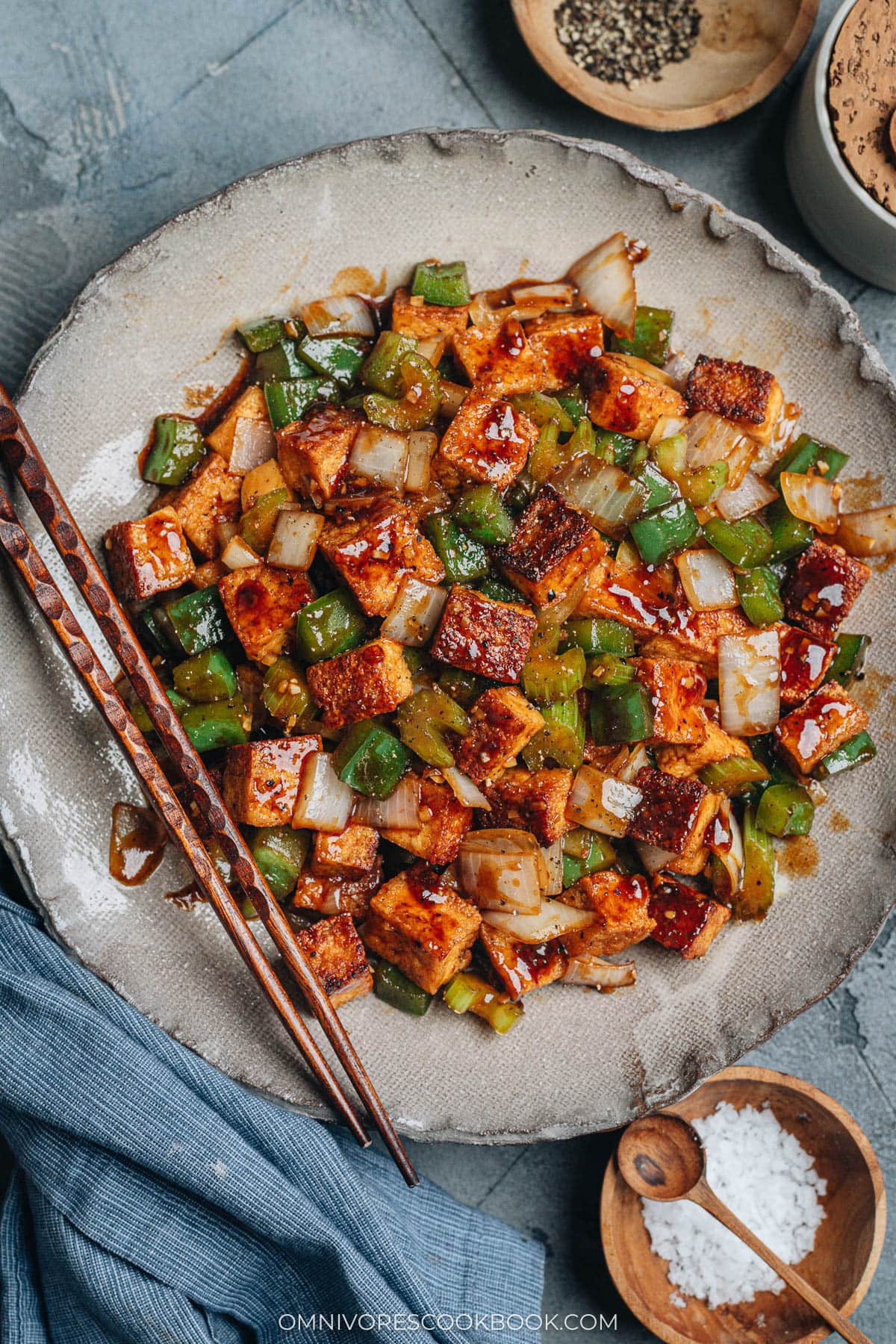
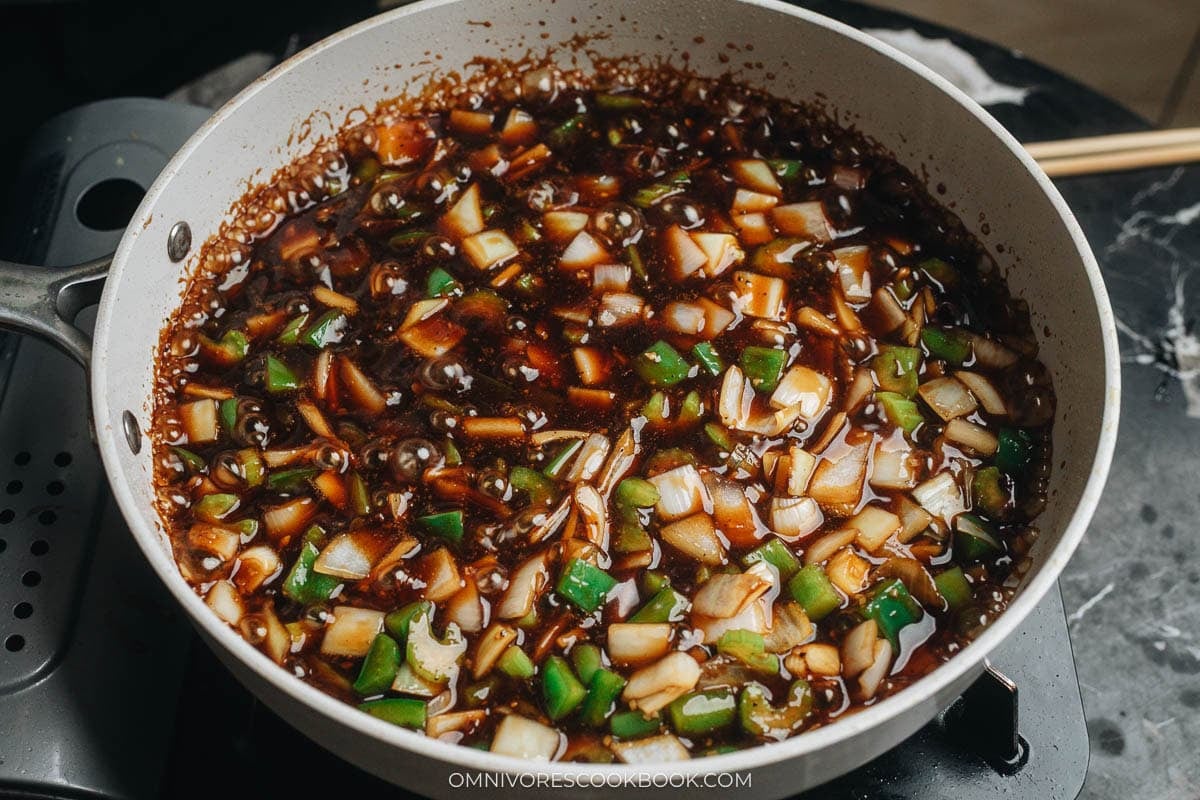
Before proceeding, the sauce mixture is given a quick stir to ensure the cornstarch is fully dissolved. The sauce is then poured directly into the skillet with the vegetables. The mixture is stirred continuously until the sauce thickens into a glossy glaze. Finally, the pan-fried tofu is returned to the skillet. The entire dish is tossed gently to ensure every piece of tofu and vegetable is evenly coated in the rich, peppery sauce.
6. The Grand Finale: Serving the Masterpiece:
The black pepper tofu is best served immediately while hot, allowing its textures and aromas to be fully appreciated. The author notes that this dish is a staple for weeknight dinners when time is of the essence, proving that healthy and delicious can indeed go hand-in-hand.
Culinary Wisdom: Expert Tips for Success
To elevate the black pepper tofu from good to exceptional, several key techniques and considerations come into play:
-
The Crucial Drying of Tofu: The author emphasizes that patting the tofu completely dry is the single most important step for achieving a golden crust. This involves pressing the tofu block between paper towels for several minutes before cutting, and then again patting the individual squares. Any residual moisture will hinder the searing process, causing the tofu to steam rather than crisp up.
-
The Power of Freshly Ground Pepper: The distinctiveness of this dish hinges on the quality of its star ingredient. Freshly ground black pepper offers a far more potent and nuanced flavor profile compared to pre-ground varieties, which can lose their aromatic intensity over time. A teaspoon is a good starting point, with adjustments made to taste for desired heat.
-
Patience in Pan-Frying: Allowing the tofu to cook undisturbed in the hot oil for 2 to 3 minutes before attempting to flip it is essential. This patience is what allows the Maillard reaction to occur, creating that coveted golden crust. Moving the tofu prematurely can cause it to stick to the pan and tear, compromising its texture.
-
Maintaining Vegetable Crispness: The vegetables are deliberately cooked for a very short period. They should retain a noticeable snap when bitten into, providing a crucial textural contrast to the tender tofu and the glossy sauce. Overcooked vegetables can lead to a dish that is texturally monotonous.
Complementary Pairings: Serving Suggestions for a Complete Meal
Black pepper tofu is a versatile dish that can be enjoyed in various ways, catering to different preferences and occasions.
-
The Weeknight Warrior: For a quick and satisfying weeknight meal, the author recommends serving the black pepper tofu over a bowl of fluffy steamed rice. This classic pairing is both comforting and efficient. For those seeking an extra layer of flavor and heat, a drizzle of chili oil can be added.
-
A Lighter Alternative: For a lighter meal, the tofu can be piled into crisp lettuce cups instead of rice. This approach offers a refreshing take on the dish, reminiscent of tofu lettuce wraps but with a distinct flavor profile driven by the black pepper sauce.
-
The Feast for Friends: When more time is available, this dish can be the centerpiece of a more elaborate plant-based spread. It pairs exceptionally well with other popular Chinese dishes, such as vegan dan dan noodles and a side of vegetable dumplings. This combination offers a diverse range of textures and flavors, creating a truly memorable vegan Chinese dining experience. The author notes that this particular lineup is a consistent crowd-pleaser, with the black pepper tofu often being the first dish to disappear from the table, a testament to its widespread appeal.
Frequently Asked Questions: Addressing Common Inquiries
The accessibility and adaptability of black pepper tofu often lead to several common questions from home cooks.
-
The Necessity of Pressing Tofu: The consensus among culinary experts and enthusiasts alike is that pressing extra-firm tofu is a critical step for achieving a desirable texture. This process removes surface moisture, allowing the tofu to sear properly and develop a crispy exterior. Skipping this step can result in a dish with soggy, unappealing tofu. While the internal texture of tofu is not significantly altered by pressing, its ability to crisp when exposed to heat is profoundly enhanced.
-
Tofu Variety Considerations: For this particular recipe, extra-firm tofu is the recommended choice due to its ability to hold its shape and achieve a satisfying crispness. Firm tofu can be used, but it is softer and more prone to breaking apart during the cooking process. Silken or soft tofu varieties are not suitable for this stir-fry, as they lack the structural integrity required. Some sources suggest that "super firm" tofu, often vacuum-packed without water, can yield an even chewier and more satisfying result.
-
Storing and Reheating Leftovers: Leftover black pepper tofu can be stored in an airtight container in the refrigerator for up to three days. While the tofu may lose some of its crispness overnight, the flavor profile remains robust. Reheating in a skillet over medium heat for a few minutes is recommended, as it tends to restore more of the original texture compared to microwave reheating. Freezing this dish is generally not advised, as the texture of the tofu can undergo undesirable changes after thawing.
The enduring popularity of black pepper tofu is a testament to its ability to deliver bold flavors and satisfying textures within a convenient and accessible plant-based framework. Its adaptable nature and straightforward preparation make it an ideal candidate for both novice cooks and seasoned culinarians seeking to explore the vibrant world of Asian-inspired cuisine.