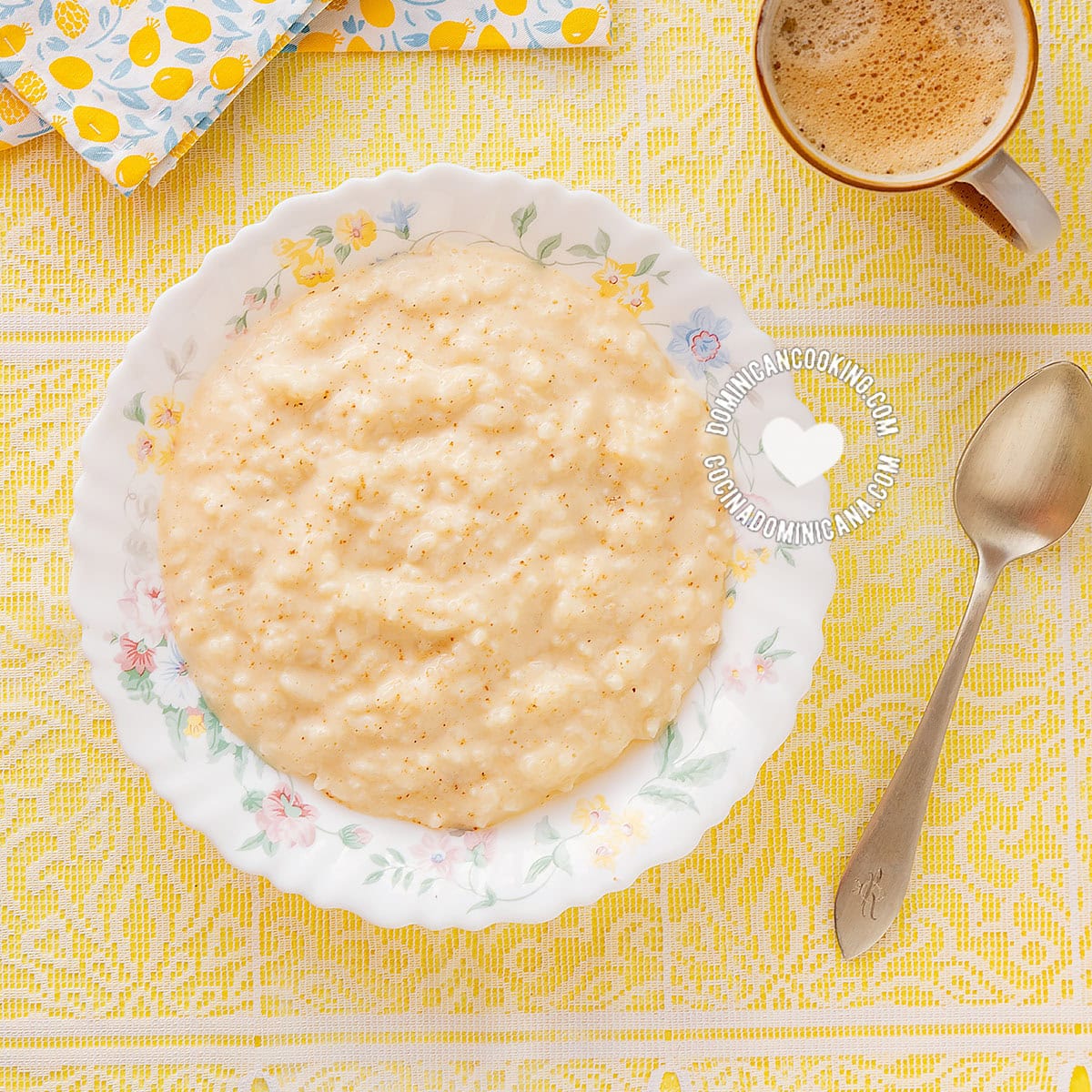
While the globally celebrated version of arroz con leche—or rice pudding—is heavily associated with sweetness, cinnamon, and condensed milk, a quieter, deeply traditional culinary counterpart occupies a cherished space in Caribbean households: Arroz con leche salado, also referred to in some regions as arroz con leche amargo. Developed generations ago as a resourceful and therapeutic meal, this savory, sugar-free rice porridge remains a staple of Dominican comfort food. Far from being a dessert, it serves as a light breakfast, an easily digestible dinner, and a trusted remedy for upset stomachs, showcasing the adaptability of rice as a foundational global grain.
Culinary Origins and Cultural Context
The history of arroz con leche salado is deeply intertwined with the resourcefulness of traditional Dominican kitchens. In Hispanic Caribbean culture, rice is a dietary anchor, prepared daily in large quantities. Historically, leftover white rice (arroz blanco) frequently found a second life in morning or evening porridges.
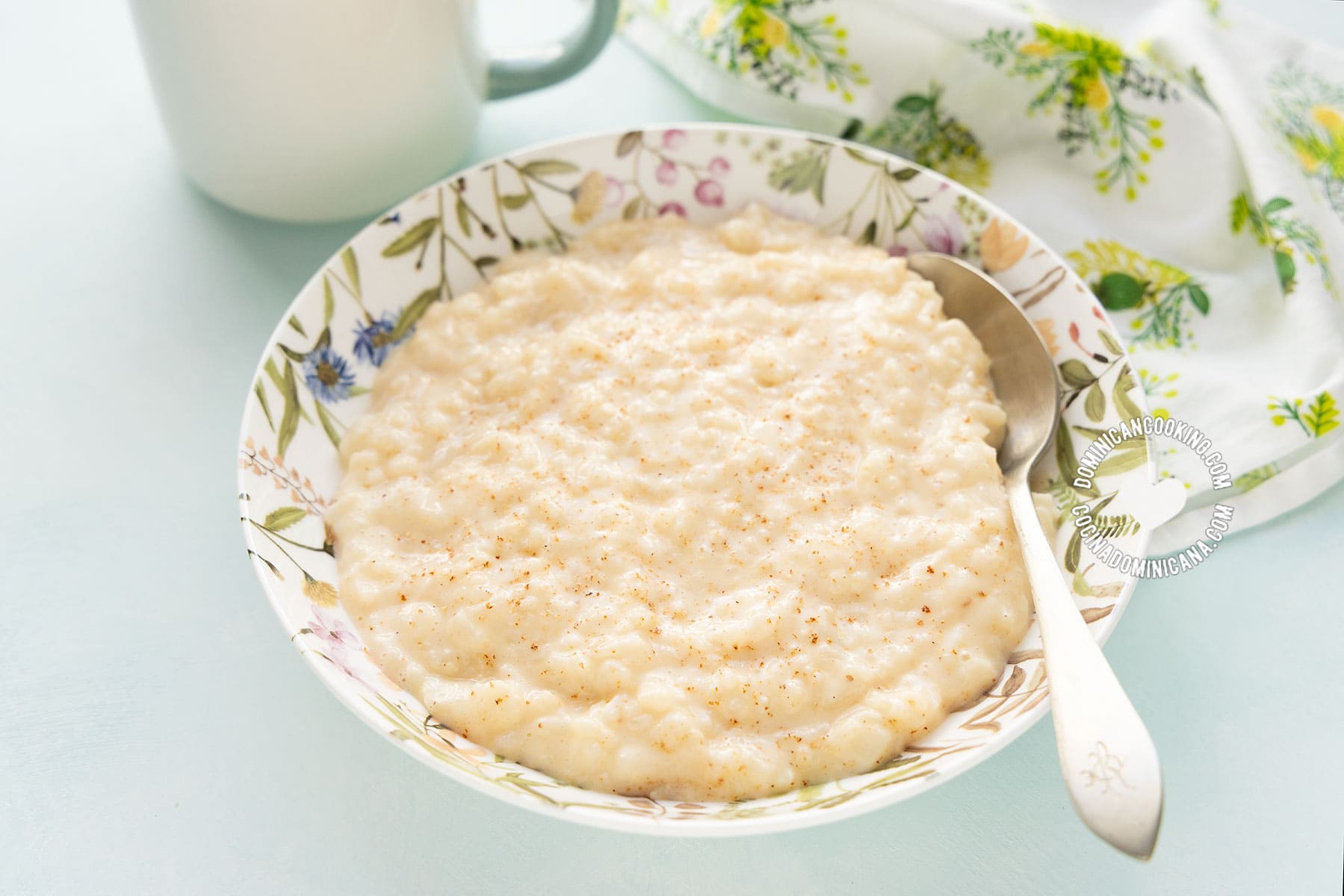
In Spanish, the term amargo translates literally to bitter, but in the context of this dish, it denotes the deliberate absence of sugar. Rather than satisfying a sweet tooth, the savory porridge emphasizes the natural, comforting starches of the grain combined with dairy, butter, and salt. Culinary historians note that such dishes emerged from a necessity to maximize ingredients, prevent food waste, and provide inexpensive, nutrient-dense sustenance for working-class families and growing children.
For decades, the recipe has been passed down orally through generations of Dominican home cooks. Recipe developer and culinary historian Clara Gonzalez, widely known as Tía Clara, recalls the dish as a frequent fixture of her childhood. "My mother used to make the sugarless version often," Gonzalez notes, acknowledging that while the savory profile is an acquired taste, it remains an enduring symbol of maternal care and domestic comfort in Dominican households.
Nutritional Profile and Dietary Function
Unlike its dessert counterpart—which typically features high levels of refined sugar, condensed milk, and citrus peels—arroz con leche salado is formulated for simplicity and digestibility. Standard nutritional metrics for a typical preparation yielding four servings indicate a balanced macronutrient distribution designed to provide sustained morning energy without a subsequent sugar crash.

A single serving of the savory porridge generally contains approximately 474 kilocalories, driven primarily by complex carbohydrates (56 grams) derived from the rice and fats from dairy components. The dish provides a notable 16 grams of protein and roughly 508 milligrams of calcium, largely attributed to the whole milk used as the primary liquid base. With sodium content averaging around 829 milligrams per serving, the dish leans into its savory classification, while maintaining a modest fiber content of 1 gram and a relatively low sugar profile of 19 grams, which occur naturally from the lactose in the milk rather than added sweeteners.
Medical and nutritional professionals frequently highlight rice-based porridges as an ideal dietary intervention for individuals recovering from gastrointestinal distress. Because the rice is simmered extensively until completely softened and emulsified with milk, the resulting porridge requires minimal digestive effort. This characteristic has cemented the dish’s status across the Dominican Republic as the premier comfort food for children on school days when a light breakfast is preferred, or for individuals recuperating from illness.
Preparation Methodology and Chronology
Making arroz con leche salado requires patience rather than complex culinary techniques, relying on low-heat simmering to achieve the signature creamy texture.
The traditional preparation follows a precise chronological structure:
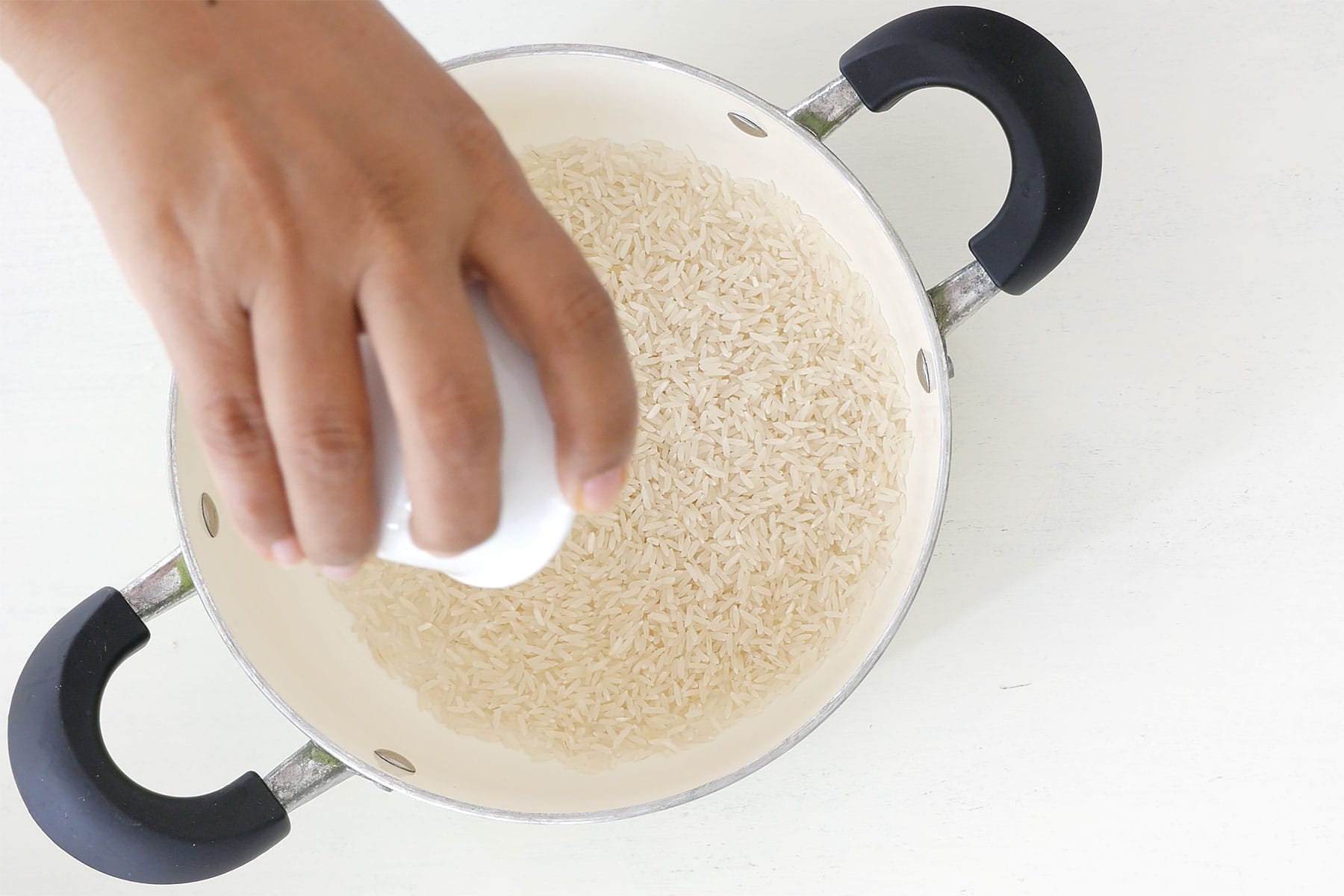
- Combination and Hydration (Prep Time: Approx. 2 Hours): The process traditionally begins with high-quality white rice. While leftover cooked rice can expedite the process, raw rice is often soaked or simmered slowly from the outset to release its starches fully into the liquid.
- Simmering (Cook Time: Approx. 45 Minutes): The rice is combined with milk, butter, and salt in a heavy-bottomed saucepan. The mixture is brought to a gentle simmer over low heat, requiring frequent stirring to prevent scorching. As the milk reduces and absorbs into the grains, the starch breaks down, yielding a thick, velvety porridge consistency.
- Resting and Serving: Once the desired creaminess is achieved, the porridge is removed from the heat and allowed to cool slightly before serving warm.
The total time investment—spanning approximately two hours and forty-five minutes when starting from raw ingredients—reflects the unhurried nature of traditional Caribbean home cooking, where dishes are allowed to develop their textures organically.
Broader Implications and Modern Relevance
In contemporary gastronomy, arroz con leche salado offers a compelling case study in the resurgence of savory porridges. As global food trends increasingly embrace savory breakfast options—moving away from heavy sugar consumption in the morning—traditional dishes like the Dominican savory rice porridge are finding renewed appreciation outside the Caribbean diaspora.
Furthermore, the dish highlights the enduring value of ancestral anti-waste practices. By demonstrating how simple staples can be transformed into restorative, culturally rich meals, recipes such as Tía Clara’s arroz con leche salado preserve a vital connection to the agricultural and domestic history of the Dominican Republic. As food enthusiasts continue to explore regional Latino cuisines, this sugar-free classic stands out as a testament to the healing and comforting power of minimalist cooking.