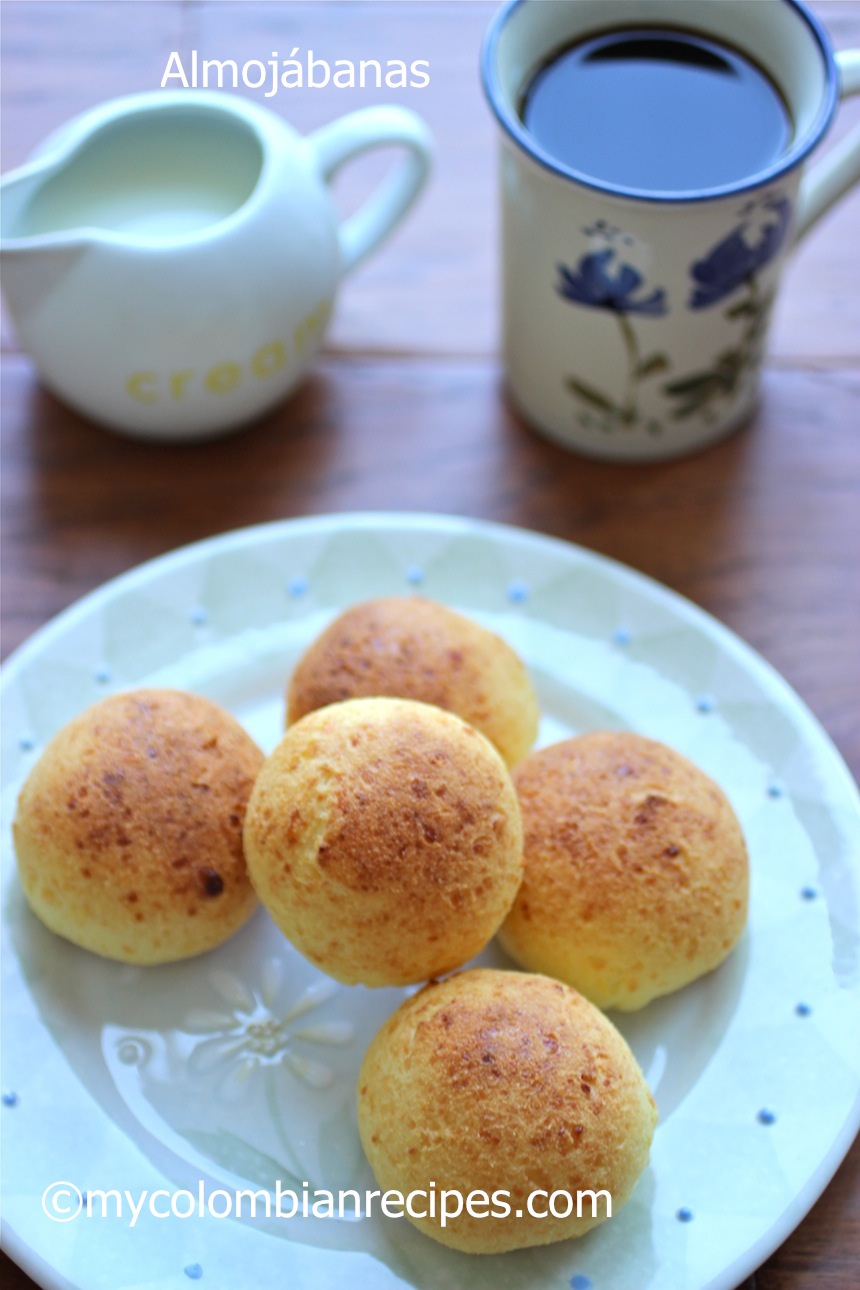
Almojábanas, a cherished traditional Colombian cheese bread, continue to capture the hearts and palates of many, offering a delightful accompaniment to morning coffee or an afternoon hot chocolate. The recipe, long a reader favorite, has recently undergone a thoughtful refinement by its creator, Erica Dinho, who emphasizes her ongoing commitment to delivering well-tested and improved culinary experiences. This updated version, complete with a step-by-step video, aims to bring the authentic taste of this beloved Colombian "parva" to kitchens worldwide, even in the absence of specific, traditional ingredients.
A Culinary Journey of Refinement
The journey to the current almojábana recipe began several years ago when Erica first shared her rendition. While the initial version was met with widespread appreciation, Dinho, who identifies as someone who has honed her baking skills over time, felt there was room for improvement. "Baking is truly a science," she notes, highlighting the meticulous nature of recipe development. Her dedication to delivering "tested and improved recipes" is evident in this refreshed offering, which seeks to capture the essence of Colombian home baking.
The creation of almojábanas is rooted in the rich culinary heritage of Colombia, particularly the Antioquia region, where Dinho was born and raised. The term "parva" refers to the array of baked goods prevalent in this area, and almojábanas stand as a quintessential example. Their popularity stems from their inherent simplicity and comforting nature, making them a staple in Colombian households.
Navigating Ingredient Challenges: The Quest for Authenticity
A significant challenge in recreating authentic almojábanas outside of Colombia lies in the availability of key ingredients. The traditional recipe relies heavily on "cuajada," a fresh, unpasteurized white cheese that forms the base of the bread’s distinctive texture and flavor. Dinho candidly shares her experience in the United States, where sourcing this specific cheese has proven difficult.
"Although this recipe is very easy to make, the problem I have is that in the USA, I don’t find ‘cuajada,’ a fresh white cheese made with non-pasteurized milk, and this is the base for Colombian Almojábanas," she explains. This culinary hurdle has prompted Dinho to experiment extensively, testing the recipe at least four times with various cheese combinations. While acknowledging that the result may not be an exact replica of what she enjoys in Colombia, she asserts that the adapted version is "pretty close and delicious!" This persistent dedication to achieving the closest possible flavor profile speaks volumes about her passion for sharing authentic Colombian cuisine.
Key Ingredients for Delicious Almojábanas
The refined almojábana recipe emphasizes readily accessible ingredients, making it approachable for home bakers. The core components include:
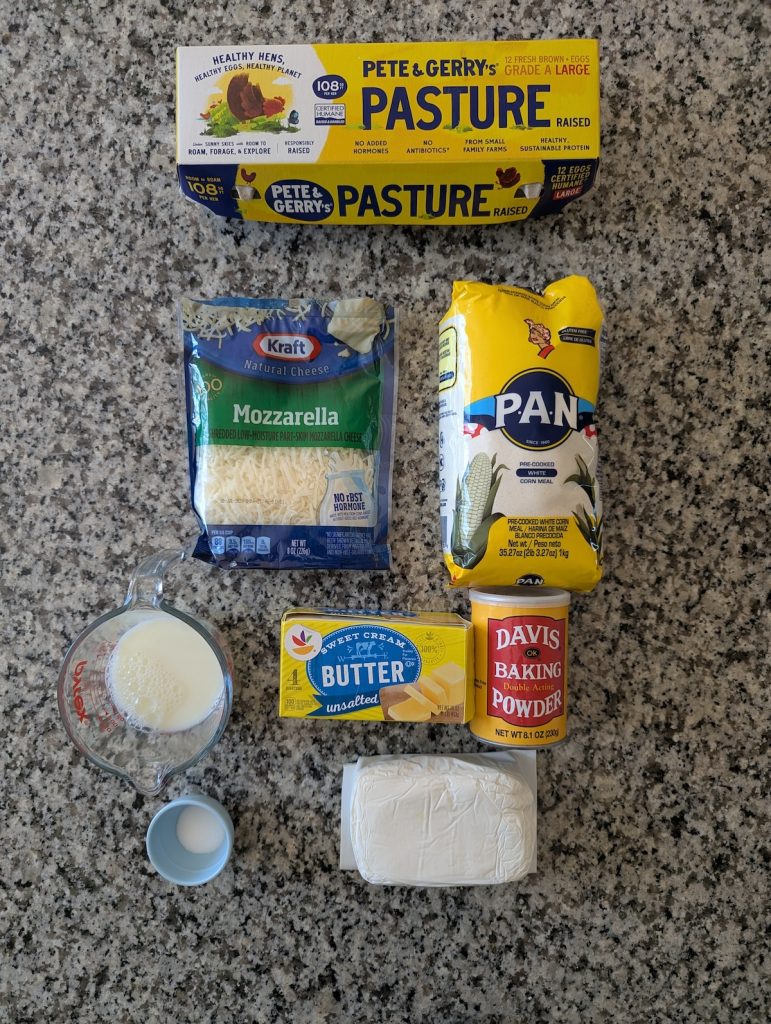
- Corn Flour: Precooked corn flour, also known as masa harina, is essential for achieving the characteristic texture of the bread.
- Milk: Whole milk is recommended for its richness and contribution to the dough’s consistency.
- Butter: Unsalted butter is preferred to control the overall saltiness of the finished product.
- Cheese: A blend of fresh cheese (such as queso fresco or farmer cheese) and mozzarella is suggested to mimic the traditional flavor and meltiness. This combination aims to bridge the gap left by the absence of cuajada.
- Eggs: High-quality eggs are crucial for binding the ingredients and contributing to the bread’s structure.
- Salt: A necessary element to balance the flavors and enhance the overall taste.
- Baking Powder: This leavening agent ensures the almojábanas achieve a desirable rise and light texture.
The Almojábana Experience: A Taste of Colombian Culture
Beyond the recipe itself, Dinho shares personal anecdotes that enrich the understanding of almojábanas’ cultural significance. Her description of baking them out of a craving for her favorite Colombian "parva" evokes a sense of nostalgia and cultural connection. This personal touch humanizes the culinary process and underscores the emotional resonance of traditional foods.
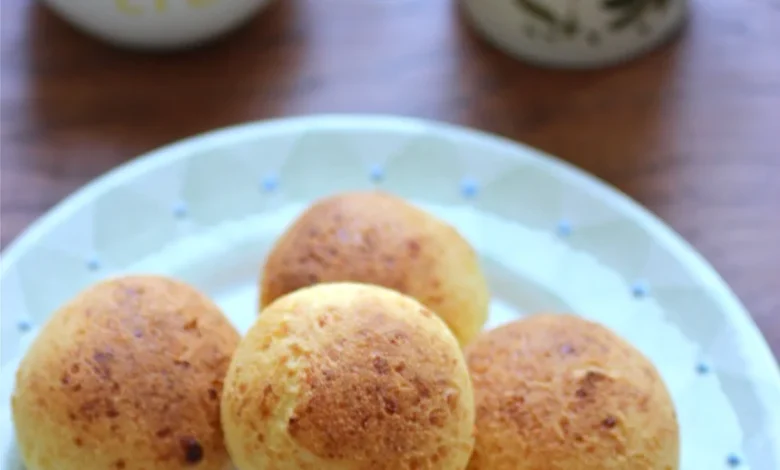
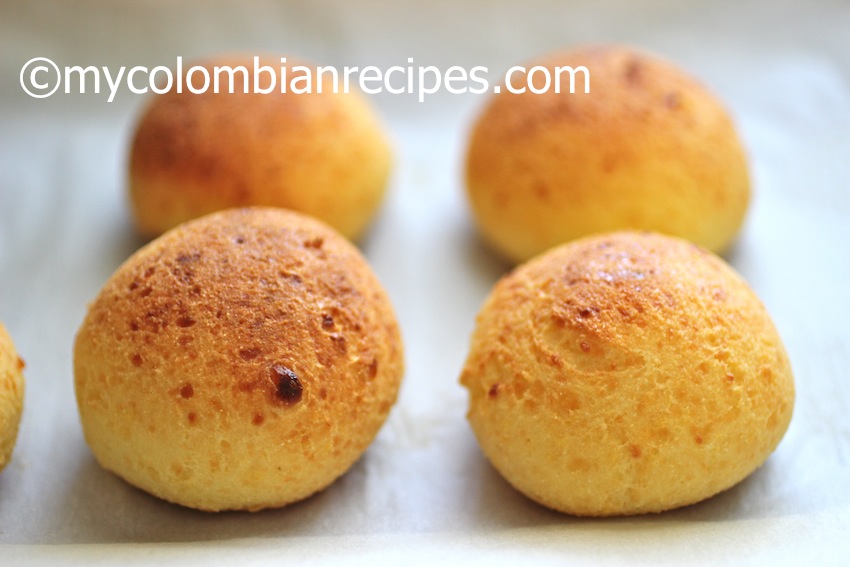
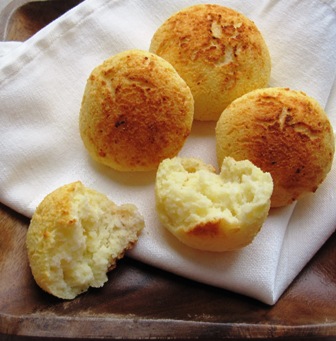
The act of sharing these baked goods with black coffee or hot chocolate further solidifies their place in Colombian daily life. These pairings are not merely suggestions but rather deeply ingrained customs, representing moments of comfort, conversation, and connection. The visual appeal of the almojábanas, often depicted as golden-brown, slightly crisp on the outside and tender within, further enhances their allure.
A Culinary Tradition in Evolution
The evolution of the almojábana recipe reflects a broader trend in global cuisine: the adaptation of traditional dishes to suit available ingredients and modern kitchens. Dinho’s approach demonstrates a respect for authenticity while embracing pragmatism. Her willingness to experiment and share her findings provides valuable insights for others seeking to recreate international flavors in their own homes.
The inclusion of a step-by-step video tutorial is a testament to the creator’s commitment to accessibility and user experience. In an era where visual learning is paramount, a video guide demystifies the baking process, offering clear instructions and visual cues that can significantly improve a baker’s success rate. This comprehensive approach ensures that the recipe is not just a list of ingredients but a complete culinary guide.
Beyond Almojábanas: A Gateway to Colombian Baking
The article also thoughtfully suggests other Colombian breads for readers to explore, such as Pandebono (another popular cheese bread), Pan Aliñado (seasoned bread), and Pan Blandito (soft bread). This broadens the scope of Colombian baking and encourages further culinary exploration. Each of these breads, like almojábanas, holds a special place in the country’s gastronomic landscape, offering a diverse range of textures and flavors.
The nutritional information provided for the almojábanas offers a factual breakdown of their composition, allowing consumers to make informed dietary choices. With approximately 294 calories per serving, 22g of carbohydrates, 15g of protein, and 16g of fat, the data offers a transparent look at the bread’s nutritional profile. This detail is valuable for health-conscious individuals and aligns with the objective reporting style of a news outlet.
The Enduring Appeal of Homemade Delights
In conclusion, the refined recipe for Almojábanas represents more than just a culinary update; it embodies a dedication to preserving and sharing cultural heritage through food. Erica Dinho’s meticulous approach, coupled with her genuine passion for Colombian cuisine, ensures that this beloved cheese bread can be enjoyed by a wider audience. The challenges of ingredient sourcing are met with innovative solutions, proving that the spirit of authentic cooking can transcend geographical boundaries. As bakers around the world embrace this recipe, they not only create a delicious treat but also participate in a tradition that connects them to the heart of Colombia. The ongoing refinement of such recipes underscores the dynamic nature of food and its power to bridge cultures and generations.