The Ultimate Guide to Making Pan-Fried Chicken in a Luscious Cajun Cream Sauce for Fall Dinners

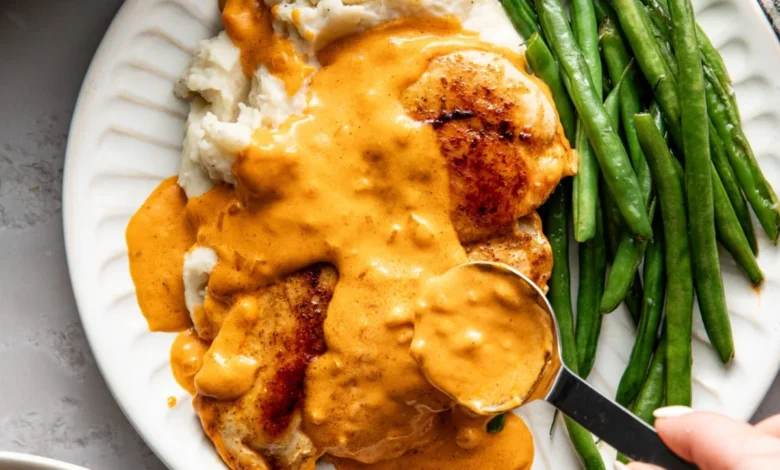
As autumn temperatures begin to dip, home cooks across the country naturally pivot toward hearty, comforting meals that celebrate the seasonal shift. Among the myriad recipes capturing culinary attention this season, a standout dish featuring pan-fried chicken paired with a rich, tomato-infused Cajun cream sauce has rapidly gained popularity. Originally shared by prominent food blogger Lindsay Ostrom of Pinch of Yum, this cozy weeknight dinner has resonated with families seeking accessible yet elevated comfort food as the weather turns cool.
The Anatomy of a Seasonal Comfort Classic
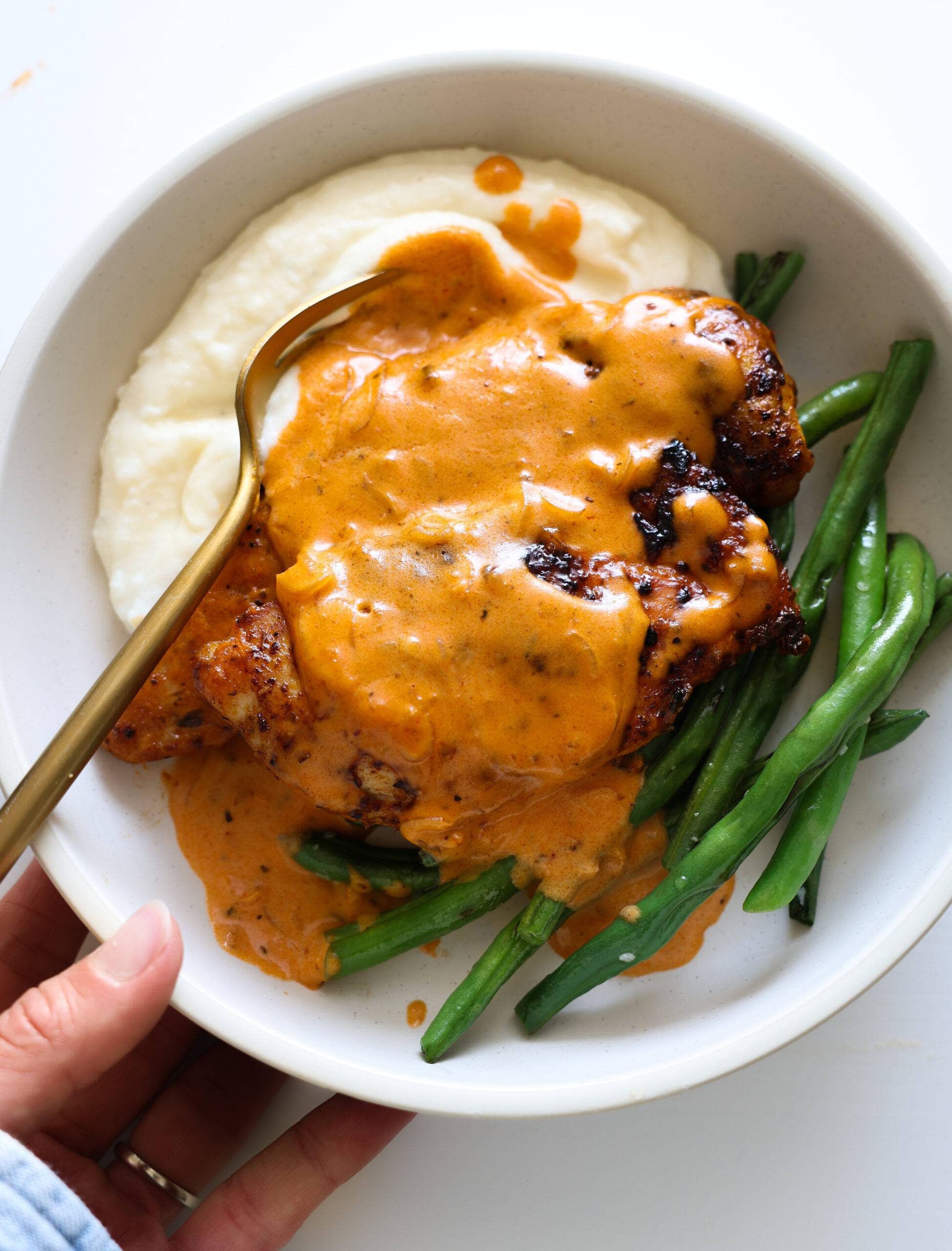
The appeal of this specific dish lies in its balance of textures and flavors. At its core, the recipe features expertly pan-fried chicken cutlets smothered in a savory, aromatic sauce built on a base of shallots, robust Cajun spices, tomatoes, heavy cream, and broth. The result is a velvety, crimson-tinted gravy that bridges the gap between deep, warming savory notes and bright acidity.
Culinary experts note that dishes featuring cream-based reductions paired with spiced poultry are uniquely suited for transitional weather months. The warmth of the Cajun seasoning provides an inviting thermal element, while the heavy cream and rich sauce offer the psychological comfort associated with traditional autumn and winter cooking. Furthermore, the adaptability of the recipe—allowing for alternative proteins like jumbo shrimp or cooking methods such as air-frying—demonstrates a modern approach to weeknight meal planning that prioritizes flexibility without sacrificing flavor.

Chronology of a Weeknight Masterpiece
The conceptualization and execution of comfort food recipes like the Cajun cream chicken typically follow a deliberate timeline designed to maximize efficiency for busy households.
Phase One: Preparation and Sourcing
The process begins with ingredient curation. Standard components include fresh chicken cutlets or breasts, shallots (which can be minced for a subtle texture or mandoline-sliced for ribbon-like presentation), heavy cream, chicken broth, tomato paste or crushed tomatoes, and a specialized blend of Cajun spices comprising paprika, garlic powder, onion powder, cayenne pepper, oregano, thyme, salt, and black pepper.
Phase Two: Cooking the Protein
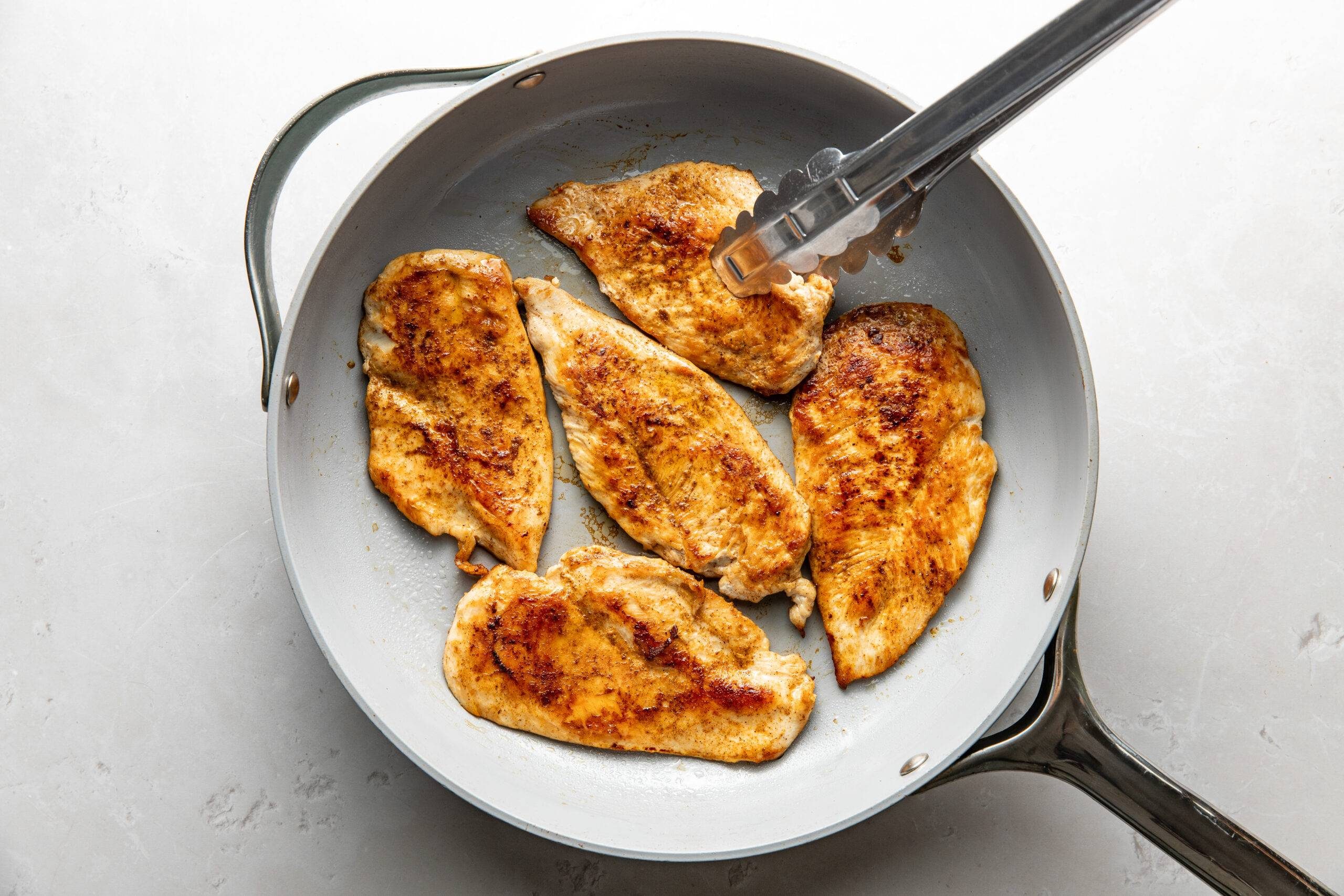
The chicken is seasoned generously with the Cajun spice blend before being pan-fried in a skillet until golden brown and cooked through. Alternatively, modern home cooks frequently utilize air fryers—setting the appliance to 375 degrees Fahrenheit for approximately 10 to 12 minutes—to achieve a similar exterior crispness while reducing active stovetop monitoring.
Phase Three: Building the Sauce
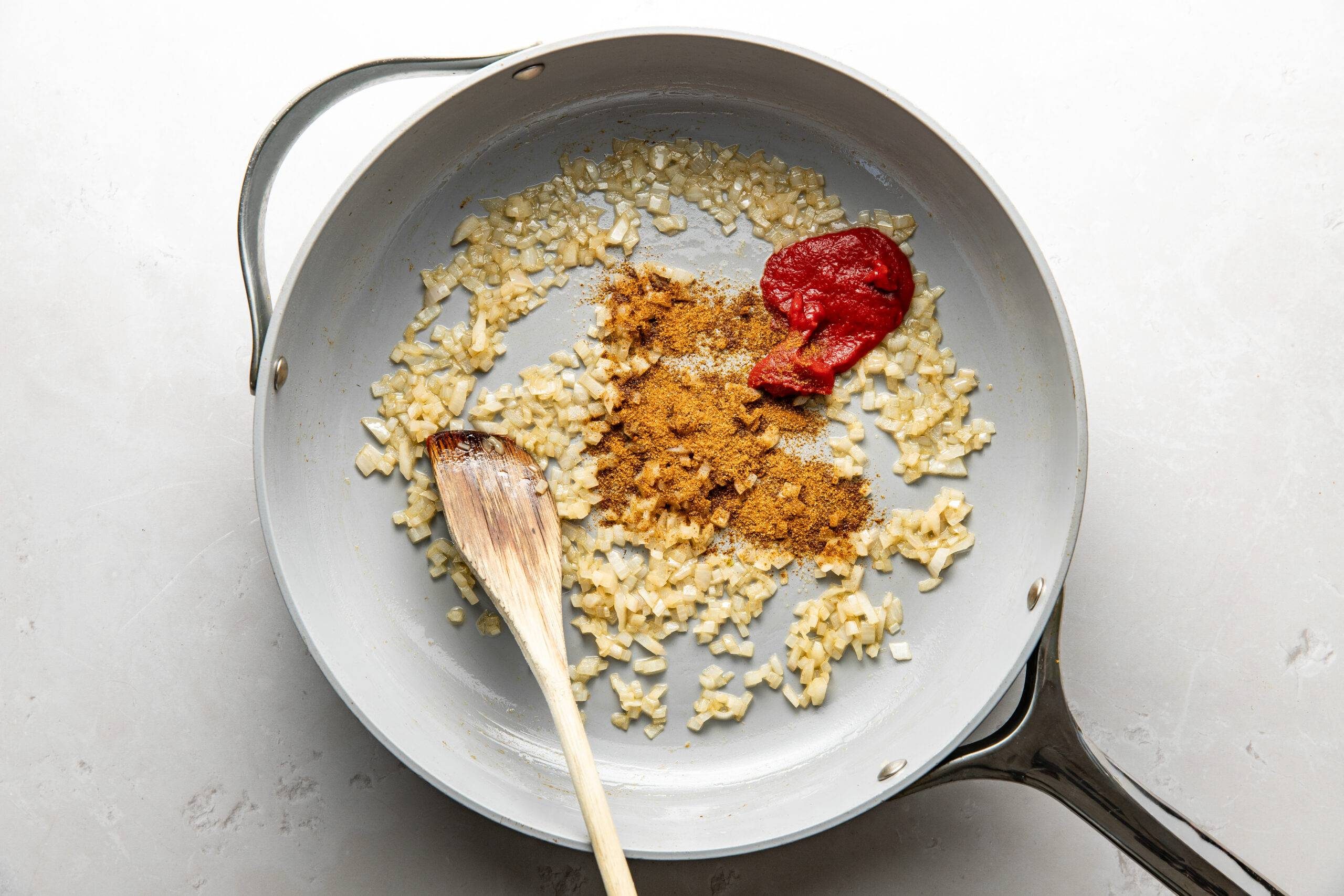
Once the chicken is removed from the skillet, the foundational aromatics are introduced. Shallots are gently sautéed in the residual pan drippings to absorb the leftover spiced fats. Tomatoes and broth are then incorporated, followed by a steady pour of heavy cream. The mixture is allowed to simmer, reducing into a thick, glossy emulsion that coats the back of a spoon.

Phase Four: Reintegration and Plating
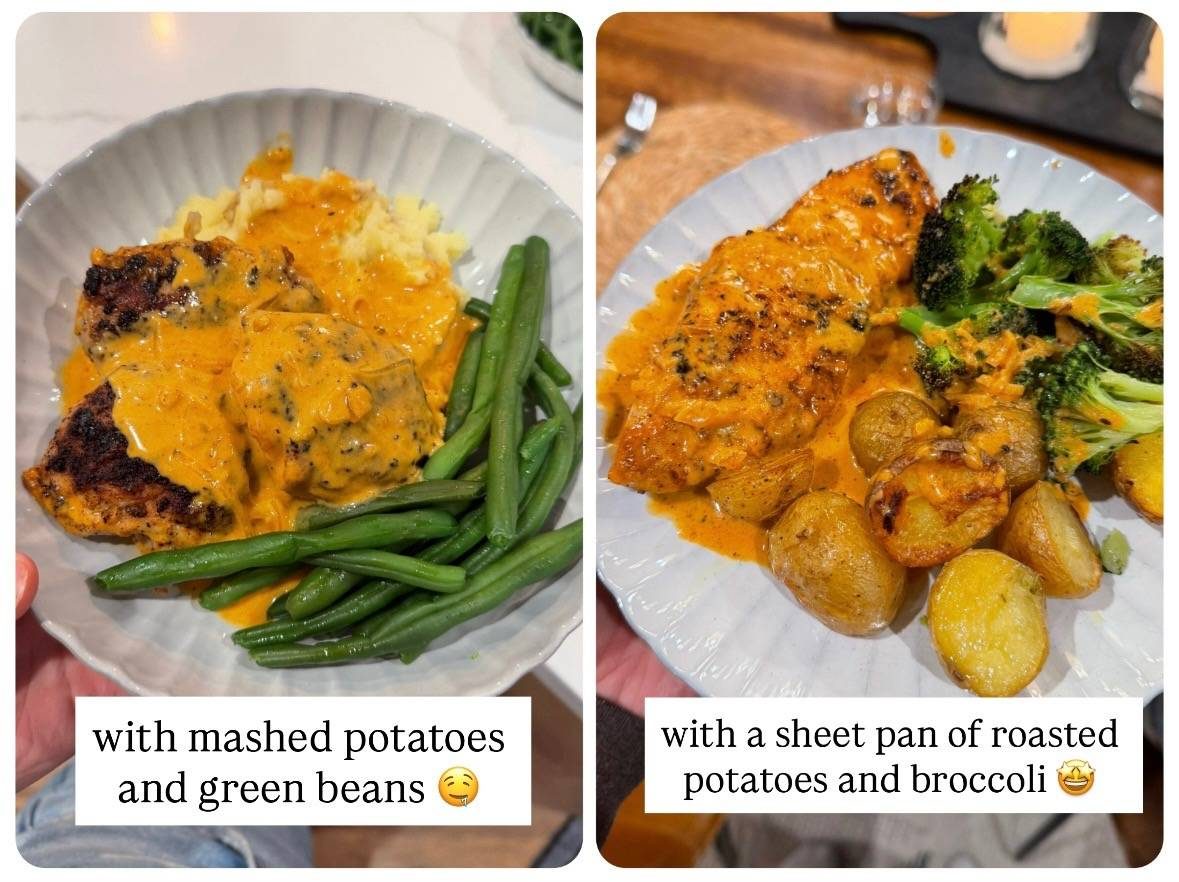
The cooked chicken is returned to the skillet, allowing the proteins to absorb the surrounding cream sauce. Traditional service includes a side of homemade whipped mashed potatoes and fresh green beans, designed to complement and absorb the surplus sauce left on the plate.
Nutritional and Culinary Implications of Cream-Based Weeknight Dinners
From a nutritional and culinary standpoint, the resurgence of decadent cream sauces reflects a broader post-pandemic shift in domestic cooking habits. While health-conscious trends dominated much of the late 2010s, recent culinary data indicates an increased consumer demand for nostalgic, high-satisfaction comfort foods that provide emotional well-being alongside caloric sustenance.
Dishes rich in dairy and fats, such as this Cajun cream chicken, offer sustained satiety. However, nutritionists recommend balancing heavy cream sauces with fiber-rich side dishes like green beans, broccoli, or roasted root vegetables to maintain dietary equilibrium. The inclusion of versatile preparation methods—such as sheet-pan roasted potatoes and air-fried vegetables—also highlights a growing consumer preference for streamlined cleanup and reduced active cooking times during busy workweeks.
Broader Impact on Home Cooking Trends
The widespread adoption of recipes that blend southern-inspired spice profiles with classic European pan-sauce techniques points to an ongoing diversification of American weeknight dinners. Traditional comfort food is no longer confined to heavy gravies and basic roasts; instead, contemporary home cooks increasingly incorporate bold regional flavor profiles, such as Cajun and Creole seasonings, into everyday cooking.
Food media analysts observe that recipes offering visual appeal—characterized by rich colors, glossy finishes, and easy-to-follow photographic step-by-step guides—tend to perform exceptionally well across digital platforms. By documenting not just the cooking process, but the familial context of sharing the meal in an informal, cozy setting, culinary creators continue to shape how families engage with food during the autumn and winter seasons.