Frozen Mudslide Cocktail: A Comprehensive Guide to Crafting the Ultimate Dessert Beverage

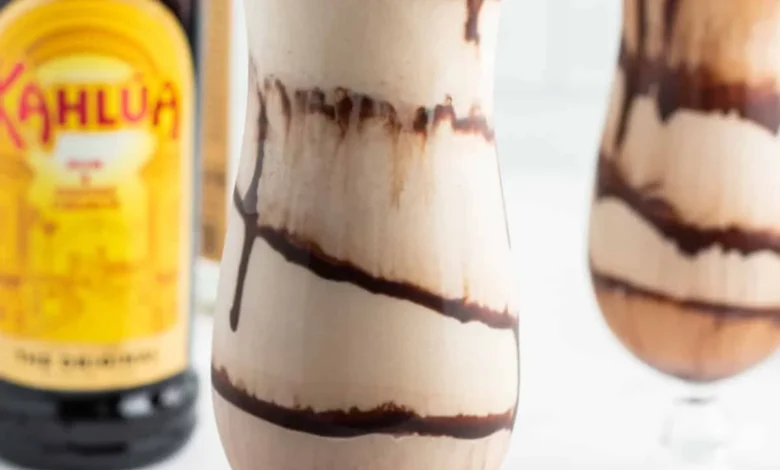
The frozen Mudslide cocktail has secured its place as a staple of contemporary mixology, bridging the gap between traditional after-dinner digestifs and modern dessert-style beverages. Characterized by a rich, velvety texture and a complex profile of coffee, dairy, and spirits, the drink has evolved from a niche specialty into a widely recognized classic. While the origins of the beverage are rooted in the Caribbean, the frozen iteration—popularized by the inclusion of premium vanilla ice cream—has become a fixture in both commercial establishments and home bartending culture. This guide explores the technical composition of the cocktail, its historical context within the beverage industry, and the precise methodology required to achieve a professional-grade result at home.

Historical Context and Evolution of the Mudslide
The Mudslide cocktail first gained international prominence in the 1970s. While there is some debate regarding its exact provenance, it is widely attributed to the Wreck Bar at the Rum Point Club in Grand Cayman. According to regional cocktail lore, a guest requested a White Russian, but the establishment lacked fresh cream. The bartender reportedly substituted Irish cream, creating a fortuitous blend that became the standard for the drink.
In its original, non-frozen iteration, the Mudslide was served over ice, consisting of equal parts vodka, Kahlúa (a coffee-flavored liqueur originating in Mexico), and Bailey’s Irish Cream. As the cocktail gained popularity in the United States during the 1980s and 1990s, bartenders began experimenting with texture. The shift toward the "frozen" version mirrored a broader culinary trend of incorporating dairy-heavy, blended ingredients into the cocktail space. By substituting ice with vanilla ice cream, the drink transitioned from a simple mixed beverage to a high-calorie, dessert-focused experience. This evolution aligns with the growth of the "boozy milkshake" category, which has seen increased demand in both upscale restaurants and casual dining environments.

The Science of the Blend
The success of a frozen Mudslide depends heavily on the ratio of ingredients and the mechanical process of emulsification. Unlike stirred or shaken cocktails, the frozen Mudslide relies on the cold-chain integrity of the ice cream to maintain its consistency.
The primary components serve distinct roles in the beverage’s profile:

- Vodka: Functions as the neutral spirit base. High-quality, mid-shelf vodka is recommended to ensure the spirit provides the necessary "kick" without introducing harsh medicinal notes that could clash with the delicate vanilla profile.
- Kahlúa: Provides the essential coffee bitterness and depth. The sugar content in the liqueur is critical, as it acts as an antifreeze agent, preventing the cocktail from becoming a solid block of ice during the blending process.
- Irish Cream: Contributes both sweetness and a creamy mouthfeel, bridging the gap between the alcohol and the dairy.
- Vanilla Ice Cream: Acts as the primary thickening agent. The fat content in the ice cream is responsible for the luxurious texture. A premium, high-butterfat ice cream is preferred to prevent the mixture from becoming watery.
Methodology and Preparation
To achieve the professional standard of a frozen Mudslide, strict adherence to temperature control is required. The preparation begins with the preparation of the glass. Applying chocolate syrup to the interior of a chilled vessel is not merely an aesthetic choice; the syrup adheres better to a cold glass, creating the distinct "muddy" streaks that define the visual presentation.
Technical Steps for Preparation:

- Chilling the Vessel: The glassware should be placed in a freezer or submerged in an ice bath for at least ten minutes prior to preparation.
- Emulsification: The blender must be utilized at a high speed for a short duration—typically 20 to 30 seconds. Excessive blending introduces too much air, which can diminish the richness of the ice cream and cause the drink to melt prematurely.
- Ingredient Sequencing: To prevent the ice cream from clumping, the liquid ingredients (vodka, Kahlúa, and Irish cream) should be poured into the blender canister first, followed by the ice cream. This creates a vortex that ensures even distribution.
Comparative Nutritional and Market Analysis
From a nutritional standpoint, the frozen Mudslide is significant. With an average caloric density ranging between 600 and 800 kilocalories per serving, it occupies a specific category of "indulgent consumption." Data from industry reports suggest that consumer interest in dessert cocktails typically spikes during the fourth quarter of the year, coinciding with holiday celebrations and social gatherings.
The cocktail is not merely a beverage but a culinary product. The high sugar content—derived from the liqueur, the syrup, and the ice cream—requires careful balancing. Professional mixologists often suggest a pinch of sea salt or an increase in the coffee liqueur ratio to counteract the cloying sweetness of the ice cream, ensuring that the drink remains palatable.

Practical Tips for Home Mixology
For those preparing the cocktail at home, the quality of the ingredients is the primary variable. Because the drink has few components, the quality of the ice cream is paramount. Artisanal vanilla beans or high-quality dairy-based ice creams provide a superior result compared to lower-fat, whipped-style ice creams, which contain excessive air and result in a thinner, less satisfying final product.
Regarding the "make-ahead" question, industry consensus is definitive: the frozen Mudslide is a "serve-immediately" product. Because of the high water content in the ice and the melting point of ice cream, the structural integrity of the drink degrades rapidly. Separation of the liquid and frozen phases occurs within minutes of the drink reaching room temperature. Therefore, if preparing for a group, it is more efficient to prepare the base components—chilled and measured—and blend them in small batches as requested.

Variations and Modern Twists
While the classic recipe remains the standard, modern variations have introduced nuances that cater to shifting palate preferences:
- The Espresso Mudslide: The addition of a concentrated shot of espresso or cold brew concentrate enhances the coffee notes, effectively balancing the intense sweetness of the Irish cream.
- The Spiced Mudslide: Incorporating a dash of cinnamon or nutmeg can elevate the flavor profile, particularly during autumn months.
- The Cookie-Crumb Rim: Utilizing crushed chocolate sandwich cookies on the rim of the glass adds a textural contrast that elevates the sensory experience of the drink.
The Role of Garnishes
Garnishes for the Mudslide serve a dual purpose: aesthetic appeal and aroma. While whipped cream is the traditional topping, the inclusion of freshly grated dark chocolate or a dusting of espresso powder can introduce a subtle bitterness that cuts through the creaminess of the drink. When hosting, the presentation of these elements allows the bartender to customize the experience for guests, transforming a standard drink into a bespoke dessert course.

Implications for the Beverage Industry
The persistence of the Mudslide in contemporary menus highlights a broader trend in the hospitality industry: the "premiumization" of classic comfort drinks. Consumers are increasingly seeking nostalgic, high-quality versions of familiar cocktails. By focusing on ingredient quality—such as using small-batch vodka or premium coffee liqueurs—establishments are successfully rebranding the Mudslide from a dated 1980s relic into a sophisticated dessert option.
In conclusion, the frozen Mudslide cocktail represents a successful intersection of spirits and confectionery. Its preparation is simple, yet it requires an understanding of thermodynamics and flavor balance to perfect. Whether enjoyed in a high-end lounge or prepared at home, the cocktail remains a testament to the enduring popularity of the "boozy milkshake" as an essential component of the modern dessert menu. By maintaining the integrity of the ingredients, timing the blending process correctly, and focusing on the aesthetic presentation of the vessel, the home bartender can replicate a professional-grade experience that balances indulgence with technical precision.