James Button Appointed as Regional Editor for Italy at Decanter Signaling a New Era for Italian Wine Journalism

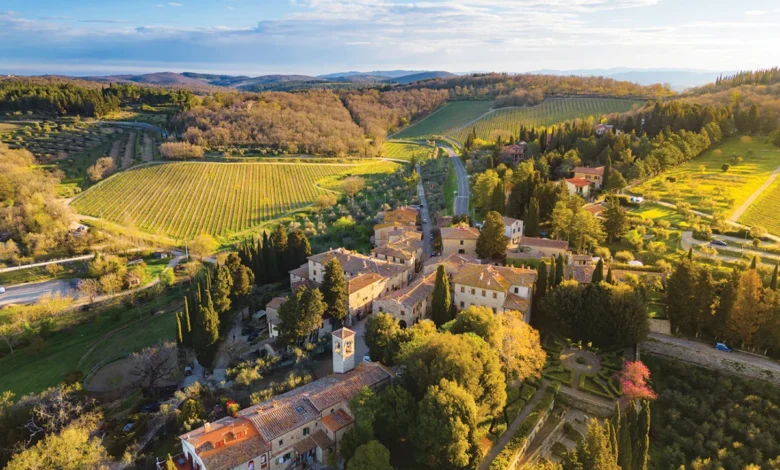
The landscape of international wine journalism is undergoing a significant transformation as established publications seek to deepen their regional expertise in response to an increasingly sophisticated global market. James Button has been appointed as the Regional Editor for Italy at Decanter, a role that places him at the helm of all Italian content for one of the world’s most influential wine media brands. Responsible for overseeing both print and digital platforms, Button’s elevation to this position marks a strategic move by Decanter to consolidate its coverage of the Italian peninsula, a region that remains a cornerstone of the global wine trade. Button’s trajectory from the retail floor of the United Kingdom’s largest wine specialist to the editorial offices of a premier global publication reflects a broader trend within the industry: the rise of the multi-disciplinary expert who combines commercial acumen with rigorous academic credentials.
A Foundation in the UK Wine Trade: The Majestic Wine Years
The professional journey of James Button began in the competitive environment of the British retail wine sector. Like many of the industry’s most respected critics and editors, Button cut his teeth at Majestic Wine. For decades, Majestic Wine has served as an unofficial academy for the UK wine trade, providing employees with a "boots on the ground" education in consumer preferences, logistics, and regional diversity. It was during this formative period that Button developed a strong grounding in the subject, learning the intricacies of global appellations while managing the expectations of a diverse clientele.
The importance of this retail background cannot be overstated in the context of wine journalism. While many critics approach wine from a purely sensory or academic perspective, those with retail experience understand the economic drivers behind the bottle. This commercial grounding provides a necessary counterweight to the more abstract elements of wine criticism, ensuring that editorial content remains relevant to both collectors and casual enthusiasts. For Button, this period was characterized by a rapid accumulation of knowledge, leading him toward the most prestigious qualifications in the field.
Academic Excellence and the WSET Level 4 Diploma
In 2010, James Button achieved a significant milestone by successfully completing the WSET Level 4 Diploma in Wines and Spirits. The Wine & Spirit Education Trust (WSET) is the global leader in wine education, and the Level 4 Diploma is widely regarded as the "gold standard" for professionals. It is a grueling multi-year program that requires an in-depth understanding of everything from viticulture and vinification to the global business of wine.
The achievement of the Diploma is a prerequisite for those seeking to enter the Master of Wine program and serves as a badge of authority in the editorial world. For Decanter, having an editor with this level of certification ensures that the technical aspects of Italian winemaking—such as the complexities of volcanic soils in Etna or the clonal variations of Sangiovese in Tuscany—are handled with precision. Button’s academic success in 2010 provided the theoretical framework that would later support his specialized focus on the Italian market.
Navigating the Fine Wine Market: 2014 to 2016
Following his tenure in retail and his academic achievements, Button transitioned into the specialized world of fine wine management. From 2014 to 2016, he managed the fine wine department of a startup wine company in London. This period was crucial for his professional development, as it allowed him to engage with the high-end secondary market, investment-grade bottles, and the logistics of sourcing rare vintages.
During these years, the London wine market was experiencing significant shifts. The demand for "blue-chip" Italian wines, such as the Super Tuscans (Sassicaia, Tignanello) and the "Kings of Piedmont" (Barolo and Barbaresco), began to rival the traditional dominance of Bordeaux and Burgundy. Button’s role in a startup environment required him to be agile, overseeing inventory that catered to a new generation of fine wine collectors. This experience provided him with a unique perspective on the "collectability" of Italian wines, a theme that frequently appears in his current editorial work at Decanter.
Transition to Decanter and the Digital Evolution
In 2016, Button joined Decanter as a digital sub-editor. This move coincided with a pivotal moment in the media industry, as legacy print publications were forced to rapidly accelerate their digital transformations. As a digital sub-editor, Button was tasked with ensuring that Decanter’s online presence maintained the same level of authority and rigor as its monthly print magazine. This role required a meticulous eye for detail and an understanding of how to communicate complex wine topics to a digital-first audience.
His success in the digital realm led to his eventual promotion to Regional Editor for Italy. In this capacity, he now bridges the gap between traditional long-form journalism and the fast-paced world of digital news and social media. His oversight ensures a cohesive voice across all platforms, whether he is editing a 2,000-word feature on the aging potential of Brunello di Montalcino or a breaking news piece on harvest conditions in the Veneto.
The Strategic Importance of the Italian Wine Sector
The appointment of a dedicated Regional Editor for Italy is a reflection of the country’s dominant position in the global wine market. Italy is consistently the world’s largest producer of wine by volume, often trading the top spot with France. According to data from the International Organisation of Vine and Wine (OIV), Italy’s production levels typically hover between 45 and 50 million hectoliters annually.
Beyond volume, Italy boasts the greatest ampelographic diversity in the world, with over 500 indigenous grape varieties officially recognized. For an editor, this diversity presents a monumental challenge. Covering Italy requires an understanding of diverse climates, from the alpine foothills of Alto Adige to the sun-drenched plains of Puglia. Button’s role involves coordinating a network of contributors and tasters to ensure that regions like Sicily, Sardinia, and Campania receive the same editorial scrutiny as the more famous northern appellations.
Analysis of the UK-Italy Wine Trade Relationship
Button’s expertise is particularly valuable given the UK’s role as a primary export market for Italian wine. Data from the Italian Trade Agency (ITA) indicates that the UK remains one of the top three destinations for Italian exports, alongside the United States and Germany. The popularity of Prosecco has served as a gateway for British consumers, but there is a growing appetite for premium DOCG (Denominazione di Origine Controllata e Garantita) wines.
The role of a Regional Editor at Decanter is to guide these consumers through the complexities of the Italian classification system. Button’s background in the London fine wine trade allows him to identify which Italian regions are "trending" and which vintages offer the best value for collectors. His editorial direction helps shape the narrative of Italian wine in the English-speaking world, influencing buying patterns and sommelier selections across the globe.
Chronology of James Button’s Professional Career
- Pre-2010: Formative years in the UK wine retail sector, specifically with Majestic Wine.
- 2010: Completion of the WSET Level 4 Diploma in Wines and Spirits.
- 2014–2016: Management of the fine wine department for a London-based startup, focusing on high-value inventory and market trends.
- 2016: Joined Decanter as a digital sub-editor, marking a shift from the commercial trade to specialized journalism.
- Present: Serves as Regional Editor for Italy, overseeing all Italian content for Decanter in print and online.
Official Responses and Industry Implications
While formal statements regarding specific editorial appointments are often kept internal, the industry reaction to Button’s tenure has been one of respect for his methodical approach. Producers in Italy have increasingly looked to Decanter as a vital platform for reaching the international market. The rigorous tasting panels and regional reports overseen by Button provide a level of third-party validation that is essential for wineries seeking to establish a presence in the UK and US.
Industry analysts suggest that Button’s appointment signifies Decanter’s commitment to "specialist" journalism over "generalist" coverage. By having an editor who lives and breathes the Italian wine scene, the publication can offer deeper insights into the socio-economic factors affecting Italian viticulture, such as climate change, labor shortages, and the rise of organic and biodynamic farming practices.
Beyond the Cellar: Personal Interests and Their Professional Parallels
Outside of his professional duties, James Button is an avid cook, skier, guitar player, and cyclist. These personal pursuits are not merely hobbies; they reflect the lifestyle and geography inherent to the Italian wine world. The intersection of wine and gastronomy is a central theme in Italian culture, and Button’s passion for cooking informs his understanding of food-and-wine pairings—a critical component of Decanter’s service journalism.
Furthermore, his interests in skiing and cycling connect him to the topography of Italy’s most famous wine regions. Many of Italy’s premier vineyards are located on steep, mountainous terrain, from the Dolomites in the north to the slopes of Mount Etna in the south. Understanding the physical landscape of these regions provides a critic with a deeper appreciation for the "heroic viticulture" required to produce world-class wines.
The Future of Italian Content at Decanter
Looking forward, James Button’s role will likely expand to address the evolving digital needs of wine enthusiasts. This includes the integration of video content, podcasts, and interactive vintage charts. As Italy continues to innovate with "forgotten" indigenous varieties and modern winemaking techniques, the need for an authoritative, experienced voice to filter this information is more critical than ever.
In conclusion, James Button’s appointment as Regional Editor for Italy is the culmination of a career built on technical expertise, commercial experience, and a deep-seated passion for the subject. His oversight ensures that Decanter remains at the forefront of Italian wine journalism, providing readers with the factual, objective, and in-depth analysis required to navigate one of the world’s most complex and rewarding wine cultures. Through his work, the stories of Italy’s vineyards, from the historic estates of Tuscany to the emerging producers of the south, will continue to reach a global audience with clarity and authority.