The Rise of the Corporate Monoculture: How Chain Restaurants Are Reshaping the American Dining Landscape


The modern American commercial landscape is undergoing a profound structural transformation, driven by the aggressive expansion of major national sit-down restaurant chains. As independent eateries struggle against macroeconomic pressures, corporate restaurant groups are rapidly consolidating market share, altering neighborhood dynamics, and challenging the foundational culinary identity of communities across the United States. While brands like Olive Garden, Applebee’s, and Texas Roadhouse enjoy unprecedented financial growth and post-pandemic stabilization, industry analysts and culinary historians warn that the unchecked proliferation of these corporate entities threatens to homogenize the nation’s dining culture.
Historical Context and the Evolution of the Chain Advantage
The tension between independent neighborhood establishments and large-scale corporate chains is not entirely new, but the mechanisms driving this shift have accelerated significantly over the past decade. Long before the global disruptions of the COVID-19 pandemic, structural vulnerabilities within the independent restaurant sector were already apparent.
A comprehensive report issued by consumer and retail research firm NPD Group a decade ago highlighted a concerning trajectory for independent eateries. According to the findings, independent operators accounted for roughly 87 percent of total customer visit losses over a measured three-year period. During that same timeframe, more than 7,100 independent restaurants shuttered nationwide, while major chains successfully added thousands of new units.
This pre-existing vulnerability created fertile ground for corporate expansion when the pandemic struck in early 2020. The subsequent implementation of public health restrictions and shifting consumer habits triggered a wave of closures among small businesses. Data compiled by Yelp in late 2020 revealed that over 60 percent of business closures resulting from the pandemic were permanent, eliminating more than 90,000 eating and drinking establishments across the United States.
Capitalizing on Vacant Real Estate and Economies of Scale
As independent establishments vanished from Main Streets and urban centers alike, corporate restaurant groups moved decisively to capture the newly available commercial real estate. Armed with substantial financial capital and robust balance sheets, national chains leveraged their sheer scale to secure prime leases that were previously unattainable or too costly.

Financial analysts monitoring the food and beverage sector quickly recognized the strategic advantage held by major corporate operators. In late 2020, Peter Saleh, an equities analyst for financial services firm BTIG, highlighted the growth potential for casual dining chains such as Texas Roadhouse. Saleh noted that widespread industry closures, absorbed predominantly by independent operators, effectively cleared the path for corporate brands to expand into smaller, previously saturated regional markets, thereby extending their long-term growth trajectories by a decade or more.
Executive leadership across major restaurant conglomerates openly acknowledged this strategic window of opportunity. During earnings calls, top executives from parent companies such as Darden Restaurants—which operates Olive Garden and Longhorn Steakhouse—and Dine Brands, the parent company of Applebee’s, pointed to the contraction of the independent sector as a primary catalyst for aggressive unit expansion. Real estate developers and commercial landlords, facing prolonged vacancies, increasingly favored corporate tenants, often prioritizing the financial security and reliable guarantee signatures offered by large parent corporations over local independent applicants.
Financial Metrics and Market Performance
The strategic maneuvering by corporate restaurant groups has yielded measurable financial success, with many chains outperforming their pre-pandemic sales volumes. According to market research firm IBIS World, the market size for full-service chain restaurants in the United States was projected to grow by 8.7 percent, significantly outpacing the historical annualized growth rate of 2.2 percent. The sector currently encompasses more than 100,000 full-service chain units, generating projected annual sales exceeding $162 billion.
Data from Technomic’s annual Top 500 Chain Restaurant report further substantiates this recovery. Popular full-service dining brands successfully increased their aggregate share of the top-performing restaurant categories between 2020 and 2021. For instance, Texas Roadhouse reported a 26 percent increase in revenue by the end of fiscal year 2021 compared to pre-pandemic baselines, prompting plans to open dozens of new company-owned and franchised locations.
Simultaneously, major brands have adjusted their promotional strategies to optimize profitability. In late 2021, Darden Restaurants announced the permanent discontinuation of Olive Garden’s signature "Never Ending Pasta Bowl" promotion. While the decision initially disappointed regular patrons, incoming leadership emphasized that the restaurants were operating at higher efficiency and stronger profit margins without the discount-driven traffic, proving that corporate brands could command steady patronage without relying on aggressive promotional discounting.
Socioeconomic and Cultural Implications
Beyond the balance sheets, the dominance of national chains carries significant cultural and economic implications for local communities. Proponents of chain restaurants argue that familiarity, consistency, and value remain powerful drivers for American consumers. The standardized preparation of familiar menu items ensures that diners experience an identical product regardless of geographic location, creating a psychological comfort that many patrons actively seek out.
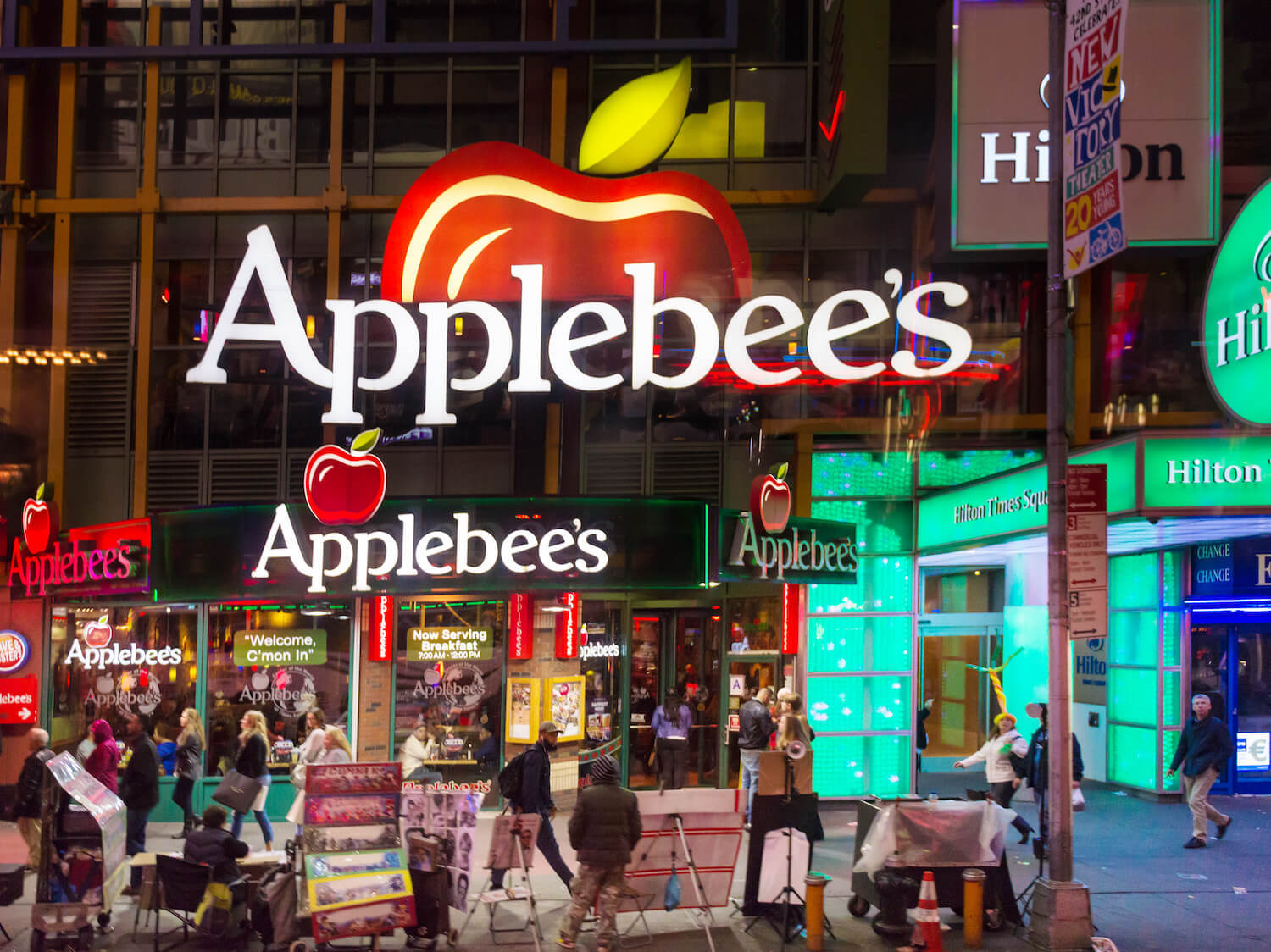
However, critics and cultural commentators raise concerns regarding the steady erosion of culinary diversity. As national chains colonize commercial corridors—such as the planned opening of a full-service P.F. Chang’s location in New York City’s Union Square—neighborhoods risk losing the distinct regional flavors and independent character that define local commerce.
Furthermore, culinary researchers note that standardized corporate menus can subtly alter public perception of global cuisines. Highly standardized, localized adaptations of international dishes—such as Americanized Italian or Asian-fusion cuisine—frequently establish a baseline of consumer expectation that diverges significantly from authentic culinary traditions. When corporate flavors dominate the marketplace, genuine regional heritage can be eclipsed by mass-produced uniformity.
Economic Wealth Extraction and the Path Forward
Another critical dimension of the chain restaurant expansion is local economic retention. Independent restaurants typically reinvest a significantly higher percentage of their revenues directly into the local economy through regional supply chains, local employment compensation, and community partnerships. Conversely, national chains frequently operate on corporate-driven models where net profits are directed toward centralized shareholders and corporate headquarters.
Comparing the trajectory of the restaurant industry to the transformation of retail commerce driven by e-commerce giants like Amazon, urban planners and community advocates suggest that mitigating the loss of independent dining requires deliberate policy interventions. Proposed solutions include the implementation of municipal zoning ordinances designed to protect local storefronts, the establishment of commercial rent stabilization measures, and the creation of targeted tax incentives for independent business operators.
Ultimately, the future of the American dining landscape depends on consumer choices and local governance. Without conscious efforts to support independent operators and preserve commercial diversity, cities and towns across the nation face the prospect of a uniform culinary monoculture, where neighborhoods retain little of the distinct regional identity that once defined them.
Related posts: