The Rise of Pastina Soup: How Traditional Italian Penicillin Captured Modern Culinary Attention

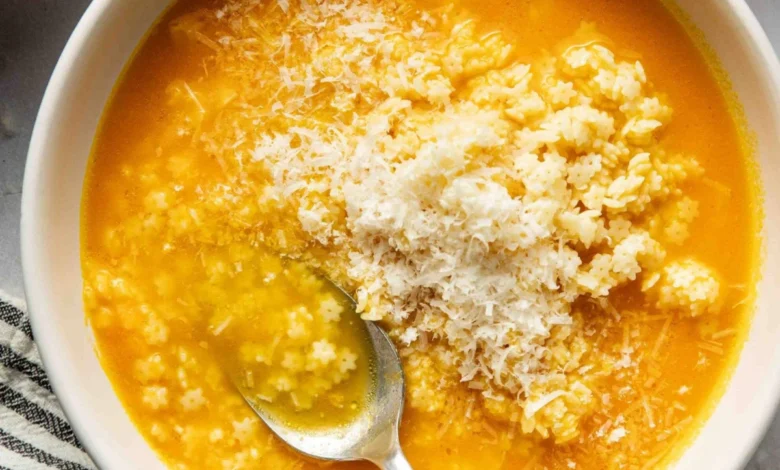
The humble bowl of pastina soup—affectionately dubbed "Italian penicillin"—has transitioned from a generational household remedy into a widespread contemporary culinary phenomenon. As cold and flu season reaches its peak across households globally, this traditional comforting dish has experienced an unprecedented surge in popularity, propelled by viral social media trends and a collective cultural craving for nostalgic, easily digestible nourishment.
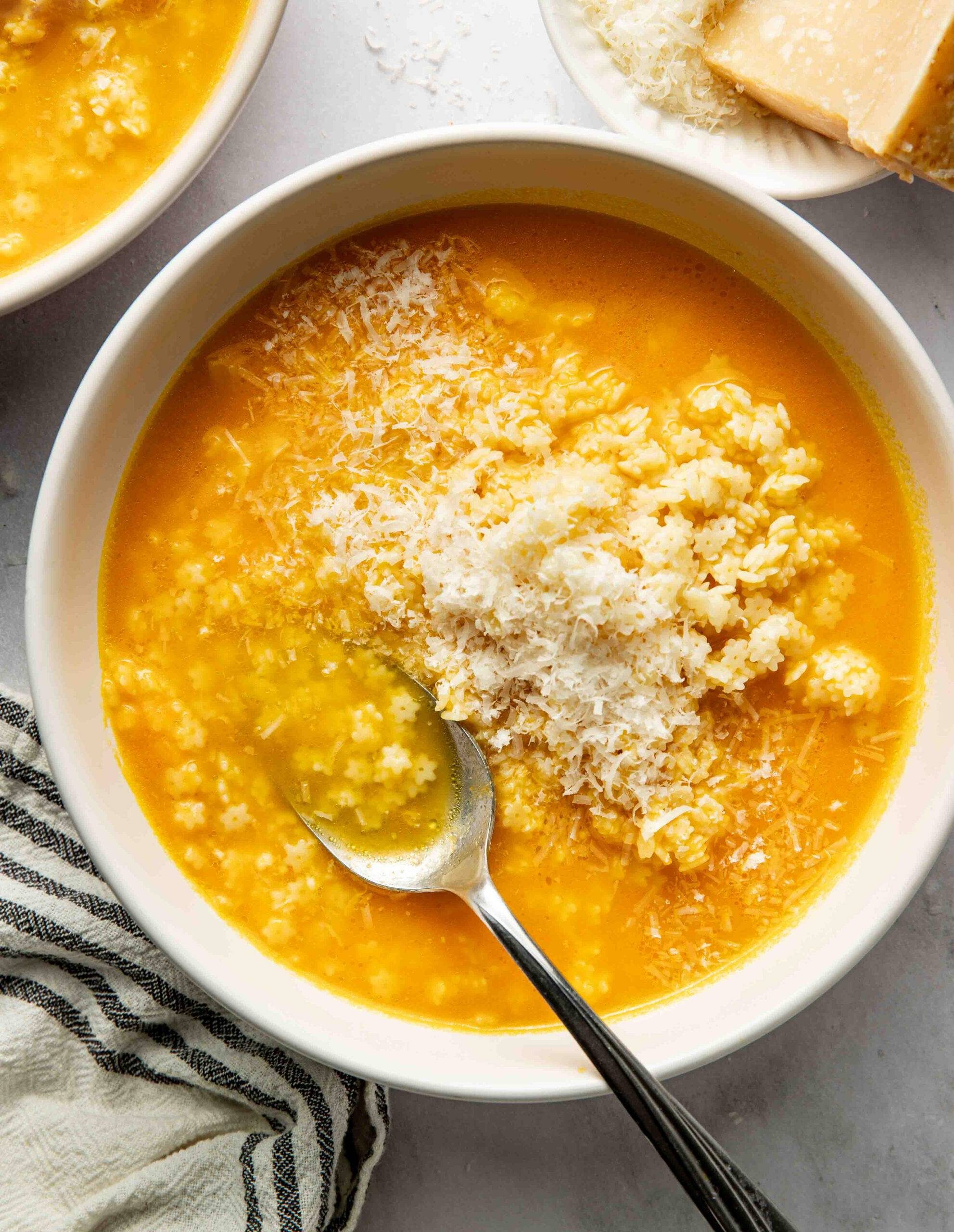
Originating centuries ago within the kitchens of Italian grandmothers, pastina—meaning "little pasta"—consists of tiny, star-shaped or granular pasta varieties boiled in nutrient-dense broths. While chicken noodle soup has historically held the title of the quintessential Western sick-day meal, pastina soup offers a lighter, deeply comforting alternative that has recently captivated digital food spaces and mainstream kitchens alike.
Chronology of a Comfort Food Trend

The modern trajectory of pastina soup highlights the powerful intersection of traditional family recipes and digital media amplification. For generations, the dish served a singular purpose: an accessible, gentle meal designed to soothe the stomach and lift the spirits of ailing family members.
Over the past several years, however, the dish broke out of its traditional confines. Culinary creators and everyday home cooks began sharing their personal variations of the soup on platforms like TikTok and Instagram, transforming a private sick-bed ritual into a public cultural trend. Food bloggers and recipe developers soon noticed a massive spike in engagement surrounding simple, high-comfort broth recipes. Food media personalities documented how a basic combination of rough-chopped vegetables, simmered broths, blended aromatic bases, and microscopic pasta could yield complex, restorative flavors. Retailers reported notable increases in the sales of star-shaped pastina varieties, reflecting a broader consumer shift toward accessible, comforting culinary traditions during periods of seasonal illness and collective stress.
Nutritional and Culinary Anatomy of the Dish
At its core, the appeal of pastina soup lies in its minimalist yet deliberate preparation method, which balances culinary science with restorative comfort. Unlike heavy cream-based soups or complex stews, pastina relies on the extraction of flavors from a foundational vegetable and broth base.

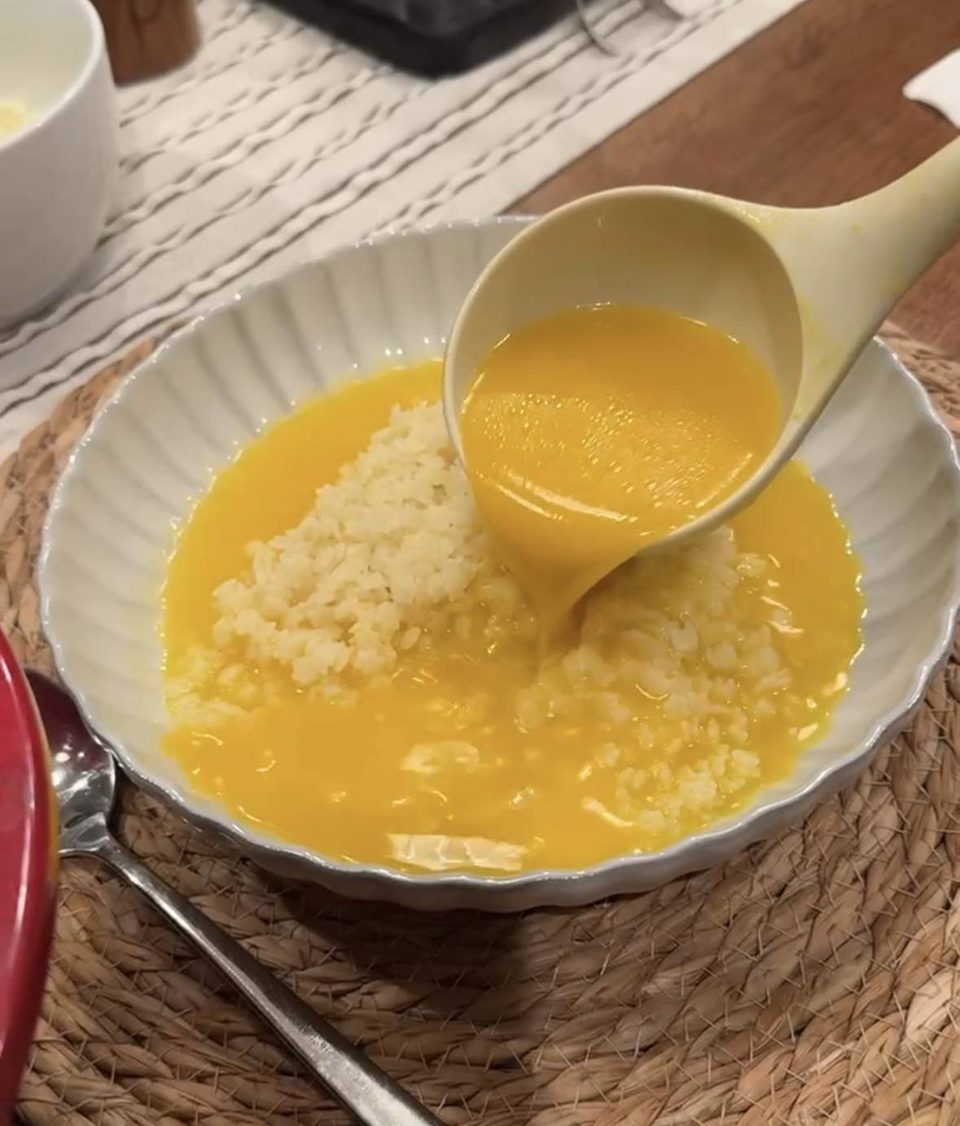
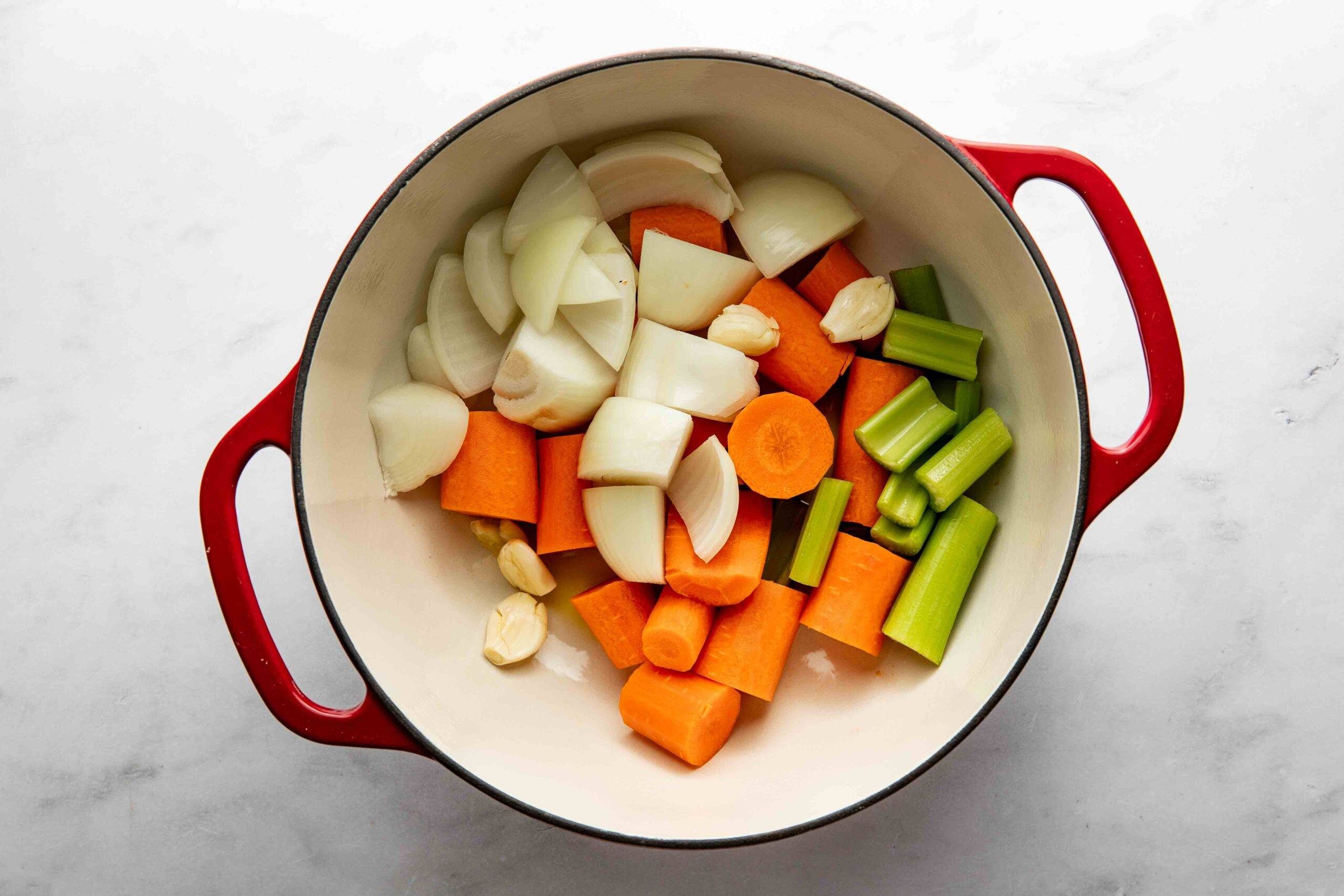
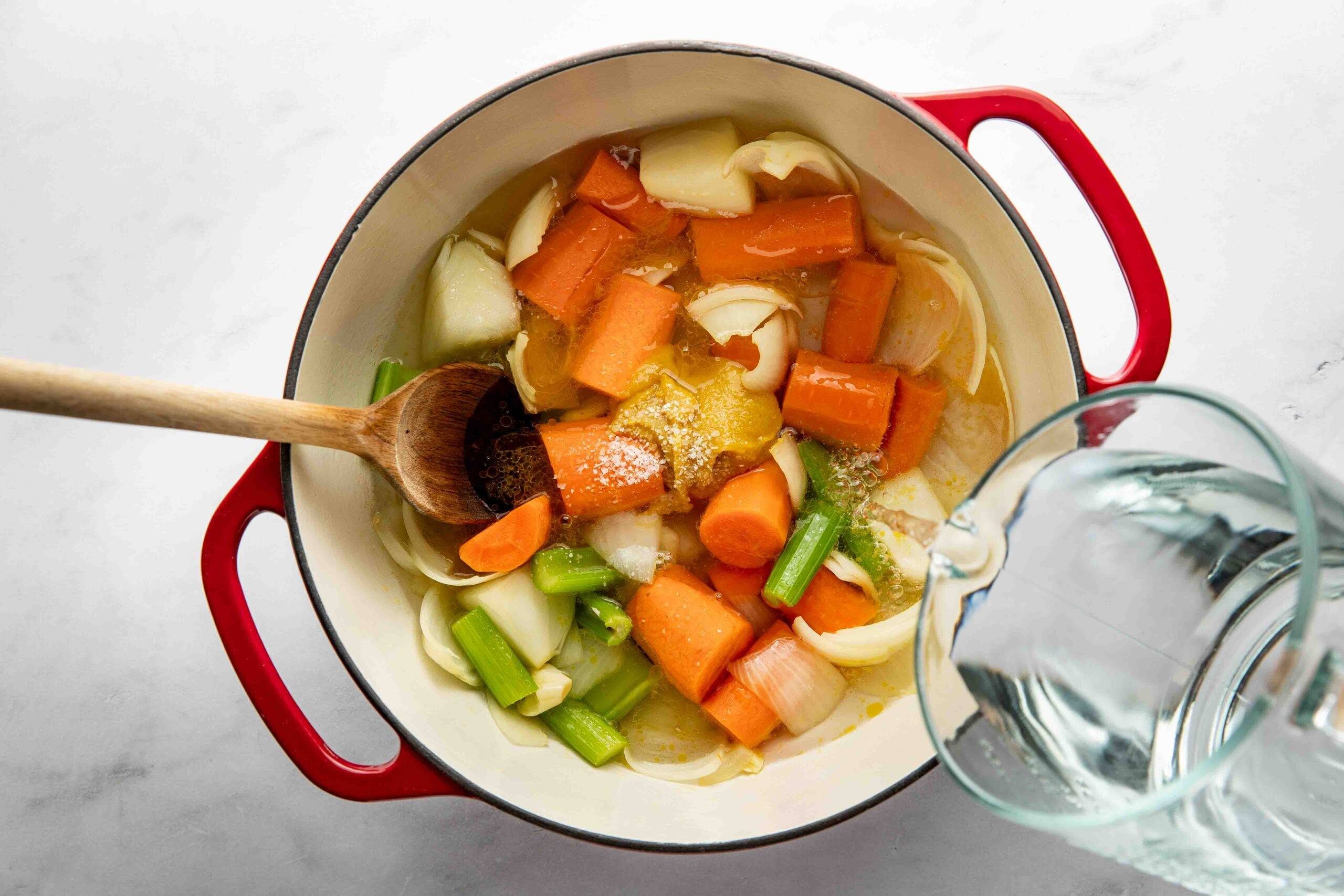
The standard preparation involves sautéing rustic vegetables—typically carrots, celery, and onions—in olive oil to release aromatic compounds before simmering them in water infused with a high-quality broth concentrate, such as vegetable or chicken bouillon. A defining technique in elevated versions of the recipe involves removing the softened vegetables, blending them back into a smooth, vibrant purée, and reincorporating them into the simmering pot. This process yields a naturally emulsified, golden broth that carries rich body without relying on heavy creams or starches.
The pastina itself is typically cooked separately or added directly to the enriched broth just before serving. Because of its microscopic size, the pasta cooks rapidly, releasing a minimal amount of starch that subtly thickens the surrounding liquid. Finished with a drizzle of extra virgin olive oil and a generous dusting of grated Parmigiano-Reggiano, the dish provides a balanced profile of carbohydrates, fats, and savory umami flavors.
Public Reception and Cultural Implications
The widespread adoption of pastina soup reflects changing consumer preferences in home cooking, particularly during times of physical and emotional fatigue. Culinary analysts note that contemporary consumers increasingly gravitate toward "low-friction" cooking—recipes that require minimal physical effort, utilize pantry staples, and yield maximum psychological comfort.
When viral food trends intersect with practical domestic needs, recipes like pastina soup often transition from temporary social media sensations into permanent household staples. Healthcare and nutrition professionals frequently emphasize the psychological importance of comfort foods during illness, noting that hydration and ease of digestion are critical when appetites wane. The savory profile of a well-crafted broth stimulates the palate, encouraging fluid intake and caloric consumption when patients might otherwise reject heavier foods.
Furthermore, the resurgence of pastina highlights a broader cultural appreciation for heritage cooking. In an era dominated by complex culinary techniques and elaborate restaurant presentations, the return to a simple bowl of tiny star-shaped pasta in seasoned broth underscores the enduring power of simplicity, tradition, and shared domestic comfort.