The Science of Emulsification and Stability
The primary cause of failure in deep-fried macaroni and cheese is the separation of fat and water within the cheese sauce when it reaches the temperature of the deep fryer, typically between 350°F and 375°F (175°C to 190°C). Traditional cheddar or gruyère-based sauces rely on a flour-based roux for thickness, but this does not prevent the protein chains from tightening and expelling liquid fat under intense heat.
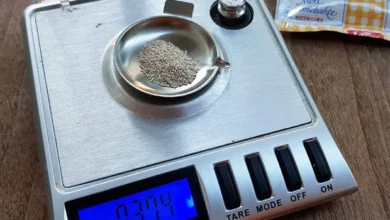
By incorporating sodium citrate and sodium hexametaphosphate, chefs can manipulate the protein structure of the cheese. Sodium citrate acts as an emulsifying salt, which prevents the separation of fats by sequestering calcium ions. This process allows the proteins in the cheese to remain in a stable, homogeneous state even when the sauce is heated. Sodium hexametaphosphate, a polyphosphate often used in the food industry for its water-binding properties, further ensures that the sauce maintains its viscosity and structural integrity. This dual-additive approach creates a "glassy" cheese matrix that is essentially indestructible in the context of high-heat cooking, allowing the breading to crisp up without the internal filling compromising the structural shell.
Chronology of Culinary Modernism
The evolution of this technique traces back to the early 2000s, when proponents of modernist cuisine began exploring how hydrocolloids and mineral salts could improve the texture of processed foods. While industrial food manufacturers had been using these techniques for years to create shelf-stable cheese products, the application in high-end gastronomy was slow to take hold.
By 2015, the focus shifted toward "comfort food elevation," where chefs sought to apply scientific rigor to classic dishes. The transition from using these chemicals in molecular gastronomy labs to residential kitchens was facilitated by the growth of online retailers specializing in food-grade additives. By 2025, the technique of using sodium citrate for "perfect" cheese sauces became a mainstream topic in culinary education, moving from a niche secret to a standardized methodology for restaurant appetizers. The current iteration, which specifically targets the deep-frying instability of macaroni, represents the culmination of nearly two decades of testing in home and professional test kitchens.
Supporting Data and Methodology
The efficacy of this method is quantifiable through the reduction of oil contamination. In standard deep-frying operations, a "blowout" event typically results in an oil degradation rate increase of 15% due to the introduction of charred proteins and milk solids. Using the stabilized cheese matrix method, oil contamination remains near zero, extending the functional life of frying oil and maintaining a cleaner flavor profile for the final dish.
The preparation timeline for this dish requires a significant period of rest, a departure from the "quick-fix" mentality of standard comfort food. The process is divided into two distinct phases:
- Active Preparation (20 Minutes): This involves the creation of the stabilized cheese sauce, the incorporation of al dente pasta, and the setting of the mixture into a mold.
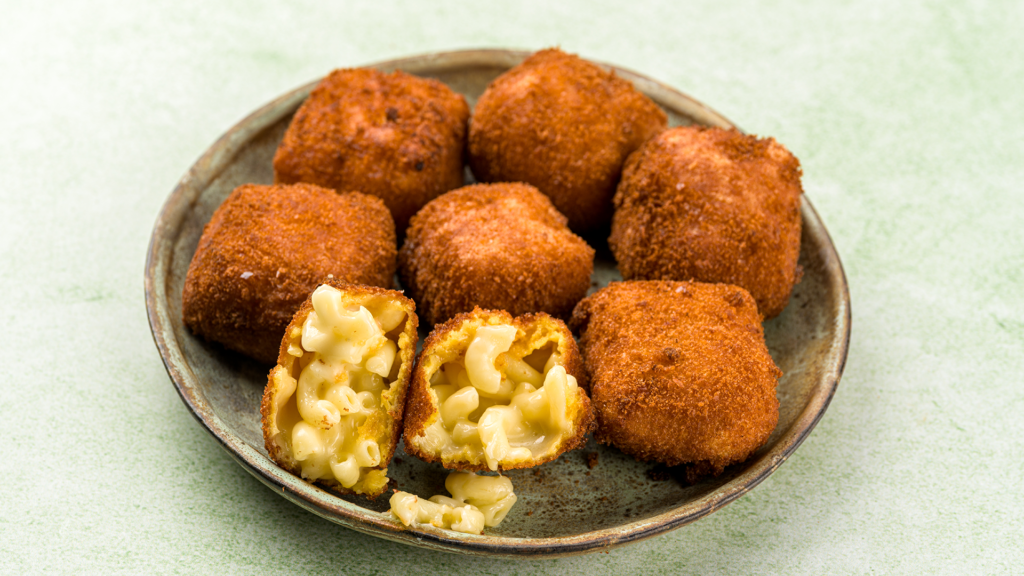
- Structural Maturation (24 Hours): The mixture must be refrigerated for a full 24-hour cycle. This is a critical period of crystallization. As the cheese matrix cools and sets, the polyphosphates continue to bond with the milk proteins, creating a dense, firm block that can be cut into precise squares. Without this 24-hour window, the structural integrity is significantly reduced, increasing the risk of structural failure during the breading and frying phase.
Official Perspectives and Industry Reaction
Professional chefs and food scientists have noted that the adoption of these additives does not diminish the nutritional value of the dish but rather enhances the consistency of the consumer experience. According to food technologists familiar with dairy stability, the use of sodium citrate is categorized as a safe, standard practice within the food industry, compliant with global food safety standards.
"The goal is to maintain the soul of the dish—the creamy, gooey texture—while eliminating the physical volatility that makes it difficult to prepare," says a representative from a leading culinary development firm. "When we discuss deep-fried macaroni and cheese, we aren’t just talking about a snack; we are talking about engineering a bridge between high-quality dairy and high-temperature thermal processing."
Broader Impact and Culinary Implications
The implications of this technique extend far beyond a single appetizer. It serves as a case study for how home cooks can utilize professional-grade scientific tools to achieve results that were previously limited to high-end banquet catering. As consumers become increasingly informed about the ingredients they use, the market for additives like sodium citrate has seen a steady increase, signaling a shift in how home cooking is approached.
Furthermore, this method suggests a move toward "predictable cooking." By removing the variables that lead to failure—such as the unpredictable melting point of a block of cheddar—cooks can focus on the artistic elements of seasoning and plating. The success of the stabilized mac and cheese method provides a template for future developments in frying technology, potentially allowing for the deep-frying of other traditionally volatile ingredients, such as soft cheeses or delicate vegetable purees.
Analysis of Consumer Trends
The popularity of this dish reflects a broader consumer trend toward "premiumization" of classic comfort foods. Modern diners are increasingly unwilling to accept subpar versions of their favorite dishes. In a competitive hospitality market, the ability to serve a perfectly fried, structurally sound, and texturally complex mac and cheese square has become a point of differentiation for bistros and gastropubs.
The ease of execution—categorized as "Easy"—belies the complexity of the science involved. By shifting the complexity from the cooking technique (which is often high-pressure and time-sensitive) to the preparation and resting phase (which is passive), the recipe allows for greater efficiency in both home and professional kitchens. This separation of concerns is a hallmark of modern culinary efficiency, ensuring that the final execution in the fryer is a low-risk, high-reward endeavor.
Conclusion: A New Standard for Fried Comfort Food
As the culinary world continues to embrace the intersection of science and tradition, the deep-fried mac and cheese square stands as a testament to what is possible when ingredients are understood at a molecular level. The stability provided by sodium citrate and sodium hexametaphosphate effectively eliminates the risk of failure, providing a reproducible, high-quality result that satisfies both the desire for traditional comfort and the need for modern consistency. With a 24-hour maturation period and a quick 20-minute active prep time, this dish is not merely a recipe, but a demonstration of how precise, science-backed methodology can redefine the boundaries of traditional cooking. Whether one considers themselves a home cook, a kitchen chemist, or a professional chef, the adoption of these techniques marks a definitive improvement in the preparation of one of the world’s most popular comfort foods, ensuring that every bite is as structurally sound as it is delicious.