Pasta alla Norma: A Culinary Heritage of Sicily and the Evolution of Mediterranean Gastronomy

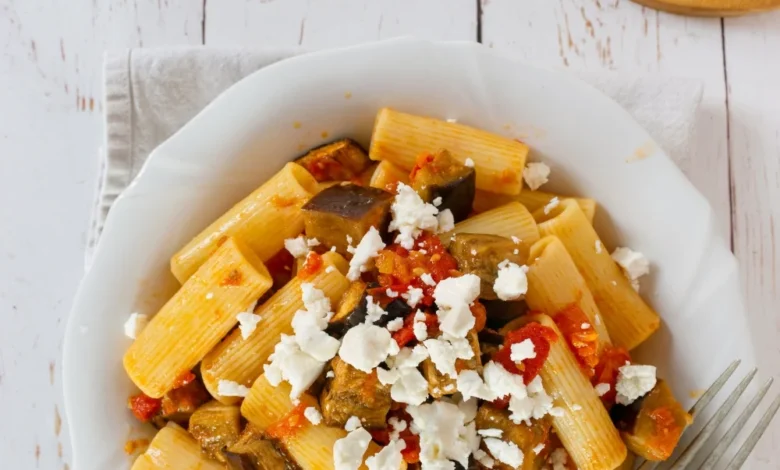
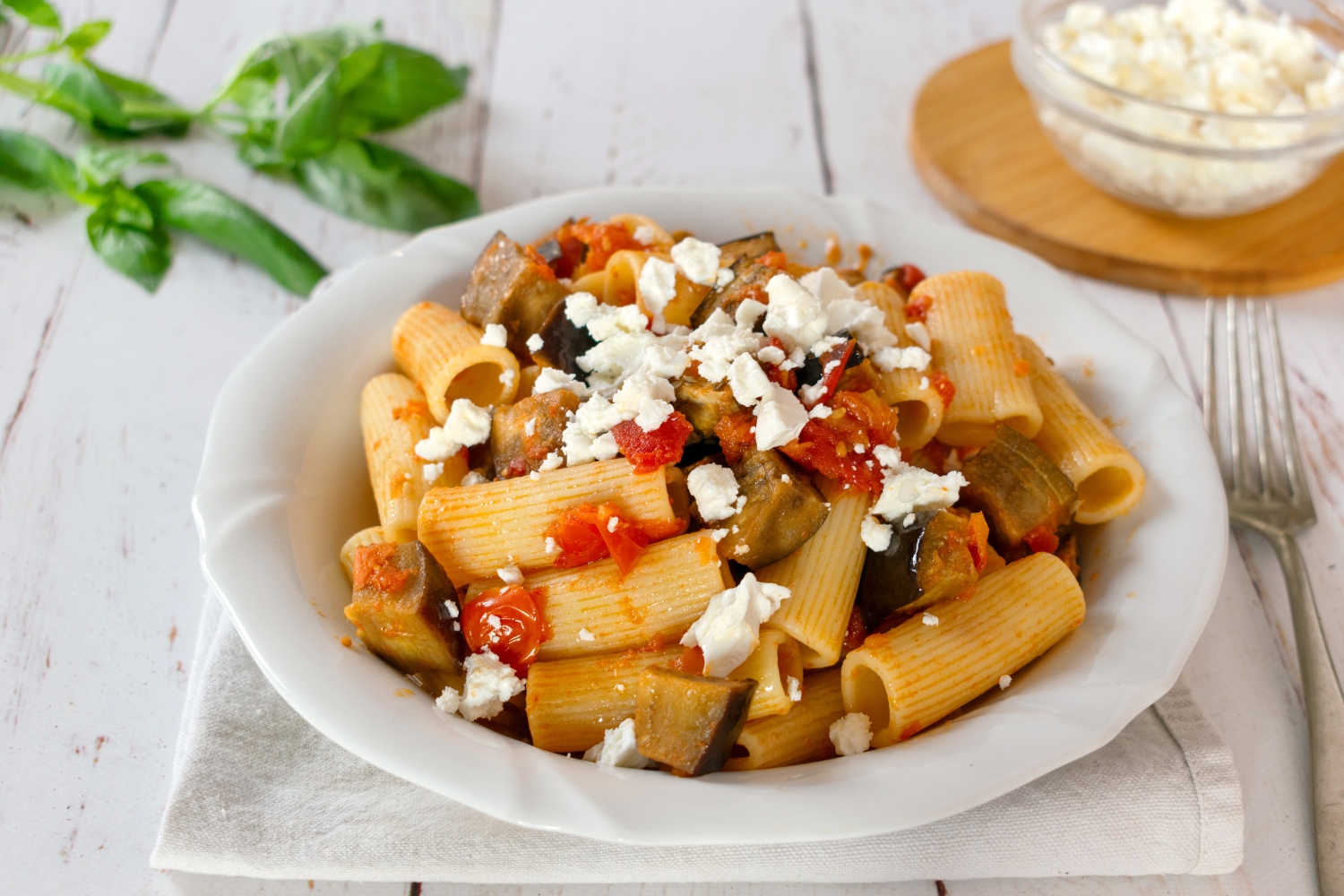
The cultural and culinary landscape of Southern Italy is defined by a dedication to simplicity and the elevation of humble, locally sourced ingredients. Among the most iconic expressions of this philosophy is Pasta alla Norma, a traditional Sicilian dish originating from Catania. This recipe, which harmonizes the earthy, caramelized notes of eggplant with the bright acidity of tomatoes, fresh aromatic basil, and the sharp salinity of ricotta salata, has transcended its regional roots to become a global staple of the Mediterranean diet. As modern nutritional science increasingly validates the health benefits of plant-forward, fat-conscious cooking, Pasta alla Norma serves as a primary example of how historical regional dishes align with contemporary wellness standards.
Historical Context and the Legend of Catania
The origins of Pasta alla Norma are intrinsically linked to the cultural pride of Catania, Sicily. Culinary historians frequently point to the early 20th century as the period during which this dish gained its moniker. The name is widely attributed to a tribute to Vincenzo Bellini, the celebrated Catanese opera composer. According to local lore, when the writer Nino Martoglio first tasted the dish, he was so moved by its perfection that he exclaimed it was worthy of being compared to Bellini’s masterpiece, the opera Norma.
While the exact date of this naming remains a matter of folklore, the dish solidified its status as a symbol of Sicilian identity by the mid-1900s. Unlike many Italian pasta dishes that rely on heavy meat-based ragùs, Pasta alla Norma utilizes the eggplant—a vegetable that flourished in the volcanic soils of Mount Etna—as the primary protein-like component. This substitution reflects the historical economic reality of Sicily, where meat was often a luxury, forcing the development of sophisticated vegetable-based recipes that provided both satiety and flavor.
Nutritional Profile and Mediterranean Diet Integration
From a nutritional standpoint, Pasta alla Norma represents the ideal ratios of the Mediterranean diet, a dietary pattern recognized by UNESCO as an Intangible Cultural Heritage of Humanity. The dish focuses on five key pillars: complex carbohydrates from wheat-based pasta, antioxidants from tomatoes, dietary fiber from eggplant, healthy monounsaturated fats from extra virgin olive oil, and high-quality protein and calcium from sheep’s milk cheese.
Data from the Mediterranean diet longitudinal studies suggest that regular consumption of lycopene-rich cooked tomatoes, especially when combined with olive oil, significantly increases the bioavailability of essential nutrients. The eggplant, while low in calories, provides a substantial mouthfeel, aiding in portion control and satiety. By opting for traditional durum wheat pasta and high-quality extra virgin olive oil, the dish offers a steady release of energy without the inflammatory risks associated with refined, processed alternatives. Culinary experts suggest that the "salting" process, while optional, is more than a flavor enhancement; it alters the cellular structure of the eggplant, allowing it to absorb less oil during the frying process, thereby improving the overall lipid profile of the finished meal.
Technical Preparation: A Methodology of Precision
The preparation of Pasta alla Norma is a study in precise heat management. Professional chefs and home cooks alike emphasize the importance of the initial treatment of the eggplant. The process begins with cutting the vegetable into uniform 1-inch cubes. The application of salt serves two purposes: the osmotic drawing of bitter juices and the removal of excess water. By dehydrating the eggplant surface, the chef ensures that the vegetable browns (a Maillard reaction) rather than steams, which is critical for achieving the desired velvety texture.
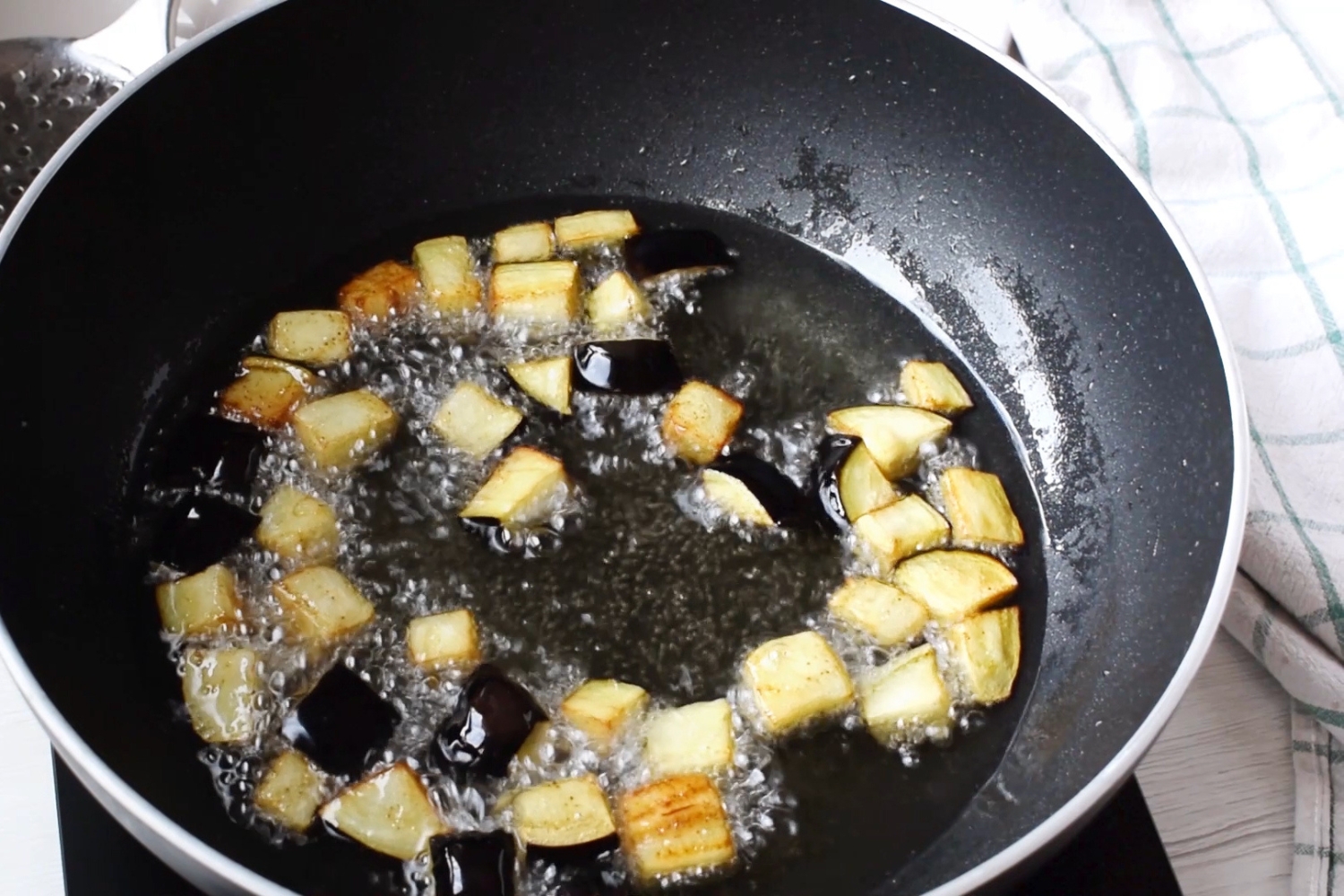
The sequence of operations is as follows:
- Preparation: Salting for 30 minutes, followed by a thorough rinse and total desiccation.
- Sautéing: Utilizing the high smoke point of extra virgin olive oil to caramelize the eggplant in small, controlled batches to avoid temperature drops in the pan.
- Sauce Development: Utilizing the residual oil and flavor compounds left in the skillet to bloom garlic, followed by the integration of San Marzano tomatoes.
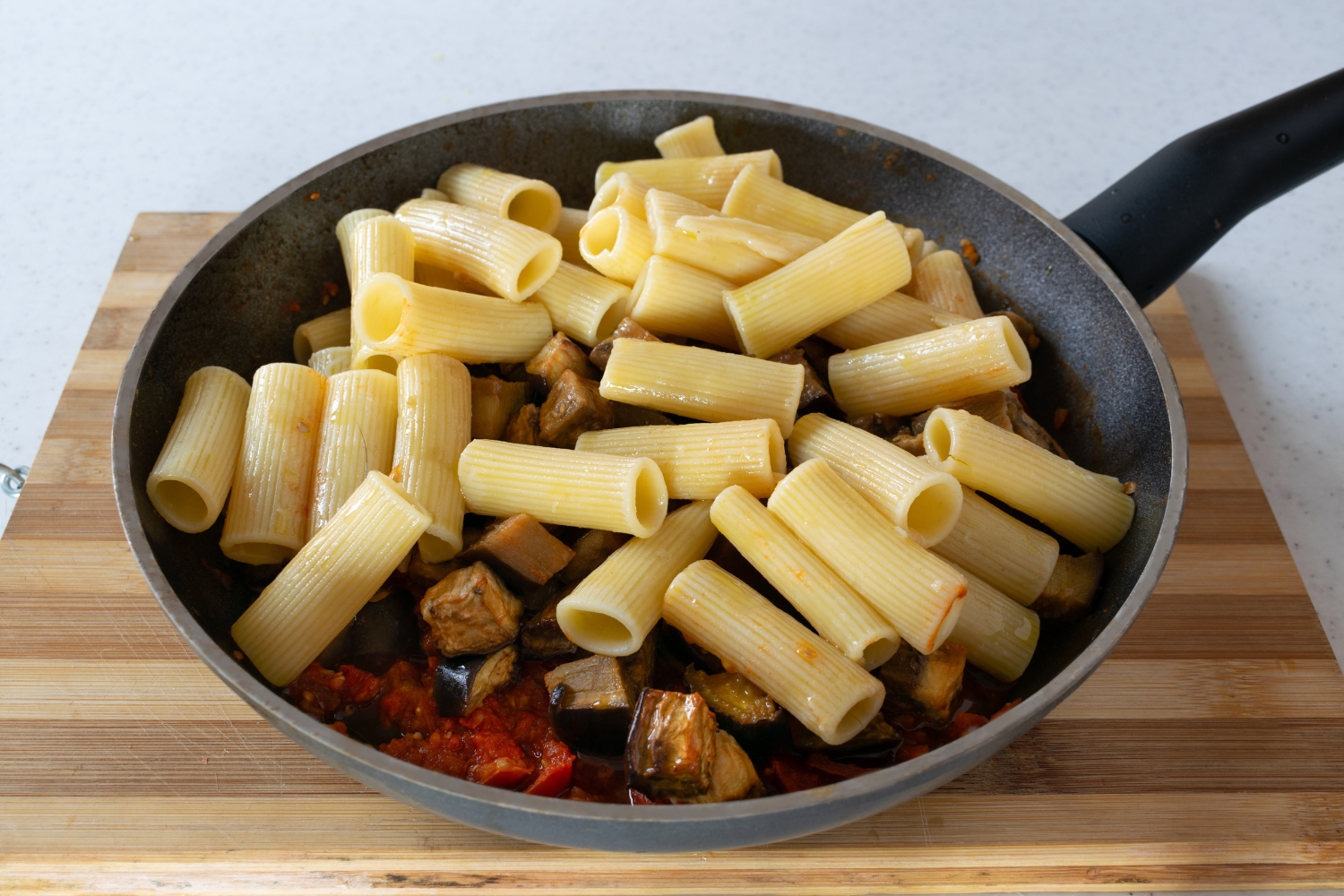
- Emulsification: The final, crucial step involves the addition of starchy pasta water to the sauce, which binds the fats and tomato solids into a cohesive, clinging glaze that coats the pasta uniformly.
Comparative Analysis of Ricotta Salata and Fresh Ricotta
A frequent point of debate in culinary circles concerns the choice of cheese. Traditionalists maintain that ricotta salata—a pressed, salted, and aged version of ricotta—is the only authentic choice. Its firm, crumbly texture and sharp, salty profile provide a necessary counterpoint to the sweet acidity of the cooked tomatoes. Conversely, modern iterations often use fresh, creamy ricotta. While the latter creates a more decadent, emulsified sauce, nutritionists note that fresh ricotta provides a higher moisture content and a slightly lower sodium density compared to the aged, salted variety. Both versions remain consistent with the dish’s heritage, provided the quality of the sheep’s milk remains paramount.
Broader Socio-Economic Impact
The endurance of Pasta alla Norma in the global culinary market has had measurable impacts on the export of Italian agricultural products. The demand for specific regional ingredients—such as San Marzano tomatoes, which are protected by DOP (Denominazione di Origine Protetta) status, and traditional ricotta salata—has supported small-scale agricultural cooperatives in Sicily.
Furthermore, the dish has become a case study in the sustainability of plant-forward dining. As major food policy organizations, such as the EAT-Lancet Commission, push for a reduction in global meat consumption to mitigate environmental degradation, recipes like Pasta alla Norma are being highlighted as models for a sustainable future. By demonstrating that a vegetable-centric meal can provide the same level of gratification as a meat-based dish, Pasta alla Norma serves as a gateway for consumers transitioning away from heavy protein dependency.
Best Practices for Modern Kitchens
To maintain the integrity of the dish while adapting to modern kitchen technology, culinary professionals advise the following:
- Avoid Overcrowding: The primary cause of "soggy" eggplant is overcrowding the skillet, which results in the vegetable stewing in its own moisture.
- Temperature Control: Garlic should be added only after the primary cooking phase of the sauce is near, or immediately before the tomatoes, to prevent bitterness.
- The "Al Dente" Standard: Pasta must be pulled from the boiling water at least two minutes before the package directions suggest. The final cooking phase should occur directly in the sauce, allowing the starch from the pasta to act as a thickening agent.
- Seasonal Integrity: When high-quality canned San Marzano tomatoes are unavailable, the dish should be adjusted to account for the variance in acidity found in fresh, out-of-season tomatoes, potentially requiring a small pinch of sugar or a longer reduction time.
Conclusion: A Living Legacy
Pasta alla Norma is far more than a simple pasta dish; it is a synthesis of Sicilian history, agricultural heritage, and a balanced approach to nutrition. As it continues to be prepared in kitchens ranging from rural homes in Catania to high-end restaurants in major metropolitan hubs, its core principles remain unchanged: respect for the quality of the produce, a commitment to proper technique, and the celebration of the Mediterranean way of life. By focusing on these elements, cooks can ensure that this classic dish remains a relevant and vital part of the global culinary repertoire for generations to come. Whether served as a standalone meal or as part of a larger gastronomic display, it remains an enduring testament to the power of simple, honest ingredients, transformed by time and technique into something truly extraordinary.