For decades, the prevailing medical advice regarding heart health centered on a policy of restriction. Patients were frequently told to banish eggs from their refrigerators, avoid all fats, and strictly limit dietary cholesterol. However, contemporary nutritional science has moved toward a more sophisticated understanding of cardiovascular health, shifting the focus from simple elimination to the inclusion of nutrient-dense, heart-supportive dietary patterns. At the forefront of this evolution is the Mediterranean Diet, a regimen that does not merely suggest what to subtract, but emphasizes the strategic addition of foods proven to modulate lipid profiles and bolster long-term vascular integrity.
The fundamental shift in modern cardiology lies in recognizing that dietary cholesterol is often a secondary concern compared to the intake of saturated fats. While the body requires cholesterol for essential processes—including hormone production and cellular membrane maintenance—an excess of low-density lipoprotein (LDL) cholesterol in the bloodstream remains a primary risk factor for atherosclerosis. When these particles infiltrate artery walls, they contribute to the formation of plaque, which can eventually rupture, triggering cardiovascular events such as heart attacks or strokes. Consequently, the goal is not merely to achieve a lower number on a lab report, but to optimize the biochemical environment within the arteries.
Historical shifts in dietary guidelines have documented this transition. In the late 20th century, the "low-fat" movement dominated public health, often leading to a spike in the consumption of refined carbohydrates and highly processed foods that, while low in fat, negatively impacted metabolic health. Today, research supported by the PREDIMED study—a landmark clinical trial involving over 7,000 participants—has demonstrated that Mediterranean dietary patterns, enriched with healthy fats like extra virgin olive oil and nuts, significantly reduce the risk of major cardiovascular events.
The Strategic Shift: Replacing Saturated Fats
The Mediterranean approach operates on the principle of "better swaps." Instead of viewing the diet as a list of forbidden items, nutritionists now recommend replacing sources of saturated fat—such as butter, lard, cream, and fatty cuts of processed meats—with sources of unsaturated fats, fiber, and potent antioxidants. This strategy serves a dual purpose: it lowers the intake of pro-inflammatory saturated fats while simultaneously providing the body with the tools it needs to regulate cholesterol metabolism.
The Five Pillars of Cardiovascular Support
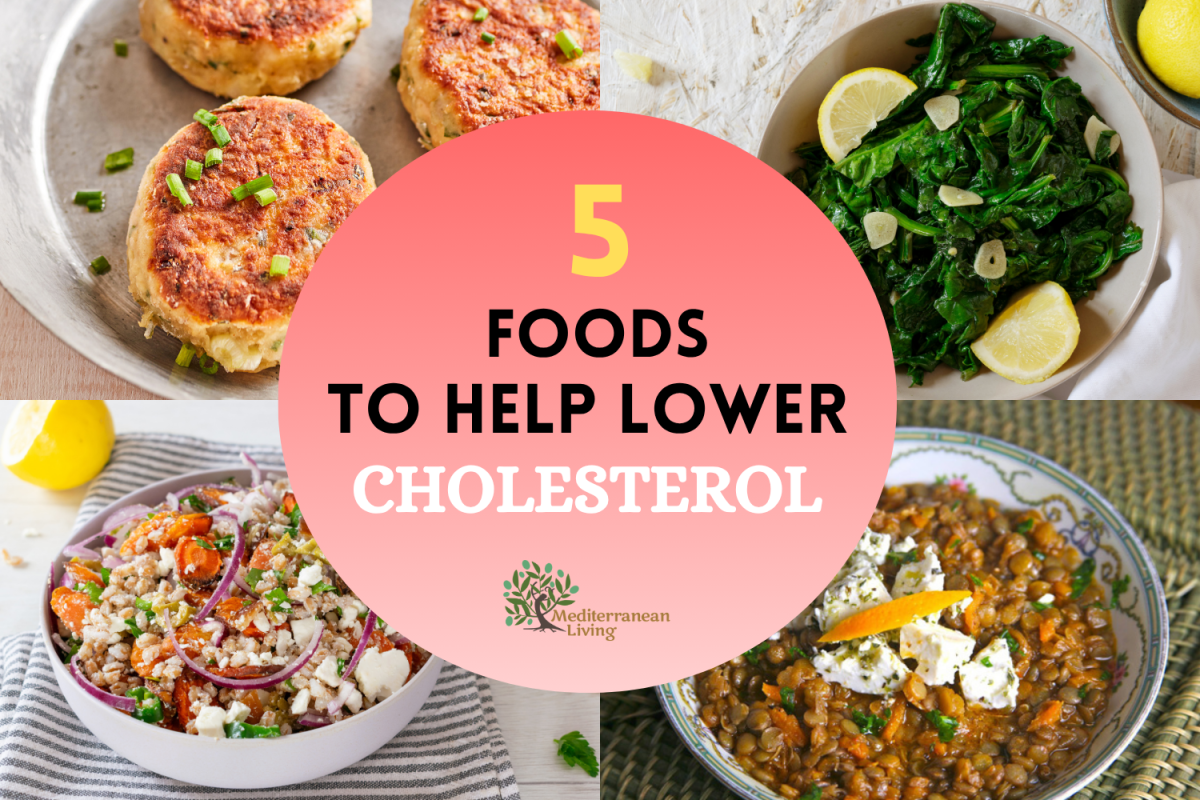
Current nutritional evidence highlights five key food groups that act as the backbone of a heart-healthy Mediterranean protocol:
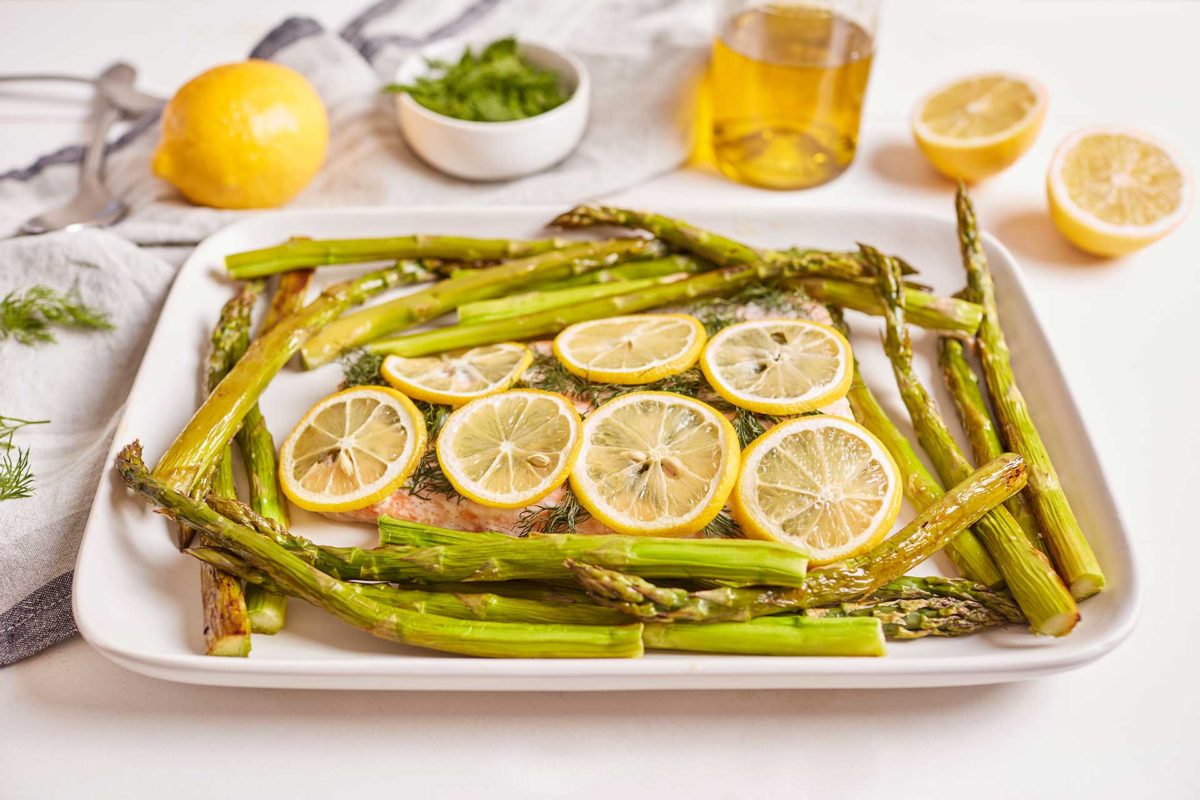
1. Fatty Fish
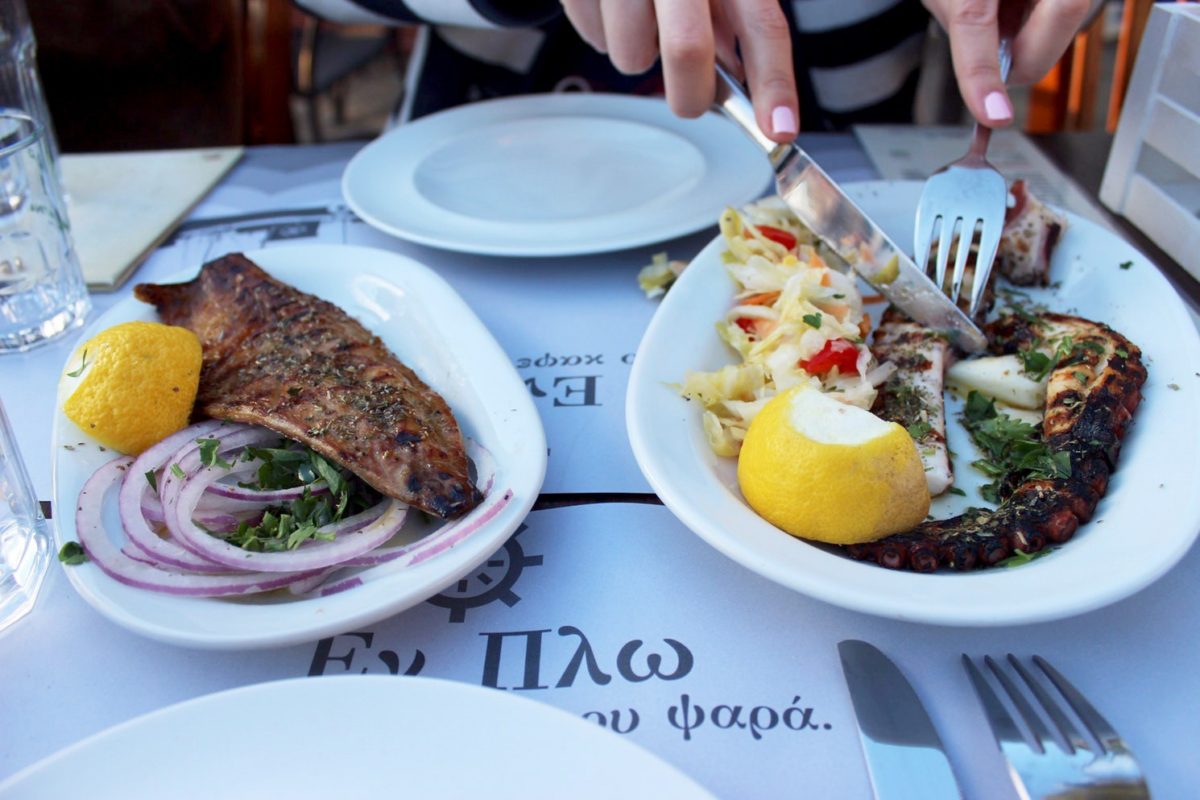
Rich in omega-3 fatty acids, particularly eicosapentaenoic acid (EPA) and docosahexaenoic acid (DHA), fish such as salmon, sardines, mackerel, and trout are essential. These fatty acids are not directly credited with lowering LDL, but they play a critical role in reducing triglycerides and suppressing inflammation. By substituting a serving of sausage or red meat with a fatty fish entree, individuals drastically improve their ratio of unsaturated to saturated fats.
2. Whole Grains
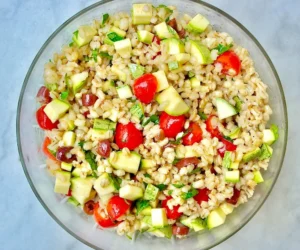
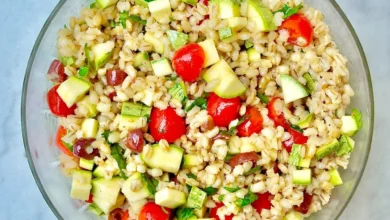
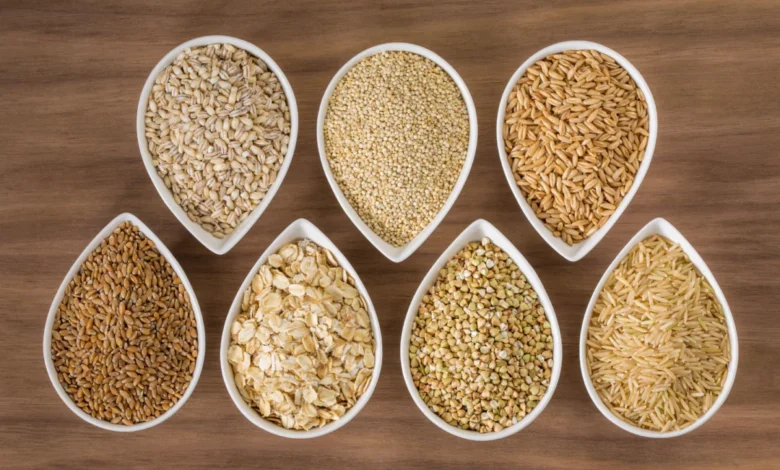
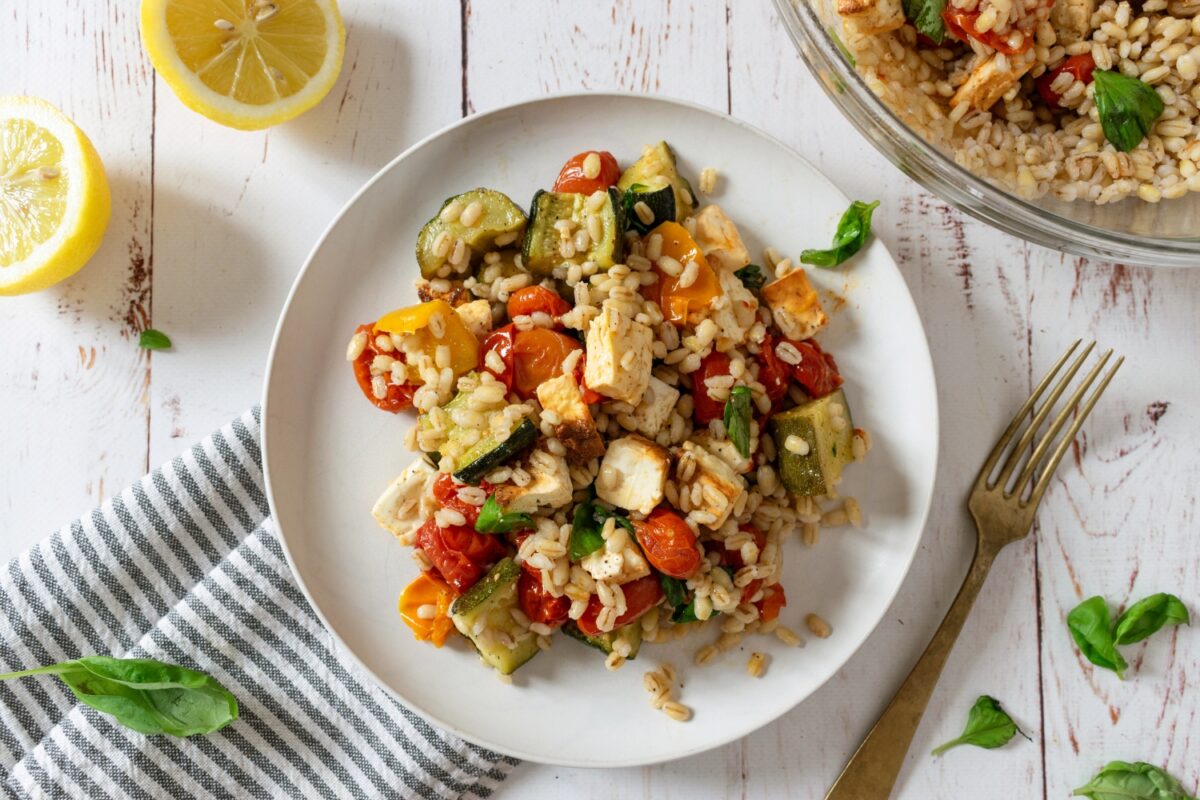
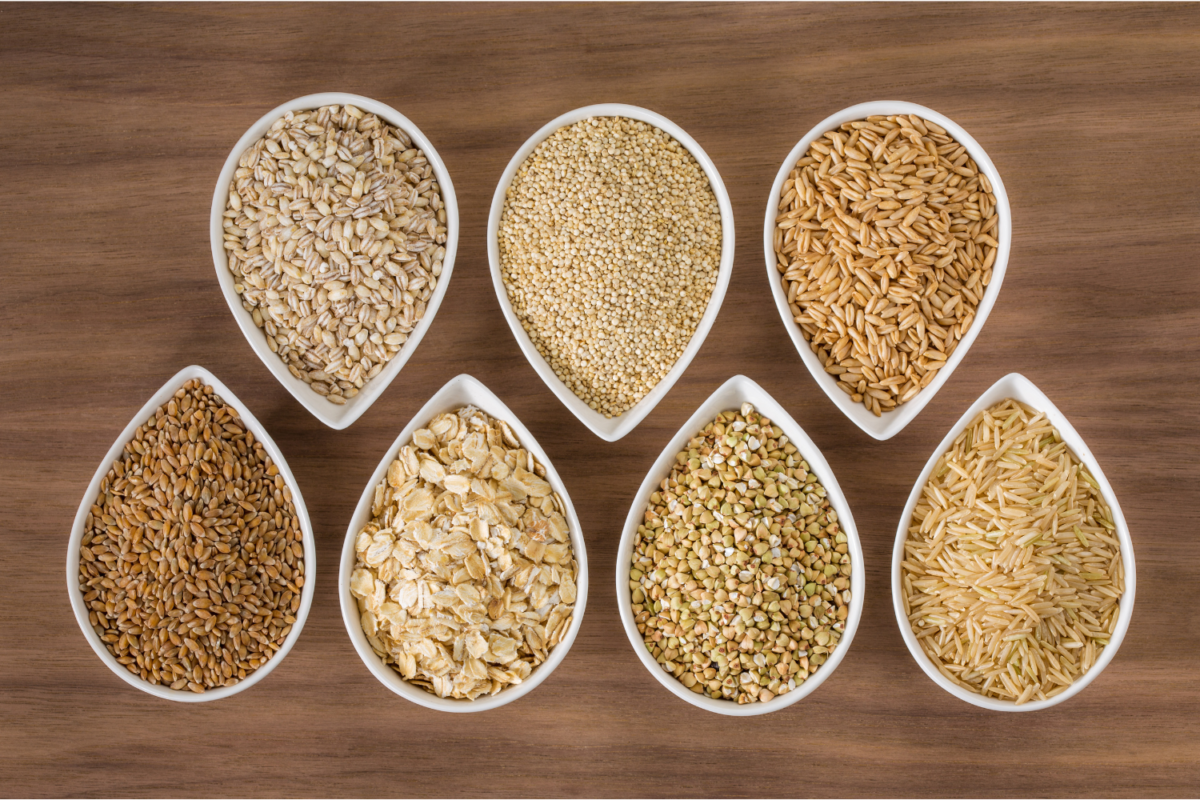
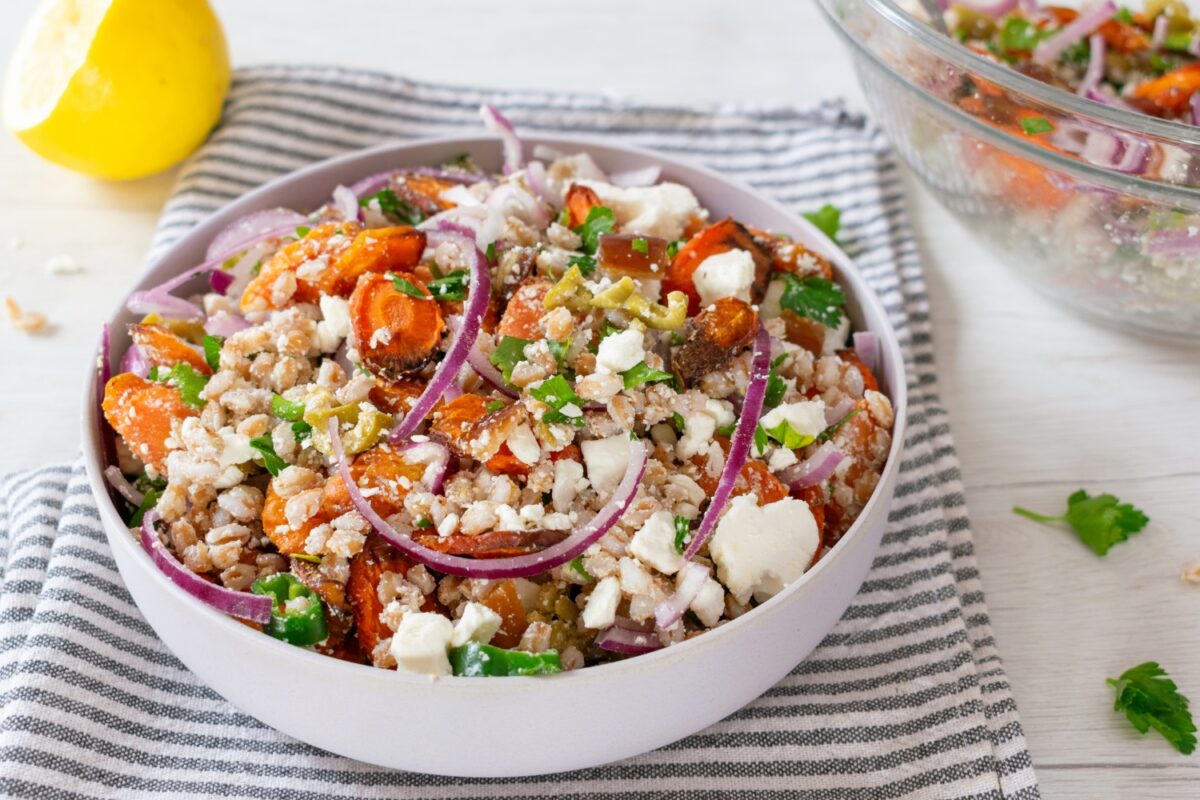
While oatmeal has long held the spotlight, other grains like barley, farro, and bulgur are equally potent. These grains are high in beta-glucan, a form of soluble fiber that creates a viscous gel in the digestive tract. This gel binds to bile acids, which are made from cholesterol, and prevents their reabsorption. To replace these lost bile acids, the liver must pull additional cholesterol from the blood, effectively lowering circulating LDL levels.
3. Extra Virgin Olive Oil
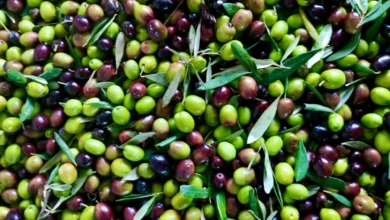
Extra virgin olive oil (EVOO) is perhaps the most iconic component of the Mediterranean diet. Beyond its high monounsaturated fat content, it is rich in polyphenols—plant compounds that act as antioxidants. These compounds help protect LDL particles from oxidation, a critical step in the development of arterial plaque. In the context of the Mediterranean lifestyle, olive oil is not a supplement but a culinary staple used to enhance the flavor of vegetables, making nutrient-dense meals more palatable and sustainable.
4. Beans and Legumes
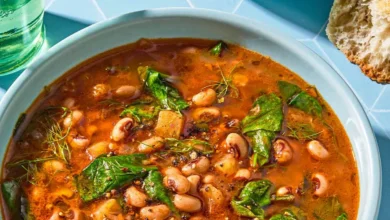
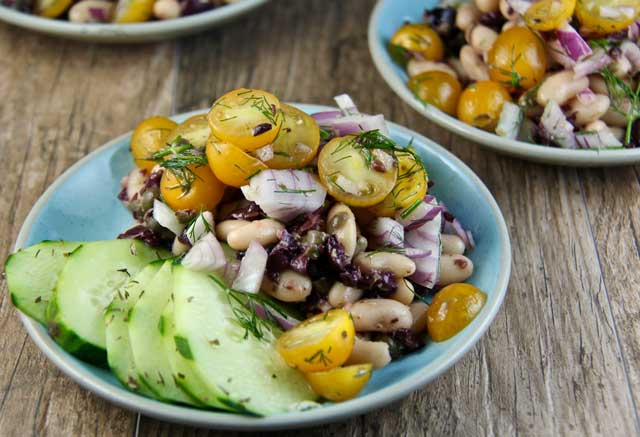
Lentils, chickpeas, and black beans provide a powerhouse of soluble fiber and plant-based protein. When legumes replace meat, the nutritional profile of the meal shifts from saturated fat and cholesterol to fiber, folate, and potassium. Furthermore, the resistant starch found in these pulses supports a healthy gut microbiome, which recent studies suggest may play a significant role in systemic metabolic regulation.
5. Nuts and Seeds
Walnuts, almonds, and pistachios represent the final tier of heart-supportive foods. Walnuts are particularly notable for their high alpha-linolenic acid (ALA) content, a plant-based omega-3. Nuts contain plant sterols, which compete with cholesterol for absorption in the gut, thereby reducing the amount that enters the bloodstream. Furthermore, they are linked to improvements in ApoB levels, a protein marker that provides a more accurate assessment of the number of dangerous cholesterol-carrying particles in the blood than LDL-C alone.
Clinical Implications and Expert Guidance
Medical professionals emphasize that while these foods are potent, they are not "magic bullets." The efficacy of the Mediterranean diet is cumulative; the health benefits are derived from the synergy of these foods acting in concert over months and years. For example, a dinner consisting of a lentil soup, an authentic Greek salad (with tomatoes, cucumbers, and olive oil), and a small serving of whole-grain bread provides a comprehensive spectrum of nutrients that work together to lower cardiovascular risk.
The implication of this research is a move toward more sustainable health interventions. By moving away from restrictive, short-term diets, patients are more likely to adhere to a pattern that promotes long-term weight management, blood pressure control, and blood sugar stability.
However, it is crucial to note that dietary changes should not be treated as a substitute for professional medical care. For patients with diagnosed cardiovascular disease or those currently prescribed statins or other lipid-lowering medications, any significant change in diet should be managed in consultation with a physician or a registered dietitian. These professionals can ensure that dietary adjustments are integrated safely into the patient’s existing treatment plan.
Broader Impact on Public Health
The shift toward these five food categories reflects a broader movement in global public health policy. Governments and health organizations are increasingly emphasizing the "whole plate" approach, encouraging citizens to prioritize whole, minimally processed ingredients. This paradigm shift acknowledges that the complexity of human nutrition cannot be reduced to a single macronutrient.
By focusing on the consistent integration of these five Mediterranean staples, individuals can build an eating pattern that is not only heart-healthy but also culturally rich and enjoyable. The transition to this lifestyle is defined by the replacement of processed, saturated-fat-heavy foods with nutrient-dense alternatives, creating a sustainable, long-term strategy for protecting the cardiovascular system against the risks associated with elevated cholesterol. As the body of evidence continues to grow, it becomes clear that the most effective way to address heart health is to embrace a diet that prioritizes variety, quality, and the strategic inclusion of life-sustaining nutrients.