Tomato Risotto with Frizzled Red Onions Offers a Culinary Defense of Late Summer

The seasonal shift from late summer to early autumn often brings an abrupt commercial pivot toward autumn-themed goods, characterized by the premature arrival of pumpkin spice variants and autumnal decor during periods of high ambient temperature. For consumers resisting this accelerated timeline, culinary adaptation provides a practical means of extending the harvest season. Amidst retail strategies that introduce heavy wool garments and heartier winter provisions weeks in advance of meteorological autumn, home cooks and culinary professionals are increasingly turning to late-season produce—most notably tomatoes—to maintain a connection to summer fare.

This culinary resistance is anchored in the availability of peak-season crops that thrive in lingering warm weather. While agricultural markets transition toward root vegetables, squashes, and apples, fresh tomatoes remain accessible and nutritionally dense, serving as the foundational element for dishes that bridge the seasonal gap. A primary example of this approach is the development of tomato-forward comfort dishes that reject heavy winter broths in favor of vibrant, unmasked summer flavors.
Culinary Methodology and the Evolution of Risotto Preparation
Traditional Italian risotto preparation has long been governed by a strict set of culinary conventions. Standard technique dictates the use of warmed meat or vegetable broths, meticulous measurement of liquids, and continuous, labor-intensive stirring at the stovetop to encourage the release of starches from arborio or carnaroli rice. Furthermore, conventional recipes frequently rely on heavy additions of butter and aged cheeses to achieve a creamy texture.

Recent culinary shifts, however, have challenged these dogmatic requirements. Modern home cooking and professional test kitchens have demonstrated that risotto can be successfully executed using simplified, less demanding methods, including oven-baked techniques. By utilizing an enclosed vessel in a moderate oven, heat circulates evenly, allowing the rice to absorb liquids systematically without the necessity of perpetual stirring.
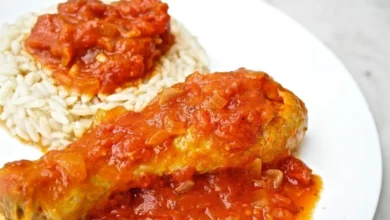
The formulation for Tomato Risotto with Frizzled Red Onions exemplifies this departure from tradition. By substituting standard meat broths with fresh, grated tomato pulp and water, the dish achieves a purer, more concentrated flavor profile that highlights the natural acidity and sweetness of the fruit. The integration of red onions—cooked down to a crisp texture early in the process—provides both a deep aromatic foundation and a textural contrast that replaces traditional meat-based garnishes such as pancetta or prosciutto.

Agricultural Context and Seasonal Transitions
The premature merchandising of autumn goods is a well-documented phenomenon within retail analytics, often referred to as "season creep." Retailers frequently introduce seasonal merchandise significantly ahead of traditional calendar markers to capture early consumer interest and maximize sales windows. Consequently, grocery stores and markets often feature displays of winter squashes and cold-weather squashes alongside late-harvest summer produce.
Despite these commercial pressures, agricultural supply chains continue to yield robust crops of solanaceous vegetables, including tomatoes, peppers, and eggplants, well into September across many temperate growing regions. Agronomists note that extended warmth can prolong the growing season, resulting in high yields of flavorful, sun-ripened tomatoes that benefit from utilization in cooked dishes rather than raw salads alone.

Culinary historians observe that transitional cooking has historically served as a bridge between harvest cycles. Rather than abandoning perishable summer ingredients at the first sign of cooler temperatures, traditional Mediterranean and domestic cuisines favor methods that concentrate and preserve the remaining yields of the season. The reduction of fresh tomato pulp into a risotto base reflects this utilitarian approach to seasonal produce management.
Nutritional and Economic Implications
The incorporation of fresh tomatoes into grain-based dishes provides notable nutritional benefits. Tomatoes are a primary dietary source of lycopene, a carotenoid associated with various health benefits, including cardiovascular support and cellular protection. Cooking tomatoes in the presence of healthy fats, such as the olive oil utilized in the risotto preparation, enhances the bioavailability of these compounds.

From an economic perspective, utilizing peak-season produce at the tail end of summer offers cost advantages for consumers. As local harvests peak, the market availability of field-grown tomatoes increases, frequently driving down retail prices compared to out-of-season hothouse varieties. Preparing dishes that rely on foundational pantry staples—such as rice, garlic, and onions—alongside abundant seasonal vegetables aligns with economical meal planning strategies during periods of broader food inflation.
Recipe Specifications: Tomato Risotto with Frizzled Red Onions
For those seeking to replicate this transitional dish, adherence to specific preparation parameters ensures structural and flavor integrity.

- Oven Temperature: Preheated to 350°F (175°C).
- Primary Ingredients: Short-grain rice, fresh ripe tomatoes (hulled and grated to yield approximately 2.5 to 3 cups of pulp), red onions, garlic cloves, dry white wine, extra virgin olive oil, kosher salt, freshly ground black pepper, and optional finishing elements including unsalted butter, grated parmesan cheese, and fresh basil leaves.
- Preparation Method:
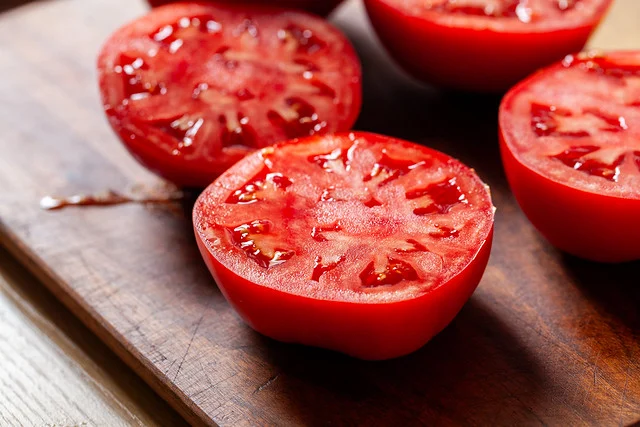
- Grate halved tomatoes against the coarse side of a box grater, reserving the pulp and discarding the outer skins.
- In a 4-quart Dutch oven or oven-safe braiser, heat olive oil over medium-high heat. Add thinly sliced red onions and cook until softened, continuing until deeply golden and crisp (approximately 8 to 10 minutes). Remove half the onions for later use, seasoning with salt.
- Sauté minced garlic with the remaining onions for one minute. Season with salt, pepper, and a pinch of red pepper flakes.
- Toast the uncooked rice in the aromatics for three minutes, then deglaze the pan with white wine until evaporated.
- Incorporate the tomato pulp and measured water, season with kosher salt and pepper, bring to a simmer, and cover.
- Transfer the covered pot to the preheated oven and bake for 25 to 30 minutes until the liquid is mostly absorbed.
- Post-baking, rest and stir the mixture off-heat to develop creaminess, adjusting seasoning and finishing with butter, parmesan, fresh basil, and the reserved crisp red onions.
Broader Culinary Impact
The persistence of summer cooking methodologies in the face of retail seasonal shifts underscores a broader consumer desire for intentional, ingredient-driven meal preparation. By prioritizing what is locally and seasonally optimal over commercial calendar dictates, home cooks can maximize the utility of agricultural yields while asserting autonomy over their dining experiences. As food systems continue to adapt to shifting climate patterns and retail trends, the practice of bridging seasonal divides through adaptable, produce-centric recipes remains a cornerstone of contemporary domestic gastronomy.