The Seasonal Rise of the Seville Orange: A Culinary Tradition and Its Revolutionary Evolution


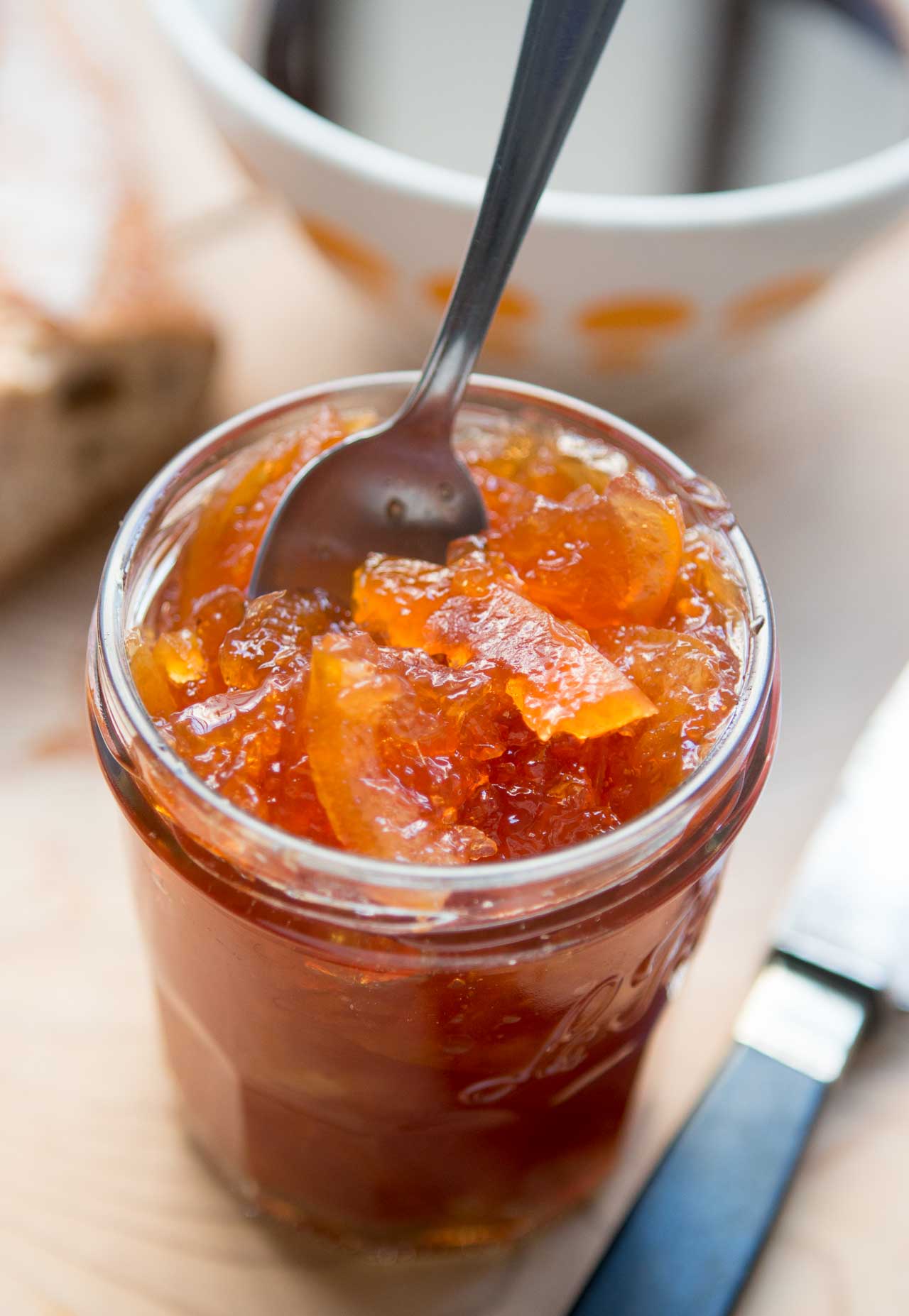
The arrival of Seville oranges in Parisian markets during the mid-winter months signals a highly anticipated window for home cooks and professional pastry chefs alike. Known as oranges amères in French, these bitter, thick-skinned citrus fruits are the gold standard for traditional marmalade production. While once considered a niche ingredient restricted to the professional kitchens of Europe, the accessibility of Seville oranges has expanded in recent years, prompting a renewed interest in the labor-intensive, time-honored craft of home-preserved jams.
The Historical Genesis of a Kitchen Staple
The origins of Seville orange marmalade are frequently shrouded in folklore, yet historical consensus points to an accidental discovery in early 18th-century England. According to culinary historians, the invention of this specific preserve was born out of economic necessity rather than deliberate gastronomic experimentation.
In the year 1700, a British grocer’s wife was reportedly faced with a surplus of inventory after a cargo ship from Seville, Spain, arrived in port with a massive haul of bitter oranges. Due to a violent storm during transit, the fruit had to be offloaded quickly, leading the grocer to purchase the entire stock at a deeply discounted price. Upon discovery that the oranges were far too sour and acidic for raw consumption, the wife attempted to salvage the investment by boiling the fruit with a significant quantity of sugar. The result was a thick, jellied, and flavorful preserve that successfully balanced the bitterness of the rind with the sweetness of the sugar, effectively establishing the blueprint for what is now a global culinary phenomenon.

The Technical Challenges of Processing Seville Oranges
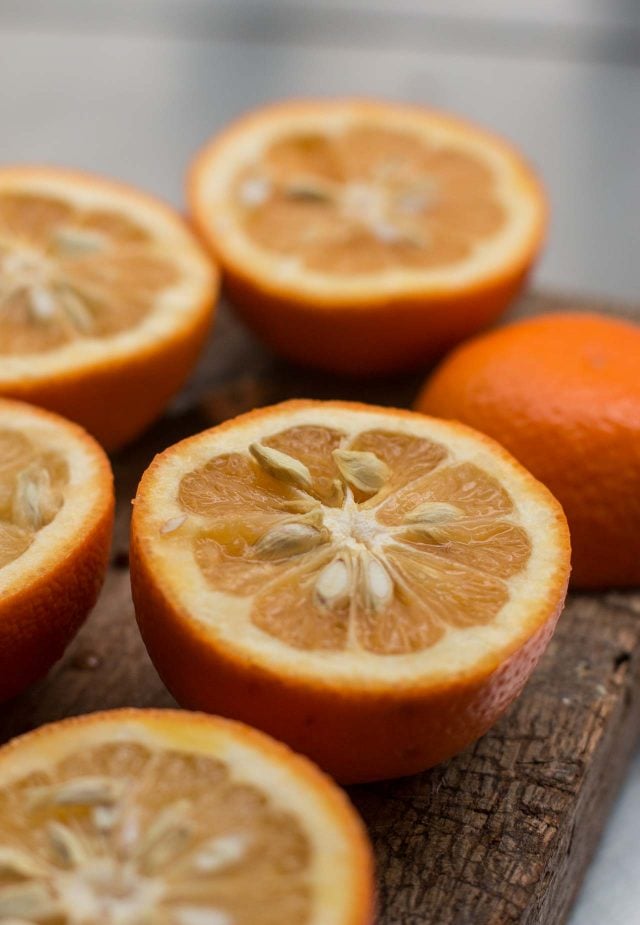
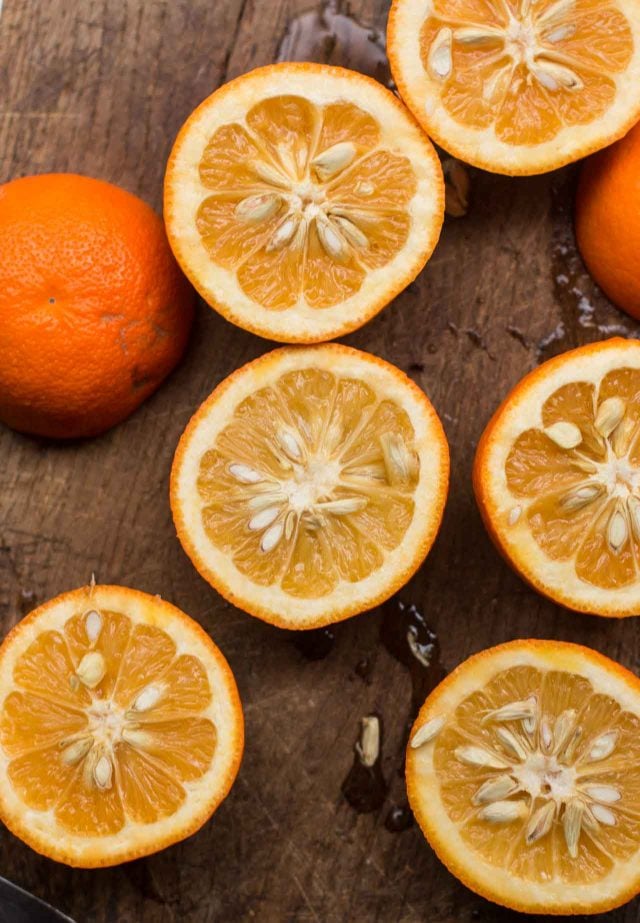
For the modern home cook, the allure of Seville marmalade is often tempered by the structural complexities of the fruit itself. Seville oranges are notoriously dense with seeds, often containing between twenty and thirty seeds per fruit. In traditional recipes, the preparation process involves slicing the fruit while simultaneously navigating these seeds, which can prove difficult due to the slippery, pectin-rich nature of the pulp.
The pectin contained within these seeds is the vital chemical component that enables the marmalade to achieve its signature "suave" or set texture. Historically, the extraction of these seeds was a tedious manual process that often resulted in uneven distribution of pectin, leading to inconsistent batches of jam.
A Modern Shift in Methodology
Recent culinary innovations have addressed these labor-intensive bottlenecks, offering a more efficient workflow for artisanal producers. The "revolutionary technique" now gaining traction in professional circles—as documented by culinary experts like David Lebovitz—involves a bifurcation of the traditional preparation process.
Instead of struggling to remove seeds while slicing the fruit, the new standard involves a two-step extraction method:
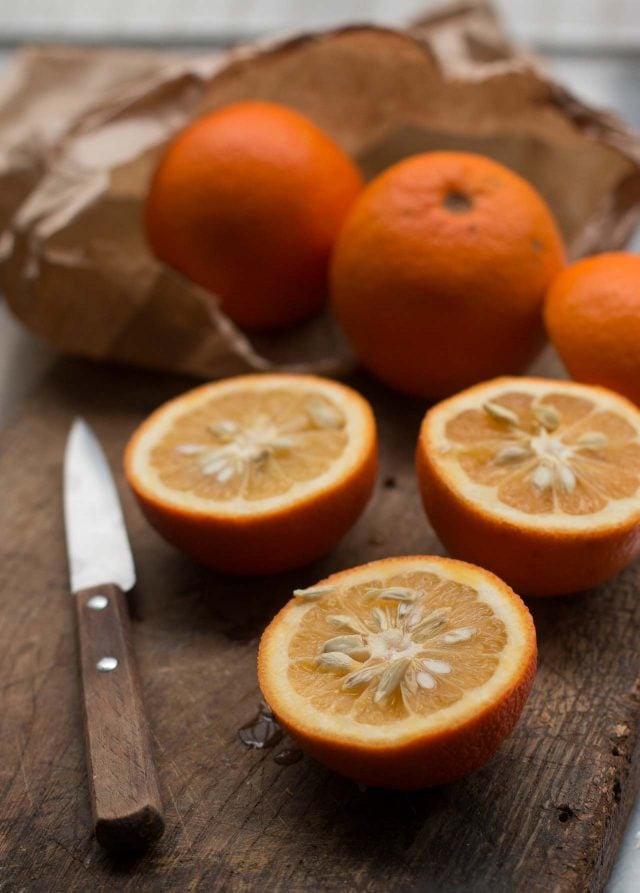
- Juice and Seed Extraction: The oranges are first halved and squeezed to isolate the juice and the seeds.
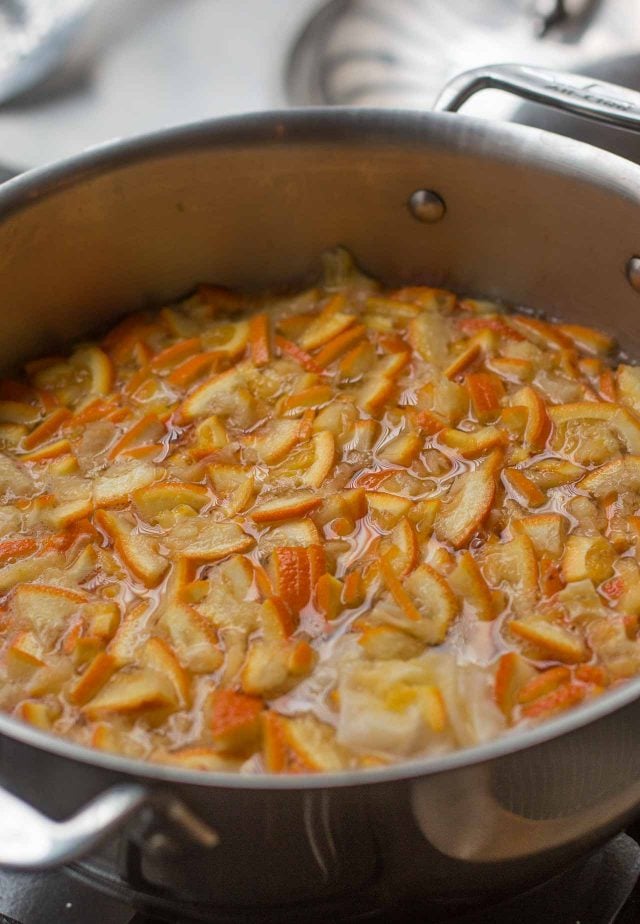
- Straining and Infusion: The seeds are strained separately and bundled into a porous, culinary-grade sack. This sack is then boiled alongside the shredded peel and juice.
This method allows for the maximum release of natural pectin from the seeds without the interference of the seeds themselves during the slicing phase. By isolating the seeds, cooks can ensure a more uniform texture while maintaining the essential chemical properties required for a perfect gel point. The resulting marmalade displays a clearer, more refined consistency that adheres to modern aesthetic standards for high-end preserves.
The Science of Pectin and Preservation
Pectin is a structural heteropolysaccharide contained in the primary cell walls of terrestrial plants. In the context of marmalade, it serves as the gelling agent that creates the suspension of orange peel within the syrup. When citrus seeds are boiled, they release a concentrated amount of pectin, which reacts with the sugar and the acidity of the orange juice to create a stable, shelf-ready product.
From a food safety perspective, the preservation of these jams has also evolved. While traditional canning—which involves processing sealed jars in a boiling water bath—remains the standard for shelf-stable long-term storage, many contemporary chefs have moved toward refrigeration-based storage for their smaller, artisanal batches. This shift emphasizes the use of higher-quality, seasonal ingredients and a reduction in the total duration of heat application, which preserves the bright, volatile aromatic compounds of the Seville orange peel.
Global Market Trends and Agricultural Impact
The market for Seville oranges is heavily dependent on the specific microclimate of the Andalusia region in Spain. Unlike sweet oranges, which are grown year-round in various climates, the Seville orange is highly sensitive to seasonal shifts. The harvest typically occurs between December and February, creating a concentrated period of market saturation followed by a long period of scarcity.

Economic data suggests that demand for these oranges has remained steady, with a notable uptick in regions where the "farm-to-table" movement has gained traction. In Paris, for example, the appearance of oranges amères in local markets has become a barometer for the start of the winter preserving season. Local vendors often report that the limited availability of the fruit creates a "scarcity effect," driving higher price points and fostering a sense of urgency among home cooks.
Implications for the Culinary Industry
The transition from traditional, arduous processing methods to more refined, modern techniques has broader implications for the culinary industry. As home cooking moves toward more technical, science-based approaches, the barrier to entry for complex recipes is lowered.
- Efficiency: The seed-squeezing method reduces preparation time by approximately 30-40%, allowing for larger production volumes.
- Quality Control: By standardizing the pectin extraction process, producers can achieve a consistent "set" in their marmalade, reducing the risk of either an overly runny or overly hard product.
- Culinary Education: The availability of detailed, technique-focused literature—such as instructional manuals and cookbooks like Ready for Dessert—has empowered amateur cooks to replicate professional-grade results in domestic settings.
Conclusion: The Future of Traditional Preserves
The endurance of Seville orange marmalade as a global breakfast staple serves as a testament to the longevity of traditional recipes, provided they can adapt to modern needs. While the fundamental ingredients—bitter oranges, sugar, and heat—remain unchanged since the early 18th century, the methodology behind the preserve continues to evolve.
As we look toward the future of home food production, the integration of scientific understanding with heritage techniques will likely continue to define the standard for high-quality preserves. The Seville orange remains a seasonal icon, bridging the gap between the accidental discoveries of the past and the sophisticated, efficient culinary practices of the present. Whether through traditional canning or modern refrigeration, the craft of making marmalade persists as a vital link to the history of European gastronomy, ensuring that the legacy of that fateful, storm-tossed cargo ship continues to be enjoyed by generations of consumers.