Nourishing Minds: Practical Chicken Recipes Elevate School Lunchboxes for Busy Parents

The daily challenge of preparing nutritious, appealing, and convenient school lunches for children is a significant concern for parents globally. In Jakarta and beyond, culinary ingenuity often centers on versatile ingredients like chicken to address this need. Chicken, a lean protein source, offers an array of preparation methods that can transform into delectable and practical meals suitable for a child’s midday sustenance. From traditional Indonesian flavors to internationally inspired dishes, parents are increasingly turning to recipes that promise ease of preparation without compromising on taste or nutritional value. This article delves into three prominent chicken-based recipes – Ayam Goreng Ungkep, Chicken Katsu, and Ayam Teriyaki – examining their culinary heritage, nutritional contributions, and practical advantages for the modern family.
The Modern Lunchbox Dilemma: Balancing Nutrition, Appeal, and Time
In an era where both parents often work, time is a precious commodity. The morning rush, coupled with the desire to provide children with wholesome meals, creates a unique set of challenges. Children’s palates can be discerning, and a packed lunch must not only be healthy but also visually appealing and palatable enough to encourage consumption. Nutrition experts consistently emphasize the importance of a balanced lunch for school-aged children, highlighting its critical role in sustained energy levels, cognitive function, and overall physical development throughout the school day. A well-rounded lunch typically includes protein for growth and repair, complex carbohydrates for energy, healthy fats for brain development, and a variety of vitamins and minerals from fruits and vegetables. Chicken, being a rich source of high-quality protein, iron, and B vitamins, naturally positions itself as a prime candidate for meeting these dietary requirements. Moreover, its mild flavor profile makes it highly adaptable to various culinary styles, increasing its acceptance among children.
The global trend toward healthier eating and a return to home-cooked meals, partly spurred by increasing awareness of food additives and processed ingredients, further underscores the demand for practical, homemade lunch solutions. Parents often express a desire for recipes that can be prepared in advance, stored safely, and assembled quickly, thereby minimizing morning stress. The three chicken recipes discussed—Ayam Goreng Ungkep, Chicken Katsu, and Ayam Teriyaki—embody these qualities, offering a blend of cultural familiarity and culinary innovation.
Ayam Goreng Ungkep: The Quintessential Indonesian Fried Chicken
Ayam Goreng Ungkep, or Indonesian Braised Fried Chicken, stands as a testament to the rich culinary traditions of the archipelago. This dish is not merely fried chicken; it is a meticulously prepared culinary experience where the chicken is first braised in a flavorful concoction of spices (bumbu ungkep) before being lightly fried to achieve a crispy exterior and a tender, aromatic interior. The "ungkep" process, which involves simmering the chicken in a spice paste until the liquid is absorbed, is crucial. It ensures that the flavors penetrate deep into the meat, resulting in an exceptionally tender and savory product.
Cultural and Culinary Significance:
Originating primarily from Java, Ayam Goreng Ungkep has become a staple across Indonesia, with regional variations in its spice blend. The "bumbu kuning" or yellow spice paste, characteristic of Javanese cuisine, is typically composed of turmeric, garlic, shallots, candlenut, ginger, galangal, lemongrass, bay leaves, and kaffir lime leaves. Turmeric not only imparts its vibrant yellow hue but also contributes earthy notes and antioxidant properties. The careful balance of these aromatics creates a complex flavor profile that is both comforting and distinctly Indonesian.
Nutritional Profile and Practicality:
From a nutritional standpoint, Ayam Goreng Ungkep provides substantial protein, essential for a child’s growth and development. The spices themselves offer various health benefits, including anti-inflammatory properties from turmeric and ginger. For lunchboxes, its practicality is unparalleled. The "ungkep" chicken can be prepared in large batches, stored in the refrigerator for several days, or even frozen for longer periods. This allows parents to simply thaw and fry a portion each morning, significantly cutting down on preparation time. When served with steamed rice and a side of stir-fried vegetables or fresh cucumber slices, it forms a complete and satisfying meal.
Recipe Enrichment and Preparation Insights:
To achieve the perfect Ayam Goreng Ungkep, selection of fresh chicken pieces, ideally bone-in for maximum flavor, is key. The spice paste should be finely ground to ensure even distribution of flavor. The braising process should be slow and steady, allowing the chicken to absorb the spices fully without drying out. A common technique involves simmering the chicken until most of the liquid has evaporated, leaving behind a thick, flavorful coating. When frying, a medium-hot oil temperature is recommended to ensure the chicken cooks through and achieves a golden-brown crispness without burning the spice residue.
Timeline/Chronology of Preparation:
- Preparation (Day 1 – Evening/Weekend): Grind all ungkep spices into a fine paste. Marinate chicken pieces with the paste for at least 30 minutes, or ideally, several hours in the refrigerator.
- Braising (Day 1 – Evening/Weekend): Place marinated chicken in a pot, add a small amount of water or coconut water, and simmer on low heat until the chicken is tender and most of the liquid has been absorbed. Cool completely.
- Storage (Day 1 – Evening/Weekend): Store the braised chicken in an airtight container in the refrigerator for up to 3-4 days, or freeze portions for up to a month.
- Morning Fry (Day 2+ – Morning): Take out the desired portion of braised chicken. Heat cooking oil to medium-high. Fry chicken until golden brown and crispy. Drain excess oil.
- Assembly (Day 2+ – Morning): Pack with rice, a side of vegetables, and perhaps a small container of sambal (for older children).
Chicken Katsu: A Japanese-Inspired Crunchy Delight
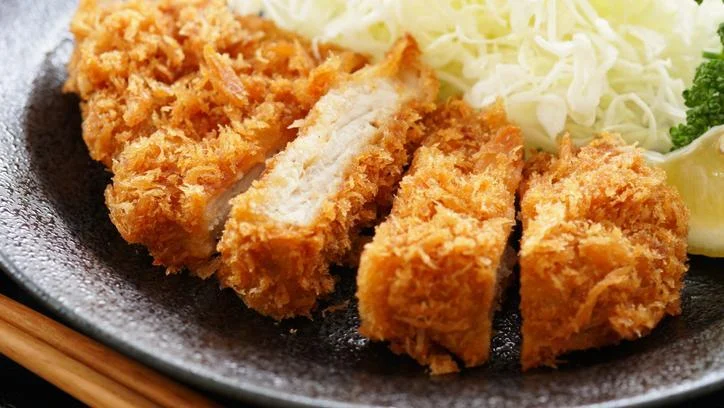
Chicken Katsu, a beloved Japanese dish, has transcended its origins to become a global favorite, particularly appealing to children due to its crispy texture and tender interior. It consists of a boneless chicken cutlet, typically breast or thigh, pounded thin, seasoned, and then coated in panko breadcrumbs before being deep-fried to a golden perfection. This dish exemplifies yoshoku, a style of Western-influenced Japanese cuisine that emerged during the Meiji Restoration.
Cultural and Culinary Significance:
The term "katsu" is a shortened form of "cutlet," reflecting its European roots. However, the Japanese rendition, especially with the use of panko breadcrumbs, gives it a unique light and airy crispness distinct from Western breaded cutlets. Panko, made from bread without crusts and processed into flakes, absorbs less oil than regular breadcrumbs, resulting in a significantly lighter and crunchier texture. Chicken Katsu is a popular item in Japanese bento boxes and school lunches, often served with shredded cabbage and a tangy Tonkatsu sauce or creamy Japanese mayonnaise.
Nutritional Profile and Practicality:
Chicken Katsu primarily offers protein from the chicken, essential for muscle development and satiety. While it is a fried dish, using lean chicken breast and ensuring proper oil temperature can minimize oil absorption. Serving it alongside a generous portion of shredded cabbage (rich in fiber and Vitamin C) and a light dressing helps balance the meal. For lunchboxes, chicken katsu can be prepared the night before and sliced for easy consumption. While best enjoyed warm and crispy, it is also palatable at room temperature, making it a convenient option.
Recipe Enrichment and Preparation Insights:
The key to a successful Chicken Katsu lies in several steps. First, pounding the chicken fillet to an even thickness ensures uniform cooking and tenderness. Marinating the chicken lightly with soy sauce, grated garlic, and a pinch of salt and pepper adds a foundational layer of flavor. The breading process involves a three-step dredging: first in all-purpose flour for a dry surface, then in beaten egg for adhesion, and finally, thoroughly coating in panko breadcrumbs. Pressing the panko firmly onto the chicken helps it adhere better during frying. Frying should be done in oil heated to around 170-180°C (340-350°F) to ensure a golden crust and fully cooked chicken without over-browning.
Timeline/Chronology of Preparation:
- Preparation (Day 1 – Evening): Pound chicken fillet thin. Season with salt, pepper, garlic, and shoyu.
- Breading (Day 1 – Evening/Morning): Set up a breading station: flour, beaten egg, panko. Dredge chicken in flour, then egg, then panko, ensuring full coverage.
- Resting (Day 1 – Evening/Morning): Place breaded chicken on a tray and refrigerate for at least 30 minutes to allow the breading to set. This prevents it from falling off during frying.
- Frying (Morning): Heat oil. Fry chicken katsu until golden brown and cooked through (internal temperature 74°C/165°F).
- Assembly (Morning): Slice katsu into strips. Pack with rice, shredded cabbage, and small containers of Tonkatsu sauce or mayonnaise.
Ayam Teriyaki: The Sweet and Savory Glaze
Ayam Teriyaki, another Japanese culinary export, has captivated palates worldwide with its irresistible sweet and savory glaze. The term "teriyaki" itself is derived from "teri" (gloss or luster, referring to the shine imparted by the sauce) and "yaki" (grill or broil). This dish typically involves chicken pieces, often thigh or breast cut into cubes, marinated in a distinctive sauce and then pan-fried or grilled until tender and coated in a sticky, caramelized glaze.
Cultural and Culinary Significance:
While often associated with grilling in Japan, the teriyaki method has been widely adapted for pan-frying, especially in home kitchens and restaurants outside Japan. The traditional teriyaki sauce is a harmonious blend of soy sauce, mirin (sweet rice wine), sake (Japanese rice wine, often substituted with water or broth for children’s meals), and sugar or honey. Ginger and garlic are frequently added for aromatic depth. Its versatility allows it to be served with various sides, making it a complete meal.
Nutritional Profile and Practicality:
Ayam Teriyaki is an excellent source of lean protein. The marinade, while containing some sugar, can be balanced with other ingredients. Pairing it with steamed rice and a vibrant medley of stir-fried or steamed vegetables (broccoli, carrots, bell peppers) boosts the fiber, vitamin, and mineral content. The cubing of the chicken makes it easy for children to eat with a fork or chopsticks. Like the other dishes, the chicken can be marinated in advance, and the cooking process itself is relatively quick, making it ideal for busy mornings.
Recipe Enrichment and Preparation Insights:
For a truly flavorful Ayam Teriyaki, the quality of the soy sauce and the balance of the marinade ingredients are paramount. Using fresh garlic and ginger enhances the aromatic profile. The inclusion of grated apple, as suggested in the original recipe, is an interesting twist that adds a subtle sweetness and natural tenderizer, mimicking some traditional Japanese marinades. Marinating the chicken for at least 30 minutes allows the flavors to meld. When cooking, it’s essential to reduce the sauce to a thick, glossy glaze that coats the chicken beautifully without burning. A final sprinkle of sesame seeds and sliced green onions adds both visual appeal and a burst of flavor.
Timeline/Chronology of Preparation:
- Preparation (Day 1 – Evening): Cut chicken into bite-sized cubes. Prepare teriyaki marinade by combining soy sauce, mirin/water, sugar/honey, grated garlic, ginger, and grated apple.
- Marination (Day 1 – Evening): Add chicken cubes to the marinade, mix well, and refrigerate for at least 30 minutes, or overnight for deeper flavor.
- Cooking (Morning): Heat a pan with a little oil. Sauté sliced onion until softened. Add marinated chicken and cook until browned and cooked through.
- Glazing (Morning): Pour any remaining marinade into the pan with the chicken. Simmer, stirring occasionally, until the sauce thickens into a glossy glaze coating the chicken. If the sauce is too thick, add a splash of water.
- Assembly (Morning): Pack chicken teriyaki with steamed rice. Include a side salad of shredded cabbage and carrots with a light dressing (mayonnaise-based or vinaigrette).
Broader Impact and Implications for Family Wellness
The emphasis on practical, home-cooked meals like Ayam Goreng Ungkep, Chicken Katsu, and Ayam Teriyaki extends beyond mere sustenance; it plays a crucial role in fostering overall family wellness. By preparing meals at home, parents gain complete control over the ingredients, allowing them to avoid excessive sodium, sugar, and unhealthy fats often found in commercially prepared foods. This practice aligns with recommendations from public health organizations, which advocate for home cooking as a primary strategy to combat childhood obesity and diet-related diseases.
Furthermore, engaging children in the meal preparation process, even in small ways like choosing vegetables or helping to pack their lunchboxes, can instill healthy eating habits and a greater appreciation for food. Childhood development experts suggest that positive food experiences during formative years can lead to healthier choices in adulthood. The cultural diversity represented by these chicken dishes also serves as an educational tool, introducing children to different cuisines and broadening their culinary horizons.
The economic implications are also significant. Preparing school lunches at home is generally more cost-effective than purchasing meals daily, providing financial relief for families. This financial benefit, coupled with the nutritional advantages, underscores the multifaceted value of embracing convenient yet wholesome recipes.
Food Safety Considerations for Packed Lunches:
While practicality is key, food safety remains paramount. Parents should ensure that cooked chicken is cooled rapidly after preparation and stored in airtight containers in the refrigerator. When packing lunches, using insulated lunch bags with ice packs is crucial, especially in warmer climates, to maintain safe temperatures and prevent bacterial growth. Foods that are best served warm should be reheated thoroughly before consumption, or children should be provided with instructions on proper reheating if school facilities allow.
Conclusion: Empowering Parents with Culinary Solutions
In conclusion, the quest for convenient and nutritious school lunch ideas continues to be a priority for parents navigating busy modern lives. Recipes featuring chicken, such as the deeply flavored Ayam Goreng Ungkep, the satisfyingly crispy Chicken Katsu, and the sweet-savory Ayam Teriyaki, offer excellent solutions. These dishes not only cater to diverse taste preferences but also align with the practical demands of daily meal preparation, allowing for advance cooking and quick assembly. By embracing these culinary options, parents can confidently provide their children with wholesome, delicious, and culturally rich meals that support their academic performance and overall well-being, transforming the daily lunchbox into a beacon of thoughtful nourishment.
Related posts: