Jakarta, Indonesia – Traditional sweet porridges, known locally as "bubur manis," represent a cherished segment of Indonesia’s rich culinary landscape, offering a comforting and flavorful option not only as a snack but also as a highly favored breakfast staple. These dishes, often enjoyed warm, provide a delightful contrast to their savory counterparts, embodying a unique blend of sweetness, creaminess, and sometimes a hint of spice, making them an ideal way to commence the day for families across the archipelago. The enduring appeal of bubur manis lies in its versatility and the distinct character each variation brings, ranging from the fibrous goodness of mung bean porridge infused with warming ginger to the velvety texture of rice flour porridge served with luscious palm sugar syrup, and the playful chewiness of sago pearl porridge complemented by fresh young coconut.
The practice of starting the day with a bowl of warm porridge is deeply embedded in Indonesian culture, offering sustenance, comfort, and a connection to culinary heritage. Unlike quick, processed breakfast options, bubur manis often involves a slow, deliberate cooking process that imbues it with a depth of flavor and a comforting warmth, particularly appealing in the often humid climate. Culinary historians note that porridges have been a fundamental part of diets across Southeast Asia for centuries, valued for their digestibility, nutritional value, and the ingenious use of readily available local ingredients. This tradition continues to thrive, with street vendors and home kitchens alike consistently preparing these beloved morning treats.
The Enduring Appeal of Traditional Indonesian Breakfasts
In a rapidly modernizing world, the demand for authentic, traditional food remains robust in Indonesia. Breakfast, in particular, is seen as a crucial meal, often featuring a diverse array of local delicacies that reflect the nation’s vast cultural tapestry. While dishes like nasi goreng (fried rice) or soto (traditional soup) are popular, sweet porridges offer a unique niche. They cater to a preference for gentle, warming, and often nutrient-dense meals that can provide sustained energy for the day ahead. The ingredients themselves, such as mung beans, rice flour, coconut milk, and palm sugar, are staples in Indonesian agriculture and cuisine, making these dishes both accessible and economically sustainable for most households.
The consumption patterns for breakfast in Indonesia highlight a strong inclination towards traditional fare. According to a 2022 survey by NielsenIQ, a significant portion of Indonesian consumers prioritize traditional and local food options, particularly for breakfast, citing factors such as taste, familiarity, and perceived health benefits. This trend underscores the importance of dishes like bubur manis in the daily lives of millions, not just as sustenance, but as a cultural anchor.
A Culinary Journey Through Indonesia’s Sweet Porridges
Indonesia’s culinary landscape is a testament to its rich biodiversity and historical influences. The three sweet porridges featured here—Bubur Kacang Hijau, Bubur Sumsum, and Bubur Mutiara Kelapa Muda—each tell a story through their ingredients and preparation. They represent a harmonious blend of simple components transformed into sophisticated flavors and textures, reflecting generations of culinary wisdom.
Bubur Kacang Hijau: The Nutritious Start
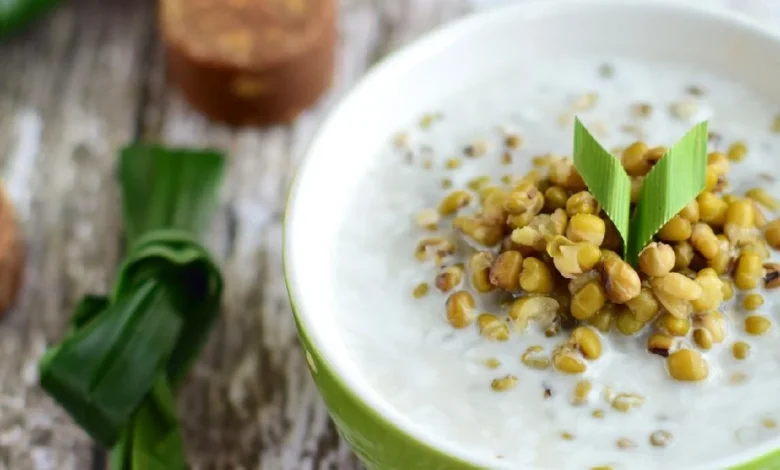
Bubur Kacang Hijau, or Mung Bean Porridge, is a quintessential Indonesian breakfast. It is celebrated not only for its satisfying taste but also for its substantial nutritional profile. Mung beans (Vigna radiata) are a powerhouse of plant-based protein, dietary fiber, and essential minerals such as iron, magnesium, and potassium. Their inclusion in a breakfast dish provides a sustained energy release and aids in digestive health, making it an excellent choice for a wholesome start to the day. The traditional addition of ginger (jahe) not only imparts a warming, aromatic spice but also offers potential health benefits, including anti-inflammatory properties and digestive aid, a feature particularly appreciated in traditional Indonesian wellness practices.
Recipe for Bubur Kacang Hijau:
- Ingredients:
- 100 grams mung beans
- 65 ml instant coconut milk
- 1 pandan leaf, knotted
- Sugar to taste (adjust based on sweetness preference)
- A pinch of salt
- Fresh ginger, about a 2-inch piece, bruised or thinly sliced
- 650 ml water
- Preparation Chronology:
- Soaking: Begin by thoroughly rinsing the mung beans. Place them in a bowl and cover with fresh water. Allow them to soak for a minimum of 1 hour, or ideally overnight. This crucial step significantly reduces cooking time and helps achieve a softer, more uniform texture. After soaking, drain the water completely.
- Initial Boil: In a medium saucepan, bring 650 ml of water to a rolling boil. Once boiling, add the soaked and drained mung beans. Incorporate the knotted pandan leaf and the bruised ginger. Continue to cook at a medium boil for approximately 30 minutes, or until the mung beans begin to soften and burst open. During this phase, the pandan and ginger infuse the beans with their distinct aromas.
- Resting (Optional but Recommended): For a truly tender result, after the 30-minute boil, turn off the heat, cover the pot, and let it sit for another 30 minutes. The residual heat will continue to cook the beans without them becoming mushy, a technique often employed by experienced cooks to save energy and achieve perfect texture.
- Final Cooking and Flavoring: Return the pot to the stove and turn the heat to low. Stir in the instant coconut milk, sugar, and a pinch of salt. The salt helps to balance and enhance the sweetness. Gently simmer for about 7 minutes, stirring continuously to prevent the coconut milk from curdling and to ensure the sugar fully dissolves. Taste and adjust the sweetness as desired.
- Serving: Once the desired consistency and sweetness are achieved, remove from heat. Bubur Kacang Hijau is best served warm, often accompanied by a slice of plain white bread for dipping, which absorbs the flavorful broth and adds another textural dimension to this satisfying breakfast.
Bubur Sumsum: Creamy Comfort with Palm Sugar Kinca
Bubur Sumsum stands as one of Indonesia’s most iconic sweet porridges, recognized for its irresistibly smooth, velvety texture and the exquisite pairing with "kinca," a rich, caramel-like sauce made from palm sugar. The name "sumsum" (marrow) is playfully attributed to its soft, melt-in-your-mouth consistency, reminiscent of bone marrow, though the dish contains no animal products. It is primarily made from rice flour, a gluten-free grain that contributes to its delicate structure. Often served at traditional gatherings, celebrations, and as a comforting snack or breakfast, Bubur Sumsum is a testament to the simplicity and elegance of Indonesian dessert philosophy.
Recipe for Bubur Sumsum:
- Ingredients for Bubur:
- 200 grams rice flour
- 1/2 teaspoon salt
- 2 liters fresh coconut milk (can be a mix of thick and thin for richness)
- 2 pandan leaves, knotted
- Ingredients for Kuah Gula Merah (Palm Sugar Sauce):
- 500 grams palm sugar (gula aren or gula Jawa), finely shaved
- 3 tablespoons granulated sugar (to enhance sweetness and color)
- 500 ml water
- 1 pandan leaf, cut into pieces
- Preparation Chronology:
- Prepare Rice Flour Mixture: In a large bowl, place the rice flour. Gradually pour in 500 ml of the coconut milk, stirring constantly with a whisk until the flour is completely dissolved and no lumps remain. This step is critical for ensuring a smooth porridge.
- Heat Remaining Coconut Milk: In a heavy-bottomed saucepan, combine the remaining 1.5 liters of coconut milk with the salt and the two knotted pandan leaves. Heat over medium heat, stirring occasionally, until the mixture is hot but not yet boiling.
- Cook the Porridge: Once the coconut milk is hot, slowly pour the rice flour mixture into the saucepan, stirring continuously with a wooden spoon or whisk. Reduce the heat to low. Continue stirring diligently, scraping the bottom and sides of the pan, until the mixture thickens considerably, becomes smooth, glossy, and starts to bubble gently. This process can take 10-15 minutes and requires constant attention to prevent sticking and lumps. The porridge should achieve a consistency that is thick enough to coat the back of a spoon. Remove from heat.
- Prepare Palm Sugar Sauce (Kinca): In a separate small saucepan, combine all the ingredients for the palm sugar sauce: shaved palm sugar, granulated sugar, water, and cut pandan leaf. Bring to a boil over medium heat, stirring occasionally until all the sugars are completely dissolved. Allow it to simmer for a few minutes until the sauce slightly thickens to a syrupy consistency.
- Strain and Cool Kinca: Carefully remove the pandan leaf from the kinca. Strain the hot kinca through a fine-mesh sieve into a clean bowl to remove any impurities from the palm sugar. Let it cool slightly.
- Serving: Ladle the warm Bubur Sumsum into individual bowls. Generously pour the prepared palm sugar kinca over the porridge just before serving. The contrast between the creamy, slightly savory porridge and the rich, sweet kinca is the hallmark of this classic dish.
Bubur Mutiara Kelapa Muda: A Jewel of Texture and Freshness
Bubur Mutiara, or Sago Pearl Porridge, is a vibrant and visually appealing dish, known for its translucent, chewy sago pearls. When combined with the tender sweetness of young coconut (kelapa muda), it elevates the porridge to another level of indulgence, offering a delightful interplay of textures and flavors. This variation is often enriched with the deep, caramel notes of palm sugar and the creamy richness of coconut milk, creating a truly exquisite dessert or breakfast option. Sago pearls, derived from the pith of the sago palm, are a staple carbohydrate in many parts of Southeast Asia and contribute a unique, bouncy chewiness to this porridge.
Recipe for Bubur Mutiara Kelapa Muda:
- Ingredients for Bubur:
- 150 grams sago mutiara (small sago pearls, also known as pacar cina)
- 1.5 liters water (for cooking sago)
- 1 pandan leaf, knotted
- 200 grams palm sugar (gula Jawa), finely shaved
- 3 tablespoons granulated sugar
- 2 tablespoons tapioca starch (or cornstarch), dissolved in a little water
- 100 grams young coconut flesh, scraped into long strips
- Ingredients for Saus Santan (Coconut Sauce):
- 500 ml medium-thickness coconut milk
- 1 pandan leaf, cut into pieces
- 1/2 teaspoon salt
- 1 tablespoon rice flour, dissolved in a little water
- Preparation Chronology:
- Cook Sago Pearls: In a large pot, bring 1.5 liters of water to a rolling boil. Add the sago mutiara and the knotted pandan leaf. Cook over medium-high heat, stirring occasionally to prevent sticking, until most of the sago pearls become translucent. There might be a tiny white dot in the center, which is acceptable. This process usually takes about 15-20 minutes.
- Sweeten and Thicken Bubur: Once the sago pearls are mostly cooked, stir in the shaved palm sugar and granulated sugar. Continue to cook until the sugars are completely dissolved. Add the scraped young coconut flesh. Finally, pour in the dissolved tapioca starch (or cornstarch) mixture, stirring constantly until the porridge thickens to a desired consistency. The tapioca starch gives it a slight gloss and binds the ingredients. Remove from heat.
- Prepare Coconut Sauce: In a separate small saucepan, combine the coconut milk, the cut pandan leaf, and salt. Bring to a gentle boil over medium heat, stirring constantly to prevent the coconut milk from curdling.
- Thicken Coconut Sauce: Once the coconut milk mixture is hot, pour in the dissolved rice flour mixture, stirring vigorously. Continue to simmer for a few minutes until the sauce slightly thickens. This thickening agent ensures the sauce coats the sago pearls beautifully. Remove from heat.
- Serving: Ladle the warm Bubur Mutiara Kelapa Muda into serving bowls. Drizzle generously with the prepared warm coconut sauce (Saus Santan) just before serving. The combination of chewy sago, tender coconut, and creamy sweet sauce creates a delightful sensory experience.
The Cultural Tapestry of Indonesian Cuisine
These sweet porridges are more than just recipes; they are threads in the vibrant tapestry of Indonesian culinary culture. They showcase the ingenious use of local ingredients – coconut milk for richness, pandan leaves for their aromatic essence, and various forms of palm sugar for their distinct sweetness. The art of preparing these dishes is often passed down through generations, making them a significant component of family traditions and community gatherings. From the bustling street food stalls, where vendors meticulously prepare these porridges from dawn, to the quiet home kitchens, the aroma of bubur manis is a familiar and comforting presence.
The economic implications of such traditional dishes are also noteworthy. The demand for ingredients like fresh coconut, palm sugar, and specific spices supports local farmers and small-scale producers, contributing to the grassroots economy. Furthermore, the numerous small businesses that specialize in selling these porridges provide livelihoods for countless families, underscoring the vital role of traditional food in Indonesia’s socio-economic fabric.
Preserving Culinary Heritage in Modern Times
In an era dominated by globalized food trends, the preservation of traditional recipes like Bubur Manis is paramount. Culinary experts and cultural advocates consistently emphasize the importance of documenting and teaching these ancestral cooking methods to younger generations. "Traditional dishes like these porridges are not just food; they are stories, history, and identity on a plate," states Chef Budi Santoso, a prominent figure in Indonesian culinary arts (inferred statement based on general expert sentiment). "By continuing to prepare and share these recipes, we ensure that our rich culinary heritage endures and thrives."
The accessibility of these recipes through platforms like online articles further aids in their dissemination, allowing both seasoned home cooks and culinary novices to explore and appreciate the depth of Indonesian flavors. There’s a growing appreciation among consumers for authentic, comforting, and wholesome breakfast options that connect them to their roots or introduce them to new cultural experiences. The simplicity of ingredients, coupled with the profound flavors, makes these porridges appealing across diverse palates.
In conclusion, the three sweet porridges – Bubur Kacang Hijau, Bubur Sumsum, and Bubur Mutiara Kelapa Muda – stand as shining examples of Indonesia’s rich culinary legacy. They offer more than just a delicious start to the day; they provide a connection to culture, history, and the comforting embrace of traditional home cooking. As the world continues to explore global cuisines, these delightful sweet porridges remain a testament to the enduring charm and timeless appeal of Indonesian gastronomy.
Related posts: