Nasi Uduk: Jakarta’s Fragrant Culinary Gem and Its Modern Culinary Evolution

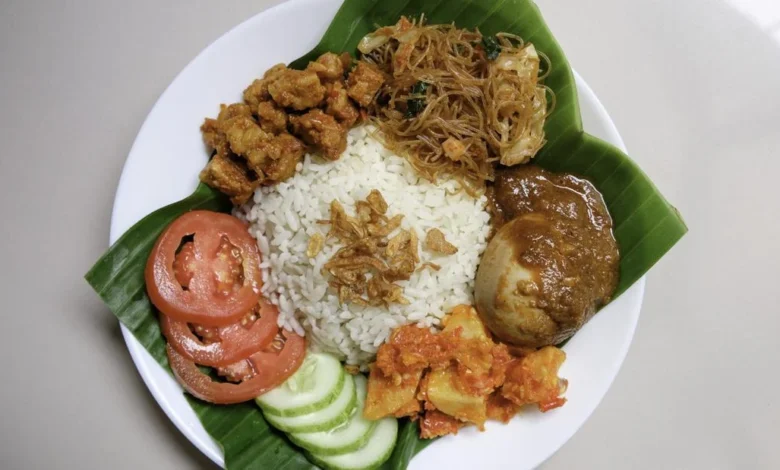
Nasi Uduk, the beloved fragrant and savory rice dish, stands as a quintessential representation of Jakarta’s rich culinary heritage, particularly ingrained in Betawi culture. Its distinctive aroma, derived from a delicate blend of coconut milk and aromatic spices, coupled with its perfectly fluffy texture, makes it a cherished meal, often gracing family tables and street-side stalls alike. While traditionally requiring a more involved preparation process, the advent of modern kitchen appliances, particularly the rice cooker, has democratized its creation, making this iconic dish more accessible to home cooks than ever before. This culinary staple, celebrated for its unique flavor profile, embodies a blend of history, culture, and now, modern convenience, ensuring its enduring popularity across generations.
The Historical Tapestry of Nasi Uduk: Origins and Cultural Significance
The origins of Nasi Uduk are deeply intertwined with the history of the Betawi people, the indigenous ethnic group of Jakarta (formerly Batavia). While the exact genesis remains somewhat debated, it is widely accepted that Nasi Uduk emerged from the melting pot of cultures that characterized ancient Jakarta. Some culinary historians suggest the name "uduk" might stem from the Javanese word "uduk," meaning "mixed," referring to the various ingredients mixed with the rice. Another theory links it to the Arabic word "rizqun," meaning sustenance or livelihood, possibly introduced through early Islamic traders and communities who influenced the local cuisine. Regardless of its etymological roots, Nasi Uduk quickly became a staple, particularly among the Betawi community, serving as an everyday meal as well as a celebratory dish for special occasions, religious holidays, and traditional ceremonies.
For the Betawi, Nasi Uduk is more than just food; it is a symbol of identity and community. Traditionally, it was often prepared collectively, fostering social bonds and transmitting culinary knowledge across generations. Its presence at events like weddings, circumcisions, and communal feasts underscores its role in cultural preservation. The preparation itself, involving careful selection of ingredients and a meticulous cooking process, was considered an art form, passed down from elders to younger family members. This deep-seated cultural significance has allowed Nasi Uduk to maintain its authentic character even as Jakarta transformed into a bustling modern metropolis.
The Anatomy of Flavor: Ingredients and Traditional Preparation
At its heart, Nasi Uduk’s allure lies in its carefully balanced ingredients. The foundation is, of course, rice, typically medium-grain white rice, which provides the ideal texture to absorb the rich flavors. The star ingredient, however, is fresh coconut milk, which imparts a creamy texture and a distinctive sweet-savory richness. This is further elevated by a symphony of aromatic spices: lemongrass (serai), bruised to release its citrusy notes; bay leaves (daun salam), contributing a subtle earthy aroma; kaffir lime leaves (daun jeruk), adding a fragrant zest; and galangal (lengkuas), providing a warm, slightly peppery undertone. Salt is crucial for seasoning, balancing the sweetness of the coconut milk and enhancing the overall savoriness.
Traditionally, preparing Nasi Uduk was a multi-step process, requiring patience and skill. The rice would first be rinsed thoroughly, then soaked briefly to ensure even cooking. It would then be par-cooked, often by boiling briefly with the coconut milk and spices until the liquid was absorbed. This partially cooked rice, still firm, would then be transferred to a steamer basket and steamed until fully cooked, light, and fluffy. This two-stage cooking method – boiling followed by steaming – is believed to yield the most perfectly textured Nasi Uduk, with each grain distinct yet tender, and thoroughly infused with flavor. This traditional approach, while labor-intensive, was a testament to the dedication involved in creating a truly exceptional dish.
However, Nasi Uduk is rarely served in isolation. Its culinary completeness comes from its diverse array of complementary side dishes, known as lauk pauk. These accompaniments are integral to the Nasi Uduk experience, offering a spectrum of textures and flavors that enhance the main dish. Popular lauk pauk include:
- Ayam Goreng: Crispy fried chicken, marinated in a blend of spices.
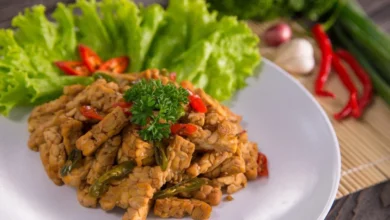
- Tempeh Orek: Sweet and savory stir-fried tempeh, often with kecap manis (sweet soy sauce).
- Bihun Goreng: Stir-fried rice vermicelli, adding a different carbohydrate and texture.
- Telur Balado or Telur Dadar: Eggs prepared either in a spicy chili sauce or as a simple fried omelet.
- Emping Melinjo: Gnetum gnemon crackers, providing a satisfying crunch.
- Kerupuk: Various other crackers.
- Bawang Goreng: Crispy fried shallots, a crucial garnish for aroma and crunch.
- Sambal: A spicy chili paste, offering a kick that cuts through the richness of the coconut rice.
The combination of these elements transforms Nasi Uduk from a simple rice dish into a complete and deeply satisfying meal, showcasing the complexity and artistry of Indonesian cuisine.
The Modern Adaptation: Nasi Uduk and the Rice Cooker Revolution
In an era defined by fast-paced lifestyles and a demand for convenience, the culinary landscape has seen significant shifts. Traditional recipes, while cherished, are often adapted to fit modern kitchen appliances, and Nasi Uduk is no exception. The rice cooker has emerged as a game-changer, simplifying the preparation of this classic dish without significantly compromising its authentic taste and texture. This adaptation reflects a broader trend in Indonesian households where practicality and efficiency are highly valued.
The process of cooking Nasi Uduk in a rice cooker is remarkably straightforward. After rinsing the rice, it is simply placed in the rice cooker pot along with the appropriate amount of coconut milk (often mixed with a little water to prevent it from being too rich or cloying), the bruised lemongrass, bay leaves, kaffir lime leaves, galangal, and salt. The mixture is stirred gently, and the rice cooker is set to its standard "cook" cycle. The appliance handles the precise temperature and timing, ensuring the rice is cooked perfectly, absorbing all the aromatic liquids and spices. This method eliminates the need for constant monitoring, separate steaming, and multiple pots, making Nasi Uduk an achievable weeknight meal for even the busiest individuals.
The embrace of the rice cooker for Nasi Uduk preparation has several implications. Firstly, it has increased the dish’s accessibility. Individuals who might have been intimidated by the traditional method can now confidently prepare it at home. Secondly, it contributes to the sustainability of culinary traditions by ensuring that classic dishes remain relevant and frequently cooked, rather than becoming relics confined to special occasions or restaurants. As Chef Budi Santoso, a prominent Indonesian culinary expert, once remarked, "While the traditional method holds a special place, the rice cooker ensures Nasi Uduk continues to be a living, breathing part of our daily lives. It allows new generations to connect with their heritage through taste, even with less time." This convenience factor has undoubtedly broadened Nasi Uduk’s appeal, turning it into a more regular feature on family menus.
Economic and Social Resonance: Beyond the Plate
Nasi Uduk’s impact extends far beyond its delicious taste. It plays a significant role in Jakarta’s street food economy, providing livelihoods for countless vendors who set up their stalls from dawn till dusk. These small businesses are the backbone of local communities, offering affordable and nutritious meals to daily commuters, workers, and residents. A typical Nasi Uduk stall, often bustling with activity, is a microcosm of Jakarta’s vibrant street culture, reflecting the entrepreneurial spirit and resilience of its people. The sheer volume of Nasi Uduk consumed daily across Jakarta underscores its economic contribution, supporting local farmers who supply rice and coconuts, and small businesses that provide spices and other ingredients.
Furthermore, Nasi Uduk contributes to culinary tourism. Visitors to Jakarta often seek out authentic local experiences, and sampling Nasi Uduk from a renowned street vendor or a traditional eatery is high on their list. Its unique flavor profile offers a genuine taste of Indonesian culture, attracting food enthusiasts from around the globe. Dr. Lestari Wijayanti, a food anthropologist specializing in Southeast Asian cuisine, highlights this aspect: "Nasi Uduk is an ambassador for Indonesian gastronomy. Its simple yet profound flavors tell a story of cultural fusion and community spirit that resonates with anyone who tastes it."
On a social level, Nasi Uduk continues to foster community building. Sharing a meal of Nasi Uduk, whether at a street stall, a family gathering, or a local warung, promotes social interaction and connection. It’s a comfort food that evokes nostalgia for many, linking them to childhood memories and shared experiences. This aspect of Nasi Uduk ensures its place not just as a culinary item, but as a cultural anchor in the rapidly evolving landscape of Jakarta.
Challenges and the Future Outlook
Despite its enduring popularity, Nasi Uduk faces certain challenges and opportunities in the modern era. One ongoing debate revolves around the balance between authenticity and convenience. While the rice cooker method offers undeniable benefits, some purists argue that it might slightly alter the texture or depth of flavor achieved through traditional steaming. However, for the vast majority of consumers, the difference is negligible, and the convenience outweighs any perceived compromise. The future likely lies in embracing both methods, allowing individuals to choose based on their preferences and time constraints.
Another area of consideration is sustainability. As demand for Nasi Uduk grows, ensuring a sustainable supply of high-quality ingredients, particularly coconut milk, becomes increasingly important. Supporting local farmers and promoting sustainable agricultural practices will be crucial for the long-term viability of this dish.
Looking ahead, Nasi Uduk holds immense potential for further innovation and global recognition. While its core recipe remains sacred, chefs and home cooks are continuously experimenting with new lauk pauk combinations, healthier variations, or even fusion interpretations that incorporate global flavors while respecting the dish’s Betawi roots. The simplicity of the rice cooker method also makes it an ideal candidate for introduction to international audiences, offering a taste of Indonesia that is both exotic and approachable. As Ms. Siti Aminah, a Jakarta resident and avid home cook, aptly puts it, "Nasi Uduk is a timeless dish. Whether cooked traditionally or in a rice cooker, its essence remains – a warm, fragrant embrace of our heritage. It will continue to evolve, but its heart will always be Betawi."
In essence, Nasi Uduk stands as a powerful testament to the enduring appeal of traditional cuisine in a modern world. It is a dish that carries the weight of history and culture within its fragrant grains, while simultaneously adapting to contemporary needs. Its journey from a culturally significant Betawi staple to a widely accessible and beloved meal, now effortlessly prepared with a rice cooker, underscores its resilience and its unwavering place in the hearts and palates of Indonesians and beyond. The simple act of preparing and enjoying Nasi Uduk continues to be a celebration of identity, community, and the rich tapestry of Indonesian culinary heritage.
Related posts: