The Enduring Allure of Ayam Geprek: A Deep Dive into Indonesia’s Beloved Spicy Chicken and Its Signature Sambals

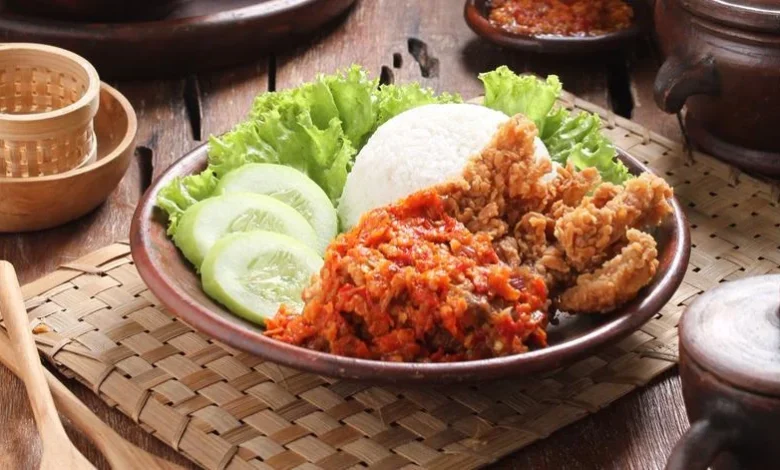
The culinary landscape of Indonesia is vibrant and diverse, with "Ayam Geprek" standing out as a modern classic that has captivated palates nationwide. This beloved dish, consisting of crispy fried chicken intensely "smashed" and coated in a fiery sambal, has become a staple for lunch and dinner, celebrated for its satisfying crunch and the exhilarating heat of its accompanying chili sauce. The essence of Ayam Geprek’s appeal lies not only in the succulent chicken but, crucially, in the diverse array of sambals that elevate its flavor profile, ranging from the intensely spicy Sambal Bawang to the fresh and aromatic Sambal Matah, and the savory zest of Sambal Ijo.
The Phenomenon of Ayam Geprek: A Culinary Evolution
Ayam Geprek, literally translating to "smashed chicken," emerged as a culinary sensation in Indonesia, particularly gaining widespread popularity in the mid-2010s. While its exact origins are debated, many credit Yogyakarta as a pivotal city in its popularization, evolving from a simple street food concept into a national gastronomic phenomenon. The preparation method is deceptively simple yet highly effective: a piece of fried chicken, often prepared with a crispy coating akin to American fried chicken, is placed in a mortar and pestle. Here, it is "geprek-ed" or smashed, typically with a generous dollop of freshly prepared sambal, allowing the chili sauce to thoroughly coat and infuse the chicken. This process not only tenderizes the chicken further but also ensures that every bite delivers a harmonious blend of crispiness, succulence, and intense spiciness.
The rapid ascent of Ayam Geprek can be attributed to several factors. Firstly, it tapped into Indonesia’s deep-rooted love for spicy food. Sambal, a ubiquitous chili paste or sauce, is an integral part of almost every Indonesian meal, and Ayam Geprek offered a novel way to consume this beloved condiment. Secondly, its affordability and satisfying portion sizes made it accessible to a broad demographic, from students to office workers. Thirdly, the dish’s adaptability allowed for continuous innovation, with various restaurants and street vendors experimenting with different sambal recipes and chicken preparations, further fueling its popularity and maintaining consumer interest. This dish transcended its street food origins to become a fixture in casual dining restaurants and even fast-food chains across the archipelago, solidifying its status as a contemporary Indonesian culinary icon.
Sambal: The Heartbeat of Indonesian Cuisine
Sambal is far more than just a condiment in Indonesia; it is a cultural cornerstone, a symbol of national culinary identity, and an indispensable element on nearly every dining table. Its presence is so fundamental that a meal often feels incomplete without a fiery accompaniment. The term "sambal" encompasses an astonishingly diverse range of chili-based sauces, each with its unique ingredients, preparation methods, and regional affiliations. From the raw freshness of Balinese Sambal Matah to the cooked richness of Javanese Sambal Terasi, and the pungent intensity of Sumatran Sambal Ijo, the variations are almost limitless, reflecting the archipelago’s vast cultural and geographical diversity.
The historical significance of sambal dates back centuries, long before the arrival of chili peppers from the Americas. Indigenous spicy ingredients were likely used, but the introduction of chilies revolutionized the condiment, making it the fiery staple it is today. Beyond its role as a flavor enhancer, sambal is often believed to stimulate appetite and aid digestion, making it a crucial component of the Indonesian dining experience. The demand for chilies and other sambal ingredients like shallots, garlic, and tomatoes significantly contributes to the agricultural economy, supporting countless farmers and small businesses across the country. The cultural impact is also evident in the communal act of sharing sambal, often prepared fresh in a traditional stone mortar (cobek) and pestle (ulekan), symbolizing warmth, hospitality, and the shared joy of food.
Featured Sambals for Ayam Geprek: A Culinary Trio
While the beauty of Ayam Geprek lies in its versatility with various sambals, three particular types have become quintessential pairings, each offering a distinct flavor profile that complements the crispy chicken. These are Sambal Bawang (often referred to as Sambal Korek), Sambal Matah, and Sambal Ijo.
1. Sambal Bawang (Sambal Korek): The Fiery Standard
Sambal Bawang, frequently known as Sambal Korek, stands as perhaps the most classic and widely recognized accompaniment for Ayam Geprek. Its name, "bawang" meaning onion or shallot, hints at a key ingredient, though its defining characteristic is its raw, intense heat. This sambal is a testament to the power of simplicity, typically comprising a potent blend of fresh red bird’s eye chilies (cabai rawit merah), garlic, and a touch of shallots, all coarsely ground together in a mortar. The "korek" in its alternative name is believed to refer to the action of "scraping" the sambal from the mortar, or perhaps its ability to "scrape" away hunger with its intense spice.
The preparation is straightforward but crucial for its distinctive flavor. After the chilies, garlic, and shallots are mashed to a desired consistency, hot cooking oil—often the oil used to fry the chicken itself—is immediately poured over the mixture. This scalding oil partially cooks the raw ingredients, releasing their aromatic compounds and tempering their rawness while preserving their vibrant pungency. A pinch of salt and sometimes a dash of sugar are added to balance the flavors. The result is a simple yet incredibly addictive sambal with a robust garlic-chili punch that perfectly cuts through the richness of the fried chicken. Its origins are deeply rooted in Javanese culinary traditions, particularly popular in regions like Central Java, where it is often served with various fried dishes. The typical preparation time for Sambal Bawang is around 30 minutes, and it is considered of "Easy" difficulty, serving approximately two people. Its primary category is Sambal, underscoring its essential nature as a condiment.
2. Sambal Matah: Bali’s Refreshing Uncooked Delight
Offering a striking contrast to its cooked counterparts, Sambal Matah is a quintessential Balinese condiment celebrated for its freshness, vibrant aromas, and unique texture. "Matah" translates to raw, and indeed, this sambal is characterized by its uncooked ingredients, which are finely sliced rather than ground. This distinct preparation method results in a light, fragrant, and tangy sauce that provides a refreshing counterpoint to the richness of Ayam Geprek.
The core ingredients for Sambal Matah include thinly sliced shallots (bawang merah), garlic (bawang putih), red bird’s eye chilies (cabai rawit merah), fragrant lemongrass (serai, specifically the white part of the stalk), and kaffir lime leaves (daun jeruk purut). A critical component that elevates its flavor is the inclusion of lime juice, often from a small, intensely aromatic lime (jeruk limau), which provides a zesty tang. Traditionally, a small amount of roasted shrimp paste (terasi) is added for umami depth. The process involves combining all the thinly sliced ingredients in a bowl, seasoning them with salt, and then pouring hot cooking oil—similar to Sambal Bawang—over the mixture. This hot oil gently wilts the raw ingredients, unlocking their essential oils and infusing the sambal with a warm, complex aroma without fully cooking them. The mixture is then gently tossed to combine, ensuring every slice is coated. This unique combination of fresh aromatics, zesty lime, and a subtle warmth from the hot oil makes Sambal Matah an ideal choice for those seeking a less intense heat but a more complex and refreshing flavor experience with their Ayam Geprek. Its versatility also extends to grilled fish, satay, and other Balinese dishes.
-
Ingredients for Sambal Matah:
- 4 shallots, thinly sliced
- 2 cloves garlic, thinly sliced
- 5 red bird’s eye chilies, finely sliced
- 2 kaffir lime leaves, thinly sliced
- 1 stalk lemongrass, white part, thinly sliced
- 1/2 tsp salt
- Juice of 1 lime (jeruk limau)
- 3 tbsp cooking oil
- 1 tsp shrimp paste (terasi), fried until fragrant
-
Preparation Method:
- Slice all fresh ingredients: shallots, garlic, chilies, kaffir lime leaves, and lemongrass. Set aside.
- Heat the cooking oil in a pan, then fry the terasi until fragrant. Turn off the heat and let it cool slightly.
- Combine all sliced fresh ingredients in a bowl. Pour the warm oil (with the terasi) over them.
- Add lime juice and salt. Mix thoroughly to combine.
- Serve immediately as a vibrant accompaniment.
3. Sambal Ijo: The Savory Green Elixir
Sambal Ijo, or green chili sambal, is instantly recognizable by its verdant hue and distinctive flavor profile. While still offering a satisfying kick, it is often perceived as having a milder heat compared to red chili sambals, making it accessible to a broader range of spice tolerances. This sambal is a hallmark of Padang cuisine, originating from the Minangkabau ethnic group in West Sumatra, where it is an indispensable accompaniment to dishes like Nasi Padang. Its unique taste and texture come from a specific blend of green chilies and other aromatic ingredients.
The primary ingredients for Sambal Ijo include a combination of large green chilies (cabai hijau besar), curly green chilies (cabai hijau keriting), and sometimes a few green bird’s eye chilies (cabai rawit hijau) for an extra kick. These are typically combined with shallots, garlic, and crucially, green tomatoes, which lend a subtle tang and help create its characteristic savory depth. Kaffir lime leaves are often added during cooking to infuse an aromatic citrus note. The preparation involves coarsely grinding or pounding the chilies, shallots, garlic, and some of the green bird’s eye chilies. This mixture is then sautéed in a generous amount of cooking oil until fragrant and semi-cooked. Green tomatoes, thinly sliced, are added along with seasonings like salt, sugar, and kaldu jamur (mushroom broth powder) for umami. The sambal is then simmered until the chilies are tender, the tomatoes are soft, and the oil separates, indicating a well-cooked and flavorful sambal. The result is a rich, savory, and slightly tangy green sambal that provides a delightful counterpoint to the crispy Ayam Geprek.
-
Ingredients for Sambal Ijo:
- 5 large green chilies
- 100g curly green chilies
- 50g green bird’s eye chilies
- 7 shallots
- 3 cloves garlic
- 100 ml coconut/vegetable oil
- 5 green tomatoes, thinly sliced
- 2 kaffir lime leaves
- 1 tsp sugar
- 2 tsp salt
- 1 tbsp mushroom broth powder (kaldu jamur)
-
Preparation Method:
- Coarsely pound or grind the large green chilies, curly green chilies, a portion of the green bird’s eye chilies, shallots, and garlic until somewhat fine.
- Heat the coconut or vegetable oil in a pan. Add the pounded chili mixture and stir-fry until it starts to boil.
- Reduce the heat. Add the kaffir lime leaves, salt, sugar, and mushroom broth powder.
- Continue cooking, stirring occasionally, until the water from the chilies evaporates and the sambal is almost cooked.
- Add the thinly sliced green tomatoes and the remaining green bird’s eye chilies.
- Cook until the tomatoes soften and wilt, then remove from heat.
Culinary Trends, Innovation, and Socio-Economic Impact
The enduring popularity of Ayam Geprek and its diverse sambal pairings underscores a significant trend in Indonesian cuisine: the embrace of spicy, flavorful, and adaptable dishes. This trend has not only fueled the growth of dedicated Ayam Geprek establishments, from small warungs (food stalls) to larger restaurant chains, but has also inspired countless home cooks to experiment with their own sambal creations. The accessibility of ingredients and the relatively simple preparation methods make these dishes highly reproducible, fostering a vibrant DIY food culture.
From an economic perspective, the Ayam Geprek phenomenon has had a tangible impact. It has created numerous entrepreneurial opportunities, particularly for small and medium-sized enterprises (SMEs) in the food sector. The demand for fresh chilies, shallots, garlic, and other spices, all key components of sambal, provides a steady market for local farmers. This contributes to the agricultural economy and supports supply chains across the archipelago. Furthermore, the innovative spirit within the Ayam Geprek industry has led to continuous variations, such as cheese-topped geprek, salted egg geprek, and fusion sambals incorporating ingredients like Andaliman (Batak pepper), ensuring the dish remains relevant and exciting for consumers.
Culturally, Ayam Geprek and its diverse sambals reinforce Indonesia’s identity as a nation that cherishes bold flavors and communal dining. It reflects a willingness to adapt traditional elements into contemporary culinary expressions, resonating with both younger generations seeking modern twists on classic dishes and older generations appreciating authentic flavors. The global interest in Indonesian cuisine has also seen Ayam Geprek and various sambals gain recognition internationally, with Indonesian restaurants abroad increasingly featuring these spicy delicacies. This growing international appeal positions Ayam Geprek not just as a national favorite but as a potential ambassador for Indonesian gastronomy on the global stage.
Conclusion: A Spicy Legacy Continues
Ayam Geprek, with its irresistible combination of crispy chicken and fiery sambal, has firmly cemented its place in the hearts and on the plates of Indonesians. Whether enjoyed with the raw heat of Sambal Bawang, the refreshing tang of Sambal Matah, or the savory depth of Sambal Ijo, the dish offers a dynamic and customizable culinary experience. Its journey from a simple street food concept to a widespread national favorite exemplifies the dynamism and innovative spirit of Indonesian cuisine. Beyond its immediate gastronomic appeal, Ayam Geprek and the diverse world of sambal contribute significantly to the nation’s economy, cultural identity, and ongoing culinary evolution, ensuring that the legacy of spicy, flavorful food continues to thrive for generations to come.
Related posts: