The Culinary Diversity of Indonesian Boiled Vegetables: From Pecel to Plecing Kangkung

The Indonesian archipelago, renowned for its rich culinary heritage, offers an extraordinary array of dishes that transform simple boiled vegetables into vibrant, complex, and culturally significant meals. Far from being merely bland accompaniments, these vegetable preparations are often the stars of the table, elevated by an exquisite symphony of spices, sauces, and sambals. This article delves into three exemplary dishes—Pecel, Urap, and Plecing Kangkung—showcasing how boiled vegetables become a canvas for regional flavors, historical traditions, and communal dining experiences across Java and beyond.
The Foundation of Indonesian Vegetable Cuisine: Freshness and Flavor
At the heart of Indonesian vegetable dishes lies an unwavering commitment to fresh, locally sourced ingredients. Whether it’s the crispness of bean sprouts, the earthy notes of long beans, or the leafy green goodness of spinach and water spinach, the quality of the produce is paramount. This freshness is then amplified by an intricate blend of spices and seasonings that vary dramatically from one region to another, reflecting the diverse cultural tapestry of the nation. The preparation often involves a simple boiling process, preserving the vegetables’ natural texture and nutrients, before they are united with their distinctive flavor profiles through elaborate sauces and sambals. This method not only highlights the inherent qualities of the vegetables but also serves as a testament to the resourcefulness and culinary ingenuity embedded within Indonesian gastronomy.
Pecel: A Javanese Culinary Icon
Pecel, a dish deeply embedded in the culinary landscape of Java, particularly originating from Madiun in East Java, stands as a quintessential example of how boiled vegetables can form the core of a hearty and beloved meal. More than just food, Pecel represents a significant cultural staple, often enjoyed for breakfast, lunch, or dinner, and found in bustling street food stalls, traditional markets, and family tables alike. Its ubiquity across Java underscores its role as a comforting and accessible dish for people from all walks of life.
Origins and Cultural Significance
The history of Pecel is intertwined with the agricultural traditions of Java, where fresh produce has always been abundant. While specific historical timelines are scarce, the dish is believed to have evolved over centuries, perfecting the art of pairing blanched vegetables with a rich, aromatic peanut sauce. The name "Pecel" itself is thought to derive from Javanese words describing the act of mixing or combining. Culturally, Pecel often signifies simplicity, nourishment, and community. It is a dish that embodies the spirit of gotong royong (mutual cooperation), often prepared and shared collectively, particularly during communal gatherings or traditional ceremonies. Its presence in daily life highlights its fundamental role in Javanese identity and sustenance.
The Art of the Peanut Sauce
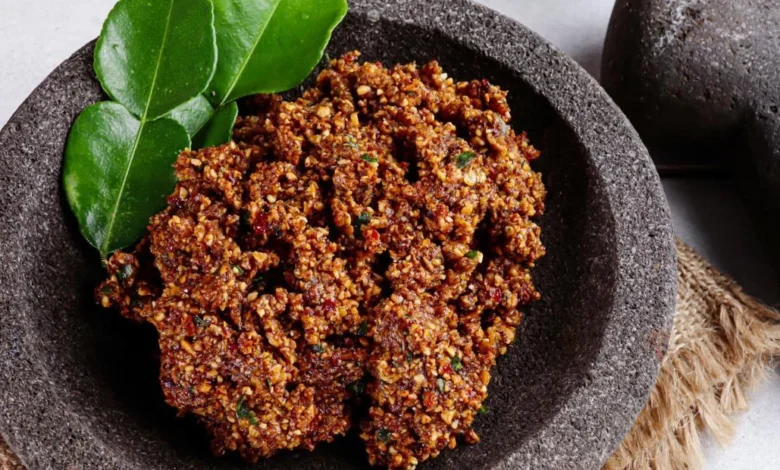
The defining characteristic of Pecel is its signature peanut sauce, or bumbu pecel. This complex condiment elevates the simple boiled vegetables to an extraordinary level of flavor. The sauce is meticulously crafted from roasted or fried peanuts, ground to a fine paste, and then blended with an array of traditional spices. Key ingredients typically include bird’s eye chilies (cabai rawit) for heat, kencur (aromatic ginger) for its distinctive earthy and slightly citrusy aroma, garlic, tamarind for a tangy counterpoint, palm sugar (gula jawa) for sweetness, and kaffir lime leaves (daun jeruk) for a refreshing zest. These ingredients are traditionally ground using a mortar and pestle, ensuring a perfectly smooth and integrated paste. The resulting sauce is a harmonious balance of savory, sweet, spicy, and tangy notes, providing a rich, creamy coating that clings beautifully to the blanched vegetables.
Nutritional Profile and Adaptability
From a nutritional standpoint, Pecel is a powerhouse. It typically features a medley of blanched vegetables such as spinach, bean sprouts, long beans, cabbage, and sometimes cucumber or morning glory. These vegetables provide essential vitamins, minerals, and dietary fiber. The peanut sauce, while calorically dense, offers a good source of protein and healthy fats. This combination makes Pecel a well-rounded meal that is both satisfying and nutritious. Its adaptability is another hallmark; while the core components remain consistent, regional variations might include different vegetable assortments or slight alterations in the peanut sauce’s spice level or sweetness. Pecel is often served with steamed rice, rempeyek (peanut or anchovy brittle crackers), and sometimes tempeh or tahu (fermented soybean cakes or tofu) for added protein, creating a complete and fulfilling meal.
Urap: The Aromatic Coconut Embrace
Beyond the peanut-based delight of Pecel, Indonesia offers Urap, another beloved boiled vegetable dish that showcases the versatility of its culinary traditions. Urap distinguishes itself with its unique coconut-based dressing, offering a distinctly different flavor profile—savory, slightly spicy, and deeply aromatic—that appeals to a broad spectrum of palates. Urap is widely popular across Indonesia, particularly in Java and Bali, and holds a special place in traditional feasts and celebrations.
Traditional Roots and Festive Presence
Urap’s presence is often noted in tumpeng ceremonies, traditional conical rice mounds served during important events such as selamatan (communal feasts for blessings or milestones), weddings, and religious holidays. In these contexts, Urap symbolizes fertility, abundance, and gratitude, reflecting its integral role in Indonesian cultural and spiritual life. Its traditional roots extend deep into the history of Javanese and Balinese cuisine, where the abundant availability of coconuts and a wide array of spices naturally led to the development of such a rich and flavorful dish. The preparation of Urap for these events is often a communal effort, reinforcing social bonds and culinary heritage.
The Symphony of Spices and Fresh Coconut
The heart of Urap lies in its bumbu urap, a vibrant mixture of grated fresh coconut and a finely ground spice paste. The coconut, preferably from a medium-aged fruit, provides a moist, rich texture and a subtle sweetness that perfectly complements the spices. The spice paste, typically made from garlic, shallots, bird’s eye chilies (for heat), kencur, kaffir lime leaves, palm sugar, and salt, is meticulously blended. Some variations might include tamarind for a hint of sourness or a touch of shrimp paste (terasi) for added umami depth. This bumbu is then lightly steamed or sautéed to cook the spices and integrate the flavors, ensuring it is fragrant and safe to eat. The steaming process also helps the coconut absorb the flavors more effectively, resulting in a remarkably aromatic and flavorful dressing that coats each piece of vegetable beautifully. The meticulous balance of these ingredients creates a complex flavor profile that is savory, slightly sweet, subtly spicy, and incredibly aromatic.
Vegetable Choices and Preparation
Urap is highly versatile regarding the vegetables used. Common choices include blanched spinach, bean sprouts, long beans, cabbage, water spinach, and sometimes carrots or cassava leaves. The vegetables are typically blanched briefly in salted boiling water until tender-crisp, then drained thoroughly to remove excess moisture. This ensures they retain their vibrant color and a pleasant bite. Once prepared, the blanched vegetables are gently tossed with the warm bumbu urap, ensuring every piece is evenly coated. The dish can be served immediately, either mixed thoroughly or with the bumbu served separately for individual preference. Urap is often enjoyed as a side dish to steamed rice, grilled fish or chicken, and various other Indonesian main courses, providing a fresh, earthy counterpoint to richer flavors.
Plecing Kangkung: Lombok’s Fiery Green Gem
Venturing eastward to the island of Lombok in West Nusa Tenggara, one encounters Plecing Kangkung, a dish that has become an iconic representation of the island’s vibrant and often fiery culinary identity. This seemingly simple preparation of boiled water spinach (kangkung) is transformed into an unforgettable gastronomic experience by its intensely spicy and tangy sambal. Plecing Kangkung is not just a dish; it is a cultural ambassador for Lombok, celebrated by locals and sought after by tourists eager to explore the island’s unique flavors.
A Signature Dish from West Nusa Tenggara
Plecing Kangkung is intrinsically linked to Lombok. Its fame has spread throughout Indonesia, but its most authentic and celebrated form remains on its home island. The dish leverages the abundant cultivation of water spinach in Lombok, particularly the variety known for its tender stems and leaves. Unlike other vegetable preparations that might be more adaptable across regions, Plecing Kangkung retains a strong sense of place, embodying the local palate’s preference for bold, spicy, and refreshing flavors. It is a staple in warungs (small eateries), restaurants, and family meals across Lombok, often served alongside other local specialties such as Ayam Taliwang (grilled spicy chicken).
The Distinctive Sambal and Serving Rituals
The essence of Plecing Kangkung lies in its potent sambal, often referred to simply as sambal plecing. This sambal is a fiery concoction made from a specific blend of red bird’s eye chilies (cabai rawit merah), larger red chilies (cabai merah keriting), garlic, shallots, roasted shrimp paste (terasi), a generous amount of fresh tomato for body and tang, and a hint of palm sugar to balance the heat. Traditionally, these ingredients are ground using a mortar and pestle, creating a coarse, rustic texture that adds to its appeal. The sambal is then typically left uncooked, preserving the raw intensity and freshness of its components, though some variations might lightly sauté it.
The preparation of the water spinach is straightforward: it is blanched until just tender, then quickly drained. The serving ritual is crucial to the dish’s appeal. The blanched kangkung is arranged on a plate, then generously topped with the vibrant red sambal plecing. A crucial final touch involves a generous squeeze of fresh lime juice (jeruk limau) and a scattering of roasted peanuts, which add a delightful crunch and nutty counterpoint to the heat and tang. The lime juice provides a crucial fresh, aromatic lift, cutting through the richness and amplifying the dish’s refreshing qualities. This combination of tender kangkung, explosive sambal, zesty lime, and crunchy peanuts creates a complex textural and flavor experience that is both invigorating and addictive.
Tourism and Culinary Identity
Plecing Kangkung plays a significant role in Lombok’s tourism sector. Visitors to the island are often encouraged to try this iconic dish, which serves as an authentic taste of local culture. Its popularity has led to its inclusion in menus across various establishments, from humble street vendors to upscale resorts, making it accessible to all who visit. The dish exemplifies how a relatively simple culinary concept, when executed with distinctive local ingredients and a strong cultural identity, can become a powerful symbol of a region’s gastronomic heritage. Its fame contributes to Lombok’s reputation as a destination for adventurous foodies and those seeking genuine Indonesian flavors.
The Indispensable Role of Sambal in Indonesian Gastronomy
The three dishes explored—Pecel, Urap, and Plecing Kangkung—each highlight the profound importance of sambal and various bumbu (spice pastes) in Indonesian cuisine. Sambal is not merely a condiment; it is an integral part of the meal, often elevating simple ingredients to extraordinary heights. From the savory-sweet peanut sauce of Pecel to the aromatic coconut dressing of Urap and the fiery chili paste of Plecing Kangkung, these flavor bases are meticulously crafted, embodying centuries of culinary wisdom and regional preferences. The diversity of sambals across Indonesia is staggering, with each island, city, and even family often boasting its unique recipe. This tradition of intricate spice blending ensures that even the most basic ingredients, like boiled vegetables, can offer a complex and deeply satisfying culinary experience, reflecting the very soul of Indonesian cooking.
Health and Sustainability: The Core of Indonesian Vegetable Dishes
Beyond their cultural and gastronomic appeal, these Indonesian vegetable dishes offer significant health benefits. They inherently promote the consumption of fresh produce, providing essential vitamins, minerals, and dietary fiber, which are crucial for a balanced diet. The traditional cooking methods, often involving blanching or light steaming, help retain the nutritional integrity of the vegetables. Furthermore, the reliance on local, seasonal ingredients supports sustainable agricultural practices and local economies. Farmers benefit from the demand for fresh produce, and traditional markets thrive as centers for sourcing these ingredients. This symbiotic relationship between cuisine, health, and local sustainability underscores the holistic value of these dishes in the Indonesian way of life.
Preserving Culinary Heritage and Global Recognition
In an increasingly globalized world, the preservation and promotion of traditional dishes like Pecel, Urap, and Plecing Kangkung are vital. Efforts by local communities, culinary enthusiasts, and governmental bodies help ensure that these recipes and the stories behind them continue to be passed down through generations. Culinary festivals, cooking classes, and food tourism initiatives play a crucial role in raising awareness and appreciation for Indonesia’s rich food heritage, both domestically and internationally. As global palates become more adventurous, these unique vegetable preparations are gaining recognition beyond Indonesian borders, offering a flavorful glimpse into the country’s diverse culture and culinary genius.
Conclusion: A Celebration of Flavor and Tradition
The humble boiled vegetable, when paired with the ingenious bumbu and sambal of Indonesia, transforms into a testament to the nation’s culinary richness. Pecel, Urap, and Plecing Kangkung are more than just recipes; they are cultural touchstones, nutritional powerhouses, and vibrant expressions of regional identity. From the comforting embrace of Javanese peanut sauce to the aromatic allure of coconut and the fiery kick of Lombok’s chilies, these dishes invite diners on a flavorful journey across the archipelago. They embody the philosophy that simple ingredients, when treated with respect and elevated with skillful seasoning, can create meals that are both profoundly satisfying and deeply meaningful, cementing their place as cherished treasures within Indonesia’s gastronomic landscape.
Related posts: