Perkedel Kentang Daging Cincang: A Culinary Journey Through Indonesia’s Beloved Potato Fritters

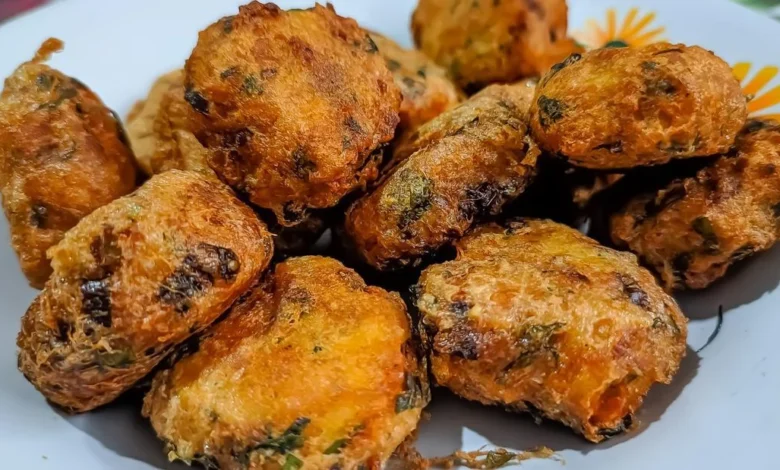
Jakarta, Indonesia – The humble potato fritter, known as Perkedel in Indonesia, holds a cherished place in the nation’s diverse culinary landscape. A dish of seemingly simple origins, Perkedel has evolved into a versatile staple, capable of gracing both everyday family tables and festive occasions. Among its numerous variations, the Perkedel Kentang Daging Cincang, or potato fritters with minced meat, stands out for its enhanced richness, savory depth, and satisfying texture. This particular iteration transforms the classic comfort food into a more substantial and flavorful experience, beloved for its tender interior, dense consistency, and aromatic profile.
The essence of a perfect Perkedel Kentang Daging Cincang lies in its meticulous preparation. It begins with mashed potatoes, forming a soft yet firm base. The inclusion of a generous amount of minced meat, typically beef, is crucial, not only for flavor but also for contributing to the fritter’s robust texture. Seasoning plays a vital role, with black pepper being a key ingredient to imbue the mixture with an appealing fragrance. Beyond the basic potato and meat, the addition of finely chopped celery leaves is a common practice, introducing a fresh, herbaceous aroma that elevates the overall sensory experience.
Historical Roots and Culinary Evolution
Perkedel’s journey into Indonesian cuisine is a fascinating tale of cultural exchange and adaptation. The dish is widely acknowledged to have Dutch influences, tracing its lineage back to the "Frikadel" or "Frikandel," a type of minced meatball or patty brought to the archipelago during the colonial era. While the Dutch frikadel typically featured ground meat, the scarcity and cost of meat for the local population led to ingenious adaptations. Potatoes, being more readily available and affordable, became the primary ingredient, transforming the meat-centric frikadel into the potato-based Perkedel known today.
The introduction of potatoes to Indonesia itself is a historical point of interest. Potatoes, originally from the Americas, were brought to Europe by Spanish explorers in the 16th century and subsequently introduced to Asia. In Indonesia, their cultivation gradually spread, especially in cooler highland regions, making them a viable and popular food source. This accessibility paved the way for dishes like Perkedel to become widespread.
Over centuries, the Indonesian people embraced and localized the Dutch frikadel, infusing it with indigenous spices and cooking techniques. The result was a dish that, while bearing a resemblance to its European ancestor in form, developed a distinct Indonesian character in flavor. This cultural assimilation is a hallmark of Indonesian gastronomy, which often sees foreign influences transformed into uniquely local delicacies. The Perkedel is a prime example of this culinary syncretism, reflecting a rich tapestry of historical interactions.
The Anatomy of a Perfect Perkedel Kentang Daging Cincang
Achieving the ideal Perkedel Kentang Daging Cincang involves a precise combination of ingredients and a careful cooking process. The core ingredients typically include:
- Potatoes: Preferably starchy varieties that mash well, providing a smooth and firm base. They are usually boiled or steamed until tender, then thoroughly mashed.
- Minced Meat: Beef is most common, chosen for its rich flavor and ability to blend seamlessly with the potatoes. It should be finely minced to ensure even distribution and a tender bite within the fritter.
- Aromatic Spices: The fundamental flavor profile is built upon a simple yet potent blend. Shallots (bawang merah) and garlic (bawang putih) form the aromatic base, providing a savory depth. Ground black pepper (merica) is essential for its pungent aroma and subtle heat. Salt (garam) is crucial for seasoning.
- Fresh Herbs: Finely chopped celery leaves (daun seledri) are a common and highly recommended addition. They contribute a fresh, slightly peppery aroma that complements the richness of the meat and potatoes.
- Binding Agent: An egg, typically whisked, serves as a crucial binder for the mixture, preventing the fritters from falling apart during frying. It also forms a protective coating when the fritters are dipped before cooking, contributing to a golden-brown, slightly crispy exterior.
The preparation process generally follows these steps:
- Prepare the Potatoes: Boil or steam potatoes until very tender. Peel and mash them thoroughly until no lumps remain.
- Sauté Aromatics: Finely chop shallots and garlic. Sauté them in a small amount of oil until fragrant and softened.
- Cook Minced Meat: Add the minced meat to the sautéed aromatics and cook until browned and cooked through. Season with salt and pepper.
- Combine Ingredients: In a large bowl, combine the mashed potatoes, cooked minced meat, sautéed aromatics, and chopped celery leaves. Mix thoroughly until all ingredients are well incorporated. The mixture should be firm enough to shape.
- Shape the Fritters: Take portions of the mixture and shape them into small, flat, round patties, typically about 1-inch thick and 2-3 inches in diameter.
- Coat and Fry: Dip each shaped fritter into a whisked egg mixture, ensuring it is fully coated. Carefully place the coated fritters into hot oil, frying until golden brown and crispy on both sides. Drain excess oil on paper towels.
This method ensures a perkedel that is not only flavorful but also holds its shape beautifully, offering a delightful contrast between its crispy exterior and soft, savory interior.
Nutritional Profile and Culinary Significance
Perkedel Kentang Daging Cincang offers a balanced nutritional profile, making it a wholesome addition to any meal. Potatoes are a good source of carbohydrates, providing energy, as well as essential vitamins and minerals like Vitamin C, Vitamin B6, potassium, and manganese. The minced meat, particularly beef, contributes significant protein, which is vital for muscle repair and growth, along with iron, zinc, and B vitamins. The inclusion of spices like garlic, shallots, and pepper also brings antioxidant properties and additional micronutrients.
In Indonesian cuisine, Perkedel holds significant culinary importance. It is rarely served as a standalone dish but rather as a versatile accompaniment. Its soft texture and savory flavor make it an excellent counterpoint to a wide array of main courses. It is a ubiquitous presence alongside dishes like:
- Nasi Hangat (Warm Rice): A fundamental pairing, where the Perkedel adds a flavorful and textural dimension to a simple rice meal.
- Soto: Aromatic Indonesian soup, often featuring various meats and spices. Perkedel provides a comforting and absorbent element.
- Sop (Soup): Similar to soto, Perkedel complements other clear or creamy soups.
- Rawon: A rich, black beef soup from East Java, known for its distinct kluwek (black nut) flavor. Perkedel offers a mild, starchy contrast.
- Gado-Gado or Pecel: While less common, Perkedel can sometimes be found alongside these vegetable salads with peanut sauce, adding a hearty component.
Beyond these traditional pairings, Perkedel is also a popular item in "nasi campur" (mixed rice) stalls, where diners can choose from a variety of side dishes to accompany their rice. Its widespread availability, from street vendors to high-end restaurants, underscores its status as a beloved national comfort food.
Regional Variations and Modern Interpretations
While the potato-and-meat combination is a classic, Perkedel exhibits regional variations across the Indonesian archipelago, reflecting local ingredients and culinary preferences. Some common variations include:
- Perkedel Jagung (Corn Fritters): Made with fresh corn kernels, often mixed with flour and spices, offering a sweeter and crunchier alternative.
- Perkedel Tahu (Tofu Fritters): Utilizing mashed tofu as the primary ingredient, providing a lighter, protein-rich option.
- Perkedel Tempe (Tempeh Fritters): Incorporating fermented soybean cakes, giving a distinct nutty and earthy flavor.
- Perkedel Ikan (Fish Fritters): Using flaked fish, often tuna or mackerel, for a seafood-infused version.
- Spicy Perkedel: Some regions might add bird’s eye chilies to the mixture for a fiery kick, catering to the Indonesian palate’s love for spicy food.
In contemporary Indonesian kitchens and culinary establishments, chefs and home cooks alike are exploring modern interpretations of Perkedel. This includes experimenting with different types of minced meats (chicken, lamb), incorporating exotic spices, or even serving Perkedel as part of fusion dishes. For instance, some upscale restaurants might present miniature Perkedel as canapés or integrate them into innovative appetizer platters, demonstrating the dish’s adaptability and enduring appeal. The rise of food blogging and social media has also led to a surge in creative Perkedel recipes, with home cooks sharing their unique twists and encouraging culinary experimentation.
Cultural Significance and Economic Impact
Perkedel’s presence extends beyond mere sustenance; it is deeply interwoven with Indonesian culture. It evokes feelings of home, comfort, and tradition. For many Indonesians, the aroma of Perkedel frying brings back nostalgic memories of childhood and family gatherings. It is a dish often prepared for special occasions, holidays like Eid al-Fitr, and community events, symbolizing hospitality and shared meals.
Economically, Perkedel contributes to local economies, particularly for potato farmers, spice traders, and small-scale food vendors. The ingredients are generally affordable and locally sourced, making it an accessible dish for all socioeconomic strata. Street vendors and small warungs (food stalls) often feature Perkedel as a popular and quick-selling item, providing livelihoods for many. The simplicity of its ingredients also means it can be prepared efficiently, making it a staple for caterers and food service providers.
The Enduring Appeal
The enduring appeal of Perkedel Kentang Daging Cincang lies in its perfect balance of simplicity and sophistication. It takes humble ingredients and transforms them into a dish that is deeply satisfying and universally loved. Its historical roots, reflecting centuries of cultural exchange, add another layer of richness to its story. As Indonesian cuisine continues to gain global recognition, Perkedel, particularly its minced meat variant, stands as a testament to the nation’s culinary ingenuity and its ability to turn everyday ingredients into extraordinary flavors. Whether served as a hearty side dish or a comforting snack, Perkedel Kentang Daging Cincang remains a timeless classic, embodying the warmth and richness of Indonesian culinary heritage.
Related posts: